



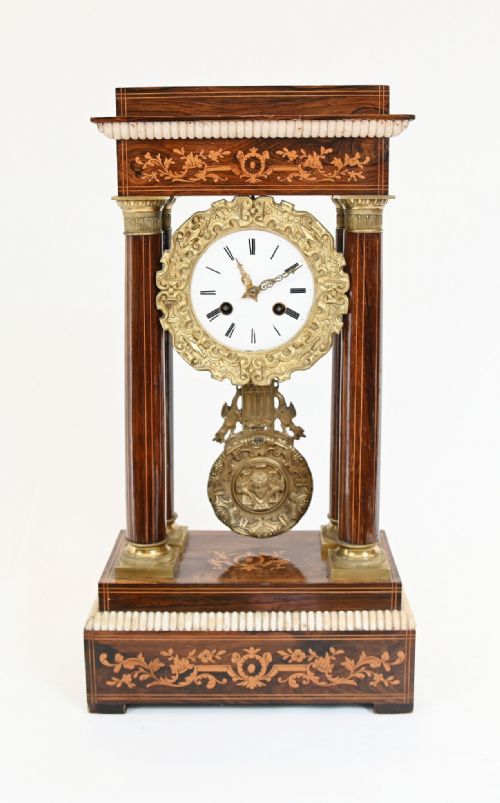


French Chime Clock
These French chime clock pieces bring together striking horology and decorative metalwork, offering both mechanical interest and period presence for the mantel.
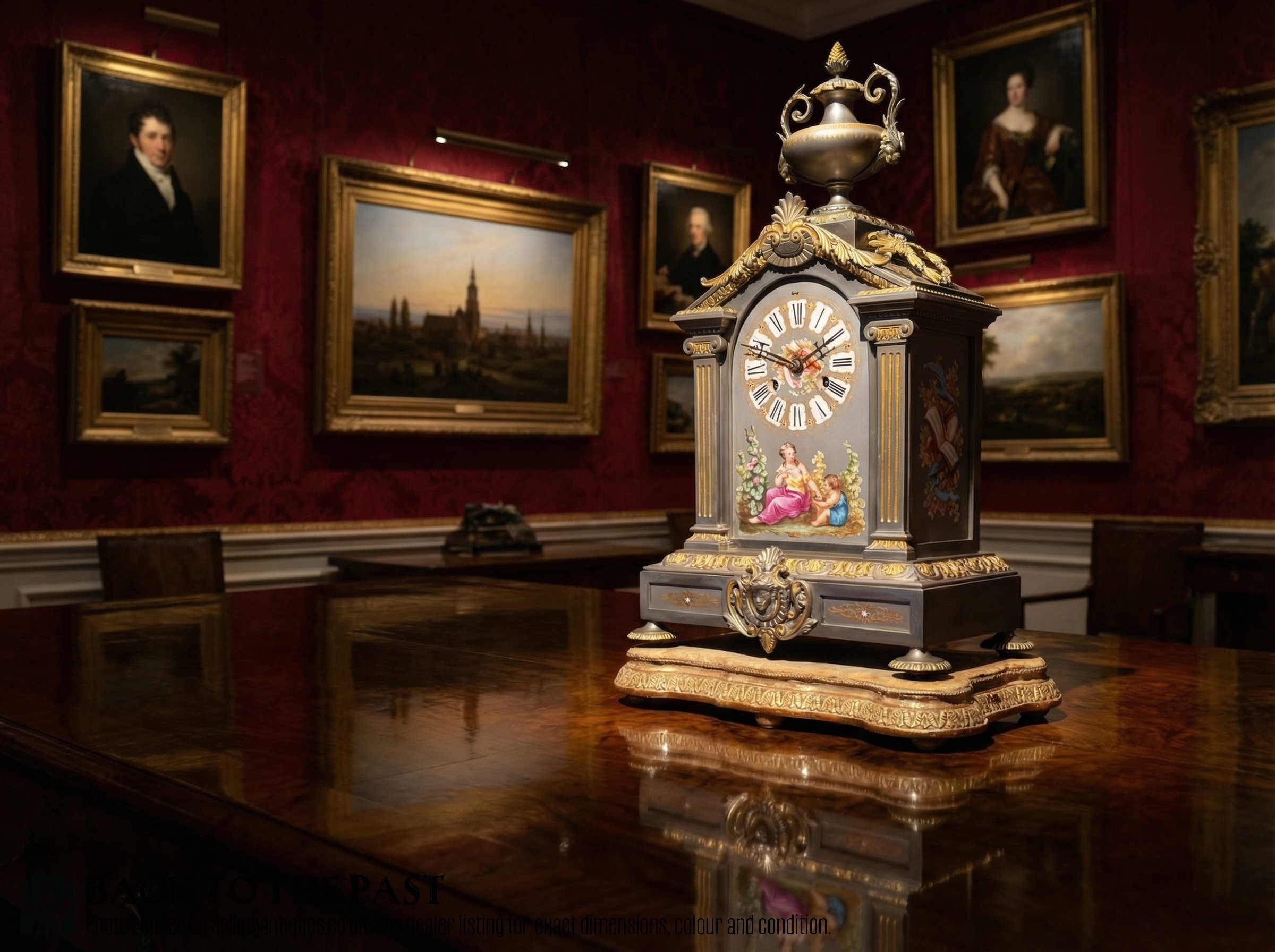
French Chime Clock
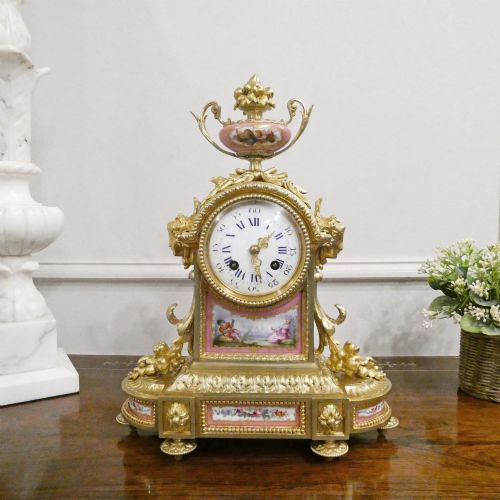
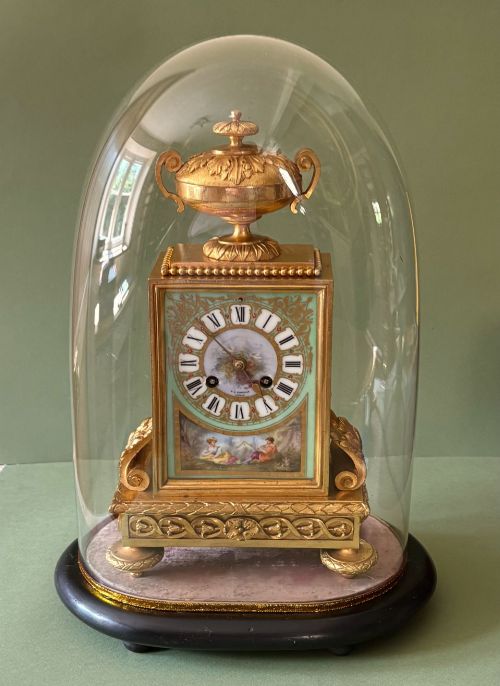
A french chime clock most commonly appears as a mantel clock, taking physical shape in materials like brass, ormolu, marble, slate, and walnut across the nineteenth and twentieth centuries.
The selections span distinct stylistic revivals including Louis XV and Louis XVI styles, alongside later Art Deco wall and mantel formats.
The majority of these pieces originate from nineteenth-century production, particularly the 1860s through the 1890s, alongside carriage clock formats and wall-hanging carillons.
Materials and construction
The physical bodies rely heavily on cast metals such as brass, gilt bronze, and ormolu, frequently paired with inset porcelain panels, glass panels, and heavy marble or slate bases.
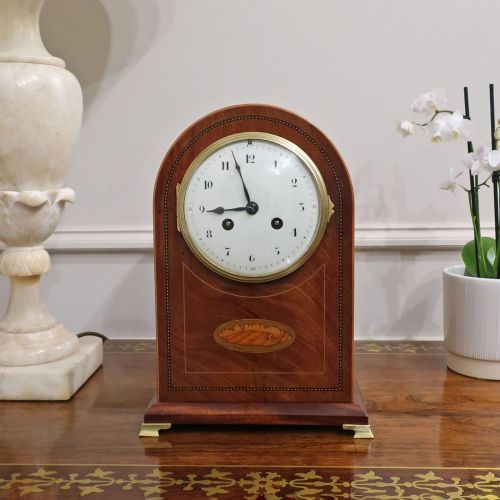
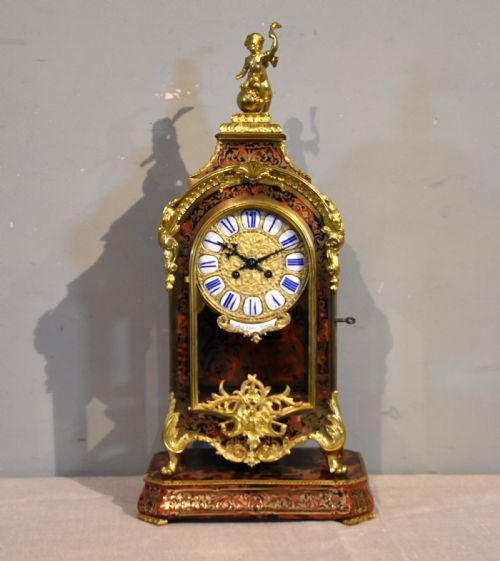
Cabinetmakers and bronze workers utilised exotic timbers like walnut, mahogany, and rosewood for wood-cased wall and mantel versions, incorporating marquetry and boulle work.
Mechanical movements sit behind enamel dials, driving striking and chiming functions including repeating mechanisms, carriage clock bells, and Westminster carillons.
Some nineteenth-century carriage clocks managed to tell the time while bouncing along unpaved roads in horse-drawn carriages without dropping a beat.
Quality variations
The upper tier of these pieces distinguishes itself through the crispness of bronze casting, the refinement of ormolu gilding, and the integration of named maker movements.
Subtleties in dial execution, such as finely painted enamel chapters and high-grade porcelain mounts, separate standard production from superior examples.
Case construction depth, from heavy marble and detailed Boulle marquetry to simpler timber housings, dictates the overall architectural presence.
Japy Freres·Achille Brocot & Delettrez·Savory & Fils A Paris·Malecot of Paris·Vedette
The French Chime Clock Glossary
- Ormolu
- Gilt bronze produced by applying a finely ground high-carat gold-mercury amalgam to a bronze object. This surface treatment gives nineteenth-century cases their characteristic golden warmth.
- Boulle
- A form of marquetry utilising brass inlaid into tortoiseshell or dark horn. It appears frequently on formal nineteenth-century mantel clock cases.
- Carillon
- A set of tuned bells played by a mechanical pinned cylinder or hammers. These mechanisms deliver multi-note tunes in wall and mantel clocks.
- Grande Sonnerie
- A striking mechanism that sounds both the hours and the quarters automatically on every quarter hour. It represents a high degree of horological complexity.
- Portico clock
- A monumental clock design supported by columns resembling a classical portico. These architectural pieces often date from the early nineteenth century.
French Chime Clock: Frequently Asked Questions
How do I wind a French chime clock?
Most mechanical versions utilise a winding key inserted into dedicated holes on the enamel dial to tension the springs for timekeeping and chiming trains.
Care must be taken not to over-wind the springs, stopping as soon as resistance is felt.
Where should I place a mantel clock?
These heavy brass, marble, and gilt bronze pieces require a level, stable surface capable of supporting considerable weight.
Placing them away from direct heat sources and damp exterior walls protects both the internal metal movements and the wooden or slate cases.
What is the difference between a carriage clock and a mantel clock?
Carriage clocks are smaller, portable timepieces housed in brass frames with glass panels designed for travel, often featuring pivoting carrying handles.
Mantel clocks are larger, heavier stationary pieces designed to sit permanently on a fireplace surround or furniture top.
How do I identify a Louis XV style clock?
Louis XV style cases display characteristic asymmetrical rococo curves, scrollwork, and naturalistic leaf motifs cast in ormolu or gilt bronze.
They stand apart from the stricter symmetry and classical columns found in Louis XVI or portico designs.