



French Cherub Sculpture
These pieces capture the playful grace of a french cherub sculpture, bringing neoclassical and rococo charm into domestic spaces.
French Cherub Sculpture
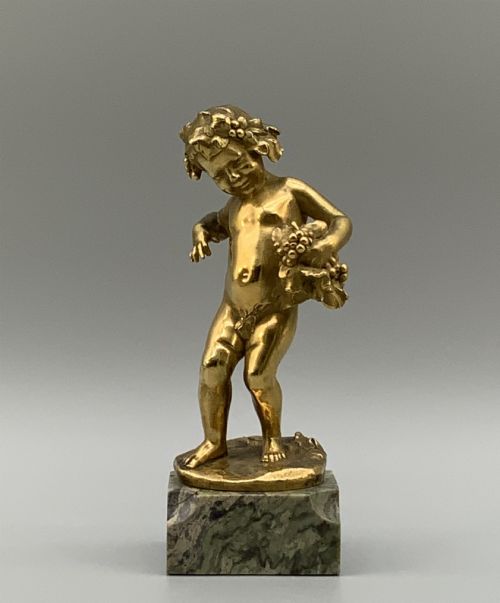
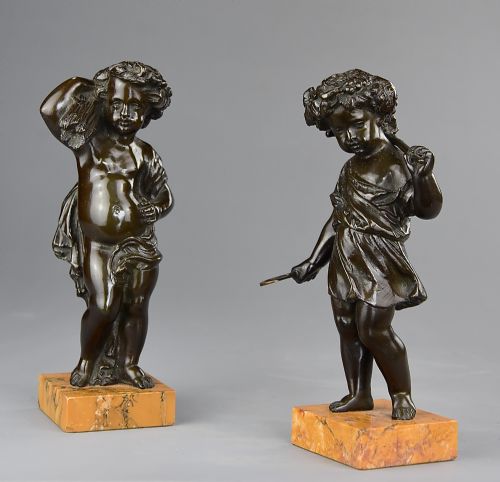
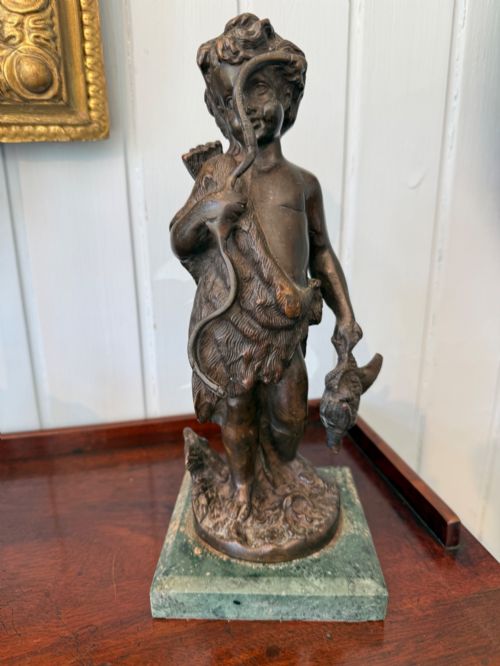
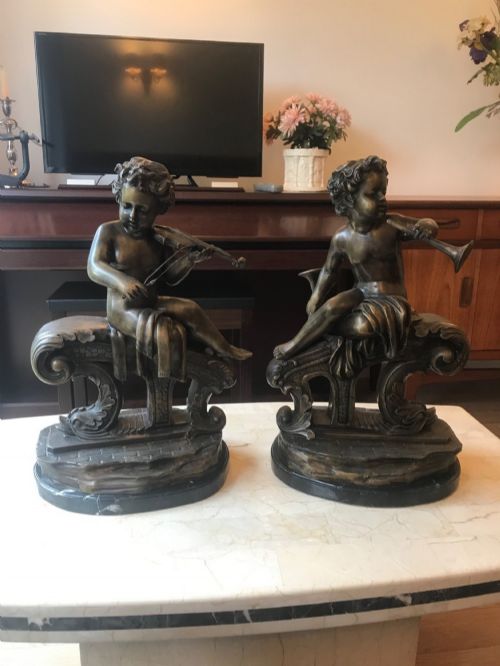
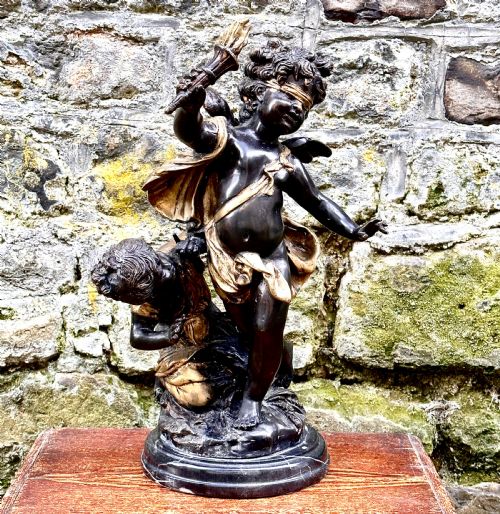
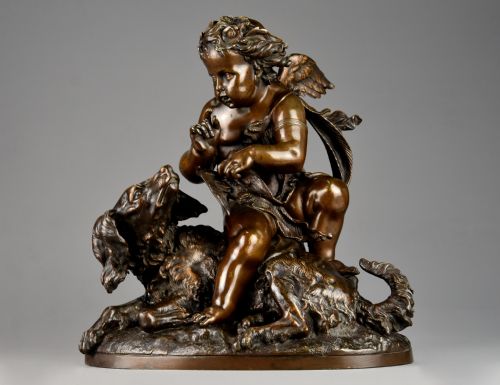
A french cherub sculpture typically depicts winged infants, putti, or cupids engaged in musical, mythological, or allegorical pursuits. You will frequently encounter nineteenth-century cast bronze figures, often paired as musical musicians, harvesters, or companions to animals.
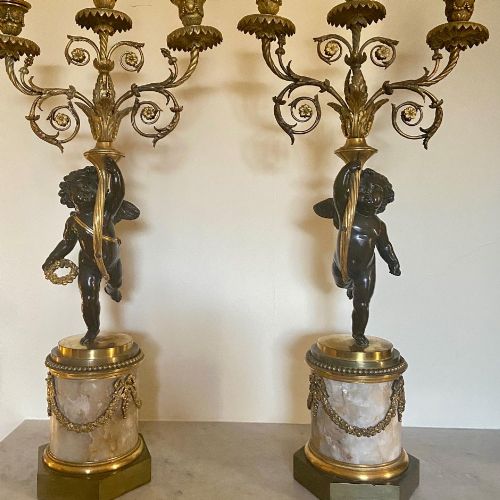
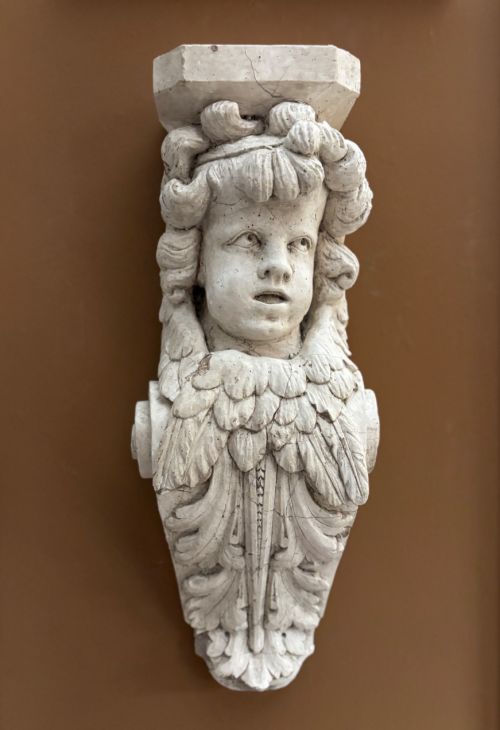
Beyond standalone bronze figures, these forms appear as finials, candelabra, wall corbels, table lamps, and clock mounts. Many of these pieces draw directly upon the classical compositions of Claude Michel Clodion or the sculptural output of the Moreau family.
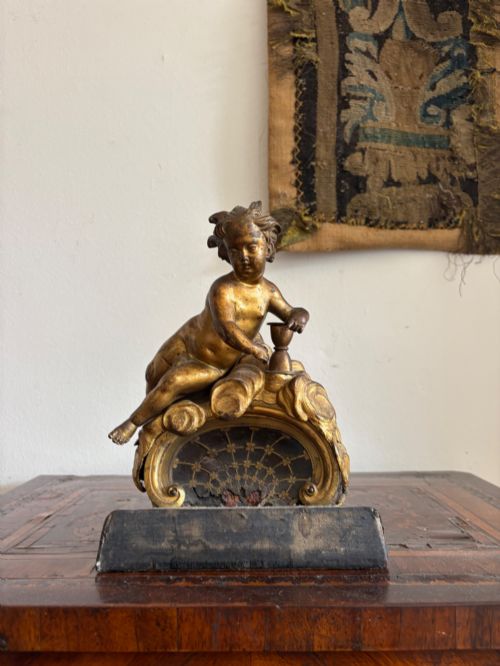
Origins stretch from the late eighteenth century through the nineteenth century, reflecting enduring revivals of baroque and rococo tastes. Materials range from patinated and gilt bronze to carved wood and terracotta.
How They Were Made
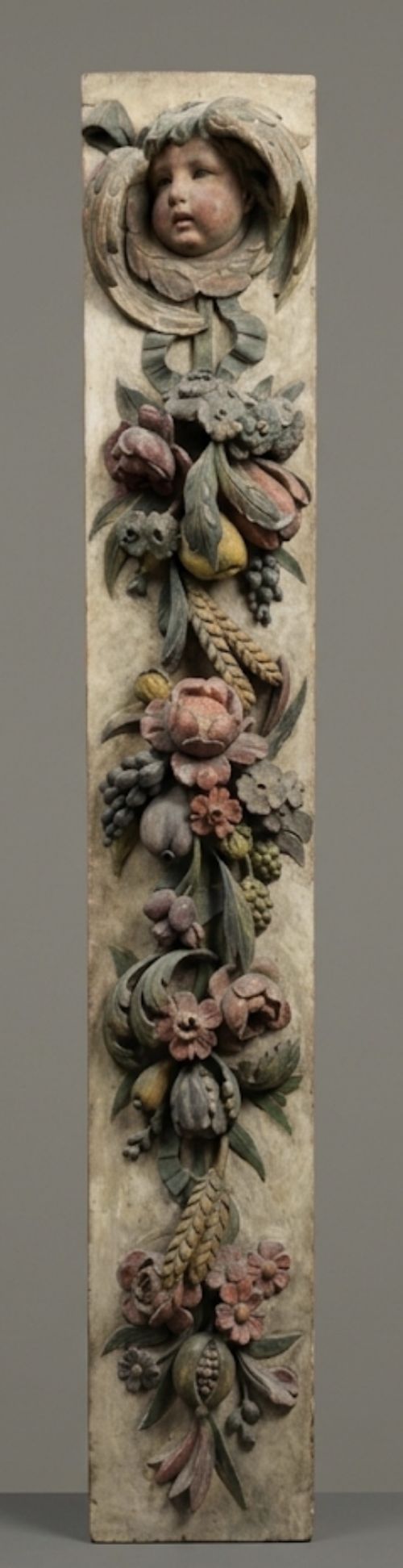
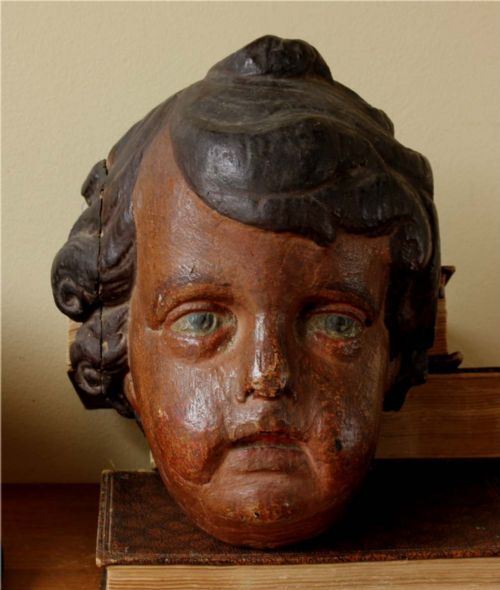
Foundry casting dominates the metal pieces, utilising bronze with either dark patination, bright gilding, or ormolu finishes. Sculptors also worked in carved limewood and gesso, occasionally applying polychrome paint or gold leaf to wooden panels and wall brackets.
Marble frequently serves as a heavy foundational base for bronze group sculptures, providing stability and structural contrast to the cast metal figures above.
Several cherubs double as musicians, hunting companions, or playmates to spaniels, goats, and cats.
What Varies in Quality
The crispness of the chasing and finishing on cast bronze determines how sharply facial expressions, hair strands, and drapery folds are defined. Softer, blurred surface details often indicate a later or secondary cast.
The integration of the material matters greatly, whether it is the harmony between patinated and gilt bronze elements or the depth and precision of hand-carving in wooden panels and putti heads.
Charles Louis Malric·Susse Frères·Claude Michael Clodion·Francois Redmond·Leon Message·Jollet et Cie·Louis Auguste Moreau·Charles Cumberworth·Carrier
The French Cherub Sculpture Glossary
- Putto
- A plump, naked male infant, frequently winged, appearing in classical and renaissance art. These figures form the primary subject of many nineteenth-century French decorative bronzes.
- Ormolu
- Gilded bronze, produced by applying a mercury and gold amalgam to a bronze object and heating it to drive off the mercury. This technique creates a durable, bright golden surface.
- Patinated bronze
- Bronze treated with chemical solutions to produce a specific surface colour, most commonly dark brown or green. This finish protects the metal and highlights sculptural contours.
- Candelabra
- Branched lighting fixtures designed to hold multiple candles, often mounted with figural bronze cherubs or putti. They frequently incorporate marble bases and floral arms.
- Finial
- A relatively small decorative ornament that terminates the top of an object, such as a clock case, furniture piece, or mount. Eighteenth-century examples often take the form of a cast putto.
French Cherub Sculpture: Frequently Asked Questions
How do I identify a nineteenth-century bronze?
Examine the weight, colour of the metal underneath any wear, and the sharpness of the chasing work. Nineteenth-century founders typically achieved deep, rich patinations and hand-finished details that modern reproductions lack.
Look also for signatures or foundry marks stamped directly into the bronze base, which often point to established Parisian workshops or known sculptors from the period.
Were these cherubs used as clocks?
Many figures and mounts served as decorative embellishments on larger mantel clocks and garniture sets. Ormolu cherubs frequently accented the sides or top of rococo clock cases.
Standalone sculptures, however, were created purely for visual display on tables, brackets, or pedestals within neoclassical interiors.
What is the difference between a putto and a cupid?
A putto is a generic winged infant figure derived from classical art, often depicted playing music, gathering grapes, or simply frolicking. Cupid specifically represents the Roman god of erotic love, usually identified by his bow and arrows.
Both terms appear frequently in historical titles, though nineteenth-century makers often used them interchangeably for decorative bronze groups.
How should I clean a bronze cherub?
Dust the surface gently with a soft, dry brush to prevent dirt accumulation in the crevices of the casting. Avoid using chemical polishes, water, or abrasive cloths, as these can strip away the original patination or historical gilding.
Applying a very light coat of microcrystalline wax can help protect exposed bronze surfaces from atmospheric moisture over time.