
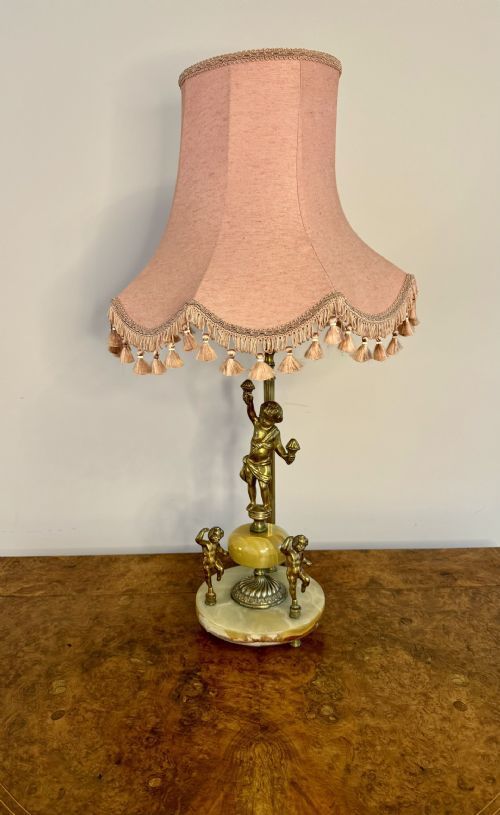


French Chateau Table Lamp
A french chateau table lamp brings a touch of continental heritage into a room, combining cast metal and classical ceramic forms.

French Chateau Table Lamp
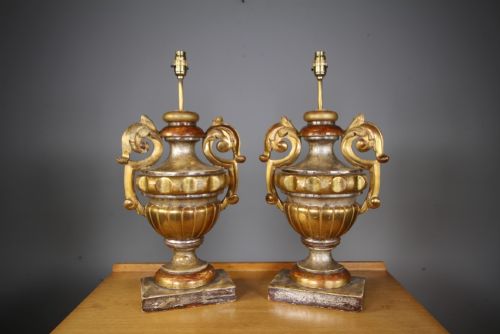
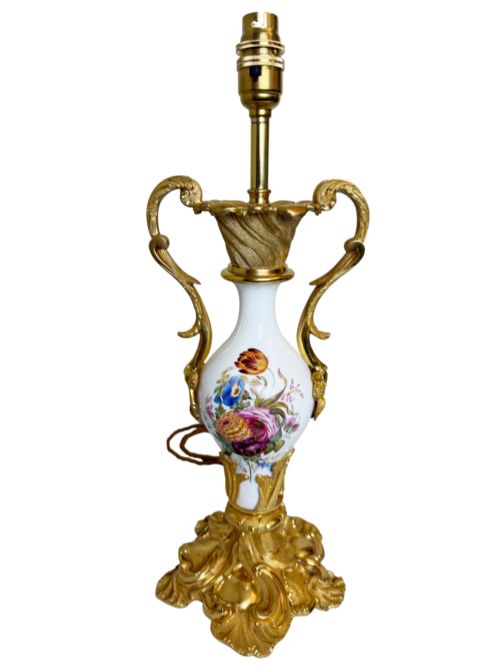
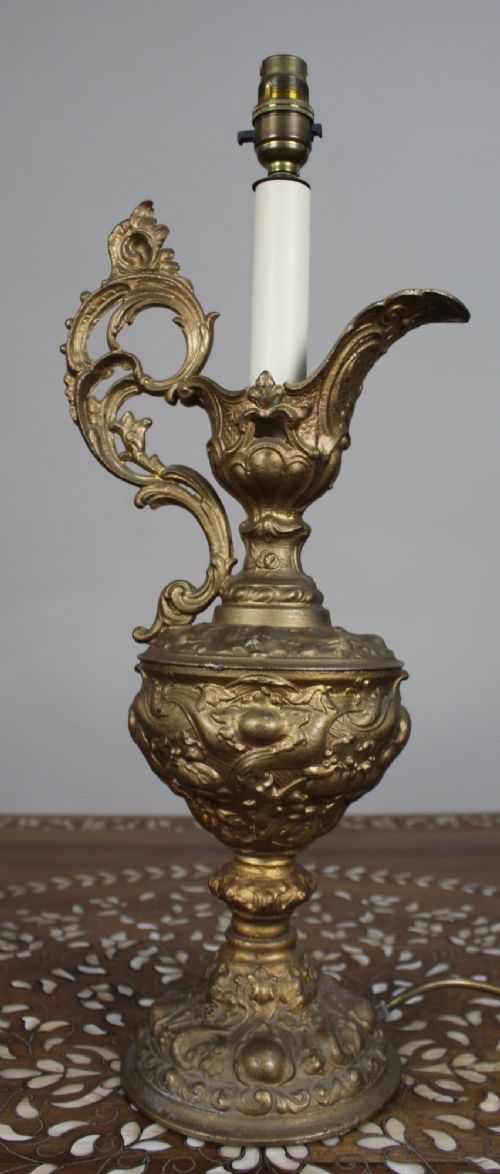
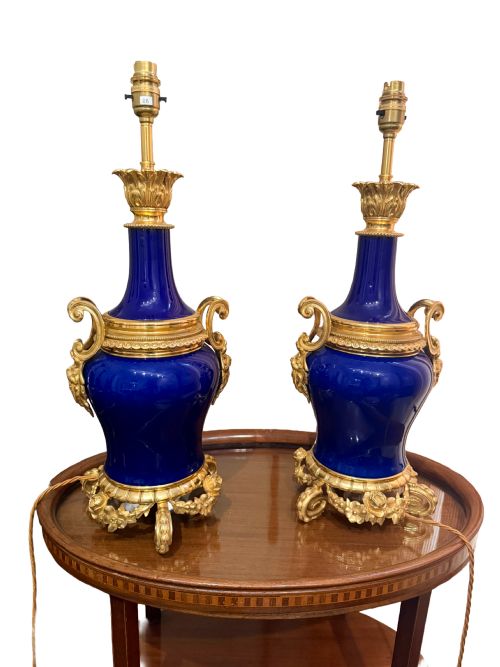
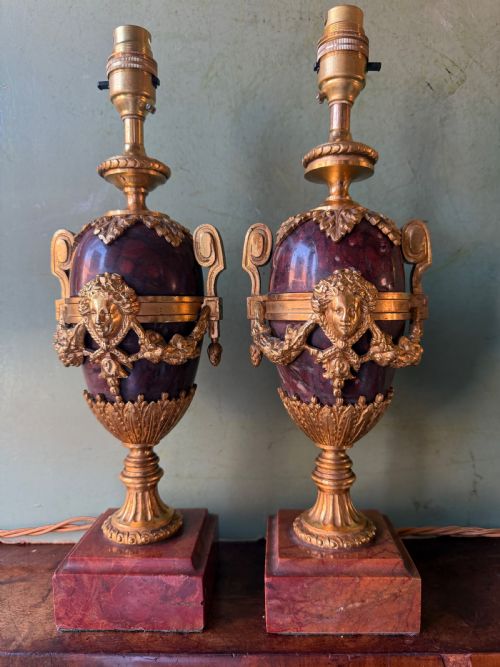
A french chateau table lamp draws heavily on period styles such as Louis XVI, Neoclassical, and French Rococo, reflecting the grandeur of historical interiors. These decorative objects often take the form of converted vases, classical urns, and embellished candelabra rather than simple utilitarian lighting. Pieces span from the nineteenth century into the early decades of the twentieth century, capturing various phases of historicist taste.
How they were made
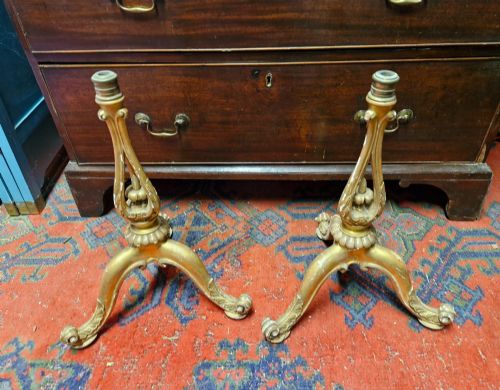
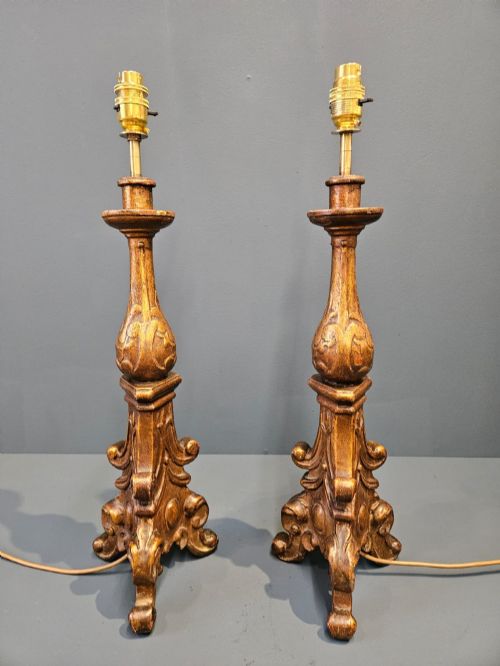
Metal components rely on traditional casting techniques, utilising brass, bronze, and ormolu to create sculptural bases and mounts. Ormolu involves applying finely ground high-carat gold to an object of bronze, producing a rich finish that endures across the centuries. Giltwood and carved pine elements receive hand-applied gold leaf or paint, showing the artisan's attention to surface texture.
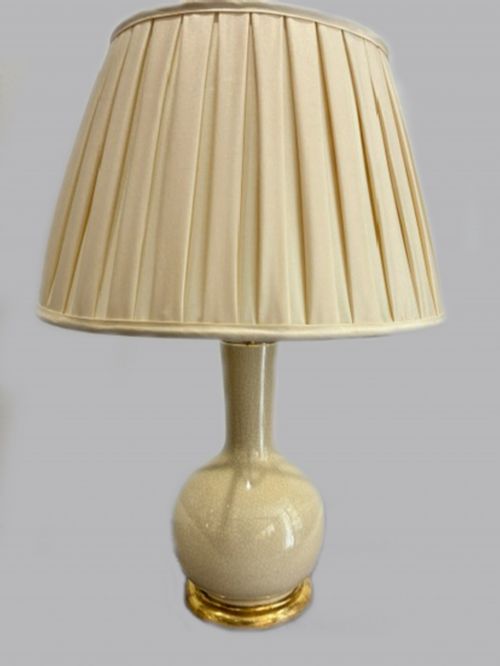
Ceramic bodies incorporate porcelain and crackle ware, often hand-painted with floral motifs or finished in solid colour glazes like turquoise and blue. Marble and onyx sections provide substantial weight and contrasting geological patterns beneath the metal mounts. Crystal drops and fabric elements complete the construction, combining rigid mineral supports with softer decorative accents.
French Chateau Table Lamp Retail Price Guide 2026
Typical asking prices for french chateau table lamp among the pieces listed under this phrase on Sellingantiques today, from the lower quarter to the upper quarter. They describe what is for sale here now, not the wider market.
Listings feature periods from the early nineteenth century through the 1930s, encompassing Victorian, Edwardian, and various French revival styles.
What varies in quality
Quality rests in the crispness of the cast ornamentation and the depth of the gilding on bronze and brass components. Finer examples display sharp relief work on acanthus leaves, cherubs, and classical swags, whereas lesser pieces show softer, worn detailing from repetitive casting. The choice of base material also dictates distinction, with heavy rouge marble and genuine ormolu marking out the superior tier.
The integration of converted elements, such as nineteenth-century vases or candelabra adapted into lamps, requires careful handling to preserve the original body. Artisanal skill appears in the harmony between the ceramic or bronze vessel and its added electrical fittings or shade supports. Consistent patination across the metal and stone parts indicates a unified and well-preserved history.
The French Chateau Table Lamp Glossary
- Ormolu
- A method of applying finely ground gold amalgam to a bronze object before firing and burnishing. This technique gives the metal a rich, golden appearance that resists tarnishing.
- Candelabra
- A branched candlestick designed to hold multiple lights simultaneously. Many surviving examples later underwent conversion into electrified table lamps.
- Neoclassical
- A style spanning the eighteenth and nineteenth centuries that draws inspiration from the classical art and architecture of ancient Greece and Rome. It prioritises symmetry, straight lines, and classical motifs.
- Lustre
- A decorative glass or porcelain pendant ornament featuring crystal drops. These hang from candlesticks or lamp structures to refract light.
- Sevres
- A historic French porcelain manufactory known for high-quality decorative wares. Pieces often feature distinct coloured grounds and hand-painted details.
French Chateau Table Lamp: Frequently Asked Questions
How do I date a french chateau table lamp?
Dating relies on examining the materials, construction methods, and stylistic cues present in the base and mounts. Nineteenth-century examples often feature heavy cast bronze and hand-chiseled details characteristic of revival periods.
Later pieces from the early twentieth century may incorporate simpler turned timber or moulded plaster alongside electrical wiring methods typical of that era. Comparing the decorative motifs to known historical periods like Louis XVI provides further chronological context.
Were these always electric lamps?
Most older pieces began life as oil lamps, candlesticks, candelabra, or decorative vases before undergoing later conversion to electricity. This adaptation frequently occurred during the twentieth century to make antique objects suitable for modern domestic interiors.
Traces of the original function often remain visible in the upper fittings or through plugged fuel wells and burner components. Such conversions allow historical craftsmanship to serve a practical lighting purpose today.
How do I clean gilt bronze mounts?
Maintenance requires gentle dusting with a soft, dry brush to remove particles from intricate cast recesses. Moisture and harsh chemical cleaners can strip the delicate gold leaf or gilded surface from the bronze.
Professional conservation advice is recommended if tarnish obscures the underlying detail of the metalwork. Regular, careful upkeep preserves the original patination accumulated over generations.
What is the difference between ormolu and brass?
Ormolu consists of a gilded bronze substrate finished with a mercury-gilding technique that yields a warm, deep golden lustre. Brass is an alloy of copper and zinc that tends to display a brighter, yellower metallic tone when polished.
Antique ormolu mounts generally appear on higher-status decorative objects due to the labour-intensive manufacturing process involved. Brass components often feature in more utilitarian or later standard lamp constructions.