



French Chateau Desk
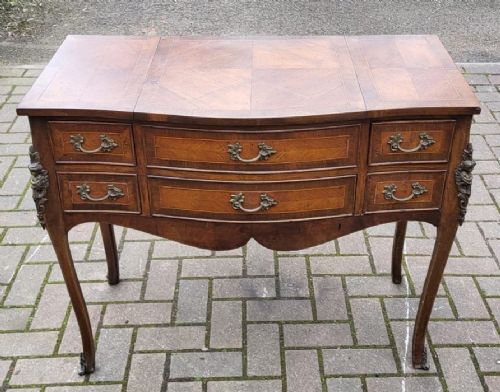
A french chateau desk brings grand country house elegance into a room through walnut, kingwood and ormolu mounts.
French Chateau Desk
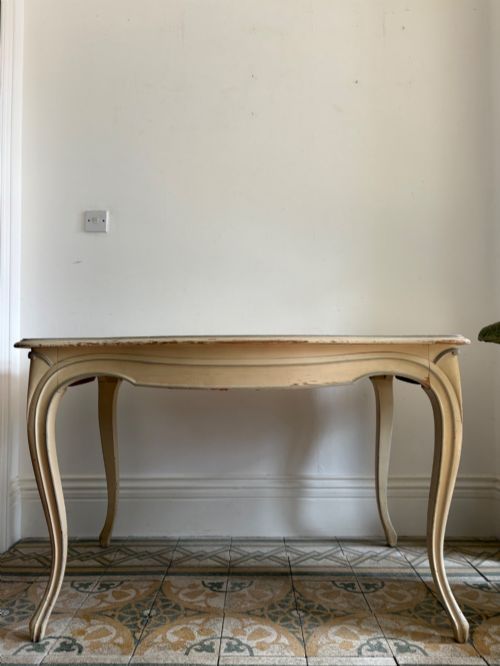
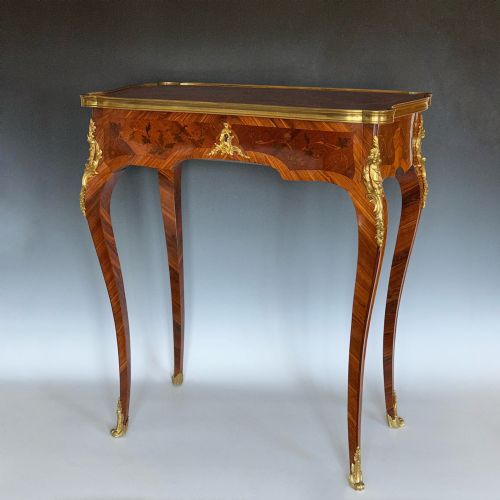
A french chateau desk encompasses writing tables, bureau de plat designs and poudreuses originating from nineteenth century and early twentieth century periods. Buyers seeking this aesthetic encounter various interpretations spanning Louis XV and Louis XVI revival styles, alongside painted and polished wood finishes.
The selection frequently includes freestanding tables and ladies desks designed with serpentine fronts or marquetry inlay. These pieces reflect regional French provincial craftsmanship as well as formal Parisian cabinet making traditions from the eighteen-eighties and eighteen-nineties.
Materials and Construction
Cabinet makers utilised dense hardwoods such as walnut, mahogany and kingwood for structural carcases and decorative veneers. Surfaces often incorporate marquetry patterns, inset leather or suede writing panels and hand applied paint finishes.
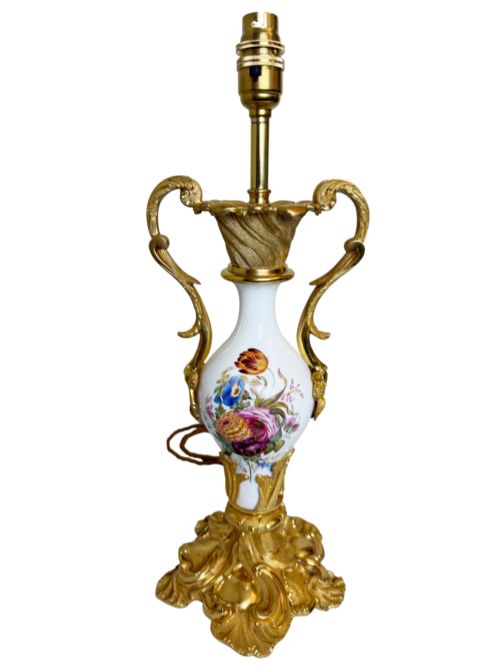
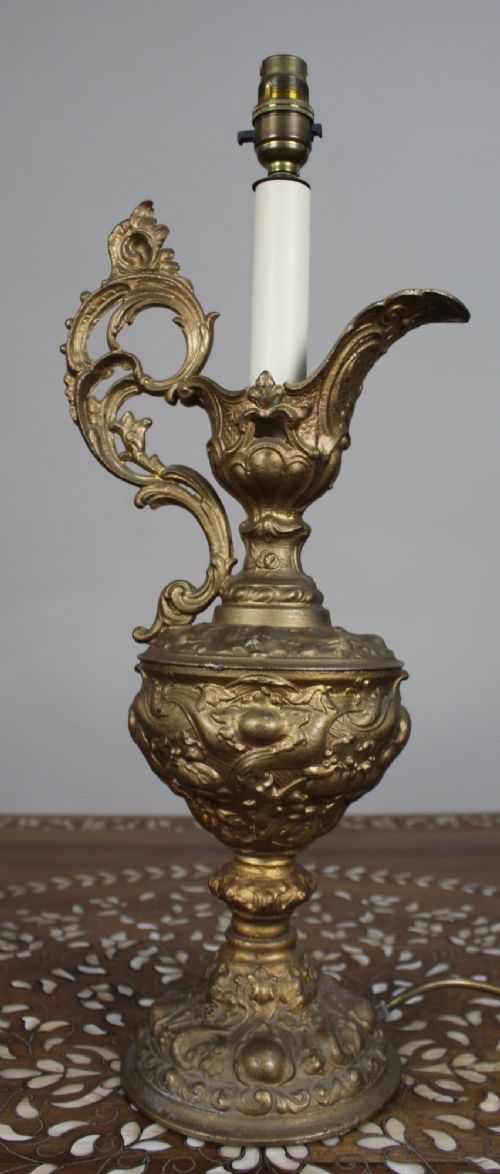
Cast bronze and ormolu mounts provide decorative accents to corners, legs and drawer fronts, fixed with traditional joinery methods. Marble tops and porcelain inserts also appear on related surfaces from the same periods.
Listings feature items from the eighteenth century up to the nineteen-twenties, incorporating walnut, mahogany, brass, ormolu and painted wood.
Assessing Quality
Quality rests upon the precision of the cabinet work, the crispness of the bronze or ormolu cast mounts and the integrity of the timber veneers. Finer examples display meticulous hand carving and balanced proportions that reflect their stylistic period.
The sophistication of the marquetry and the retention of original surface finishes distinguish superior pieces. Workshops known for high tier production achieve greater refinement in assembly and decorative hardware.
Millet·Holland + Son·Francoise Linke
The French Chateau Desk Glossary
- Ormolu
- Gilded bronze used for decorative mounts on furniture and lighting. This technique involves applying a mercury and gold amalgam to cast bronze.
- Marquetry
- Decorative veneer patterns arranged in geometric or floral designs on wooden surfaces. Craftsmen cut thin slices of contrasting timber to form pictures.
- Poudreuse
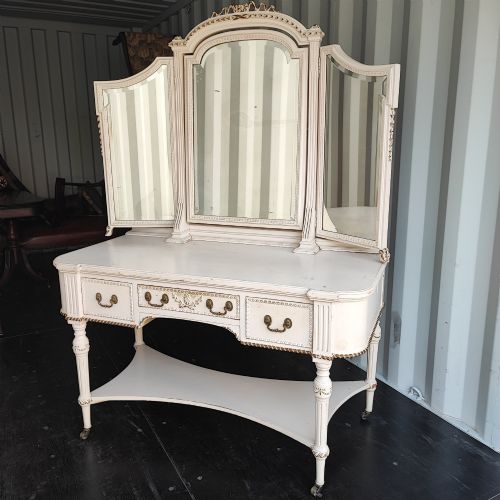
- A type of dressing table featuring folding lids and internal compartments. These items emerged during the eighteenth century and remained popular in later revival periods.
- Bureau de plat
- A freestanding writing table fitted with drawers and finished on all sides. Such desks typically feature leather or fabric inset writing surfaces.
- Fauteuil
- An open armchair with upholstered back and seat, featuring exposed wooden arms. These chairs often display carved details associated with Louis styles.
French Chateau Desk: Frequently Asked Questions
What defines a french chateau desk?
A french chateau desk is a writing table or bureau associated with grand French country houses, typically built in walnut or kingwood during the nineteenth century. These pieces often incorporate revival styling and decorative metal mounts.
They serve as functional workspace centrepieces that bring historical European character into domestic interiors.
How do I care for wooden surfaces?
Maintain timber and veneer surfaces by keeping them away from direct sunlight and heat sources to prevent cracking or fading. Use soft cloths for dusting rather than harsh chemical polishes.
Wax finishes benefit from occasional gentle re-waxing to preserve the lustre of the wood.
Are these desks suitable for daily use?
Many antique writing desks remain robust enough for regular use, provided they are treated with care. Inset leather or suede writing surfaces offer durable writing areas while protecting the wood underneath.
Consider the height and knee clearance to ensure the desk suits your chair and daily requirements.
How do I identify the period?
Dating relies on examining construction techniques, timber types and stylistic indicators such as Louis XV or Louis XVI revival motifs. Nineteenth century pieces often show hand cut joinery and distinct patination.
Maker stamps or brass plaques, when present, provide definitive clues to origin and workshop.