


French Chateau Bronze Light
A french chateau bronze light brings grand proportions and heavy metalwork into a room, offering an imposing focal point through period illumination.
French Chateau Bronze Light
The french chateau bronze light category covers large overhead fixtures and wall-mounted pieces designed for high-ceilinged interiors. These items emerge primarily from the nineteenth century and the early decades of the twentieth century.
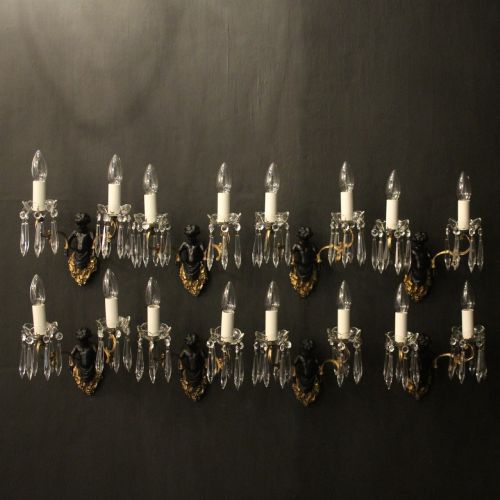
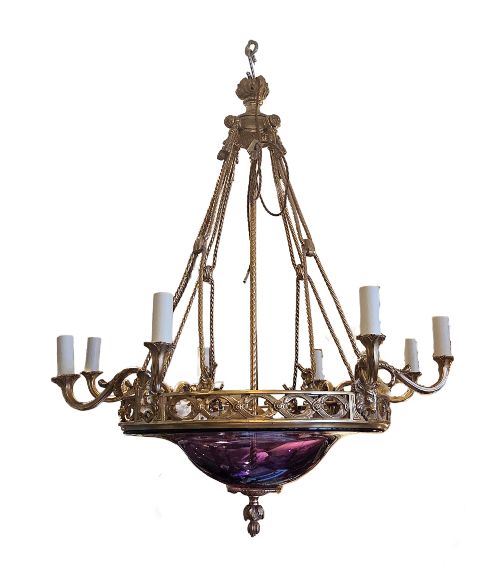
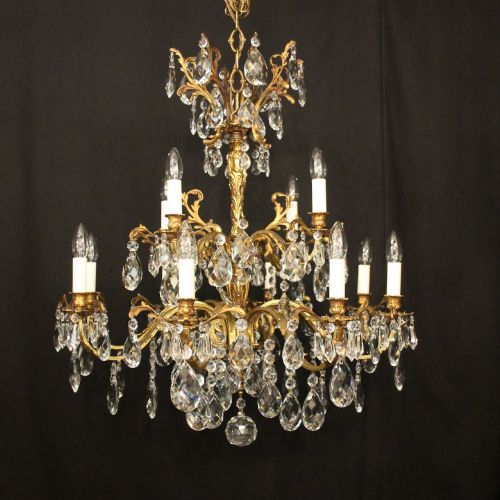
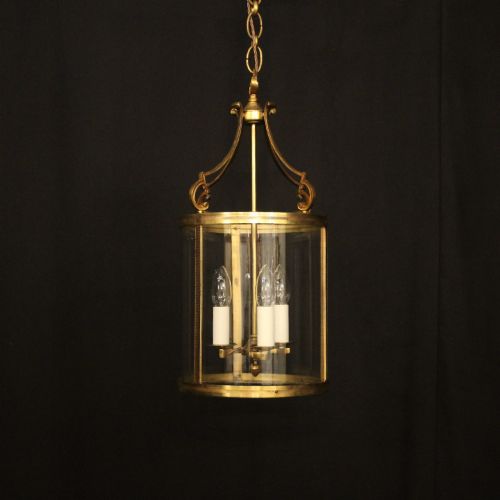
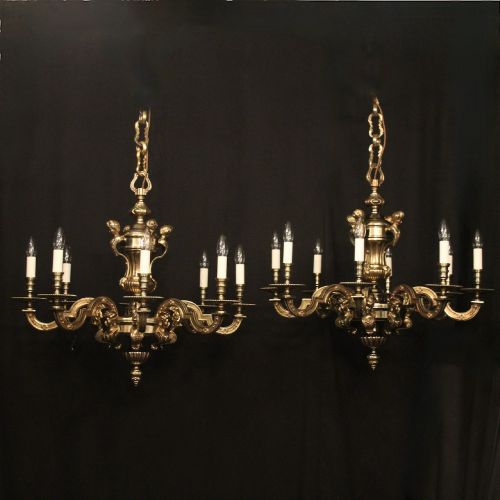
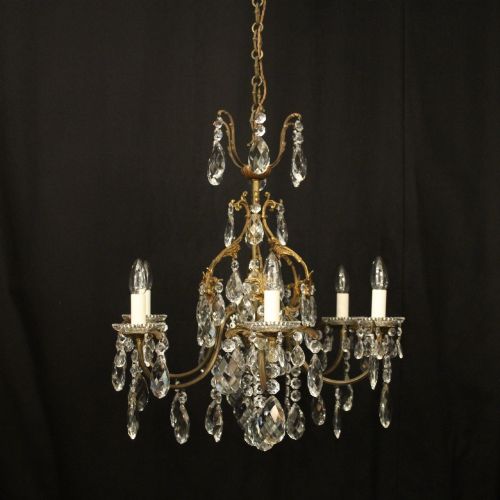
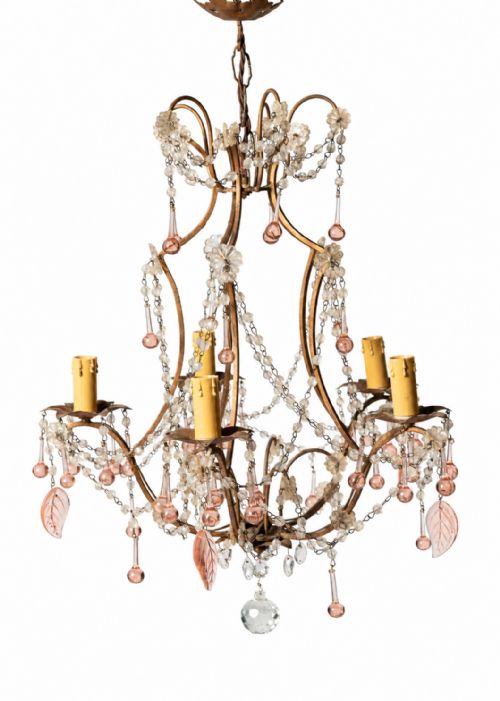
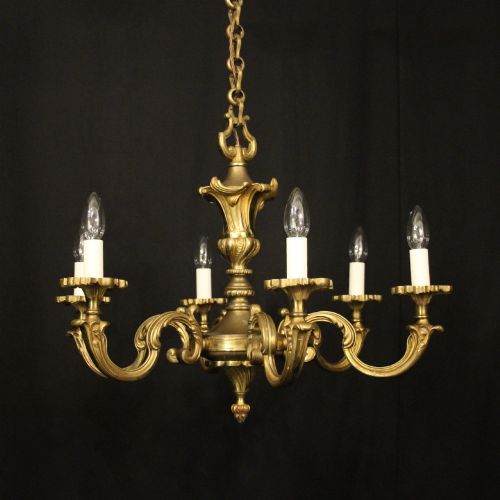
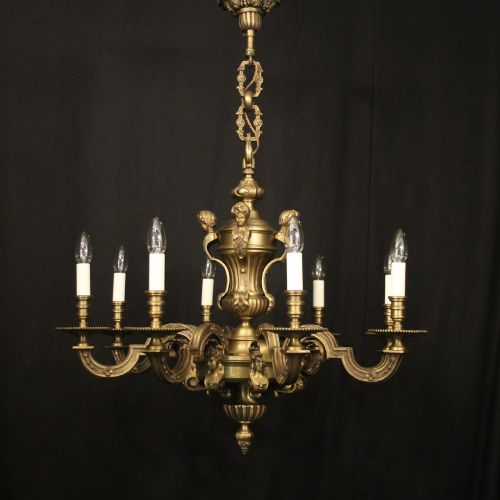
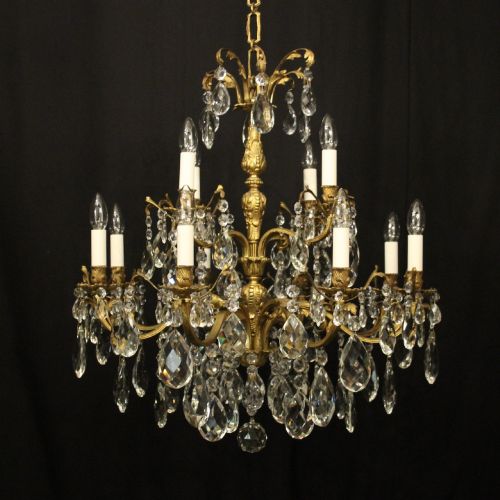
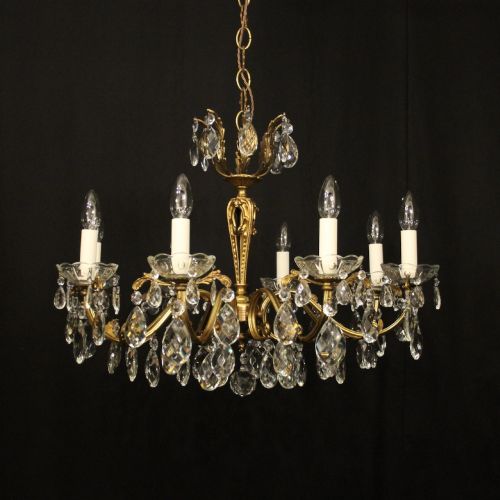
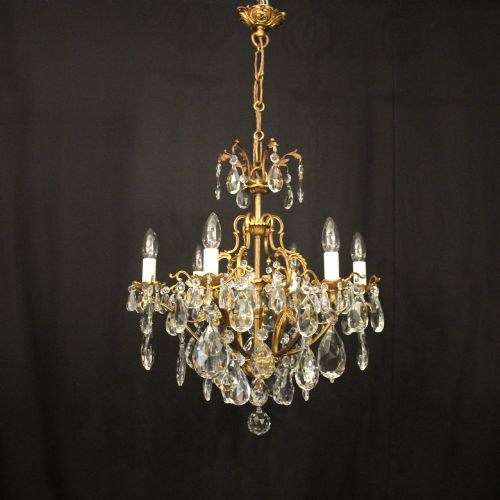
Chandeliers dominate the selection, spanning from six lights up to large multi-arm formats holding sixteen bulbs. Buyers also encounter wall sconces, lanterns, table lamps, and candelabras reflecting established decorative styles.
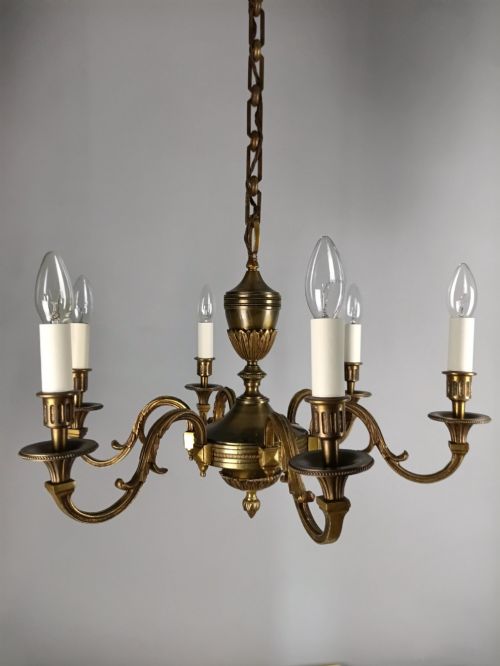
Stylistic influences lean heavily on French Rococo and Louis XVI designs, incorporating ornate metalwork alongside classical symmetry. Most examples originate from French workshops spanning the 1860s through to 1930.
How they were made
Metal structures rely on bronze, brass, and gilt bronze, often finished with ormolu mercury gilding or silver plating to achieve a luminous surface. Foundries cast these components with intricate botanical motifs, ribbons, and scrollwork.
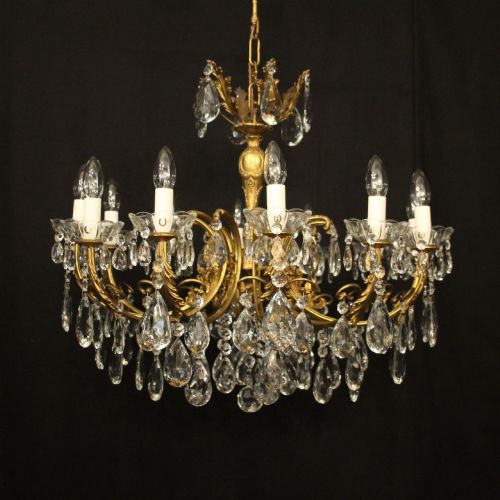
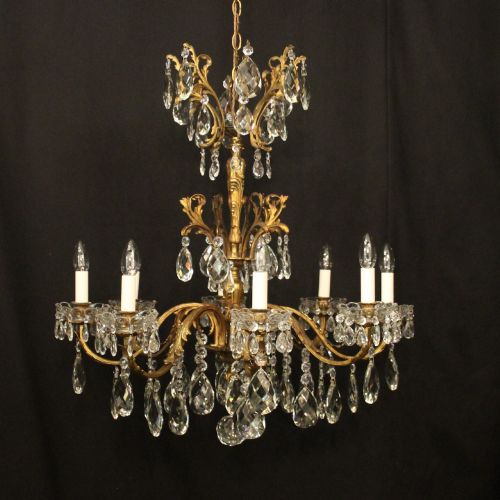
Glass elements include moulded crystal drops, pendants, and faceted beads suspended from the metal frames to refract light. Hall lanterns utilise convex glass panels fitted tightly into heavy brass or bronze framing.
French Chateau Bronze Light Retail Price Guide 2026
Typical asking prices for french chateau bronze light among the pieces listed under this phrase on Sellingantiques today, from the lower quarter to the upper quarter. They describe what is for sale here now, not the wider market.
Listings feature items spanning from the 1860s to 1930, uniting French Rococo and Louis XVI styles across brass, bronze, crystal, and marble.
What varies in quality
The precision of the metal casting dictates the crispness of acanthus leaves, ribbons, and figural mounts. Finer pieces display hand-chased surface details that sharpen the cast ornamentation after it leaves the mould.
The quantity, cut, and clarity of the crystal components define the visual brilliance of the fixture. Heavy hand-cut drops demonstrate superior light refraction compared to simpler pressed glass alternatives.
The French Chateau Bronze Light Glossary
- Ormolu
- Gilded bronze produced by applying a mercury and gold amalgam to the metal surface before firing. This technique creates a durable, warm metallic lustre characteristic of luxury French fixtures.
- Tent and waterfall
- A chandelier configuration where strings of crystal beads form an upper conical tent above a cascading shower of drops. This arrangement maximises crystal surface area to catch interior light.
- Rococo revival
- A nineteenth-century design movement resurrecting eighteenth-century asymmetrical scrollwork, C-scrolls, and naturalistic shell motifs. It forms the basis of many decorative wall lights and sconces.
- Louis XVI style
- An aesthetic defined by classical restraint, straight lines, symmetry, and architectural elements such as fluting and urns. It contrasts with the curved exuberance of earlier decorative periods.
- Hall lantern
- An enclosed hanging light designed for corridors or entrance spaces, featuring glass panels held within a decorative metal framework. These pieces often incorporate convex glass to diffuse illumination.
French Chateau Bronze Light: Frequently Asked Questions
How do I clean the crystal?
Remove accessible crystal drops and wash them gently in warm soapy water using a soft cloth. Dry each piece thoroughly before rehanging to restore maximum brilliance.
Leave delicate or wired components in place and wipe them carefully with a dry microfiber cloth. Avoid harsh chemical sprays that might damage the underlying metal finish.
Are these lights rewired for modern homes?
Many surviving fixtures arrive updated with modern electrical wiring suitable for standard domestic installation. Electricians can easily adapt older fittings to meet current safety standards.
Check the internal lampholders and wiring pathways during installation. Professional fitting ensures the heavy bronze structure hangs securely from ceiling joists.
How do I date a bronze light?
Examine the casting quality, fastening methods, and the style of the decorative mounts. Nineteenth-century pieces typically display hand-finished chasing on the metalwork.
Twentieth-century reproductions or later adaptations often use standardised machine-threaded screws and simpler casting techniques. Comparing the motifs to Louis XVI or Rococo design books helps narrow the era.
Where should I hang a large chandelier?
Large multi-arm chandeliers require high ceilings and robust structural support to bear their considerable weight. Dining rooms, entrance halls, and drawing rooms provide ideal proportions.
Ensure the bottom of the fixture clears walking height while remaining a central visual anchor. Wall sconces placed nearby help balance the illumination in expansive spaces.