



French Chateau Accent Lamp
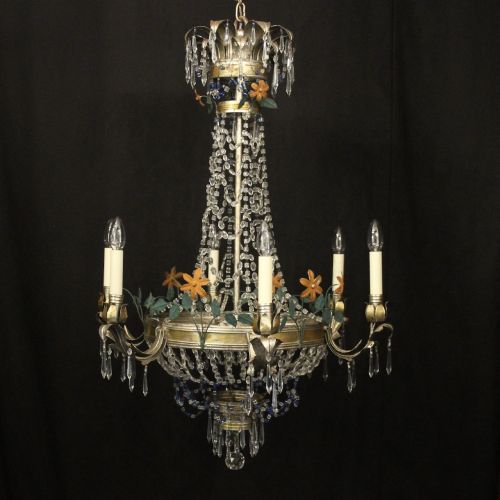
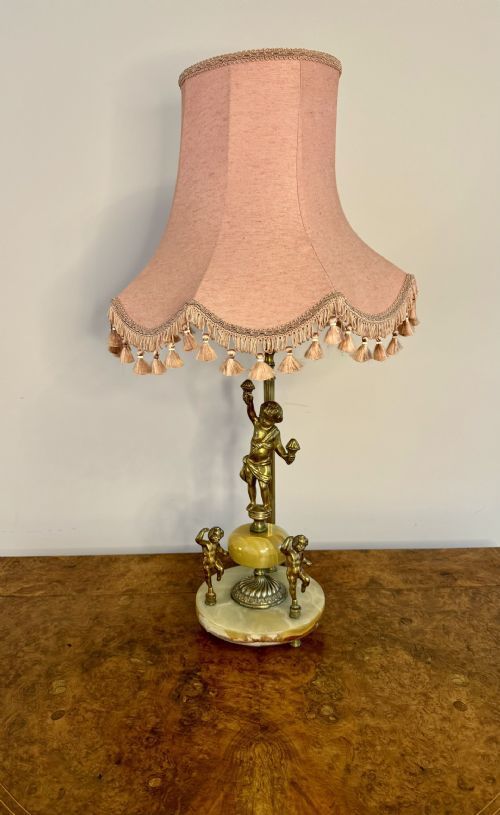
These pieces sold as a french chateau accent lamp bring continental warmth and period detail to a room.
French Chateau Accent Lamp
A french chateau accent lamp captures the decorative character of historic houses through lighting and occasional furniture pieces. Buyers searching this phrase encounter table lamps, side tables, and occasional tables that bring period presence into an interior.
The selection on this page draws from the nineteenth century, Edwardian era, and Victorian periods, alongside specific decades such as eighteen eighty to nineteen twenty. Table lamps and small side or lamp tables form the core of what appears here.
Stylistic influences range across Rococo Revival, Louis XVI style, Neoclassical, Baroque, and French Provincial designs. These forms reflect European decorative arts traditions adapted for domestic illumination and surface use.
How they were made
Construction relies on traditional materials including marble, brass, gilt bronze, giltwood, porcelain, and painted wood. Artisans worked with cast bronze, gesso, and carved timber to build structural forms and decorative mounts.
Surface decoration frequently involves gilding, painting, and detailed metal casting. Lamps often incorporate converted vases or ewers paired with metal bases, while tables utilise marble tops and carved wood.
French Chateau Accent Lamp Retail Price Guide 2026
Typical asking prices for french chateau accent lamp among the pieces listed under this phrase on Sellingantiques today, from the lower quarter to the upper quarter. They describe what is for sale here now, not the wider market.
Object types include table lamps, side tables, and occasional tables executed in Rococo Revival and Louis XVI styles.
What varies in quality
Quality shows in the weight and crispness of cast bronze, gilt metal, and carved details. Pieces with finely chased mounts and genuine marble or porcelain components demonstrate superior craftsmanship compared to simpler iterations.
The integration of materials also defines the tier of a piece, such as heavy brass and marble combinations versus lighter painted woods. Original conversions and cohesive period styling separate standard examples from finer items.
The French Chateau Accent Lamp Glossary
- Gilt bronze
- Copper alloy coated with a thin layer of gold. It appears frequently on nineteenth-century mounts and lamp bases.
- Rococo Revival
- A nineteenth-century design style reviving eighteenth-century asymmetry and scrollwork. It shapes many of the decorative table lamps seen here.
- Occasional table
- A small, movable table designed for specific, intermittent use. Several examples function directly as lamp tables.
- Ewer
- A large jug with a wide spout, historically used for water. Certain examples in these listings have been converted into lamp bases.
- Gesso
- A plaster-like mixture applied to wood surfaces as a base for gilding or painting. It provides a smooth ground for decorative carving.
French Chateau Accent Lamp: Frequently Asked Questions
What is a french chateau accent lamp?
It is a descriptive term for antique lighting and small furniture pieces reflecting continental European interior styles. These items typically date from the nineteenth or early twentieth century.
They combine decorative metals, ceramics, and carved wood to create focal points for tables and side surfaces.
How were these lamps used historically?
Such pieces provided localized illumination in reception rooms, parlours, and bedrooms of large homes. Many began as decorative vases or ewers before later conversion into electrical lamp bases.
Small matching tables often served to hold these lamps or provide surfaces for books and small objects.
How do I style them today?
These lamps and tables work well on sideboards, side tables, or desks where they add height and metallic warmth. Pairing them with simple shades lets the antique base remain the primary visual feature.
They integrate easily into traditional interiors as well as modern rooms needing a touch of historic character.
How can I tell the periods apart?
Victorians and Edwardians favored specific revivals, combining heavier cast bronze with classical motifs like those seen in Neoclassical designs. Pieces from the eighteen eighties and nineties often display intricate floral or scroll casting.
Later items from the early twentieth century lean towards cleaner painted wood and simpler occasional table forms.