




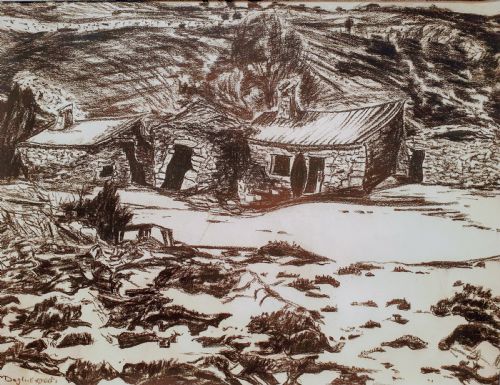

French Charcoal Sketch
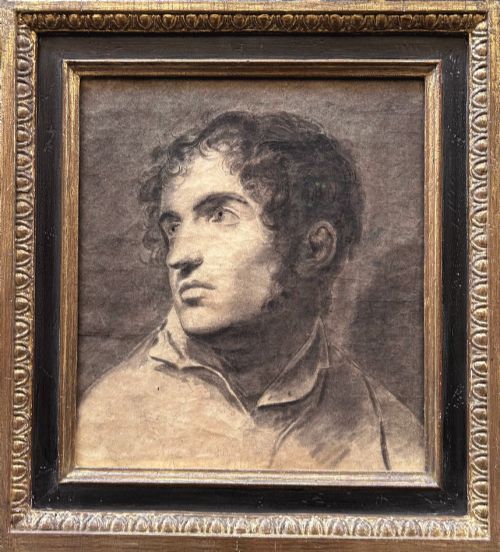
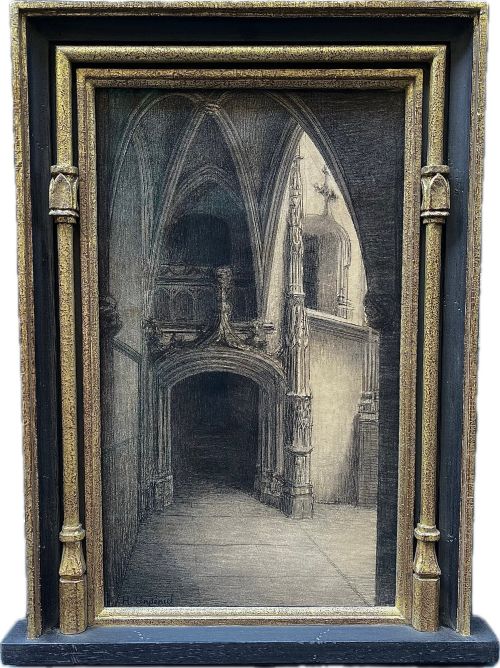
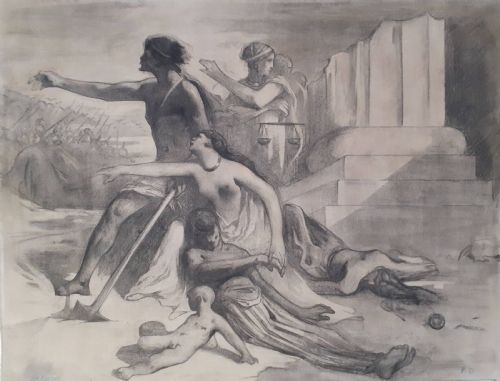
These pieces of french charcoal sketch capture the direct hand of the artist on paper through rapid line and tone.
French Charcoal Sketch
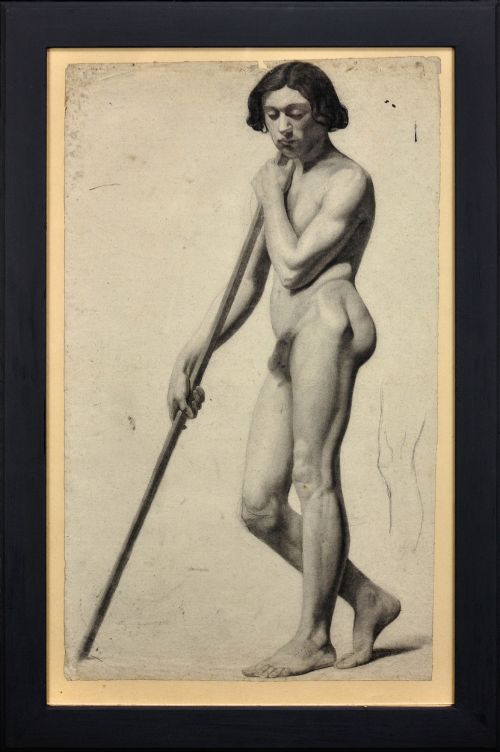
A french charcoal sketch presents original works on paper spanning from the nineteenth century into the mid twentieth century. Buyers encounter academic life studies, portraits, and landscape scenes created within the French tradition.
The selections on this page feature framed drawings executed in charcoal, graphite, chalk, and toned paper. Portraiture and figurative studies dominate the earlier periods, while later works turn towards landscapes and cubist compositions.
Materials and technique
Artists executed these works on paper using charcoal, graphite, and chalk, frequently applying highlights to toned surfaces to build depth and contrast. Many of these drawings are preserved in period wooden and giltwood frames.
The technique relies on direct draughtsmanship, ranging from the tight anatomical precision of academic life studies to the looser, atmospheric strokes found in landscape and avant-garde pieces.
Listings feature paper, charcoal, graphite, chalk, and giltwood across nineteenth and twentieth century periods.
Separating top examples from ordinary ones
Quality rests in the sureness of the draughtsman's line and the expressive weight of the shading. Stronger pieces reveal confident anatomical understanding or atmospheric command, whereas weaker examples rely on stiff, formulaic hatching.
Provenance and documented attribution elevate certain works, particularly those tied to named nineteenth-century practitioners or recognised museum artists. The preservation of the original paper and framing further distinguishes superior works from standard period sketches.
Henri Charles Angéniol·Henry Arthur Roberts·Pierre-Paul Prud'hon·Demetrios Galanis·Theobald Chartran·Henri Joseph Harpignies·Cecil CP Lawson
The French Charcoal Sketch Glossary
- Academic Realism
- A style of painting and drawing produced under the influence of European academies of art, emphasising precise anatomical accuracy and classical finish.
- Barbizon School
- A movement toward naturalism in art, named after a French village where painters gathered to study landscape directly from nature.
- Deux crayon
- A drawing technique utilising two coloured chalks or pencils, typically black and white or red and black, on toned paper to create highlights and shadows.
- Giltwood
- Wood that has been coated with gold leaf or a gold-coloured finish, commonly used for period picture frames.
French Charcoal Sketch: Frequently Asked Questions
How should I frame an antique drawing?
Protect the paper by using conservation-grade mounting materials that keep the surface from touching the glass directly. Ultraviolet-filtering glass helps prevent the charcoal and chalk from fading under direct light.
Choose simple wood or period frames that complement the tone of the paper without overpowering the draughtsmanship. Ensure the backing board is acid-free to maintain the longevity of the sheet.
What is an academic life study?
An academic life study is a detailed drawing of a human model, usually nude, produced as a core part of traditional artistic training in nineteenth-century academies. These works prioritized rigorous proportion, anatomy, and tonal modeling.
Artists used these sessions to master the human form before undertaking large-scale oil paintings. Consequently, surviving studies offer a direct view into the foundational skills of the period.
What distinguishes toned paper?
Toned paper provides a mid-value background instead of plain white, allowing the artist to build up dark shadows with charcoal and pull out bright highlights with white chalk. This method accelerates the rendering of form and adds atmospheric depth.
Drawings on tinted or grey papers are particularly characteristic of nineteenth-century academic and realist sketching practices. The colour of the paper often deepens with age, contributing to the overall visual tone.