


Original Charcoal Art
Original charcoal art captures the direct touch of the hand through monochrome tones, offering expressive portraits and landscapes from the nineteenth and twentieth centuries.
Original Charcoal Art
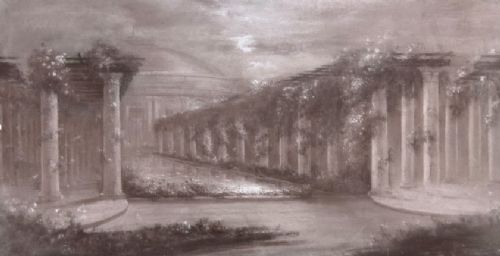
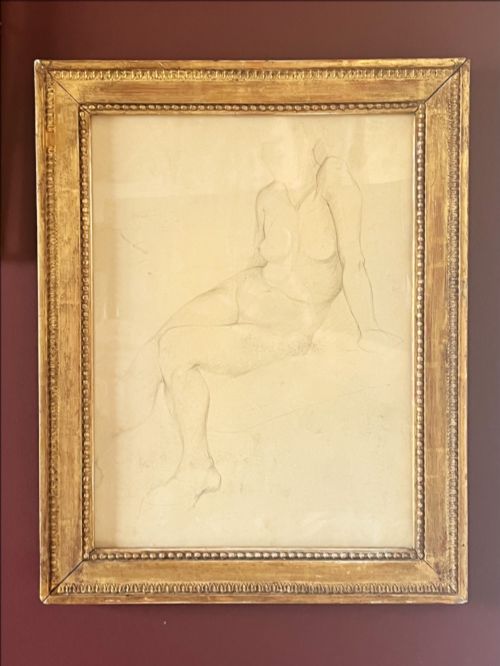
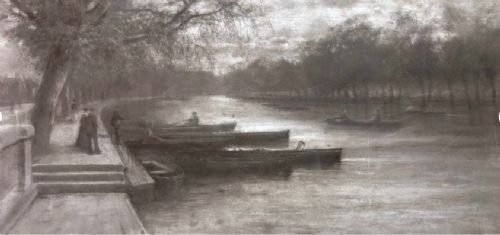
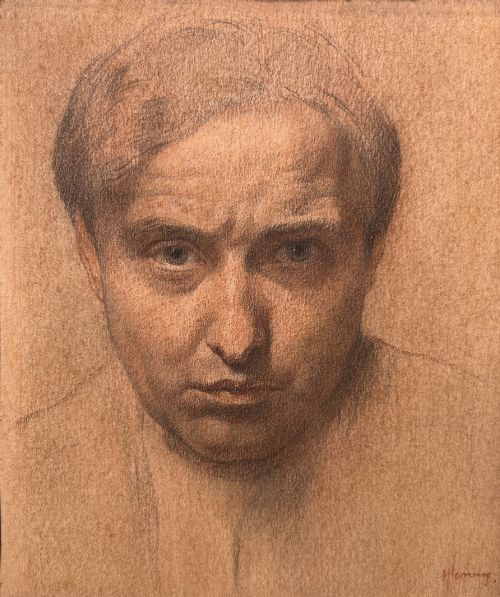
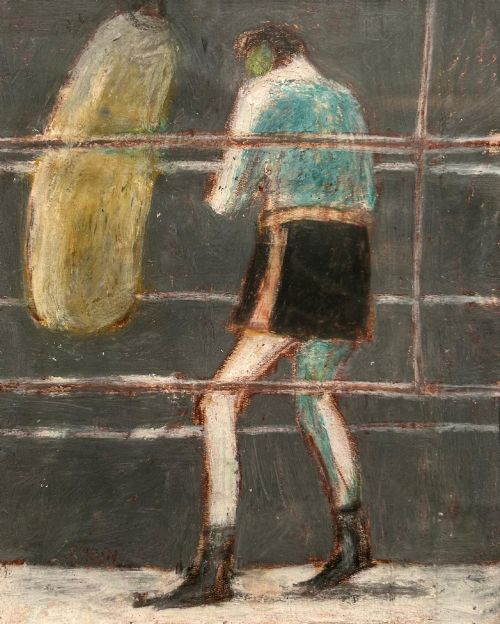
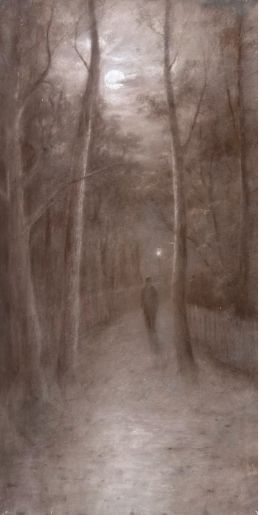
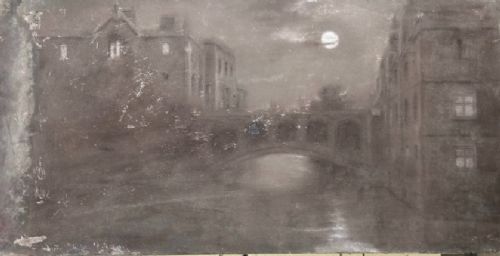
Original charcoal art encompasses hand-drawn works on paper or canvas, capturing subjects ranging from academic life studies to atmospheric British and French landscapes. These pieces span the nineteenth century through the 1960s, reflecting shifts from Victorian realism to modern British and Art Deco movements.
Buyers frequently encounter framed portrait studies and landscape sketches influenced by tonalist traditions. Works often incorporate mixed mediums such as chalk, pastel, and graphite alongside the primary charcoal medium.
The selection includes both intimate studio sketches and large-scale academic drawings. Pieces range from anonymous school works to signed compositions by established artists.
Materials and Techniques
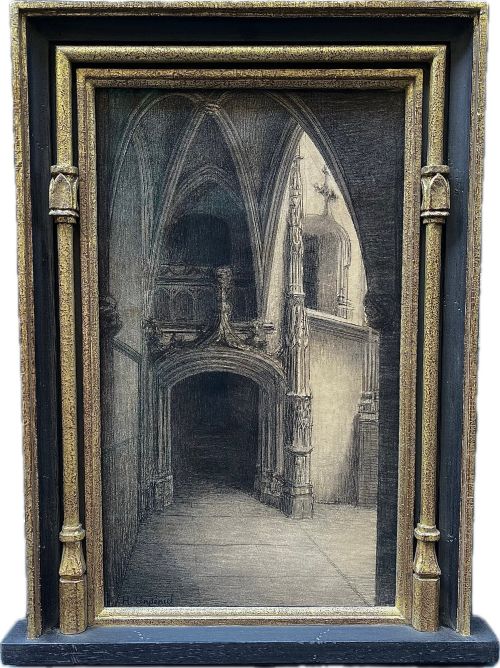
Artists created these works primarily using charcoal sticks on paper supports, sometimes utilising canvas stretchers for larger compositions. The fragile nature of the carbon medium meant that protective glass and wooden or giltwood frames were essential for preservation.
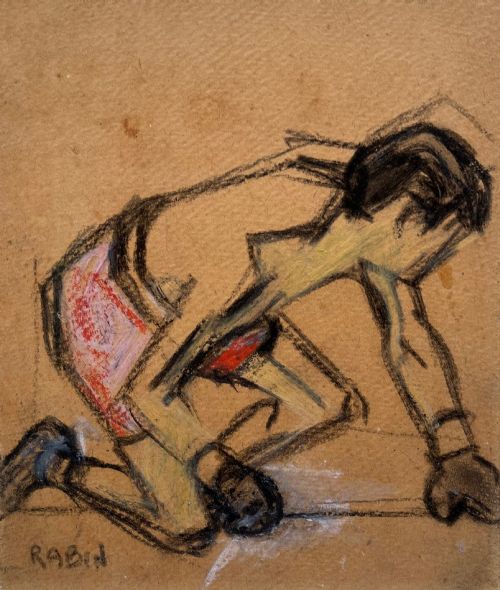
Draftsmen frequently combined charcoal with graphite, chalk, and pastel to build tonal depth and highlights. This multi-medium approach allowed for varied textures, from soft atmospheric haze in landscapes to sharp definition in figure studies.
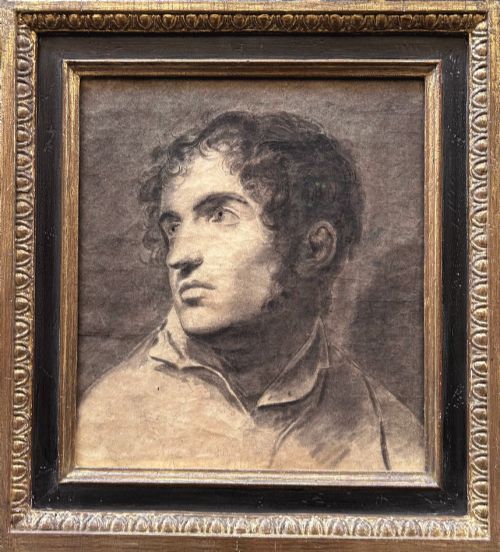
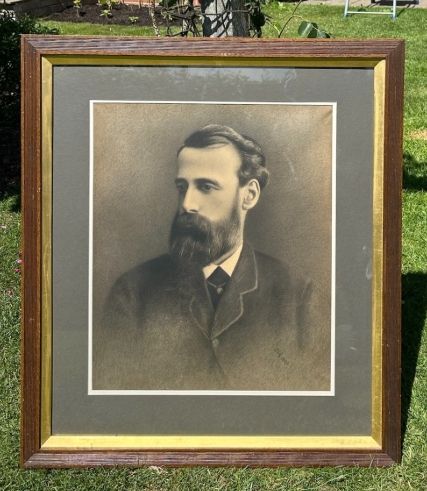
Several Victorian gentlemen stare sternly from their frames, refusing to smile for the charcoal artist.
Distinctions in Quality
Quality rests upon the sureness of the draughtsmanship and the artist's command of light and shadow. Superior examples demonstrate confident handling of tone that brings form and atmosphere to life without unnecessary reworking.
The condition of the paper and the integrity of the framing contribute significantly to a piece's standing. Strong works retain their deep blacks and subtle grey gradations without excessive fading or paper degradation.
Samuel Rabin·Demetrios Galanis·J D Fergusson·Frank Dobson·John Macallan Swan
The Original Charcoal Art Glossary
- Academic Realism
- A style of painting and drawing produced under the influence of European academies of art. It emphasises precise anatomy, accurate perspective, and polished finish.
- Tonalism
- An artistic style that emerged around the late nineteenth century where artists painted or drew forms by emphasising overall tone and atmosphere rather than sharp outlines.
- Life Study
- A drawing or painting of a human figure from a live model. These exercises formed the backbone of traditional art training.
- Giltwood
- Wood that has been covered with a thin layer of gold leaf or gold paint. Antique frames utilising this finish frequently accompany period drawings.
Original Charcoal Art: Frequently Asked Questions
What is a life study?
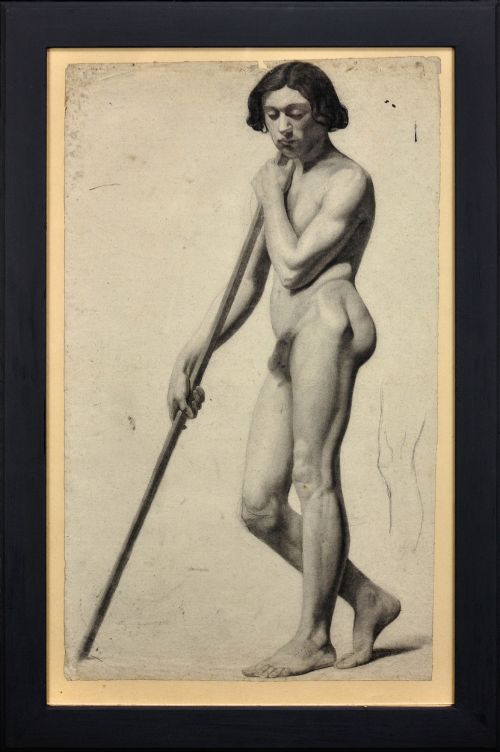
A life study is an artwork created by observing a live nude or clothed model directly. These pieces record the artist's study of human anatomy and proportion.
Such drawings often show rapid, expressive mark-making as the artist captured posture and gesture in real time.
How do I identify a Victorian charcoal drawing?
Victorian drawings often feature academic realism, heavy dark tones, and subjects like historical figures, landscapes, or formal portraits. Paper stock from this era frequently displays period watermarks or heavier ageing.
Stylistic influences from the nineteenth century tend to prioritize narrative clarity and precise anatomical rendering.
Can charcoal art include other mediums?
Artists frequently combined charcoal with chalk, pastel, graphite, and watercolour washes on the same sheet. These mixed-medium pieces allowed creators to add highlights and subtle colour tints to monochrome drawings.
Checking the listings reveals how chalk was often used for bright lights on darker paper.