




French Ceramic Table Lamps
French ceramic table lamps bring together painted porcelain bodies and cast metal mounts, offering an illuminating piece of interior history for the home.
French Ceramic Table Lamps
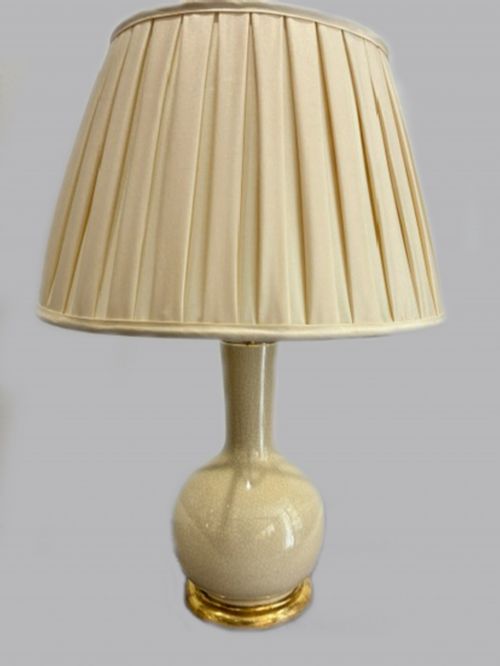
When you search for french ceramic table lamps, you encounter vessels created across the nineteenth and twentieth centuries, often converted from earlier vases, oil lamps or lidded jars. Many examples combine porcelain or faience bodies with metal bases and mounts, spanning styles from Neoclassical and Chinoiserie to Art Deco.
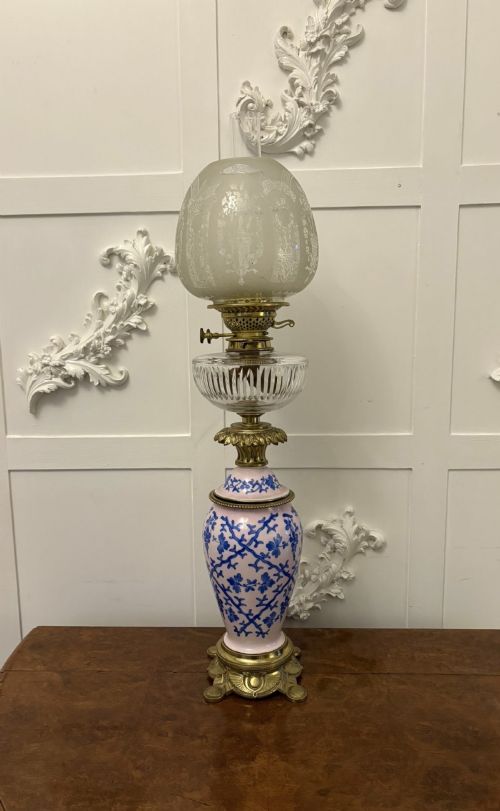
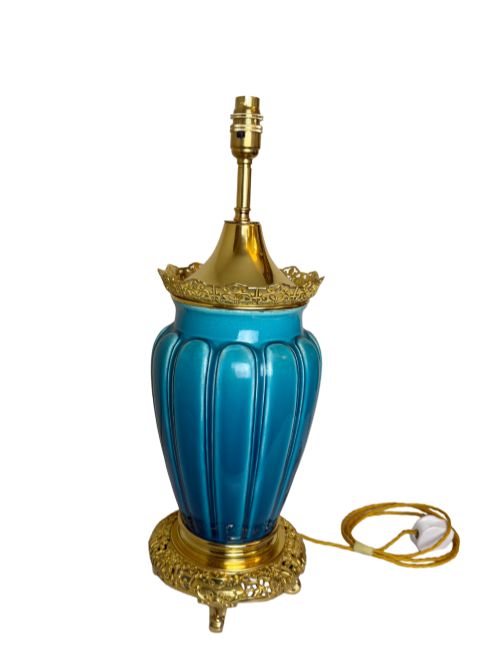
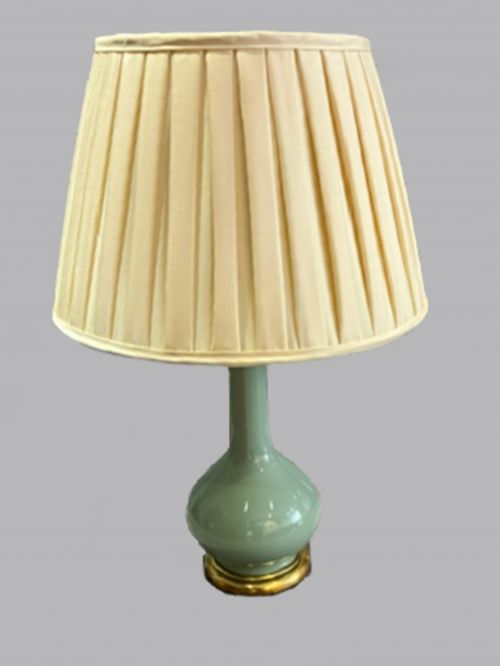
The selection on this page relies heavily on nineteenth century production, particularly Paris porcelain, Sèvres style wares and Samson copies. Forms range from petite turquoise ginger jars and celadon vases to large oil lamps fitted with brass or ormolu hardware.
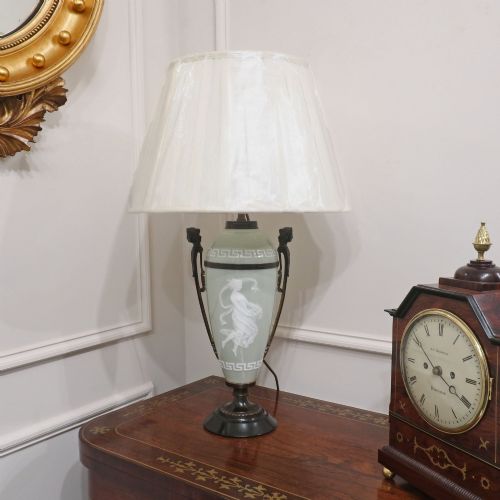
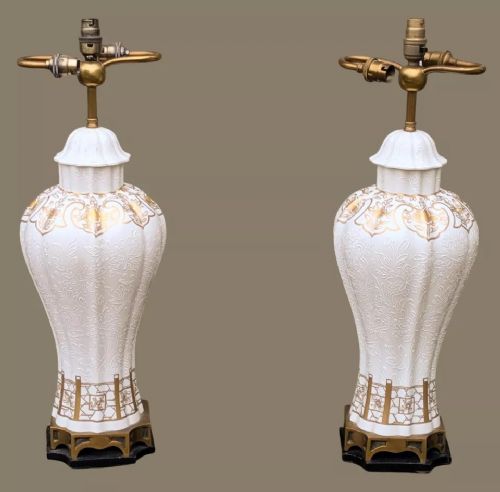
Makers and decorators utilised diverse regional traditions, incorporating hand painted floral motifs, crackle ware glazes and pate sur pate techniques onto ceramic surfaces. These pieces frequently integrate orientalist designs, reflecting nineteenth century European fascination with Chinese aesthetic forms.
Materials and Craftsmanship
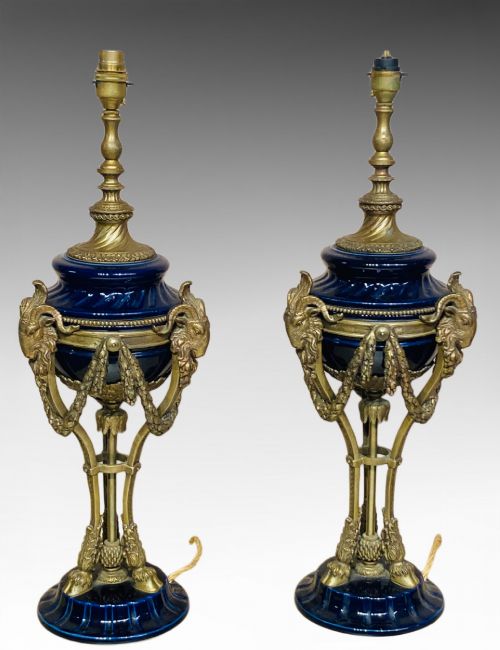
The construction of these lamps depends on the union of fired ceramic and cast metal. Porcelain, china and faience form the primary bodies, shaped as vases or oil reservoirs and decorated with glazes, enamel paints or hand applied gilt details.
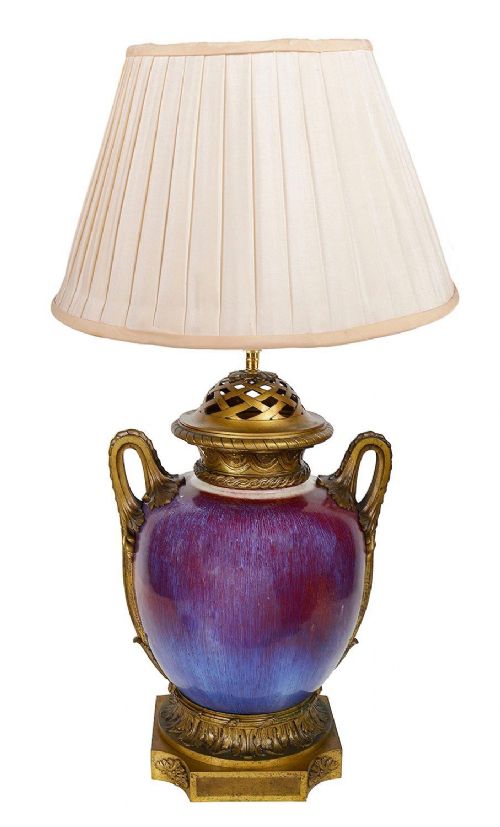
Metal mounts in ormolu, gilt bronze, brass and bronze provide structural support and decorative framing. These metal elements are cast and chased before being fitted to the ceramic bases, securing the internal wiring and hardware required for electric illumination.
The design styles represented include Art Deco, Chinoiserie, Neoclassical and Victorian aesthetics applied to various vase and oil lamp forms.
Distinctions in Quality
Quality rests upon the crispness of the ceramic moulding and the precision of the hand painted decoration. Finer examples display meticulous brushwork, vibrant glaze saturation and intentional depth within motifs like pate sur pate.
The metal mounts dictate a significant portion of the overall execution. Heavy, finely chased ormolu or gilt bronze mounts that complement the contours of the ceramic body elevate a piece above simpler brass fittings.
Argilor Paris·Gien France
The French Ceramic Table Lamps Glossary
- Pate sur pate
- A method of porcelain decoration where liquid white slip is built up in successive layers on a coloured clay ground to create a low relief cameo effect. This technique demands immense skill from the ceramic artist.
- Ormolu
- Gilded bronze mounts applied to furniture, clocks and ceramic bases. The process involves coating bronze in a mercury and gold amalgam before heating.
- Faience
- Tin glazed earthenware produced widely in France. It provides an opaque white surface suitable for hand painted polychrome decoration.
- Paris porcelain
- A term covering the output of numerous independent workshops operating in and around Paris during the eighteenth and nineteenth centuries. Known for bright gilding and fine white paste.
- Celadon
- A pale green jade like glaze originating in East Asia and later emulated by European potteries. It relies on iron oxide in the glaze reduction firing.
French Ceramic Table Lamps: Frequently Asked Questions
How were these lamps used originally?
Many items began life as oil lamps, mantel vases or lidded ginger jars before receiving conversion work for modern electricity. Oil lamps provided domestic illumination during the nineteenth century before oil and gas gave way to electric bulbs.
As conversion happened over subsequent decades, these vessels gained lamp hardware while keeping their original ceramic bodies and decorative mounts intact.
How do you date a ceramic lamp?
Dating relies on examining the ceramic body, glaze characteristics, style of painting and metal mounts. Nineteenth century pieces often show specific stylistic traits like hand painted floral panels, Samson marks or Neoclassical ormolu mounts.
Comparing the manufacturing techniques of the porcelain with known periods such as the Victorian era or Art Deco helps narrow the decade of production.
How do you care for antique ceramic lamps?
Maintenance requires gentle dusting of the ceramic body and metal mounts with a soft, dry cloth. Avoid harsh chemical cleaners that might strip the gilt highlights or damage delicate enamel hand painting.
Check the wiring periodically with a qualified electrician to ensure safety, particularly when dealing with older converted fixtures and heavy metal bases.