



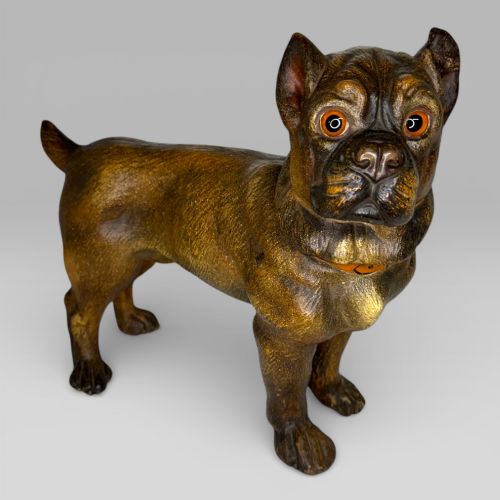


French Ceramic Sculpture
These french ceramic sculpture pieces bring tactile charm and character into a room through moulded clay, bisque, and porcelain.
French Ceramic Sculpture
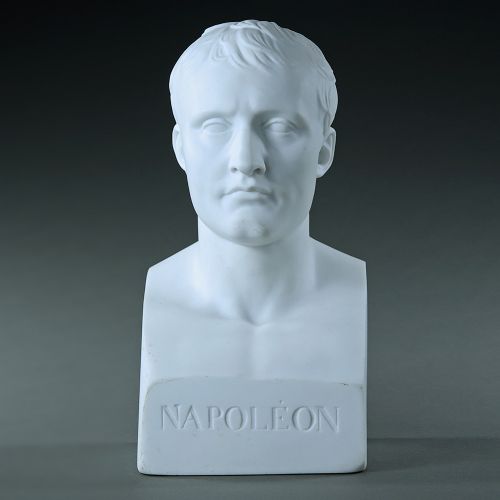
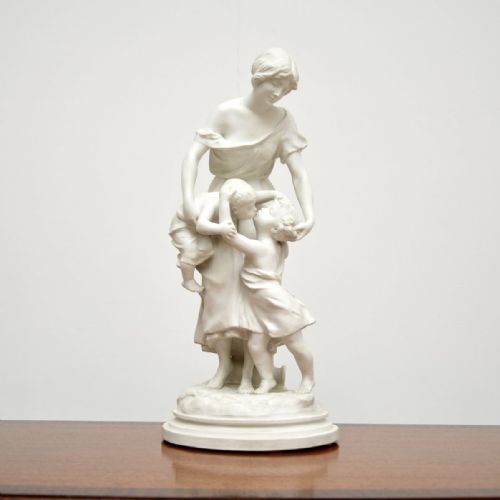
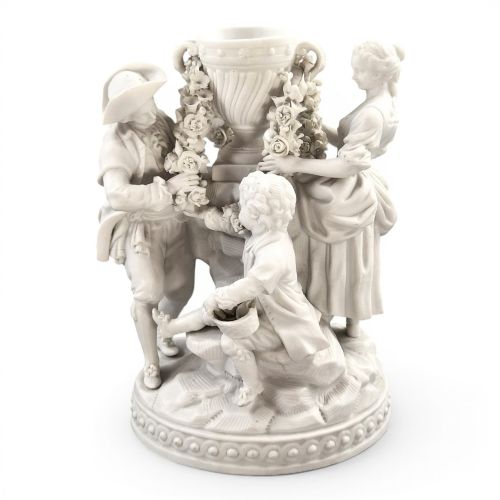
When seeking french ceramic sculpture, collectors encounter a diverse range of forms spanning figures, busts, figural groups, and lamps. The inventory encompasses nineteenth-century Romantic and Neoclassical subjects alongside twentieth-century Art Deco animals and modernist figures.
Makers from various regional workshops, including Paris factories and provincial potteries in Normandy and Quimper, contribute distinct regional styles. Pieces frequently depict mythological figures, historical portraits, domestic animals, and genre scenes created for interior display.
Materials and methods
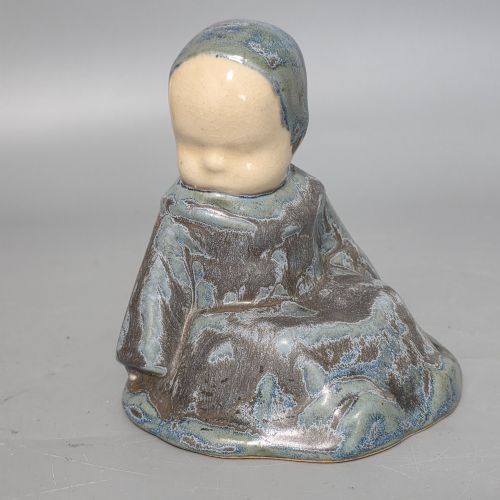
Works are formed from terracotta, hard-paste porcelain, soft-paste porcelain, and unglazed bisque, utilising moulding, slip-casting, and hand-modelling techniques. Glazes, enamel colours, gold leaf, and painted details are applied before firing in kilns to achieve the desired surface finish.
Certain objects incorporate supplementary elements such as glass eyes or electrical fittings in twentieth-century veilleuses lamps. Terracotta pieces often rely on the natural warmth of fired clay, sometimes enhanced with surface paint or slips.
French Ceramic Sculpture Retail Price Guide 2026
Typical asking prices for french ceramic sculpture among the pieces listed under this phrase on Sellingantiques today, from the lower quarter to the upper quarter. They describe what is for sale here now, not the wider market.
Listings feature works spanning the nineteenth century through the 1950s, utilising terracotta, porcelain, enamel, and glass.
Assessing quality
The degree of fine detail in the modelling separates standard decorative wares from superior sculptural works. Crisp facial expressions, delicate hand placement, and sharply defined drapery indicate superior workshop standards.
The purity of the porcelain paste, the evenness of the glaze application, and the subtlety of hand-painted polychrome or gilt accents further distinguish exceptional examples. Maker signatures and impressed factory marks also provide strong indicators of origin and execution.
Luca Madrassi·Berthe Savigny·Gilbert Privat·Vion et Baury·Georges Morin
The French Ceramic Sculpture Glossary
- Bisque porcelain
- Unglazed white porcelain fired twice to produce a matte surface resembling marble, frequently utilised for nineteenth-century portrait busts and classical figures.
- Terracotta
- Fired natural clay ranging in colour from buff to deep red, often left unglazed or painted to accentuate sculptural form.
- Soft-paste porcelain
- An artificial porcelain composition fired at lower temperatures than hard-paste, common in eighteenth and early nineteenth-century French figures.
- Veilleuse
- A ceramic nightlight or perfume burner featuring a pierced body to allow light from an internal candle or bulb to illuminate the room.
- Animalier
- Artworks focused on the realistic depiction of animals, produced extensively by European sculptors during the nineteenth and twentieth centuries.
French Ceramic Sculpture: Frequently Asked Questions
What materials are French ceramic sculptures made from?
Pieces are commonly formed from terracotta, bisque porcelain, and standard glazed porcelain. Some works incorporate applied enamel, paint, and gold leaf highlights.
Twentieth-century examples occasionally utilise mixed media such as glass eyes or integrated lamp fittings.
How do I identify the period of a sculpture?
Stylistic indicators such as Neoclassical drapery, nineteenth-century Romantic detailing, or geometric Art Deco lines help determine age. Maker marks, factory stamps, and signatures provide more precise dating.
Material composition also offers clues, as soft-paste porcelain and unglazed bisque were favoured in specific eras.
Where were these sculptures produced in France?
Production centres include major urban manufactories in Paris, Sèvres, and Limoges, alongside regional potteries. Provincial workshops in Normandy and Quimper also created distinctive local earthenware figures and roof tiles.
Many pieces reflect the specific artistic traditions of these regional hubs.
How should I display ceramic sculptures at home?
Sturdy tables, mantelpieces, or dedicated display cabinets provide stable support for heavier terracotta and porcelain figures. Positioning items away from direct foot traffic prevents accidental knocks.
Illuminated pieces like veilleuses lamps function well as accent lighting in living spaces.