


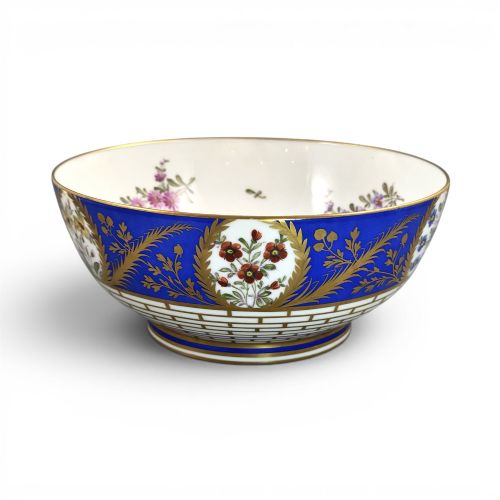


French Ceramic Centrepiece
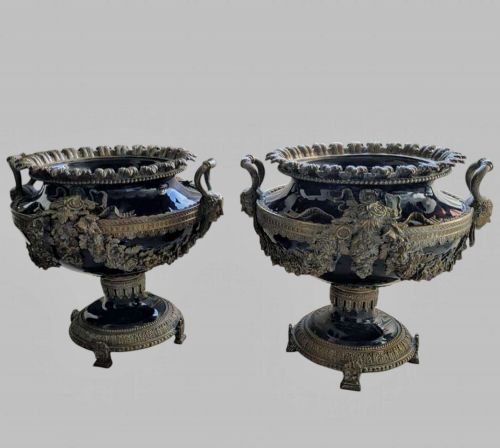
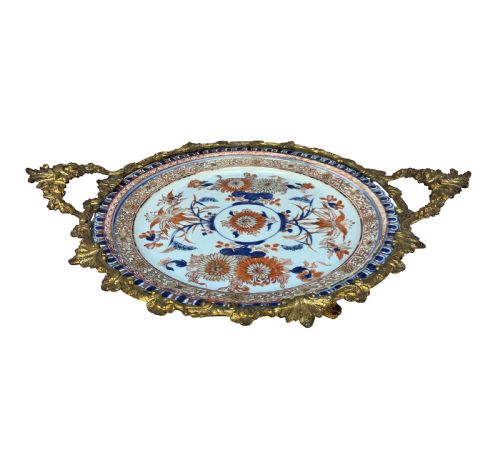
A french ceramic centrepiece brings porcelain, majolica and faience together with gilt bronze mounts to command a dining table or sideboard.
French Ceramic Centrepiece
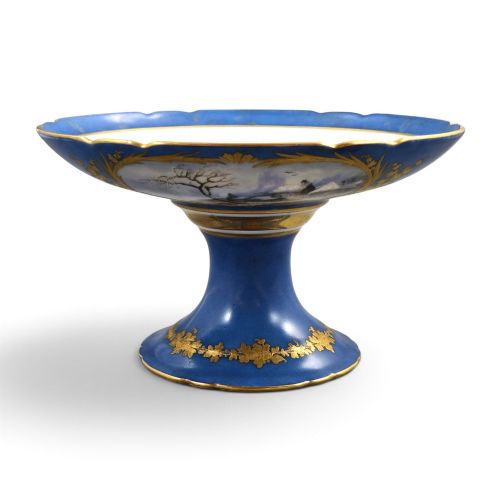
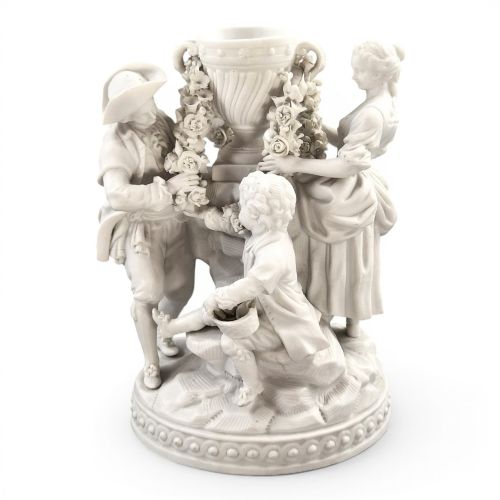
A french ceramic centrepiece takes the form of bowls, comports, tazzas, garnitures and figure groups designed to anchor a room. The items gathered here span from the eighteenth century into the art deco period, reflecting georgian, victorian and later tastes.
The version most commonly met on this page is nineteenth century porcelain decorated in the sevres style, frequently fitted with ormolu or gilt bronze mounts. Pieces range from simple basket bowls to elaborate majolica urns and lidded dishes on stands.
Makers and workshops across paris and the provinces produced these works, drawing on rococo revival, chinoiserie and armorial traditions. Each object combines ceramic bodies with metalwork or hand painted enamels to serve a decorative purpose.
Materials and construction
Potters shaped soft-paste and hard-paste porcelain, majolica and faience, applying hand painted glazes, champleve enamel and gold leaf. Biscuit porcelain provided unglazed sculptural surfaces for figure groups and allegorical details.
Metalworkers cast ormolu and gilt bronze mounts to cradle, frame and elevate the ceramic bodies. These bronze fittings were secured with pins or screws, anchoring handles, feet and rims to the porcelain vessels.
French Ceramic Centrepiece Retail Price Guide 2026
Typical asking prices for french ceramic centrepiece among the pieces listed under this phrase on Sellingantiques today, from the lower quarter to the upper quarter. They describe what is for sale here now, not the wider market.
A ceramic pheasant by Le Manceau stands ready to guard the dining arrangements.
Judgements of quality
Quality rests in the crispness of the porcelain modelling and the hand painting of the glaze. Finer pieces display sharply defined facial expressions on figures and deeply saturated blue or polychrome grounds.
The metalwork tells its own story through the weight and chisel work of the ormolu mounts. Finer centrepieces unite the ceramic and the bronze mount into a coherent piece where the metal conforms exactly to the contours of the bowl or dish.
Edm e Samson·Le Manceau·Samson Of Paris
The French Ceramic Centrepiece Glossary
- Comport
- A decorative footed dish or bowl raised above the table surface, used for serving fruit or sweets. These items often feature sevres style decoration.
- Ormolu
- Gilt bronze mounted onto furniture and ceramics, providing ornamental handles, feet and rims. The technique involves applying a mercury and gold amalgam to bronze.
- Majolica
- Tin-glazed earthenware decorated with opaque coloured glazes, popular during the nineteenth century. It yields rich greens, blues and ochres.
- Tazza
- A small shallow bowl or saucer mounted on a stem and foot. They appear in porcelain with blue grounds or gilt highlights.
- Champleve
- An enamelling technique where troughs are dug into metal and filled with vitreous paste before firing. This method appears on mounts accompanying nineteenth century porcelain.
French Ceramic Centrepiece: Frequently Asked Questions
How do I style a french ceramic centrepiece?
Place the bowl or comport in the middle of a large dining table or upon a prominent sideboard where the gilt bronze mounts catch the light. Keep surrounding objects minimal to let the painted porcelain and ormolu draw the eye.
Allow sufficient clearance around footed dishes and garniture sets so their sculptural forms remain unobstructed by other tableware.
What periods do these centrepieces cover?
The pieces span from the eighteenth century through the georgian and victorian eras up to nineteen twenty. Nineteenth century examples dominate the selection, particularly items influenced by sevres designs.
Earlier eighteenth century pieces feature soft-paste porcelain and chinoiserie figure groups, while later works include art deco ceramics and majolica faience.
How are porcelain and ormolu cleaned?
Dust the ceramic surfaces gently with a soft dry brush and wipe porcelain with a damp cloth only if necessary. Avoid harsh chemical cleaners that might damage hand painted enamel or gold leaf.
Treat gilt bronze mounts with equal care, using a dry microfiber cloth to remove dust without disturbing the mercury gilding or patination.
What is the difference between sevres and sevres style?
Pieces attributed directly to sevres originate from the historic french royal porcelain manufactory. Items bearing the sevres style designation were produced by other factories, such as samson of paris, emulating those royal forms.
Both categories utilise similar paste bodies, gilt bronze mounts and decorative blue grounds, though nineteenth century revival pieces often bear imitation marks.