


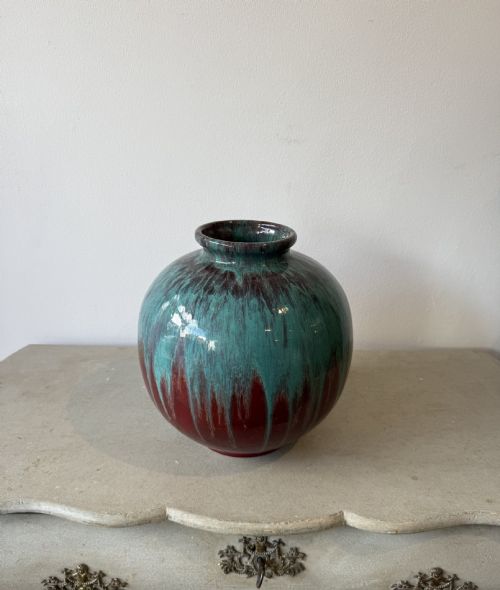


French Ceramic Art
French ceramic art brings together hand-painted faience, glazed earthenware, and porcelain spanning from the nineteenth century into the twentieth.
French Ceramic Art
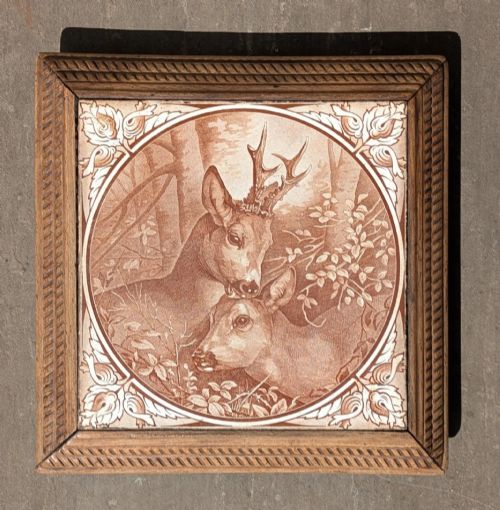
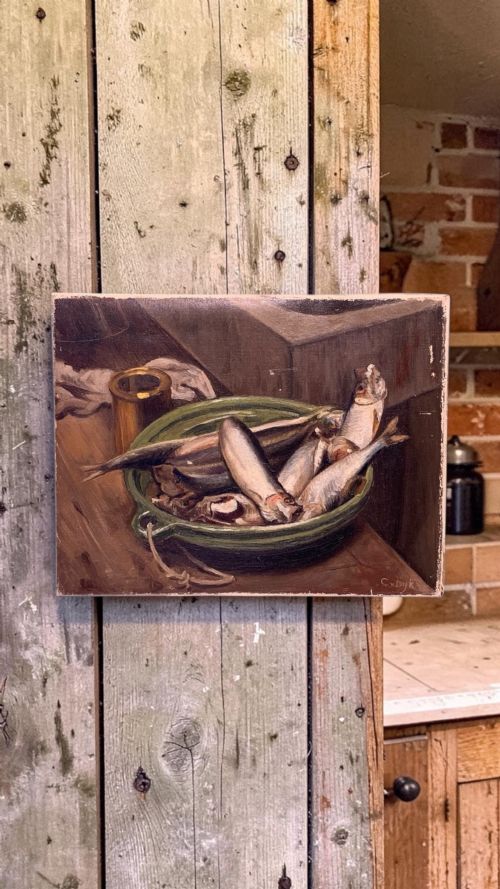
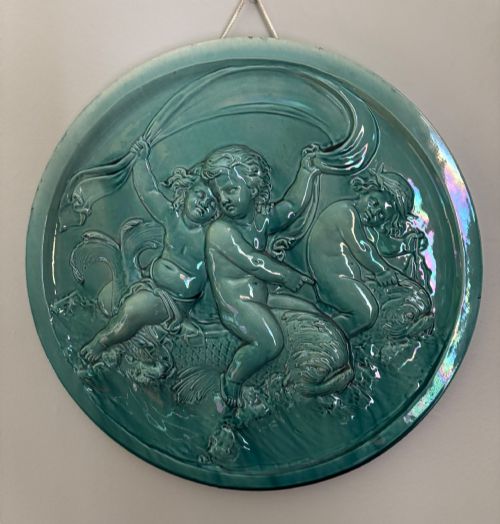
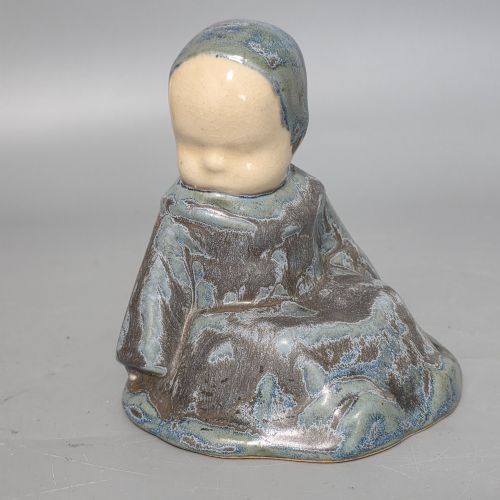
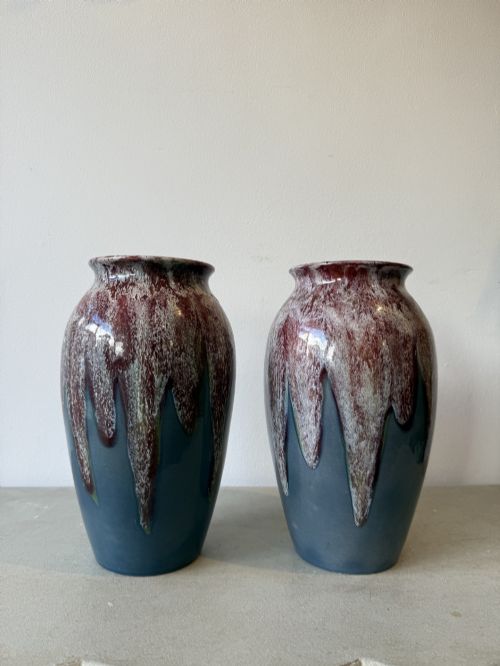
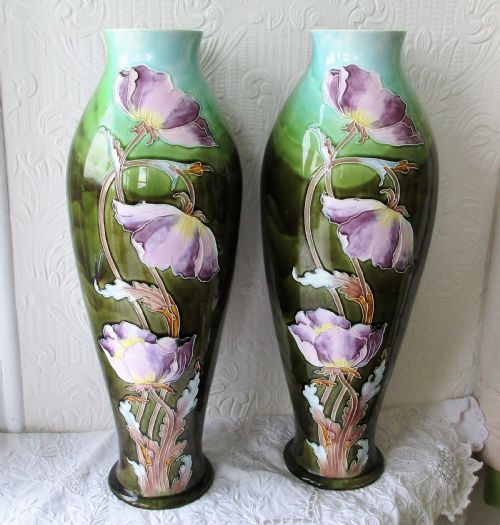
French ceramic art encompasses a diverse range of objects, including vases, wall plaques, figurative sculptures, and traditional tableware. Pieces span from nineteenth-century faience dishes to twentieth-century Art Deco pottery.
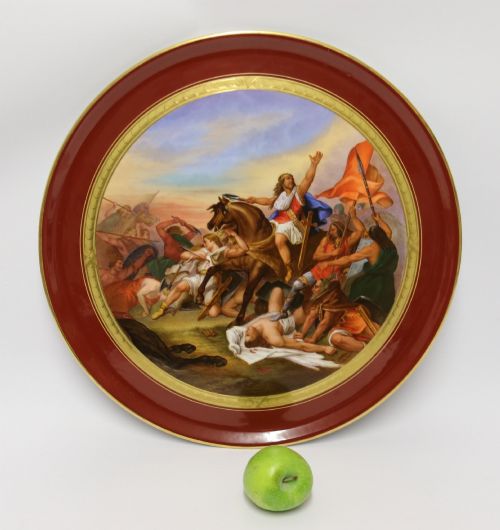
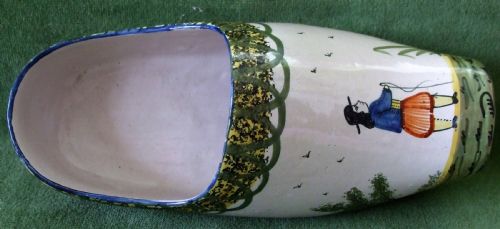
Regional potteries feature prominently, with Quimper, Desvres, and Bavent items appearing alongside sophisticated Paris porcelain chargers and Limoges enamel plaques.
The selection ranges from folk art terracotta animal figures to modernist studio pottery vases created by named designers and workshops.
Materials and Techniques
Makers utilised earthenware, stoneware, terracotta, and porcelain as the primary body materials for shaping vessels, tiles, and figurines. Glaze formulations ranged from standard glossy finishes to iridescent lustre effects and opaque tin glazes typical of traditional faience.
Decoration often involved hand painting directly onto the ceramic surface, sometimes enhanced by raised paste work known as pate sur pate or accented with applied glass elements.
French Ceramic Art Retail Price Guide 2026
Typical asking prices for french ceramic art among the pieces listed under this phrase on Sellingantiques today, from the lower quarter to the upper quarter. They describe what is for sale here now, not the wider market.
Listings span from the eighteenth century to the mid-twentieth century, featuring materials such as porcelain, earthenware, terracotta, and glass.
Judging Quality
Superior quality shows in the precision and delicacy of the hand-painted details, particularly on porcelain chargers, portrait plaques, and figural sculptures. The depth and complexity of the glaze also separate standard production wares from exceptional pieces.
Works attributed to notable designers or specific regional factories often demonstrate superior craftsmanship in both the moulding process and the final surface finish.
Clement Messier·Berthe Savigny·Robert T Lallement·Gilbert Privat·Georges Morin
The French Ceramic Art Glossary
- Lustre Glaze
- A type of ceramic glaze containing metallic elements that produce an iridescent sheen when fired in a reduced oxygen environment.
- Pate sur Pate
- A method of ceramic decoration where successive layers of liquid white porcelain slip are built up on a coloured clay body to create a low relief cameo effect.
- Bisque
- Unglazed ceramic fired once, providing a matte, porous surface often utilised for sculptural busts and figures.
French Ceramic Art: Frequently Asked Questions
What is Quimper faience?
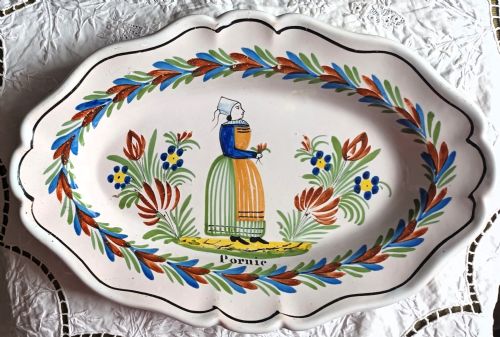
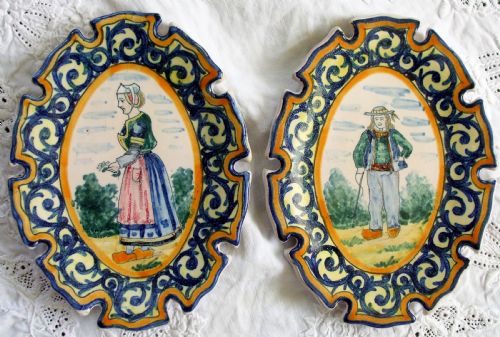
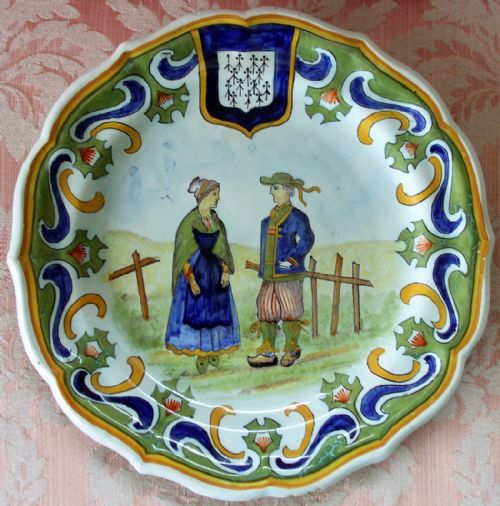
Quimper faience originates from the town of Quimper in Brittany, distinguished by traditional hand-painted regional motifs.
These pieces often depict Breton figures in local costume surrounded by floral borders on tin-glazed earthenware bodies.
How do I date a ceramic plaque?
Dating relies on stylistic markers such as the transition from nineteenth-century realism to twentieth-century Art Deco abstraction.
Maker marks, signature styles, and framing materials also help establish the approximate decade of production.
Where were wall plaques displayed?
Painted porcelain and enamel wall plaques were traditionally hung in formal reception rooms and parlours.
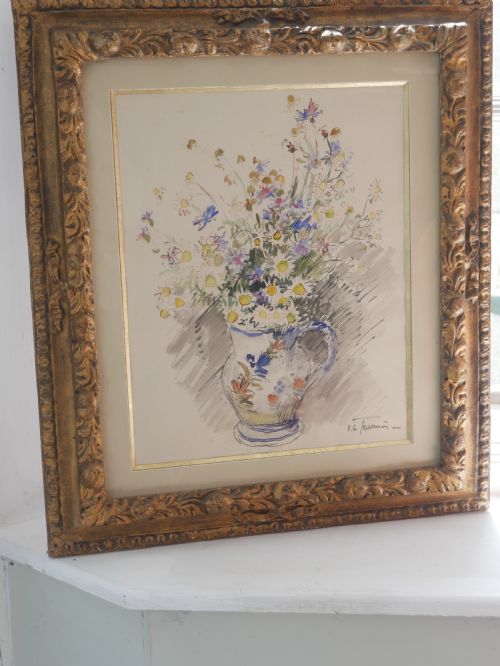
They served as decorative focal points, often mounted within carved wooden frames to mirror the presentation of oil paintings.