
French Carved Wood Seating
French carved wood seating brings ornate historic character to a room through traditional forms upholstered in silk, velvet, and fabric.
Materials and Construction
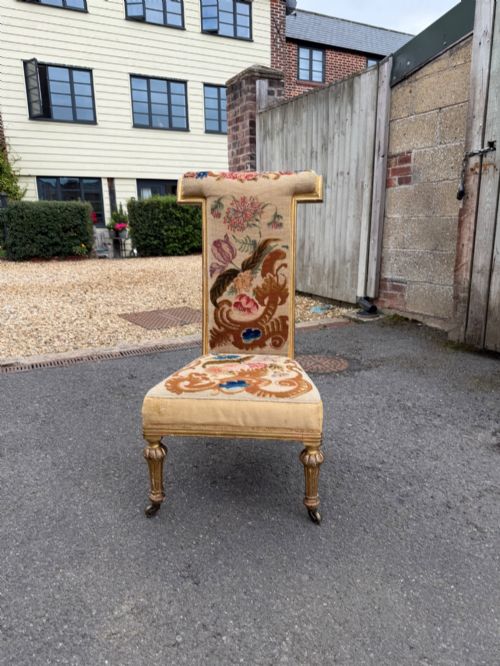
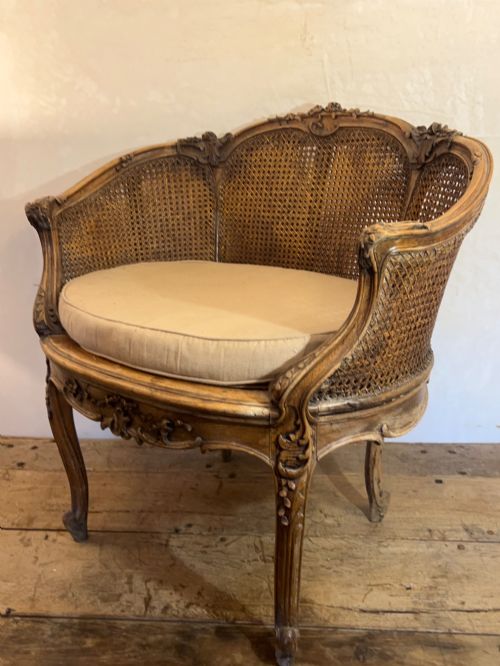
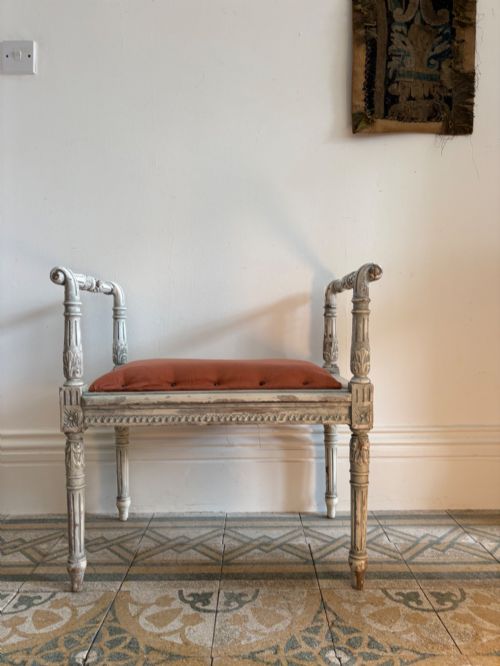
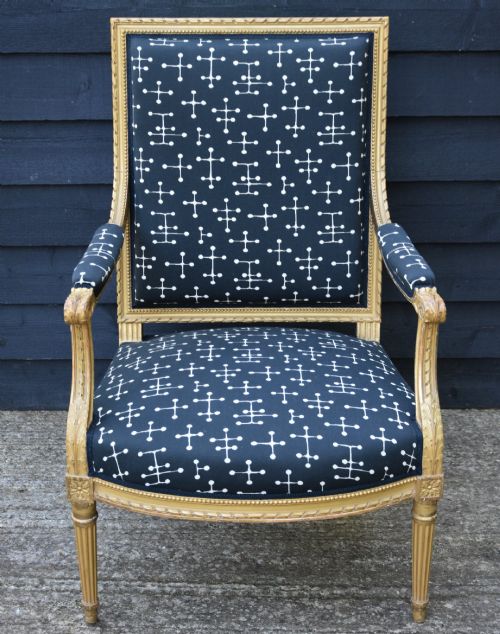
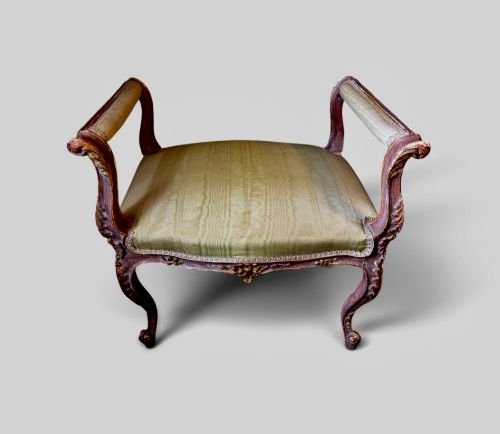
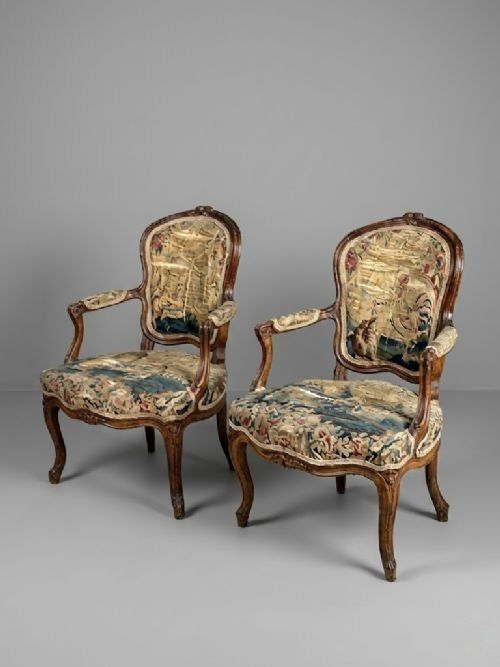
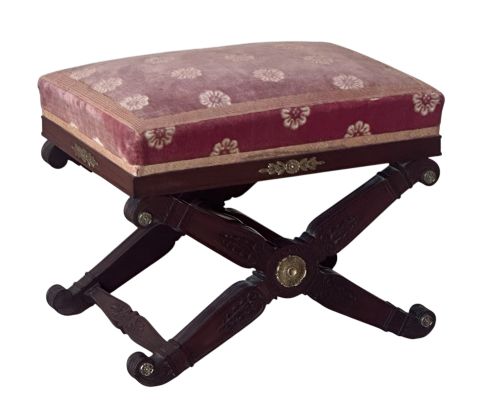
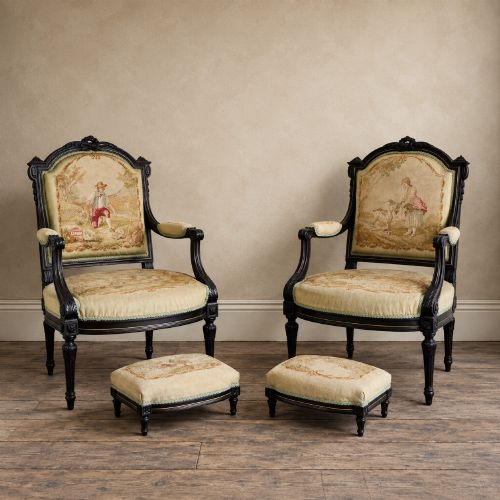
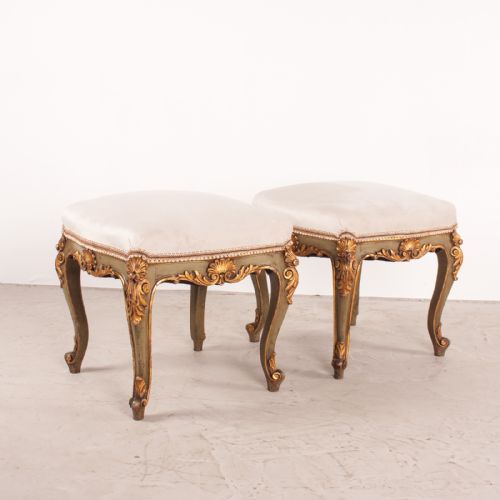
Cabinetmakers utilised solid woods including walnut, beech, and mahogany for the structural frames, carving intricate details directly into the timber. Giltwood, painted finishes, ebonisation, and original paint layers frequently decorate the exposed wooden surfaces.
Upholstery relies on traditional textiles such as silk, velvet, needlework, and specialised fabrics like those from Colefax and Fowler. Cushioning often incorporates feathers alongside traditional stuffing methods suited to period frames.
Factors of Quality
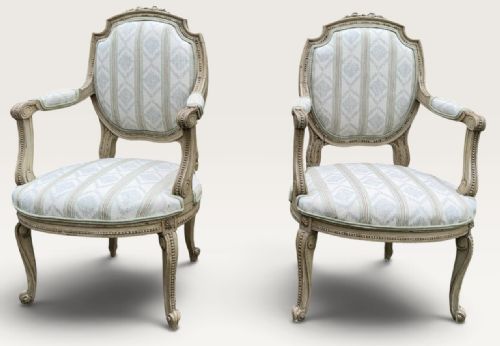
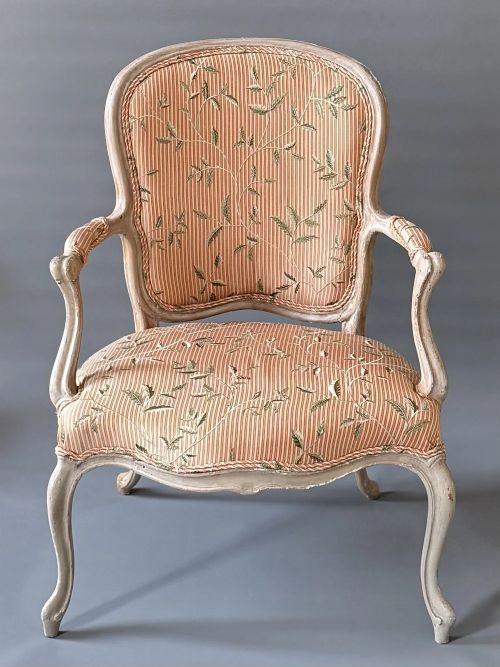
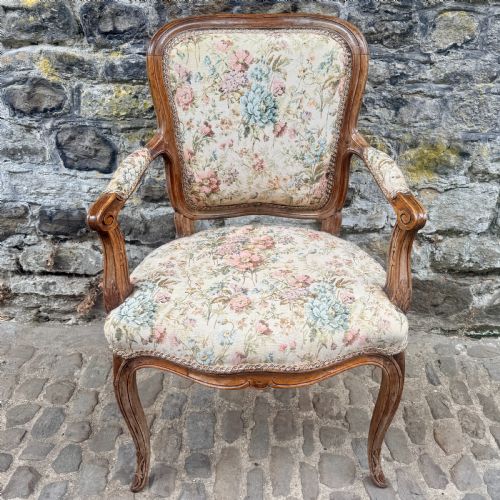
The crispness and depth of the wood carving distinguish superior frames from simpler production pieces. Hand-carved detailing on cabriole legs and frame rails demonstrates the artisan's skill.
The integrity of the structural joinery and the retention of original surface treatments, such as gilding or paint, determine a piece's historical authenticity. High-grade upholstery materials enhance the overall presentation of the seating.
Listings feature periods spanning from the 18th century through to the 1960s, constructed in beech, walnut, and giltwood.
The French Carved Wood Seating Glossary
- Bergere
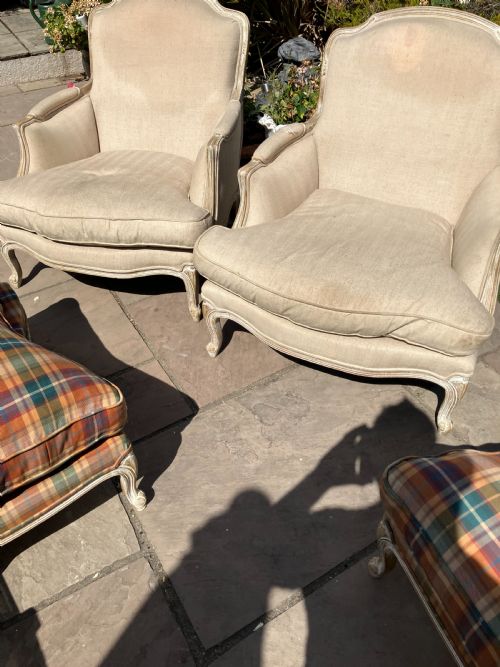
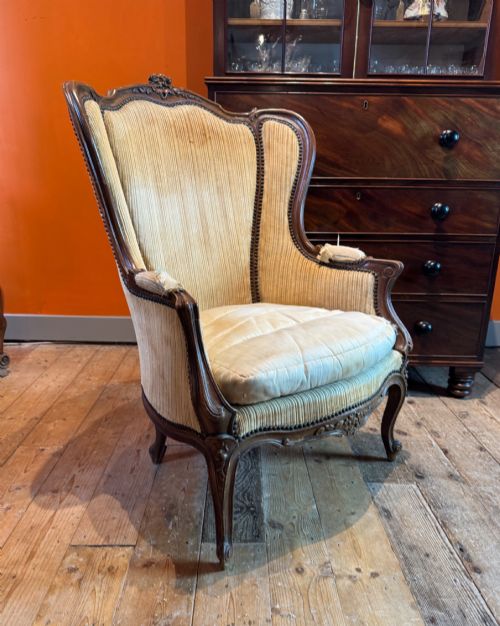
- An enclosed upholstered armchair with wooden sides, typically featuring an exposed frame. This French form offers a deep, comfortable seat.
- Giltwood
- Timber coated with gold leaf or gold paint to create a lustrous surface. It appears frequently on formal 18th and 19th century frames.
- Cabriole leg
- A furniture leg that curves outward and then tapers inward, ending in a pad or scroll foot. This shape derives from classical animal forms.
- Fauteuil
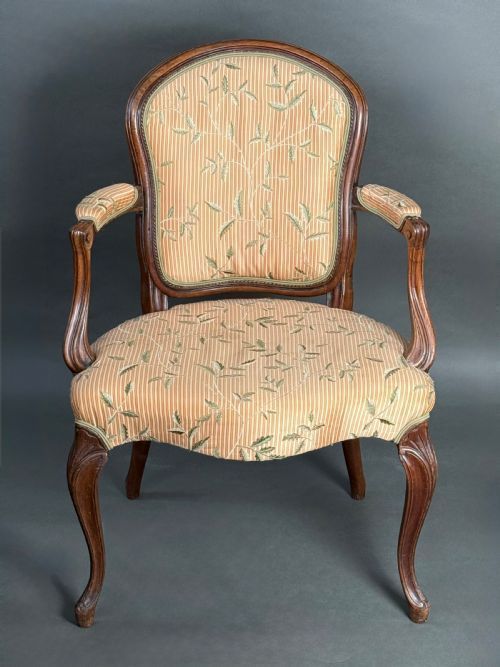
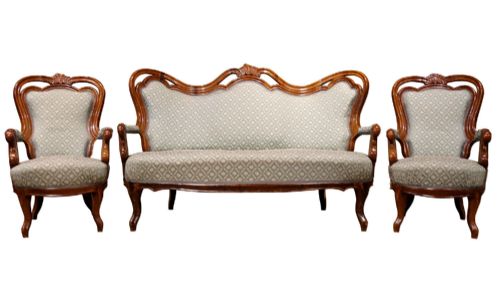
- An open-arm armchair with upholstered back and seat and exposed wooden armrests. The style originated in France during the seventeenth century.
- Canape
- An ornate settee or sofa featuring an upholstered back and seat within a decorative wooden frame. These pieces often match larger salon suites.
French Carved Wood Seating: Frequently Asked Questions
How do I identify a Louis XV style chair?
Louis XV style chairs feature characteristic asymmetric curves, floral carved motifs, and slender cabriole legs without straight structural lines. The overall silhouette prioritises organic flow and comfort.
These pieces often display exposed walnut or giltwood surfaces paired with traditional upholstery fabrics. They reflect the Rococo preference for graceful, flowing ornamentation.
Can I use these antique chairs every day?
Many historic armchairs and sofas remain structurally robust enough for daily domestic use. Careful consideration of frame stability and webbing support ensures longevity.
Routine maintenance involves gentle cleaning of the carved wood and professional care for delicate silk or velvet textiles. Placing them away from direct sunlight preserves both wood finishes and fabric colours.
What is the difference between a settee and a sofa?
Settees generally feature lighter wooden frames, open or partially upholstered sides, and smaller proportions designed for two sitters. They function well in reception rooms and hallways.
Sofas and banquettes offer larger seating capacities with fully padded arms and backs. Their substantial construction suits primary living spaces and grand salons.
How do I care for giltwood frames?
Giltwood requires dusting with a soft, dry brush to prevent abrasive particles from damaging the delicate gold leaf layer. Moisture and chemical cleaners must be avoided entirely.
Professional conservators should handle any repairs to flaking gesso or damaged gilding. Stable indoor humidity prevents the underlying wood from expanding and cracking the finish.