



French Carved Wood Bed
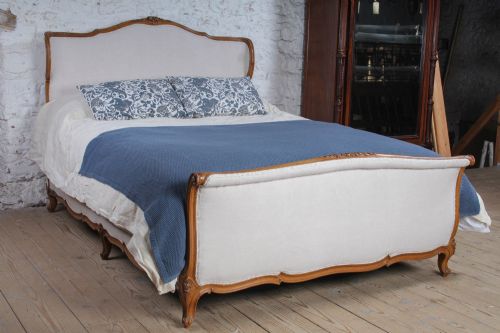
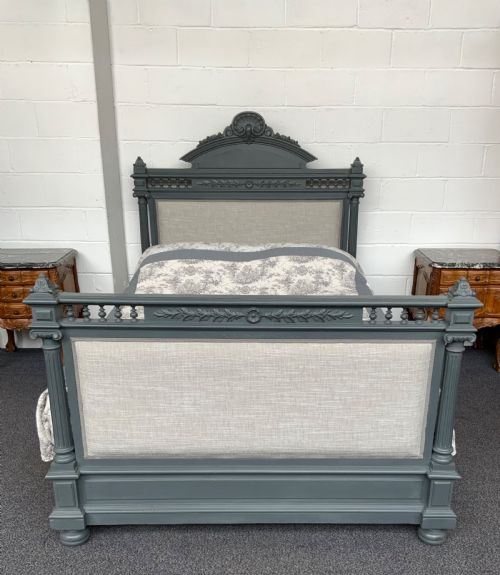
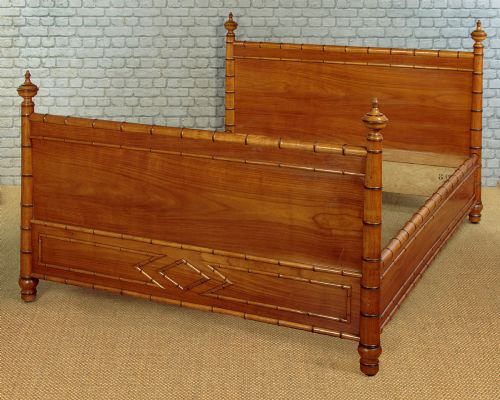
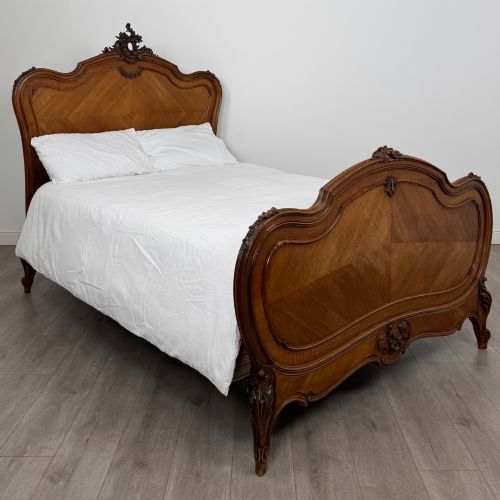
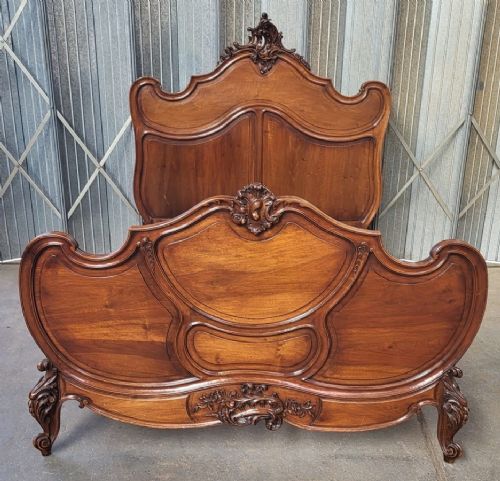
When choosing a french carved wood bed, you are acquiring a substantial bedroom centrepiece defined by Continental styling and hand-carved detailing.
French Carved Wood Bed
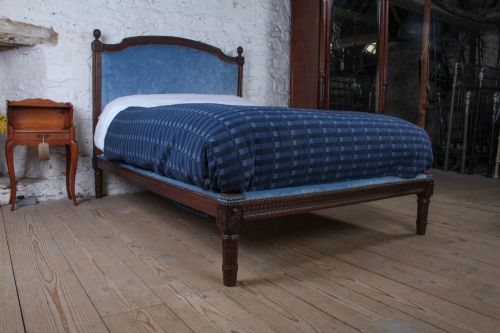
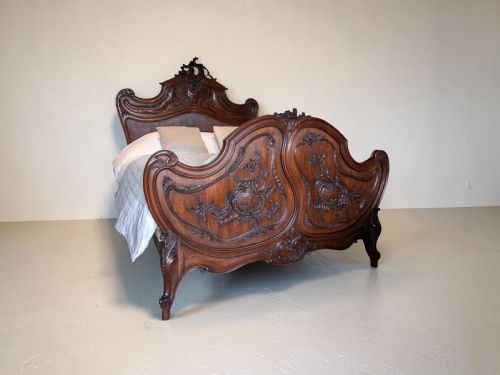
A french carved wood bed spans single, double, and king sizes, often following Louis XV or Louis XVI aesthetic traditions with exposed timber frameworks.
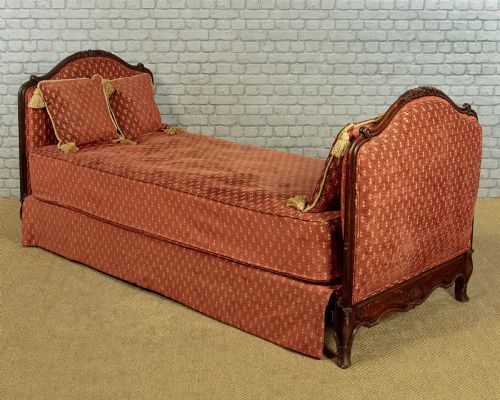
The selections available here range from nineteenth-century walnut pieces to early twentieth-century painted and limed finishes, encompassing daybeds alongside standard bedframes.
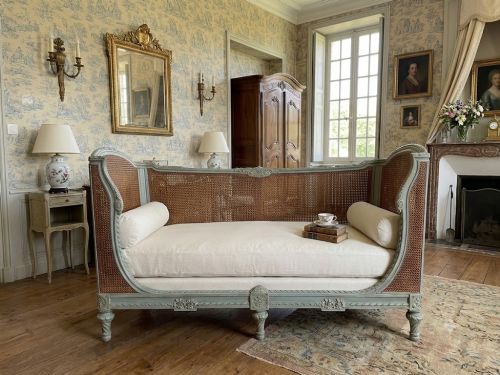
Buyers will encounter formal chateau styles as well as provincial interpretations, frequently accompanied by matched stools, benches, and daybeds.
What varies in quality
The distinction rests in the depth and crispness of the hand-carved motifs, where fluid floral and scrollwork designs demonstrate superior artisan skill over mechanical replication.
Proportion and scale dictate the visual hierarchy, with balanced headboard heights and harmonious footboard integration marking finer examples.
Current listings feature pieces spanning the late nineteenth century through the 1930s, constructed in walnut, oak, mahogany, and painted wood.
The French Carved Wood Bed Glossary
- Louis XV Style
- A design movement characterised by asymmetrical curves, cabriole legs, and naturalistic floral carvings. It emerged during the eighteenth century and heavily influenced later nineteenth-century revival pieces.
- Louis XVI Style
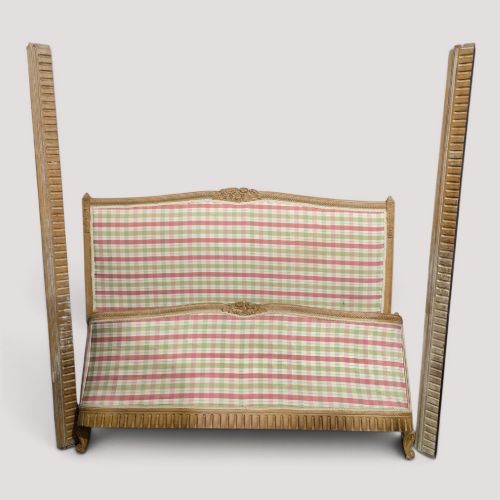
- A neoclassical design approach featuring straight lines, symmetry, fluted columns, and geometric or ribbon motifs. Revival pieces from the late nineteenth and early twentieth centuries frequently adopt these restrained proportions.
- Canapé Corbeille
- A curved, basket-shaped daybed or sofa frame with enclosed upholstered sides. These pieces often feature exposed carved woodwork following traditional French seating forms.
- Giltwood
- Timber coated with a thin layer of gold leaf applied over a prepared gesso base. This finish provides a bright metallic sheen on decorative mouldings and carved details.
- Faux Bamboo
- A decorative technique where solid wood is turned and carved to imitate segmented bamboo stalks. This style gained popularity during the late nineteenth century.
French Carved Wood Bed: Frequently Asked Questions
Are these beds standard UK or European sizes?
Continental antique frames often differ from modern British mattress dimensions, requiring careful measurement of the interior space before fitting a new base or mattress.
Many listings specify king or double proportions, but verifying the exact width and length ensures compatibility with modern bedding.
How do I care for polished walnut and painted finishes?
Polished timber surfaces benefit from occasional waxing with traditional beeswax to nourish the grain and protect the finish from drying out.
Painted and giltwood surfaces require gentle dusting with a soft, dry cloth, avoiding harsh chemical cleaners that can degrade historic gesso and paint layers.
What is the difference between Louis XV and Louis XVI styles?
Louis XV furniture is distinguished by flowing serpentine lines, asymmetry, and prominent floral or rocaille carvings. This aesthetic creates a softer, more organic silhouette in the bedroom.
Louis XVI design introduces geometric rigour, straight fluted posts, and classical architectural motifs, offering a more formal and structured appearance.
How can I distinguish a nineteenth-century frame from a later revival?
Examining the joinery, timber shrinkage, and tool marks on the hidden structural components reveals the age of construction. Hand-cut joints and period-specific saw marks indicate nineteenth-century origins, whereas later twentieth-century pieces often display more uniform mechanical preparation.