




French Carved Screen
These french carved screen examples bring classic European design into a room, offering both decorative presence and functional division.
French Carved Screen
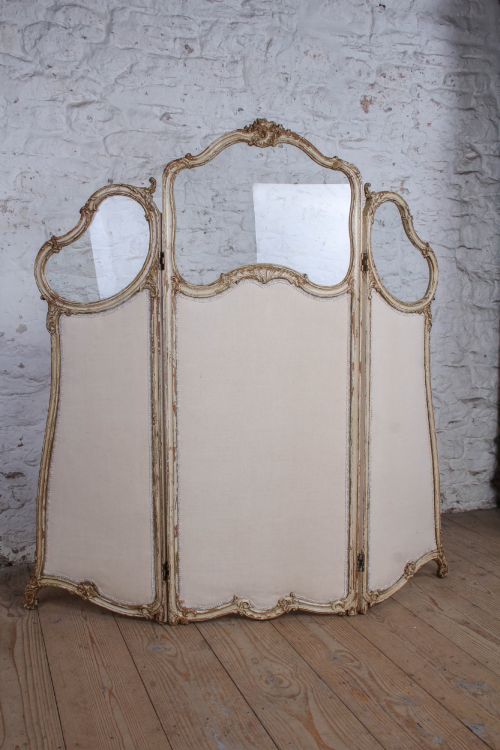
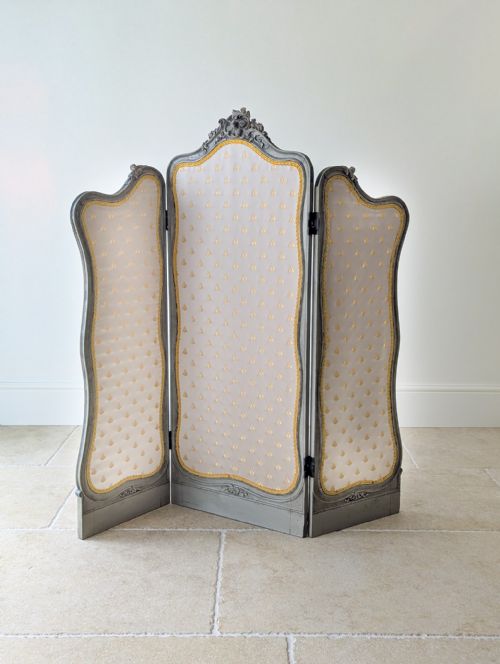
A french carved screen encompasses various folding room dividers, modesty screens, and fire screens originating from or styled after French aesthetics. Buyers searching for a french carved screen encounter pieces ranging from mid-nineteenth-century giltwood frames to walnut folding panels.
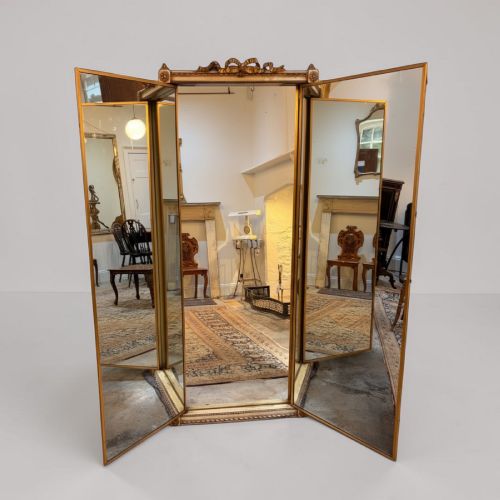
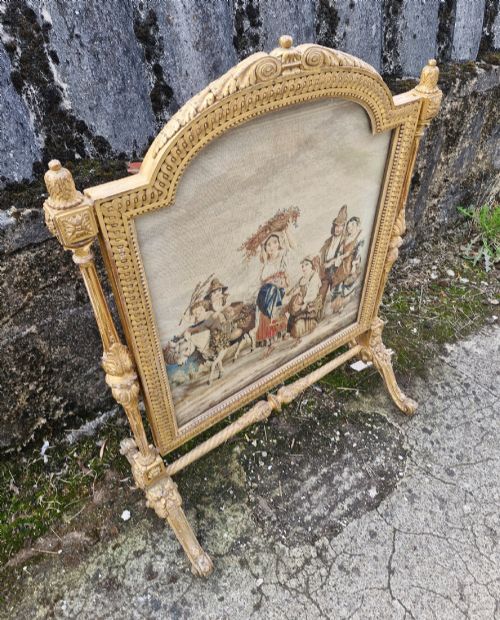
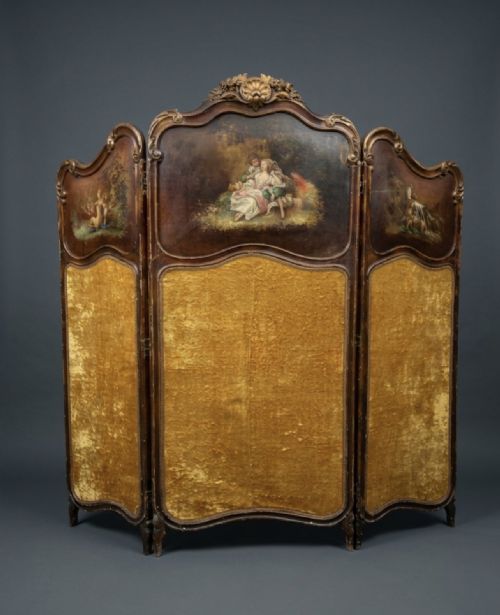
The selections on this page feature multi-fold room screens, modesty screens, vanity screens, and hearth guards. Most examples date from the nineteenth century, including Victorian interpretations and Napoleon III designs.
Materials and construction
Maker construction relies heavily on timber frameworks of walnut and giltwood, paired with fabric textiles, glass, and oil paint panels. Artisans shaped these materials using traditional joinery and carving techniques suited to Rococo Revival, Neoclassical, and Art Nouveau tastes.
Additional hardware incorporates brass detailing, particularly in spark screens and fire guards. Painted pastoral scenes and Aubusson textiles frequently adorn the folding panels of these decorative dividers.
French Carved Screen Retail Price Guide 2026
Typical asking prices for french carved screen among the pieces listed under this phrase on Sellingantiques today, from the lower quarter to the upper quarter. They describe what is for sale here now, not the wider market.
Some nineteenth-century makers built vanity screens so delicate they practically required a butler just to open them without an audience.
Assessing quality and execution
Quality in a french carved screen reveals itself in the depth and crispness of the wood carving, the weight of the brass, and the execution of the painted or textile panels. Finer examples display meticulous attention to detail across every fold, maintaining structural integrity in the hinges and frames.
The distinction between standard items and exceptional works lies in the provenance of the maker, the complexity of multi-fold configurations, and the preservation of original oil paintings or Aubusson weave.
Paul Sormani·Brandt
The French Carved Screen Glossary
- Giltwood
- Wood that has been treated with gold leaf or a gold-colored preparation. This finish appears frequently on nineteenth-century frames and decorative trims.
- Modesty screen
- A small decorative screen historically used to shield someone from the direct heat of a fireplace or to provide privacy during dressing. These items often feature painted panels.
- Aubusson
- A style of tapestry woven in the French town of the same name. These textiles frequently appear as inset panels within antique screens.
- Triptych mirror
- A three-paneled looking glass arrangement where the outer wings fold inward. This form bridges the gap between functional mirrors and folding screens.
- Rococo Revival
- A nineteenth-century design movement characterised by asymmetrical scrollwork, naturalistic floral motifs, and ornate curves. It heavily influences French-style screens of the period.
French Carved Screen: Frequently Asked Questions
What is a French fire screen?
A French fire screen is a decorative barrier placed in front of a hearth when a fire is not burning. These pieces often feature glass, brass, or painted panels.
They served to protect the room from drafts and to hide an empty fireplace during warmer months.
How do you use a multi-fold screen?
Multi-fold screens function as movable room dividers to section off parts of a larger space or create privacy in a bedroom. They stand upright by angling the hinged panels.
Historically, they also blocked drafts from doors and windows in high-ceilinged rooms.
What is a modesty screen?
A modesty screen is a smaller portable partition used for personal privacy in domestic settings. They are often placed around a vanity or dressing area.
Many examples incorporate painted canvas or fabric panels to obscure the view.
How do I identify a 19th-century screen?
Nineteenth-century screens typically show period-specific joinery, hand-carved wood details, and materials like walnut, giltwood, or brass. Stylistic cues include Rococo Revival curves or Art Nouveau motifs.
Examining the hinges, backing materials, and paint ageing helps confirm the era of production.