






French Carved Plaque
These French carved plaque items bring deep wooden texture and sculptural relief to a room, offering genuine architectural history for your walls.
French Carved Plaque
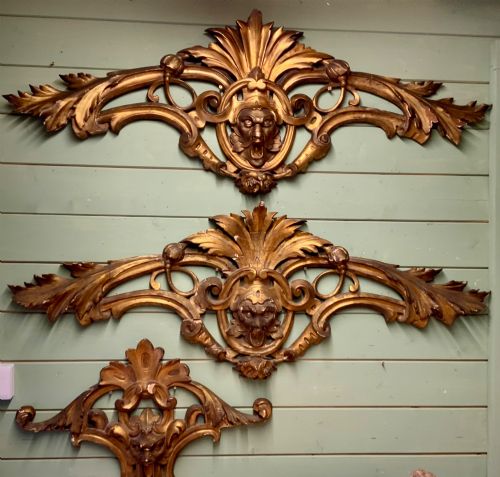
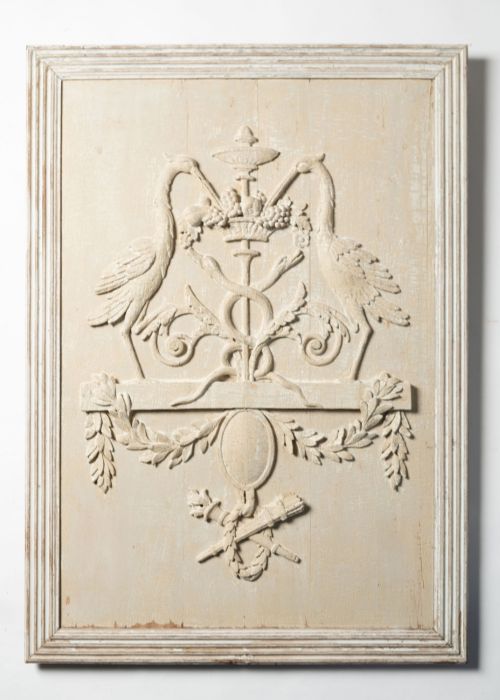
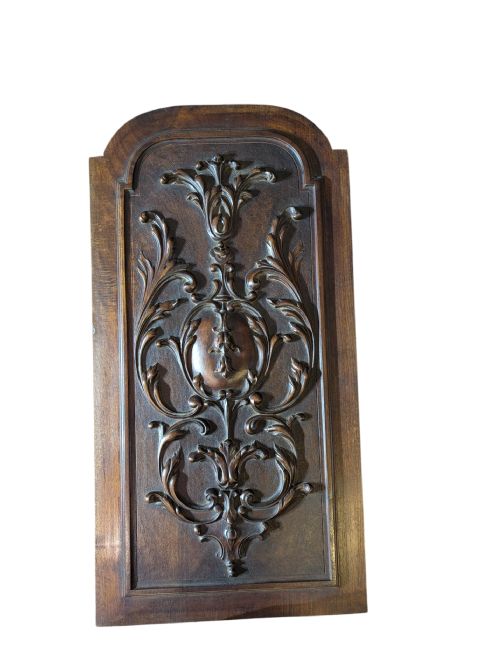
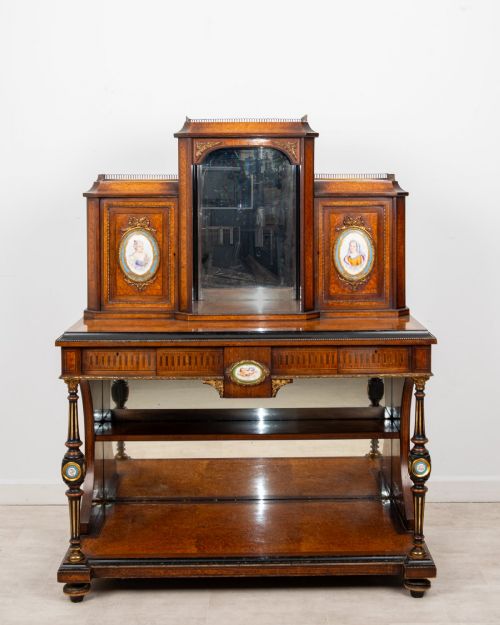
A french carved plaque search reveals solid timber wall reliefs, architectural fragments, and decorative panels originating from European interiors. You will frequently meet wooden panels, over-door carvings, and framed porcelain plaques across these listings.
The objects span from the seventeenth century through the nineteenth century, taking on Neoclassical, Renaissance Revival, and Rococo styles. Most examples function as wall art, wall panels, or salvage elements salvaged from grand properties.
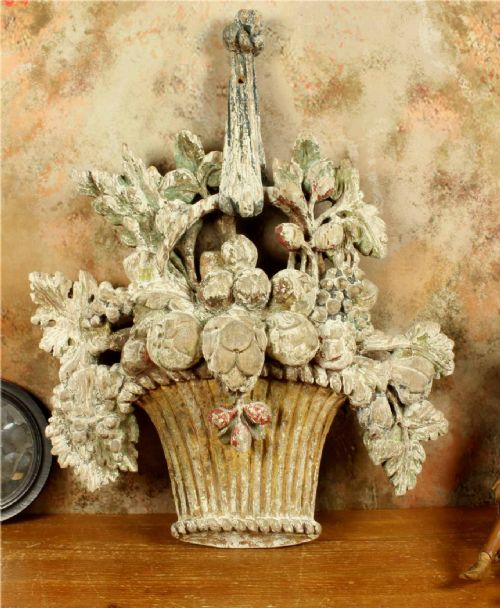
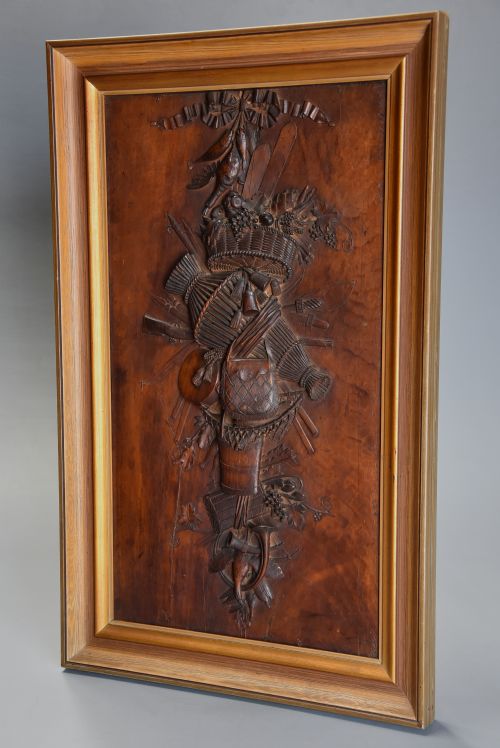
Makers shaped these pieces from oak, walnut, fruitwood, and painted wood, occasionally mounting them within giltwood or ebonised frames. Floral baskets, trophy carvings, and figural scenes dominate the sculptural vocabulary.
How they were made
Carpenters and carvers worked directly in solid timber such as oak, walnut, amboyna, and fruitwood using hand chisels and gouges. They achieved high relief through deep subtraction, leaving crisp undercuts that catch natural room light.
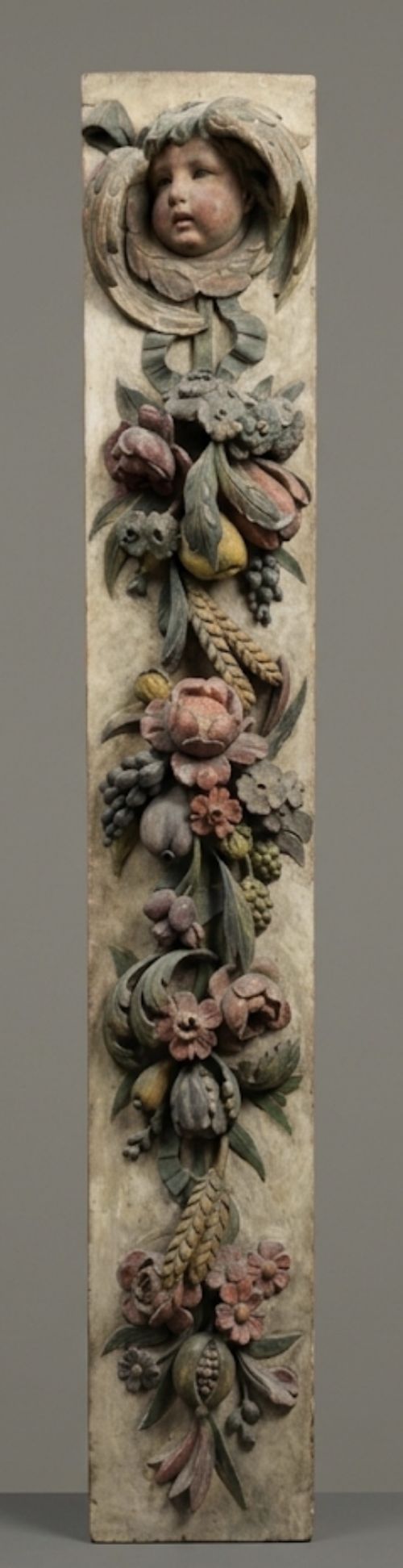
Surface treatments included polychrome paint, gesso application, ebonising, and gilding to enhance the visual weight of the carving. Porcelain components were fired separately before being set flush into wooden frames or writing desks.
Joinery methods relied on pegged mortise and tenon frames or applied mouldings to secure large wall panels against warping.
French Carved Plaque Retail Price Guide 2026
Typical asking prices for french carved plaque among the pieces listed under this phrase on Sellingantiques today, from the lower quarter to the upper quarter. They describe what is for sale here now, not the wider market.
Current listings feature timber, oak, porcelain, and walnut across styles spanning Renaissance Revival to Napoleon III.
What varies in quality
Depth of relief and clarity of the chisel work separate ordinary decorative boards from exhibition pieces. Master carvers created naturalistic drapery, sharp foliage veins, and fully rounded animal or human forms that command attention.
The choice of primary timber dictates the tactile richness of the piece, with dense walnut and fine fruitwood holding crisper details than softer woods. Intact original surfaces, such as early polychrome paint or honest patination, elevate the integrity of the object.
The French Carved Plaque Glossary
- Relief carving
- Sculpture where figures or designs project from a flat background. This technique allows wooden panels to sit flat against a wall while casting deep shadows.
- Polychrome
- Decorated in multiple colours. Artisans applied pigments over gesso or bare wood to mimic natural subjects.
- Giltwood
- Wood that has been coated with gold leaf or thin gold paint. This finish catches candlelight and emphasises carved scrollwork.
- Architectural salvage
- Elements removed from buildings slated for alteration or demolition. These pieces often include over-door carvings and wall panels.
- Trophy carving
- A sculptural grouping of symbolic objects, such as musical instruments, hunting gear, or floral baskets. Carvers arranged these motifs symmetrically on decorative panels.
French Carved Plaque: Frequently Asked Questions
How were french carved plaque panels displayed?
Historic interiors incorporated these wooden reliefs directly into wall panelling, above doorways, or as standalone framed artworks within chateaux.
Today, collectors mount them directly onto plaster walls as focal points or display them on picture ledges.
What woods were used for french carved plaque items?
Carvers utilised dense hardwoods including oak, walnut, and fruitwood because these materials hold sharp chisel marks without splitting.
Softer woods or gessoed timber also appear, often serving as a base for painted or gilt finishes.
How do I care for antique wood wall panels?
Maintain stable indoor humidity levels away from direct heat sources to prevent timber from drying out or splitting.
Dust gently with a dry, soft cloth and avoid chemical polishes that can damage historic wax or paint surfaces.
Can I date a french carved plaque by its style?
Stylistic cues such as heavy Renaissance Revival strapwork or exuberant Rococo scrolls point directly to specific design periods.
Tool marks and timber selection further help distinguish seventeenth-century work from later nineteenth-century interpretations.