




French Carved Occasional Chairs
French carved occasional chairs bring lightness and ornamental grace to a room, offering elegant seating in walnut, giltwood and painted finishes.
French Carved Occasional Chairs
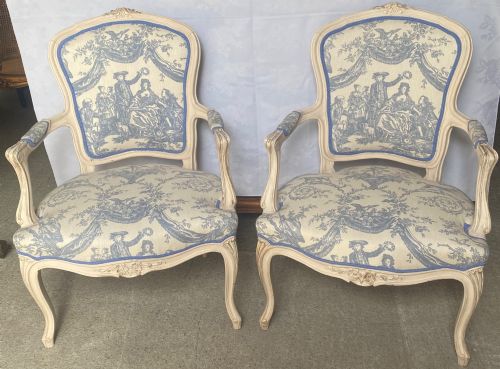
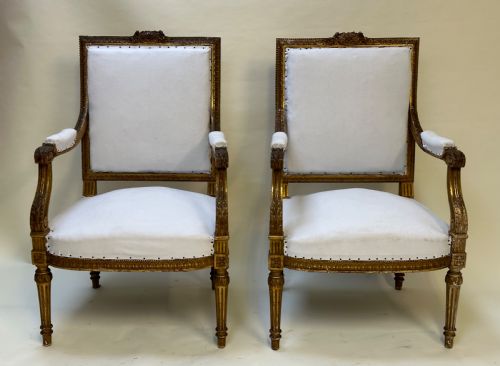
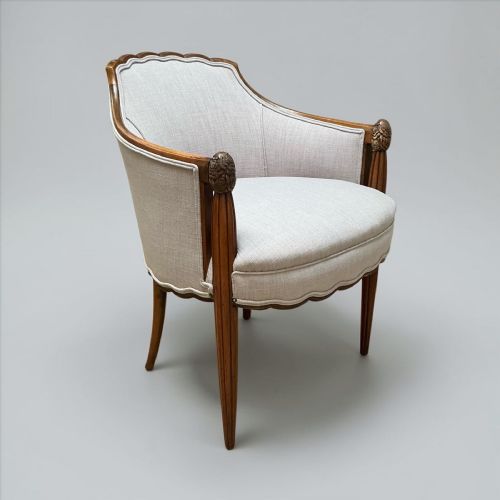
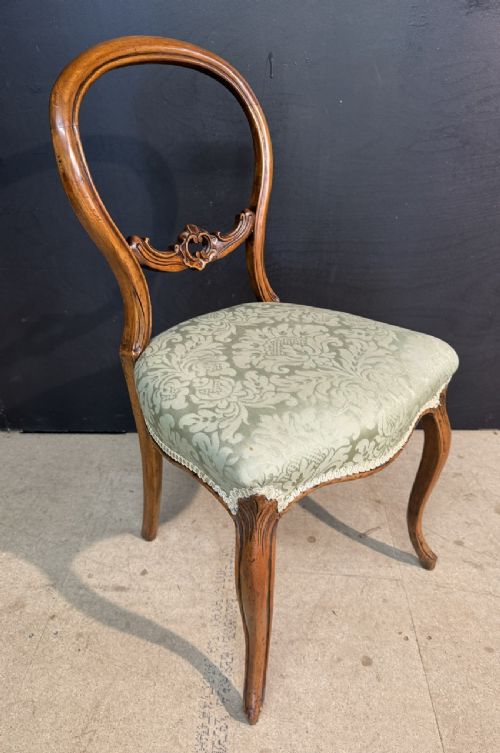
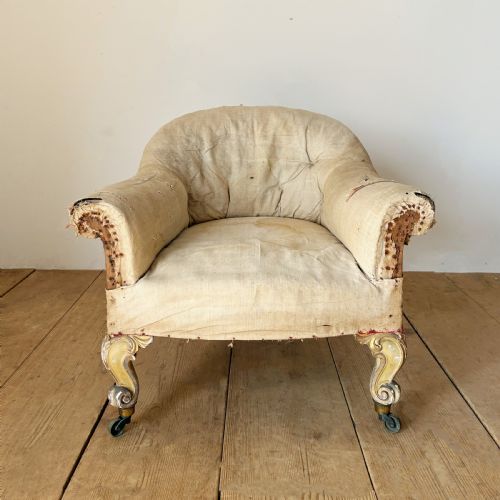
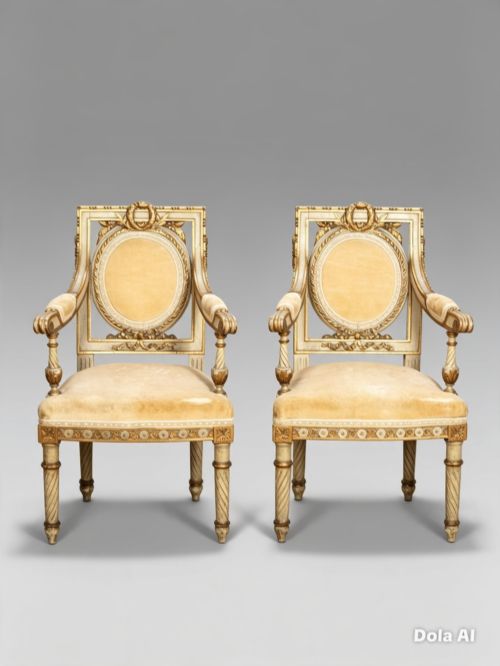
French carved occasional chairs comprise compact seating forms including side chairs, salon chairs, boudoir chairs and armchairs designed for decorative placement around the home. These pieces emerge predominantly from the nineteenth century alongside early twentieth century revivals, drawing on Louis XVI, Louis XV and Rococo styles.
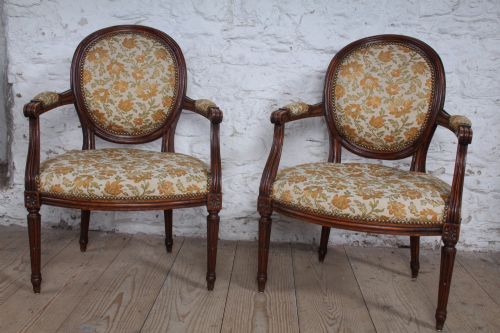
The buyer meets numerous pairs and matched sets alongside individual armchairs and side chairs. Frames feature carved woodwork in walnut, giltwood or painted finishes, paired with diverse fabric, velvet and needlepoint upholsteries for drawing rooms, bedrooms and studies.
How they were made
Frames rely on solid timbers such as walnut and mahogany, alongside wood substrates finished with giltwood, paint or faux bois effects. Skilled artisans carved decorative motifs directly into the wood before applying upholstery in fabric, velvet, textile or needlepoint.
Structural joinery incorporates traditional techniques suited to decorative seating, while decorative elements utilise applied brass details or intricate hand carving to emulate classical French aesthetics.
Listings feature pieces spanning the eighteenth century to the twentieth century, encompassing Victorian, Edwardian and Napoleonic eras.
What varies in quality
Quality rests upon the crispness and depth of the wood carving, where hand-carved detailing exhibits superior definition compared to machine-routed work. The choice of primary material also dictates grade, with solid giltwood and figured walnut sitting above basic painted softwood frames.
The integrity of the frame construction and the quality of the upholstery materials define the upper tiers of the market. Retaining original gilding or period needlepoint elevates a piece above standard later restorations.
The French Carved Occasional Chairs Glossary
- Fauteuil
- An open-armed upholstered armchair with exposed wooden armrests and framework. These items form a prominent part of formal salon seating arrangements.
- Cabriole leg
- A furniture leg that curves outward in a convex arc before tapering inward in a concave curve to a foot. This profile is typical of Rococo and revival furniture forms.
- Giltwood
- Timber coated with a thin layer of gold leaf or gilt finish. It appears frequently on formal nineteenth century French seating.
- Needlepoint
- Canvas work embroidery utilised for upholstery on chairs and stools. It offers durable decorative surfaces on period seating.
- Faux bois
- Imitation wood grain painted or carved onto a surface. It appears on decorative nineteenth century chair frames.
French Carved Occasional Chairs: Frequently Asked Questions
Where should I place an occasional chair?
These chairs suit drawing rooms, bedrooms, and studies where extra seating is required without bulk. Their decorative frames look effective positioned against plain walls or beside desks.
They function well individually as accent pieces or in matched pairs flanking a fireplace or console table.
Are these chairs comfortable for daily use?
Most pieces are designed as occasional seating rather than for long periods of lounging. Their upright backs and compact proportions suit sitting to write, read or converse.
Upholstered salon chairs and armchairs offer more support than rigid side chairs, though comfort depends heavily on the internal padding condition.
How do I identify a Louis XVI style chair?
Louis XVI style chairs typically display neoclassical restraint with straight tapered fluted legs and geometric oval or square back frames. Carved ribbons, acanthus leaves and beaded mouldings often decorate the woodwork.
This aesthetic contrasts with the earlier flowing curves of the Louis XV Rococo style.
Can I reupholster a vintage salon chair?
Many chairs are suitable for reupholstery using modern or traditional fabric, velvet or textile materials. Frames require assessment by a restorer to ensure the internal webbing and padding can support new covering.
Choosing fabrics appropriate to the period helps maintain the visual balance of the carved wooden frame.