



French Carved Oak Chairs
French carved oak chairs bring substantial timber frames, deep carving and regional character into a room.
French Carved Oak Chairs
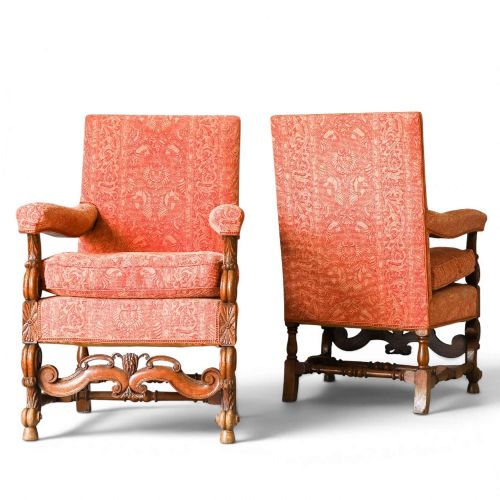
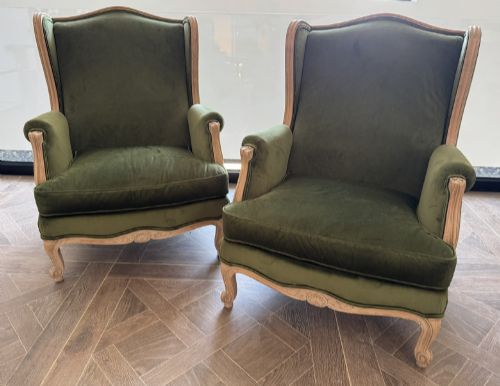
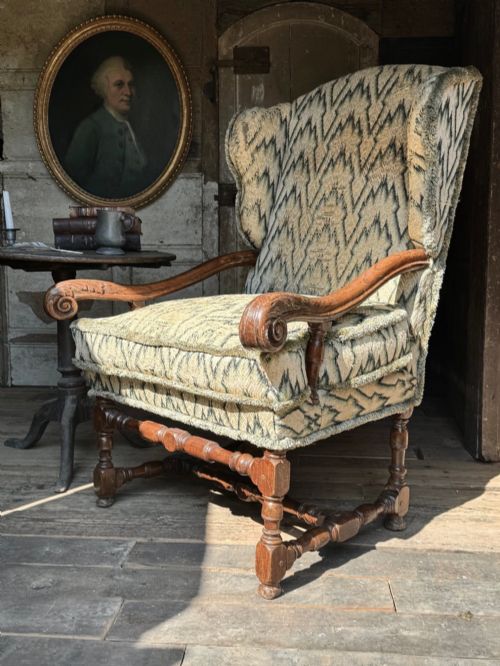
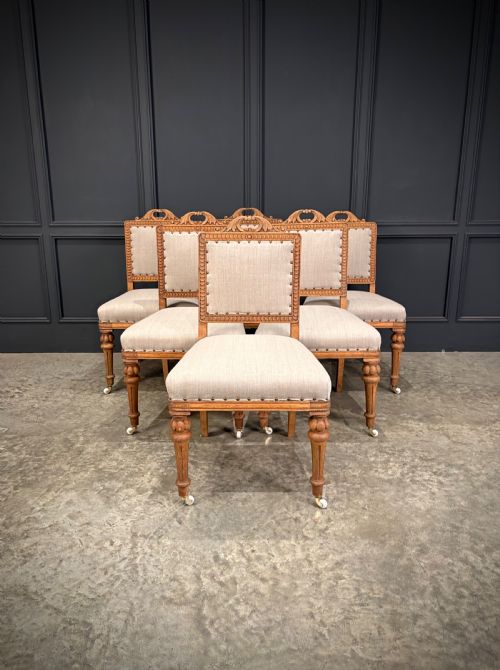
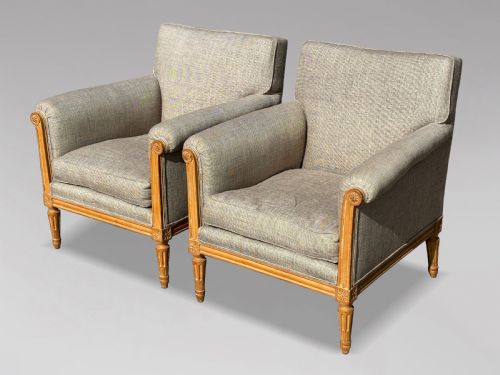
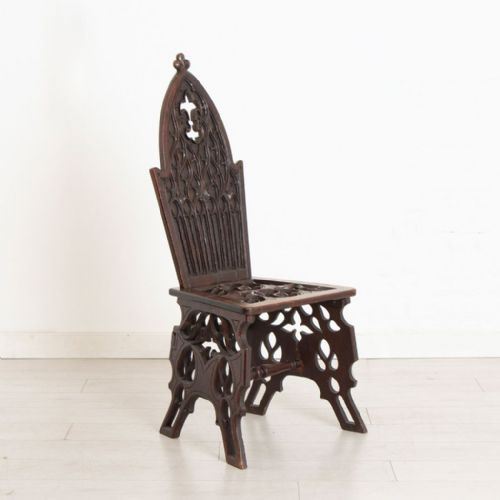
French carved oak chairs encompass heavy seating pieces rooted in continental regional traditions, ranging from provincial dining sets to grand revival armchairs. When you examine french carved oak chairs on this page, you encounter forms built for domestic use, reception rooms and grand halls across multiple centuries. The selection spans sturdy ladder back kitchen chairs with rush seats, ornate wingbacks and matching dining sets.
The periods represented stretch from the eighteenth century through the nineteenth century and into the early twentieth century. Common stylistic expressions include Louis XV revival, Louis XVI revival, French provincial, Gothic revival and Renaissance revival. Buyers find individual armchairs, pairs and larger suites intended for formal dining rooms or salon settings.
How they were made
Makers built these pieces primarily using solid oak frames, sometimes incorporating secondary timbers like hardwood or walnut. Joinery relied on traditional mortise and tenon construction to sustain heavy daily use over generations.
The structural woodwork supports varied seating surfaces including woven rush, cane panels, or padded upholstery covered in fabric, velvet or contemporary upholstery material. Decorative elements were carved directly into the solid timber framing rather than applied as separate ornamentation.
Several heavy throne-sized armchairs in the archive carry the delightful historical label of wedding thrones.
What varies in quality
The depth, crispness and ambition of the hand carving separate standard provincial seating from high-end revival pieces. Pieces executed by skilled hands display undercut relief work and balanced proportions that hold the eye.
Timber selection and frame integrity also define the upper tier of the range. Heavier gauge oak timbers, retained original rush or cane work, and substantial armchairs or complete dining sets command greater attention from serious collectors.
The French Carved Oak Chairs Glossary
- Fauteuil
- An open-armed upholstered armchair with exposed wooden framing typically originating in France. These pieces feature padded armrests and a supportive back designed for formal sitting rooms.
- Bergère
- An enclosed upholstered armchair featuring solid sides and a built-in upholstered back. The seat usually incorporates a loose cushion resting over a cane or spring base.
- Rush seat
- A seating surface woven from dried marsh rushes or reeds tightly wrapped around frame rails. This traditional method provides a resilient and textured base common on provincial ladder back chairs.
- Ladder back
- A chair back constructed with multiple horizontal arched slats resembling the rungs of a ladder. This functional regional style appears frequently in dining and kitchen sets.
- Gothic revival
- An architectural and decorative style inspired by medieval design featuring pointed arches, tracery and heavy vertical lines. In seating, this translates to imposing frames with architectural motifs.
French Carved Oak Chairs: Frequently Asked Questions
How do I clean a rush seat?
Rush seating requires gentle maintenance using a dry brush or a vacuum attachment to remove dust from the woven reeds.
Moisture can damage natural plant fibres, so liquid cleaners must be avoided entirely during routine upkeep.
Can these chairs handle daily dining?
Solid timber construction and sturdy joinery make many of these chairs well-suited for everyday dining table use.
Original antique frames benefit from periodic checks of the joints to ensure stability remains high under regular weight.
How do I date a nineteenth century chair?
Dating relies on examining the specific revival style, tool marks left by woodworkers and the wear patterns on the timber.
Comparative analysis of regional forms from periods like the reign of Louis XVI or later Victorian revivals helps narrow down the decade.