

French Bronzed Metal Sculptures
French bronzed metal sculptures bring together patinated metalwork, figures, animals and clocks across nineteenth and twentieth century periods.
French Bronzed Metal Sculptures
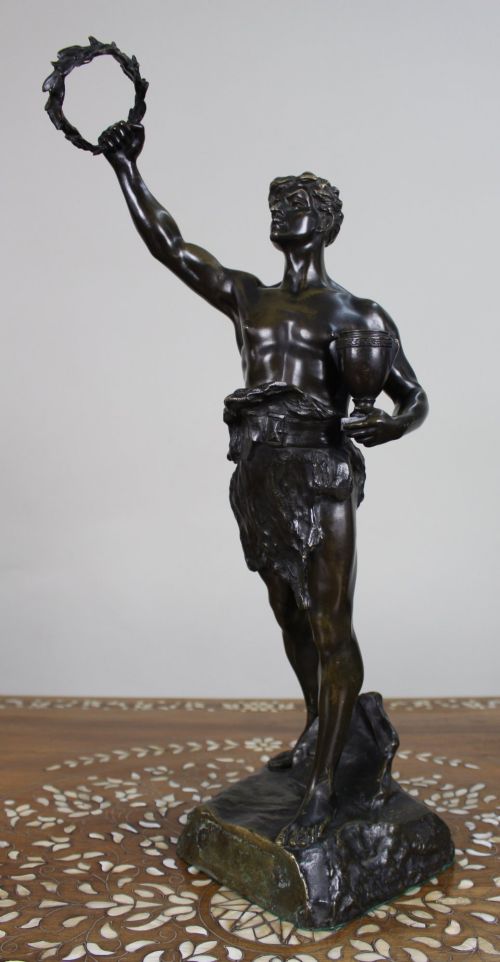
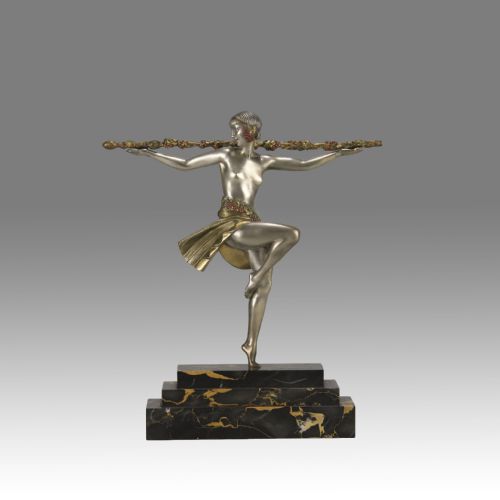
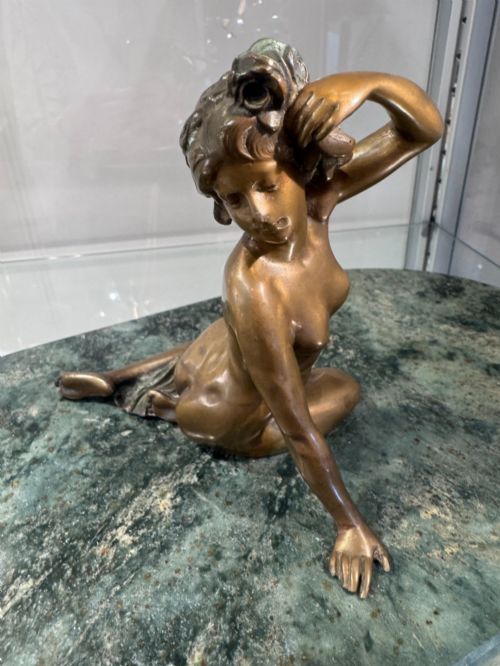
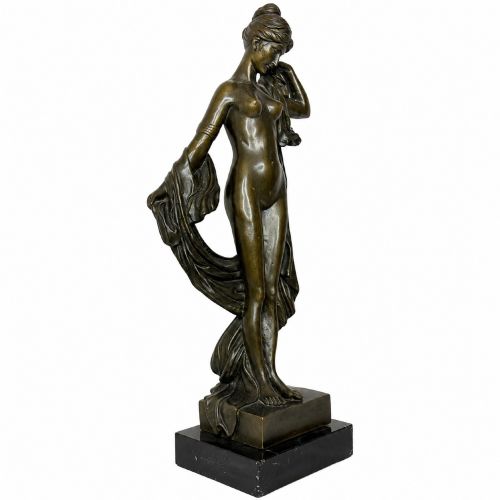
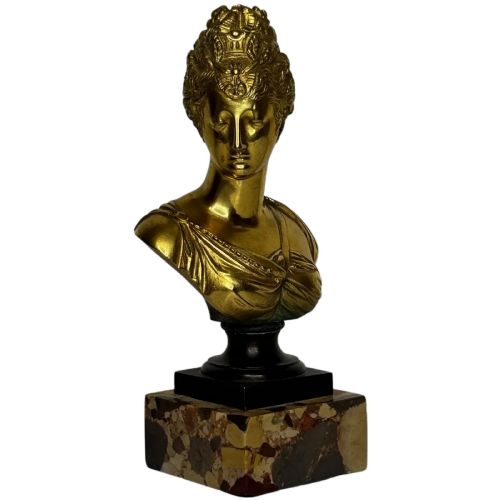
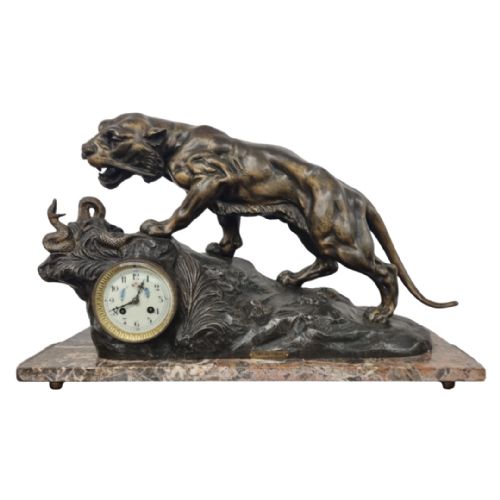
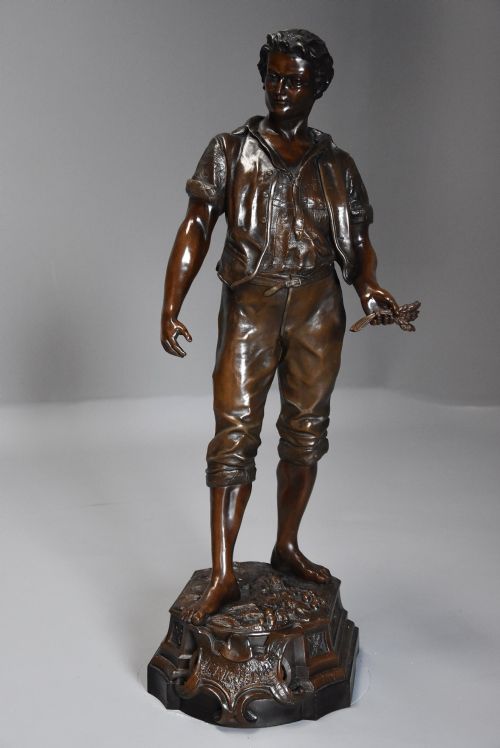
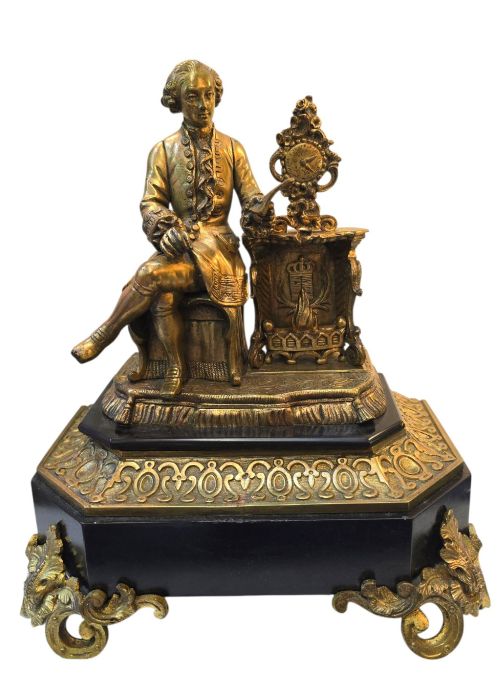
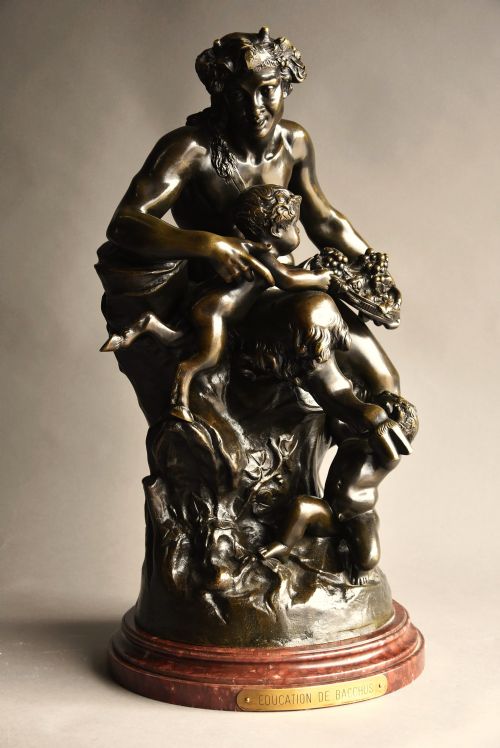
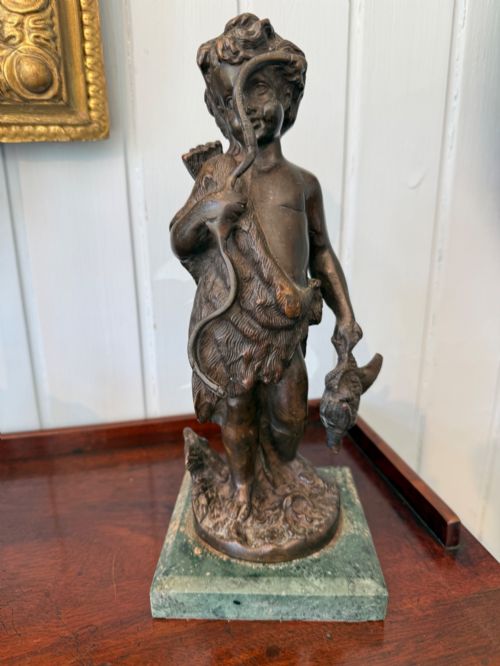
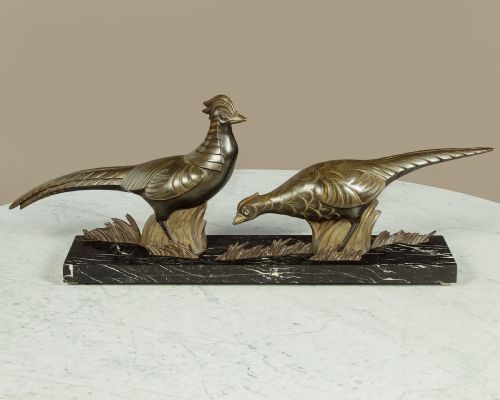
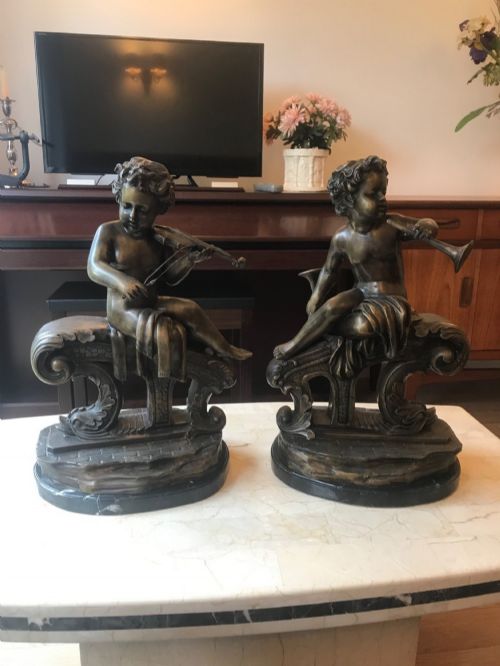
French bronzed metal sculptures encompass figurative works, animals, mantel clocks, and decorative objects cast in bronze, gilt bronze, and spelter. These pieces frequently incorporate bases of marble, onyx, or wood to support figures, dancers, and animals.
The selection ranges from nineteenth century classical busts and Grand Tour architectural models to twentieth century Art Nouveau and Art Deco designs. Buyers encounter both solid bronze castings and metal figures finished with patinated or bronzed coatings.
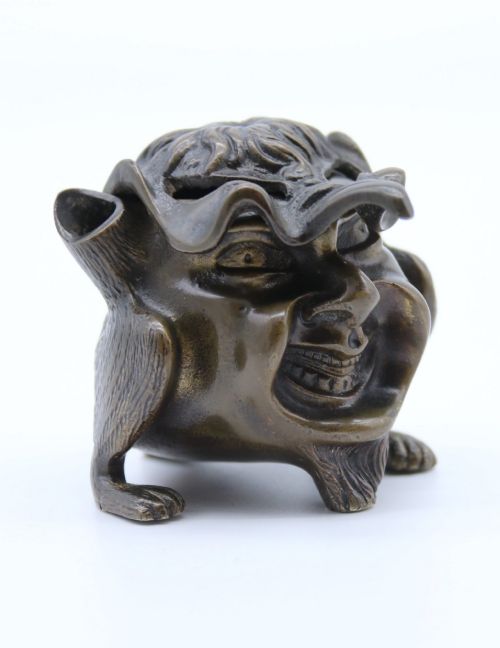
Many items combine sculptural forms with functional objects such as inkwells, vases, wall plaques, and clock cases. Originating predominantly from French workshops, these works reflect changing aesthetic movements from the nineteenth century through the 1930s.
How they were made
Makers utilised casting techniques in bronze, gilt bronze, and spelter to shape figures, animals, and decorative mounts. Spelter served as a more accessible alternative to bronze, often finished with a dark patinated coating to mimic the heavier metal.
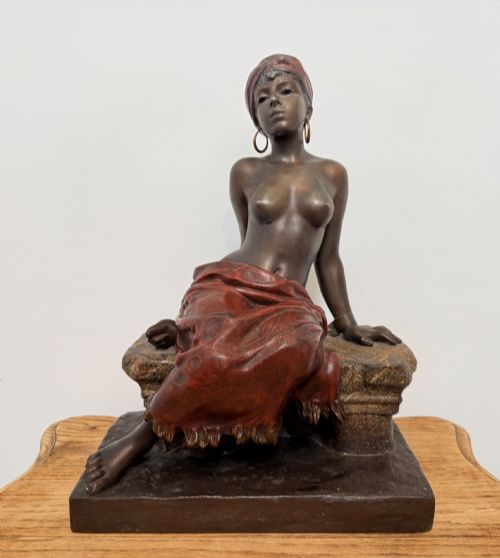
Many sculptural pieces incorporate natural stone elements, mounting metal figures directly onto shaped bases of marble or onyx. Surface finishes range from cold painting and gilding to dark chemical patination on bronze and metal surfaces.
Listings feature works spanning from the mid-nineteenth century through the Art Deco period of 1930.
What varies in quality
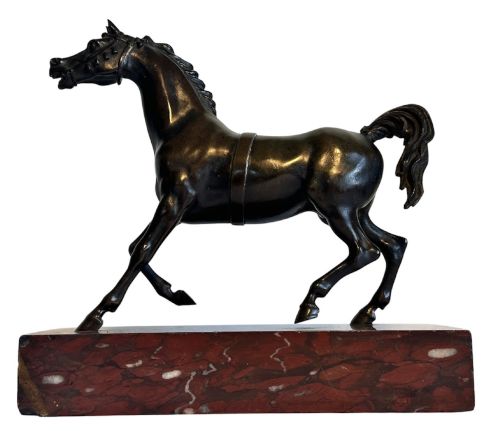
The crispness of the casting detail distinguishes finer foundry work from simpler production, particularly in facial expressions, drapery, and animal musculature. Finer examples retain sharp chiselling and subtle textural variation across the metal surface.
The quality of the secondary materials, such as heavy veined marble plinths or intricate mounting work, influences the overall character of the piece. Well executed patination and original cold painted surfaces preserve the intended visual depth of the design.
Pierre le Faguays·Christophe Fratin·Emile Carlier·Henri Godet·Charles Korschann
The French Bronzed Metal Sculptures Glossary
- Spelter
- A zinc alloy commonly utilised as a less costly alternative to bronze for figurative castings. It accepts patination readily to resemble heavier bronze work.
- Patinated Bronze
- Bronze treated with chemical solutions to produce a specific surface colour and tone. This finish protects the metal and defines the sculptural contours.
- Animalier
- A nineteenth century artistic movement focused on the realistic portrayal of animals. Sculptors in this style studied anatomy closely, often depicting wildlife and domestic animals in motion.
- Grand Tour
- Souvenir models and architectural bronzes collected by travellers in Europe during the nineteenth century. These reductions represent famous monuments and columns.
- Ormolu
- Finely ground high-carat gold applied to a bronze base using a mercury amalgamation process. This technique creates a rich golden surface found on decorative clock mounts and figures.
French Bronzed Metal Sculptures: Frequently Asked Questions
How do I clean bronze sculptures?
Dust the surface gently with a soft dry brush to remove accumulated particles without disturbing the underlying patina. Avoid chemical cleaners or abrasive cloths that can strip the original finish from the metal.
Maintain a stable indoor environment away from excessive moisture to preserve the metal and any attached stone bases. Occasional light application of microcrystalline wax helps protect exposed bronze surfaces.
What is spelter?
Spelter is a zinc-based alloy that manufacturers utilised as an economical alternative to bronze for decorative figures and clocks. It was frequently treated with a dark bronzed finish to mimic the appearance of true bronze.
While softer than bronze, spelter allowed workshops to produce detailed decorative sculptures during the nineteenth and early twentieth centuries. Many pieces combine these metal figures with marble or onyx plinths.
How do I date these sculptures?
Examine the stylistic indicators of the sculpture, noting whether the form aligns with nineteenth century revival movements, Art Nouveau fluidity, or Art Deco geometry. Signatures, foundry marks, and accompanying materials often provide additional chronological context.
The base materials, such as onyx plinths or specific marble types, can also point toward a period of manufacture. Comparing the casting technique with documented works helps narrow down the production era.
Where were these pieces made?
The majority of these sculptures originated in French foundries and workshops active throughout Paris and provincial centres. French artisans dominated the production of decorative bronzes, mantel clocks, and animalier figures during the nineteenth and early twentieth centuries.
Export markets and international exhibitions helped distribute these works widely. Grand Tour bronzes specifically catered to travellers visiting classical sites across Europe.