







French Bronze Relief
These french bronze relief pieces bring classical figures and rich metalwork straight into your room with real weight and presence.
French Bronze Relief
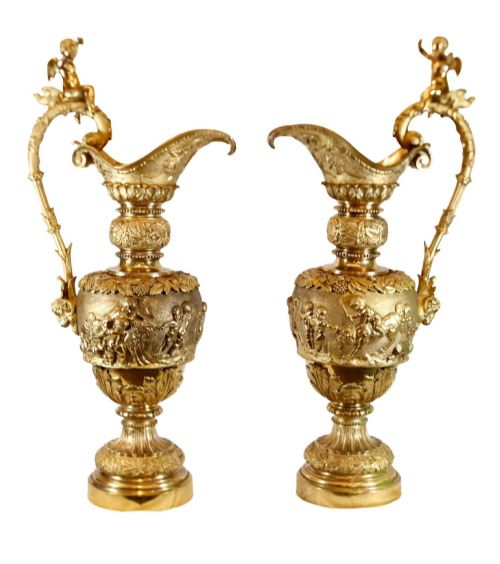
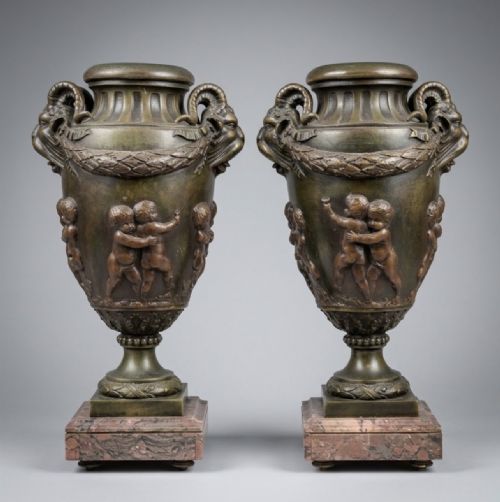
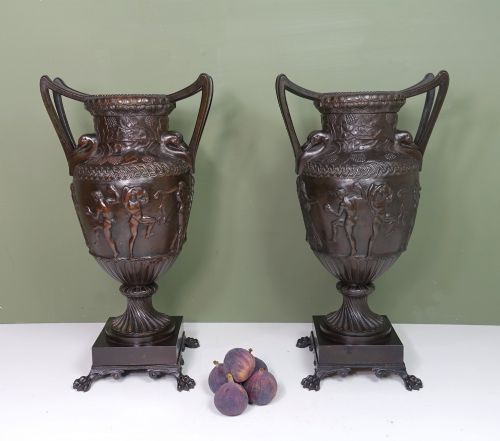
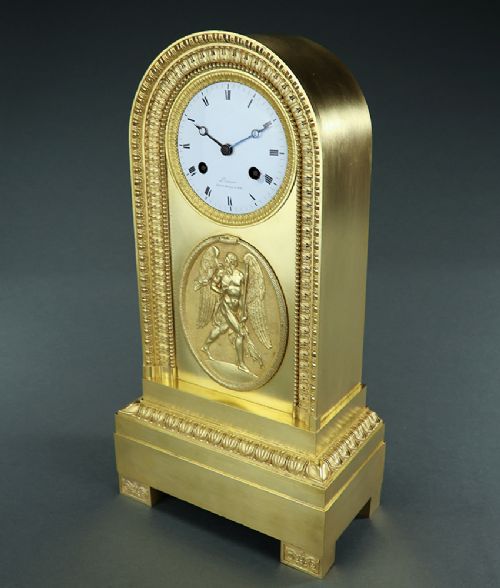
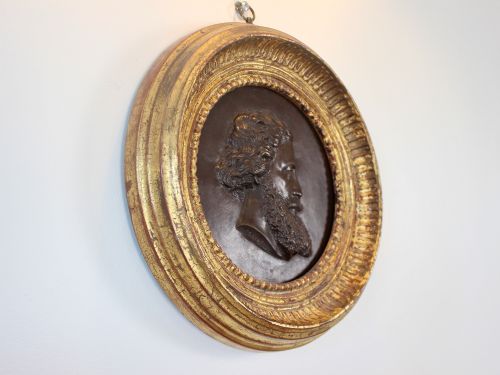
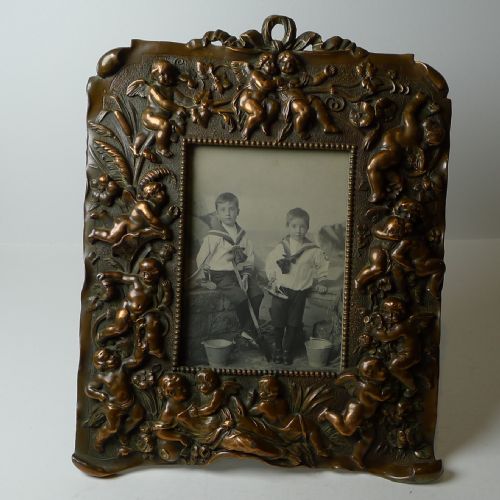
A french bronze relief search brings up decorative objects and wall plaques cast with raised figures, from classical deities to putti and portrait heads. You will frequently find these motifs applied to urns, ewers, mantel clocks, and framed plaques originating across the nineteenth century.
The styles span French Empire, Neoclassical, and Rococo revivals, alongside Grand Tour souvenirs and later decorative works. Many items incorporate marble bases, gilt highlights, or silvered finishes to enhance the cast metalwork.
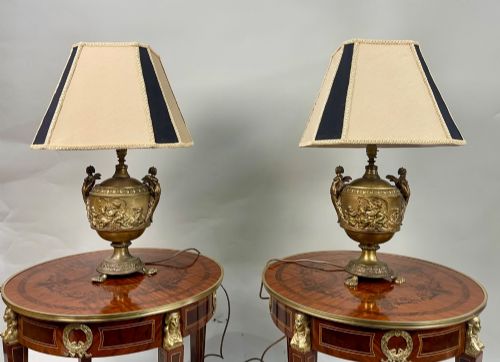
Forms range from wall-mounted plaques and photograph frames to heavy desk inkwells, decorative caskets, and large table lamps mounted with classical figures. These pieces reflect historic French design traditions focused on sculptural metal ornament.
What varies in quality
Quality rests in the crispness of the casting and the depth of the hand-chased surface details. Superior examples show clear definition in facial expressions, musculature, and ornamental scrollwork without softening in the recessed areas.
The finish also determines the tier of the piece, with well-preserved fire gilding, rich patination, or carefully applied silvering setting finer works apart from simpler cast metal items.
French Bronze Relief Retail Price Guide 2026
Typical asking prices for french bronze relief among the pieces listed under this phrase on Sellingantiques today, from the lower quarter to the upper quarter. They describe what is for sale here now, not the wider market.
Materials documented across the inventory include bronze, gilt bronze, ormolu, marble, brass, silvered metal, fabric, and giltwood.
Poix Blin·Barbedienne, Paris
The French Bronze Relief Glossary
- Ormolu
- Gilt bronze produced by applying a finely ground high-carat goldmercury amalgam to a bronze object. This historic technique creates a warm, deep yellow lustre.
- Patination
- The surface coloration and sheen developed through age or chemical treatment on metal. It adds depth and character to the underlying bronze relief.
- Putti
- Depictions of plump, winged infant figures frequently seen in classical and revival art. They often accompany mythological scenes on plaques and urn mounts.
- Grand Tour
- A cultural journey across Europe undertaken by young gentry in the eighteenth and nineteenth centuries. Travellers purchased small bronzes and plaques as souvenirs.
- Ewer
- A large ornamental jug with a flared spout and curved handle. These vessels frequently feature classical figural reliefs cast into the body.
French Bronze Relief: Frequently Asked Questions
What is a bronze relief plaque?
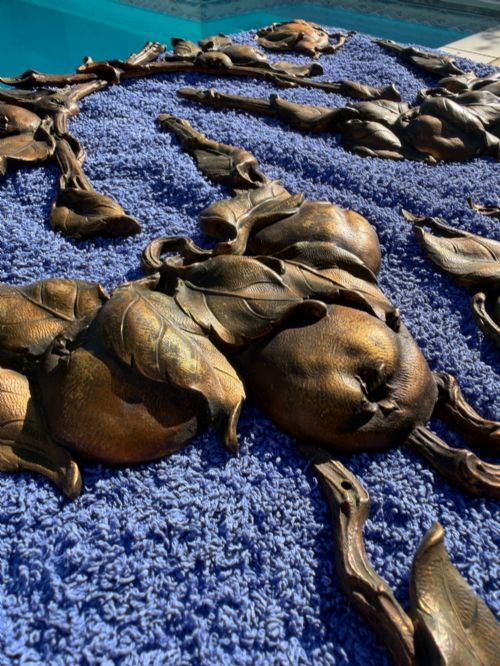
A bronze relief plaque is a flat or shaped panel where figures and patterns project from the background surface rather than sitting completely flat. These pieces were designed to be mounted on walls or set into wooden furniture.
Most examples focus on classical mythological scenes, portraits, or allegorical figures framed by decorative borders.
How do I clean french bronze relief items?
Maintenance requires only gentle dusting with a soft, dry cloth to prevent dirt from settling into the recessed areas of the casting. Avoid using metal polishes or harsh chemical cleaners, as these can strip away historic gilt or patinated finishes.
Preserving the original surface is essential for maintaining the character and historical integrity of the piece.
Where were these pieces displayed historically?
These decorative objects typically adorned nineteenth-century salons, libraries, and studies as symbols of classical learning and refined taste. Mantel clocks, urns, and inkwells sat prominently on surfaces while plaques hung directly on panelled walls.
They served both functional roles and purely decorative purposes in formal European interiors.
How can I tell the period of a bronze relief?
Dating relies on examining the casting quality, the mounting style, and the secondary materials like marble or mahogany used in the construction. Nineteenth-century pieces often reflect specific revivals such as Neoclassical or Empire designs.
Signatures or foundry marks stamped into the metal can also provide direct clues to the date and origin.