

French Bronze Pendant Light
These french bronze pendant light fixtures range from delicate hall lanterns to grand crystal chandeliers, bringing authentic period illumination to any interior space.
French Bronze Pendant Light
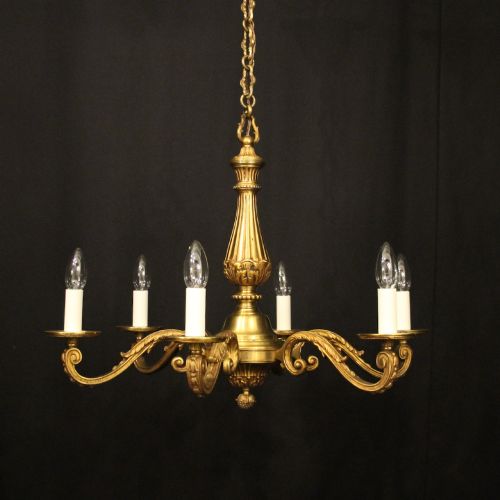
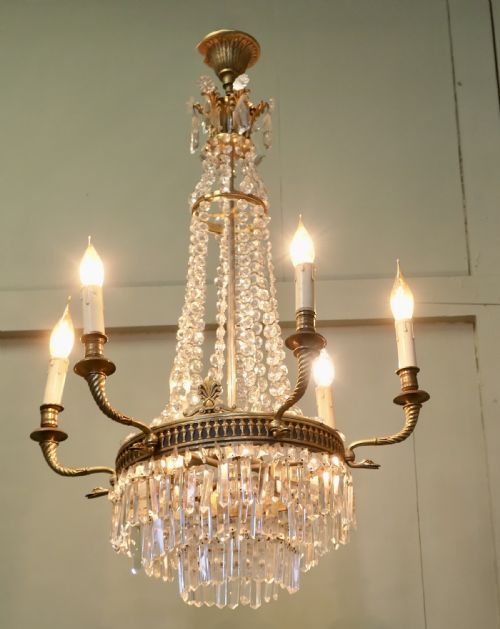
A french bronze pendant light encompasses a variety of ceiling-hung fixtures, most commonly encountered as multi-light chandeliers, hall lanterns, and tent-and-waterfall configurations. These pieces originate predominantly from the nineteenth century through the early decades of the twentieth century, reflecting enduring design traditions.
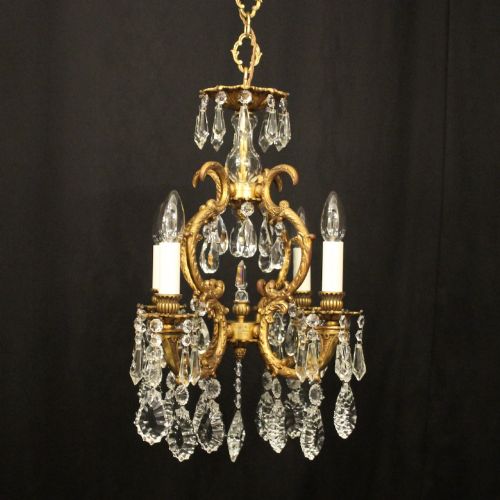
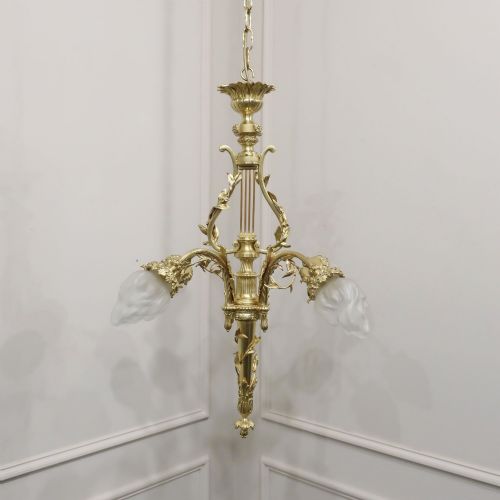
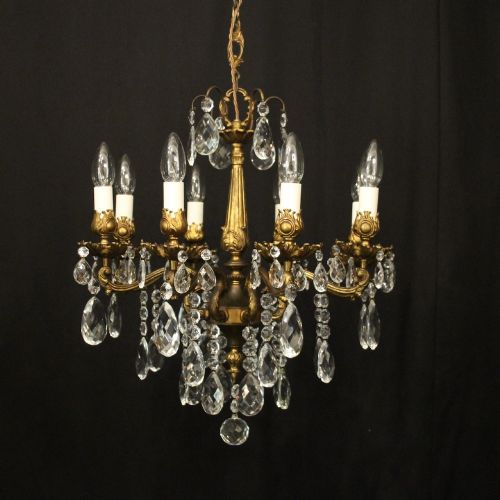
Buyers frequently encounter items styled in the French Rococo, Neoclassical, Empire, and Louis Revival idioms. The inventory spans straightforward bronze forms to elaborate creations ornamented with cut glass crystal and gilt finishes.
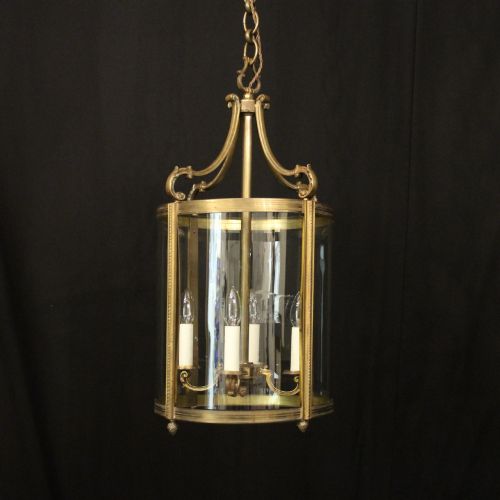
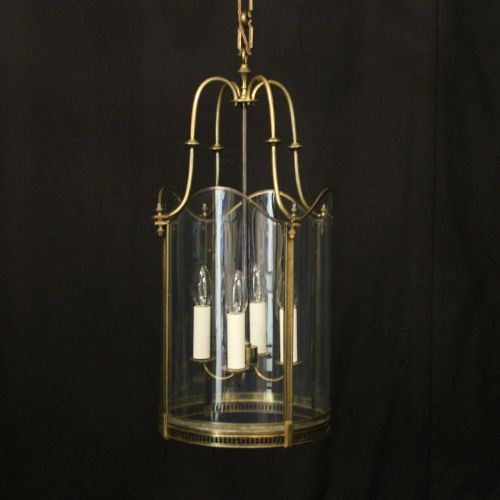
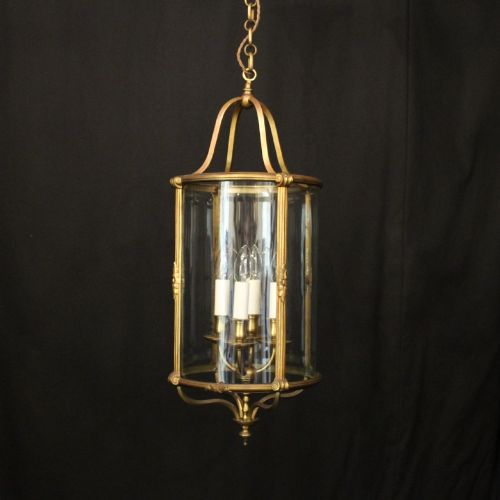
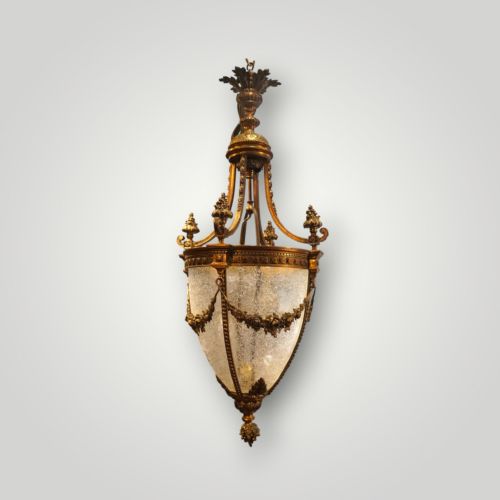
The selection includes specialised architectural forms such as convex hall lanterns and birdcage chandeliers alongside standard ceiling lighting. Each piece demonstrates the decorative metalwork vocabulary characteristic of French workshops from the period.
Materials and Construction Methods
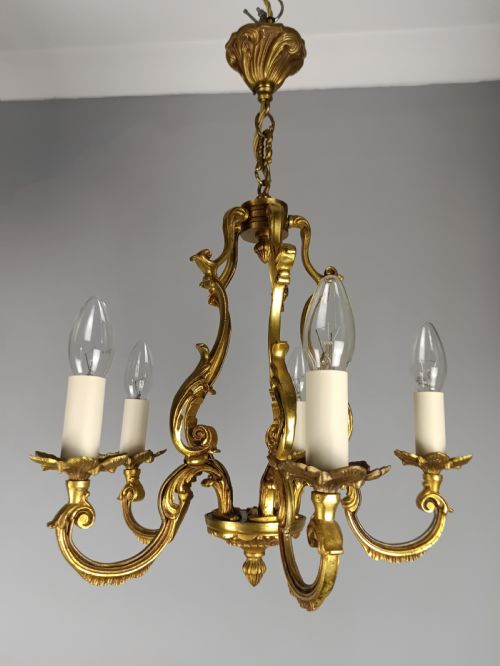
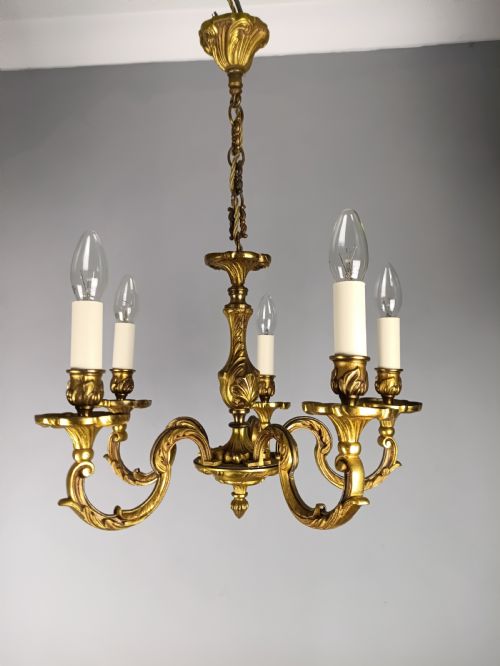
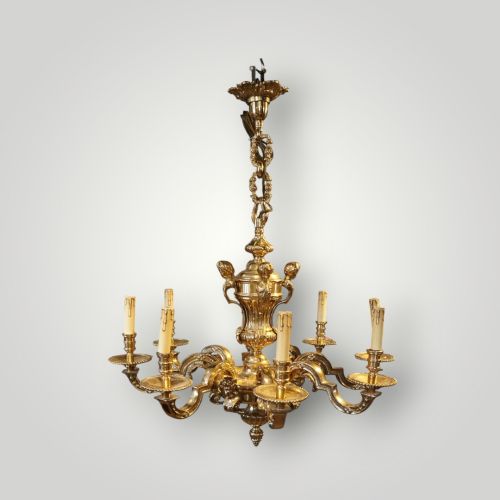
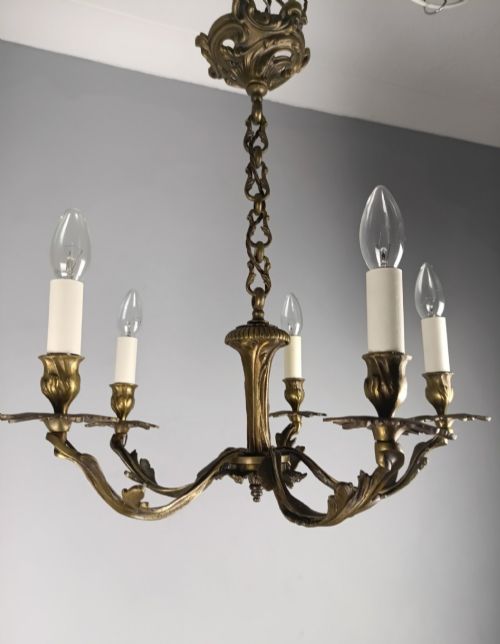
Foundry work relied heavily on cast bronze, brass, and spelter, often enhanced with fire-gilding, silver-gilding, or surface patination to achieve rich metallic tones. Metal frames were constructed to support numerous light branches, frequently incorporating decorative elements like leaf motifs, cherubs, and classical lyre shapes.
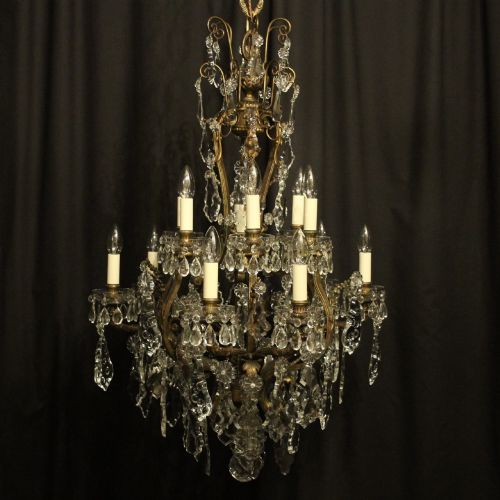
Glass components played an integral role, utilising cut glass crystal spikes, icicle shades, and alabaster bowls to refract and diffuse the illumination. These glass elements were secured to the metal armature using traditional pin and wire methods appropriate to each period.
French Bronze Pendant Light Retail Price Guide 2026
Typical asking prices for french bronze pendant light among the pieces listed under this phrase on Sellingantiques today, from the lower quarter to the upper quarter. They describe what is for sale here now, not the wider market.
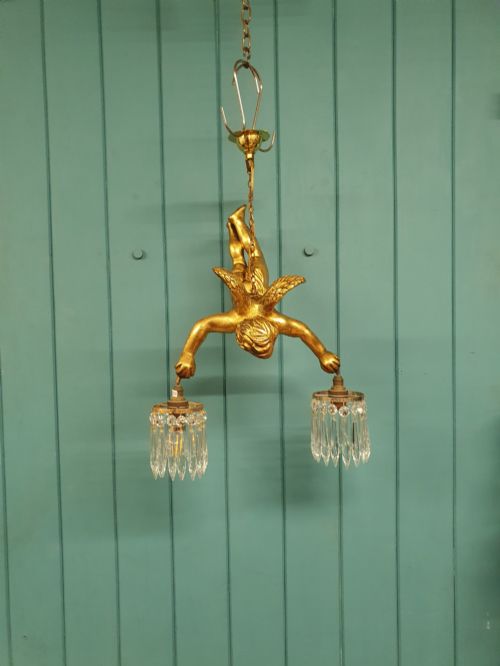
Flying cherubs occasionally join the lighting arrangement, holding crystal spikes aloft in mid-air.
Evaluating Quality and Craftsmanship
The distinction between standard and superior pieces rests in the crispness of the bronze casting and the depth of the chased detailing. Finer examples exhibit sharply rendered ornamentation on the arms and coronas, whereas lesser items show softer contours from worn moulds.
The integration of glass also indicates tier; substantial cut crystal drops and heavy convex glass panes signal higher grade production compared to pressed or thin moulded glass alternatives.
G.E.C
The French Bronze Pendant Light Glossary
- Bronze
- An alloy of copper and tin utilised for casting structural arms and decorative mounts. It forms the durable dark or patinated foundation for many antique fixtures.
- Gilt Bronze
- Bronze metal treated with a thin layer of gold or gold-coloured alloy to create a bright, reflective surface. It is frequently associated with formal nineteenth-century French salon lighting.
- Tent and Waterfall
- A lighting configuration featuring strings of crystal beads draped in a tent shape above, paired with cascading crystal strands below. This layout maximises light refraction across large rooms.
- Hall Lantern
- An enclosed ceiling fixture designed for entranceways and corridors, typically featuring glazed glass panels held within a metal frame. These protect the internal burners or candles from draughts.
- Spelter
- A zinc alloy used as a less costly alternative to bronze for cast figures and ornaments. It takes metallic finishes well but possesses a lighter weight and softer composition.
French Bronze Pendant Light: Frequently Asked Questions
How do I hang a heavy antique chandelier?
Suspension requires locating a ceiling joist capable of supporting the dead weight of the metal and crystal fixture. Professional installation using a rated hook and proper electrical junction box is strongly recommended for safety.
The chain length should be adjusted so the bottom of the pendant clears standard walking height while remaining appropriately proportioned to the room volume.
Were these lights originally wired for electricity?
Most pieces originating from the nineteenth century and early twentieth century were originally configured for candles or gas lighting. They have subsequently been converted to accept modern electrical wiring.
Rewiring ensures compliance with current safety standards while preserving the historic metalwork and decorative exterior frame.
How should I clean crystal and bronze fixtures?
Regular maintenance involves gentle dusting with a soft, dry brush to prevent grime accumulation on the intricate metal surfaces. Crystal components can be wiped down with a mild solution using a lint-free cloth without removing them from the frame.
Harsh chemical cleaners must be avoided entirely, as they strip the historic gilt or bronze patination permanently.
What rooms suit a hall lantern best?
Hall lanterns were traditionally designed for narrow transition spaces, entrance halls, and high-ceilinged stairwells where vertical clearance is needed. Their enclosed glass design diffuses light evenly in confined areas.
They also function effectively in larger kitchens or boot rooms to provide focused downward illumination.