



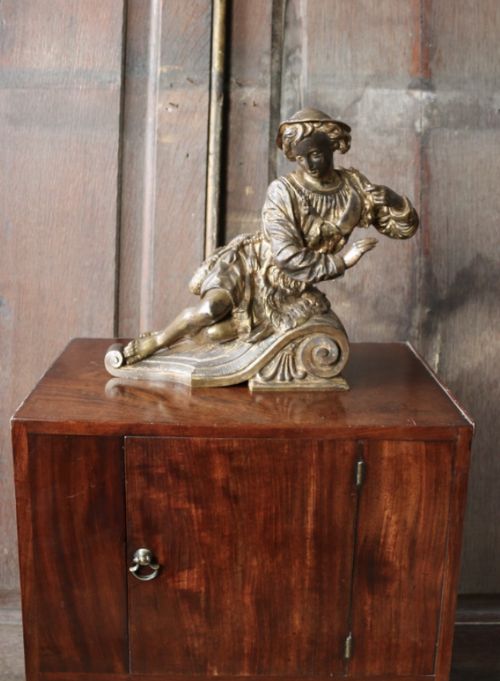


French Bronze Figural Statue
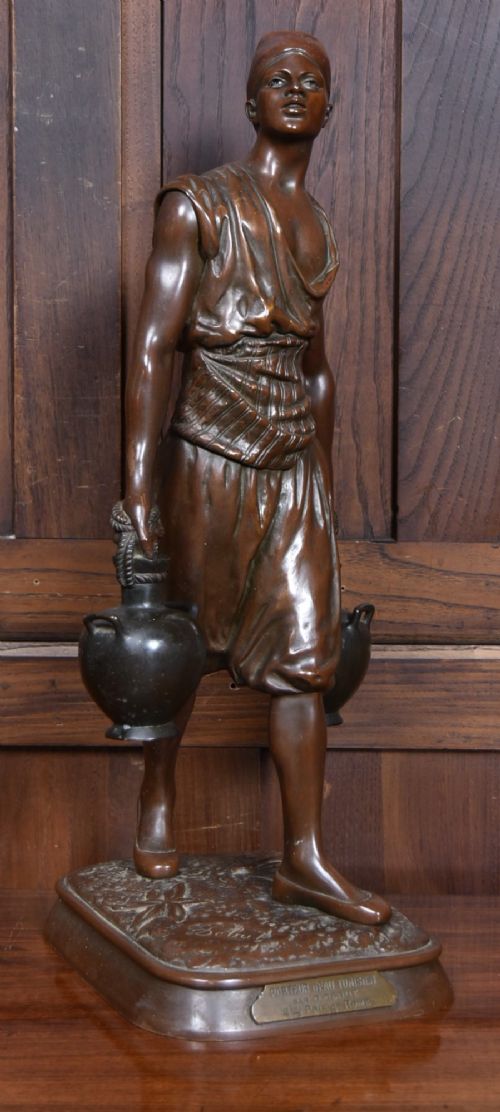
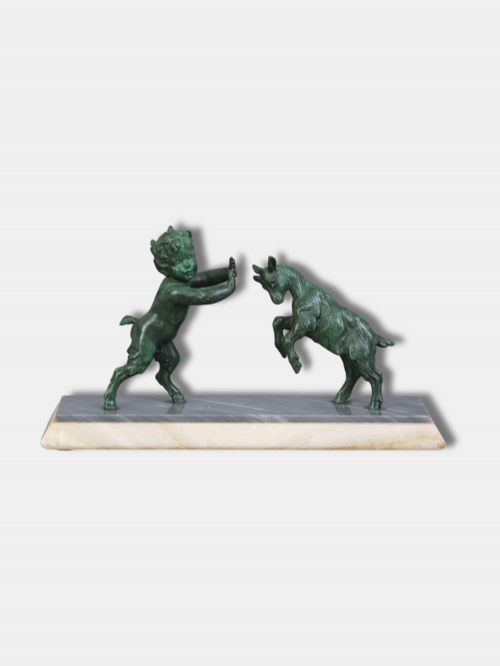
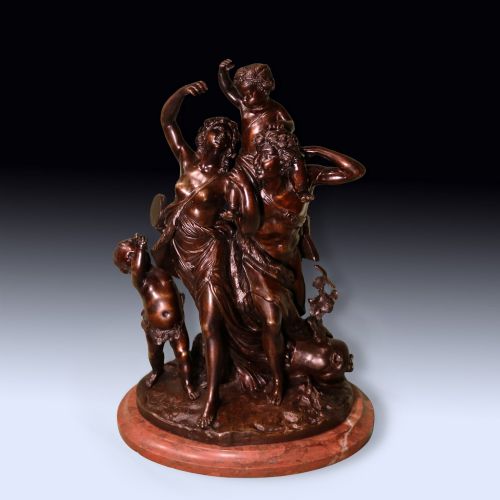
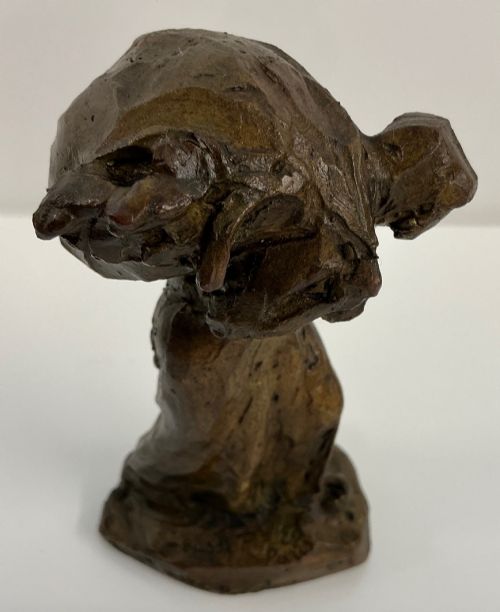
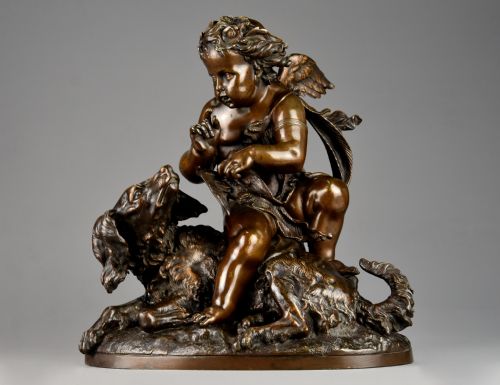
These french bronze figural statue pieces capture human and mythological forms cast in metal during the nineteenth and early twentieth centuries.
French Bronze Figural Statue
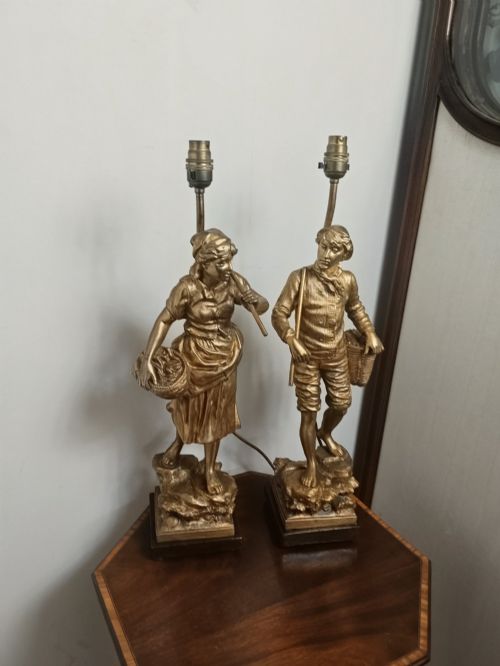
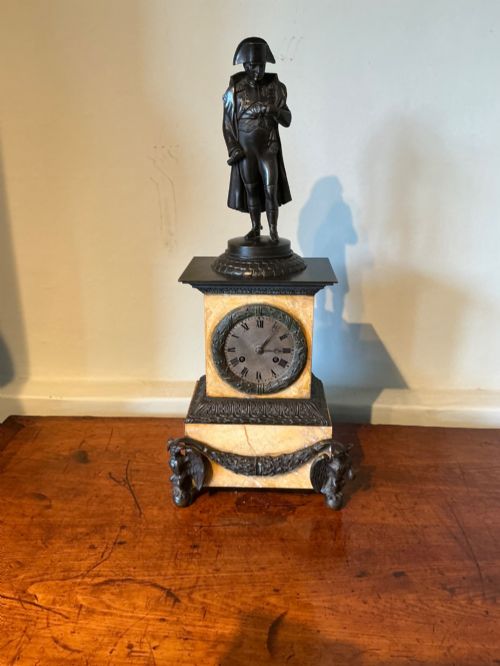
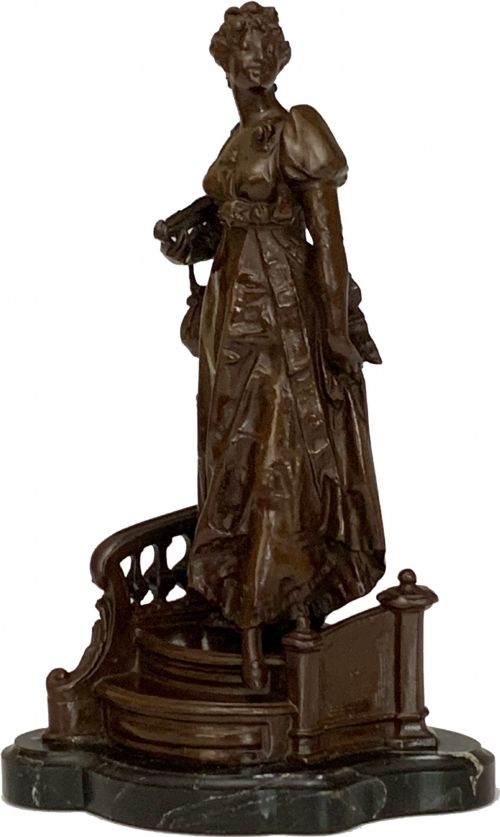
A french bronze figural statue brings sculptural form into domestic interiors through figures cast in metal, often paired with marble bases or adapted into mantel clocks and table lamps. These pieces represent subjects ranging from classical mythology and orientalist scenes to everyday rustic figures and elegant ladies.
The selections span distinct periods including the nineteenth century, Art Nouveau, and Art Deco, reflecting shifting tastes in ornamentation from rococo revival to sleek modernist lines. Buyers encounter subjects like fauns, children, nymphs, and soldiers created by notable European artists and workshops.
How they were made
Foundries utilised traditional lost-wax casting and sand casting methods to transform molten metal into detailed sculptural figures. Craftsmen then applied patinated finishes, gilt, or ormolu to the metal surface to achieve varied tonal depth and texture.
Many sculptures incorporate complementary materials such as carved marble for bases or plinths, while related decorative objects combine wood, glass, and spelter as a base metal alternative.
Listings feature works from the nineteenth century through the Art Deco period, utilising bronze, spelter, marble, and gilt metal.
What varies in quality
The depth and subtlety of the patination influence the overall aesthetic weight, with layered chemical patinas providing nuance that flat, uniform paint or simple darkening lacks.
Emile Carlier·Jules Dalou·Georges Van Der Straeten·Carrier-Belleuse·E. Drouot·Hector Lemaire·P. Sega·Emile Picault·Claudius Marioton·Auguste Moreau·Lucien Madrassi·Ernst Barrias·Alexandre Kelety·Joaquim Angles·Emmanuel Villanis·Dumond
The French Bronze Figural Statue Glossary
- Patinated Bronze
- A bronze object treated with chemical solutions to produce a specific surface colour, ranging from deep brown to verdigris. This layer protects the metal while enhancing visual texture.
- Ormolu
- Gilded bronze produced by applying a finely ground high-carat gold-mercury amalgam to a bronze object, then heated to drive off the mercury. The technique creates a rich, durable golden surface.
- Spelter
- An alloy of zinc and lead, sometimes mixed with copper, used as a less expensive alternative to bronze. It accepts metallic paints well to simulate bronze or patinated finishes.
- Lost-wax casting
- A metalworking process where a molten metal is poured into a mould that has been created by melting away a wax model. This method allows for intricate undercut details and fine lines.
French Bronze Figural Statue: Frequently Asked Questions
What subjects do these figures show?
These sculptures depict mythological characters, allegorical themes, historical soldiers, and everyday figures engaged in domestic or rural tasks.
Artists drew inspiration from classical antiquity, contemporary literature, and natural forms to shape these character studies.
How do I care for bronze?
Dust the surface gently with a soft dry cloth to prevent particulate accumulation without disturbing the original patina. Avoid applying household cleaning agents, oils, or waxes unless advised by a specialist.
Keep the pieces away from direct moisture and extreme temperature fluctuations to protect the metal and any attached marble components.
Are spelter and bronze different?
Spelter is a softer zinc-based alloy, whereas bronze is a durable copper and tin alloy used for finer sculptural detail. Spelter pieces generally feel lighter and were produced as accessible alternatives to solid bronze.
Inspect the underside or areas of wear to determine the base metal underneath any applied patinated finish.
How do I identify Art Nouveau works?
Art Nouveau statues feature organic flowing lines, stylised floral motifs, and depictions of sweeping hair or billowing drapery. These pieces typically date from the late nineteenth century to the early twentieth century.
The sculptural stance and decorative bases often embrace asymmetry inspired by natural plant growth.