



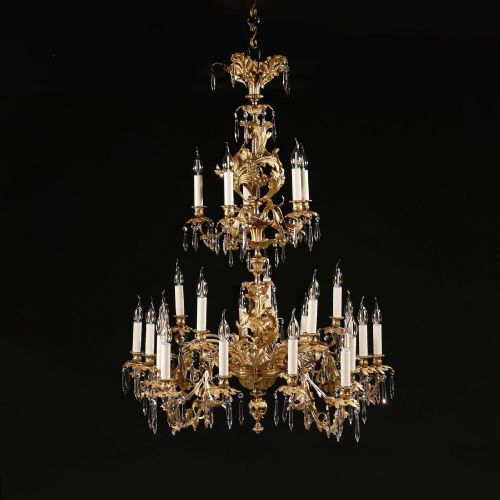
French Bronze Chandelier
A french bronze chandelier brings weight and measured ornament to a room, drawing the eye with cast metal and crystal prisms.
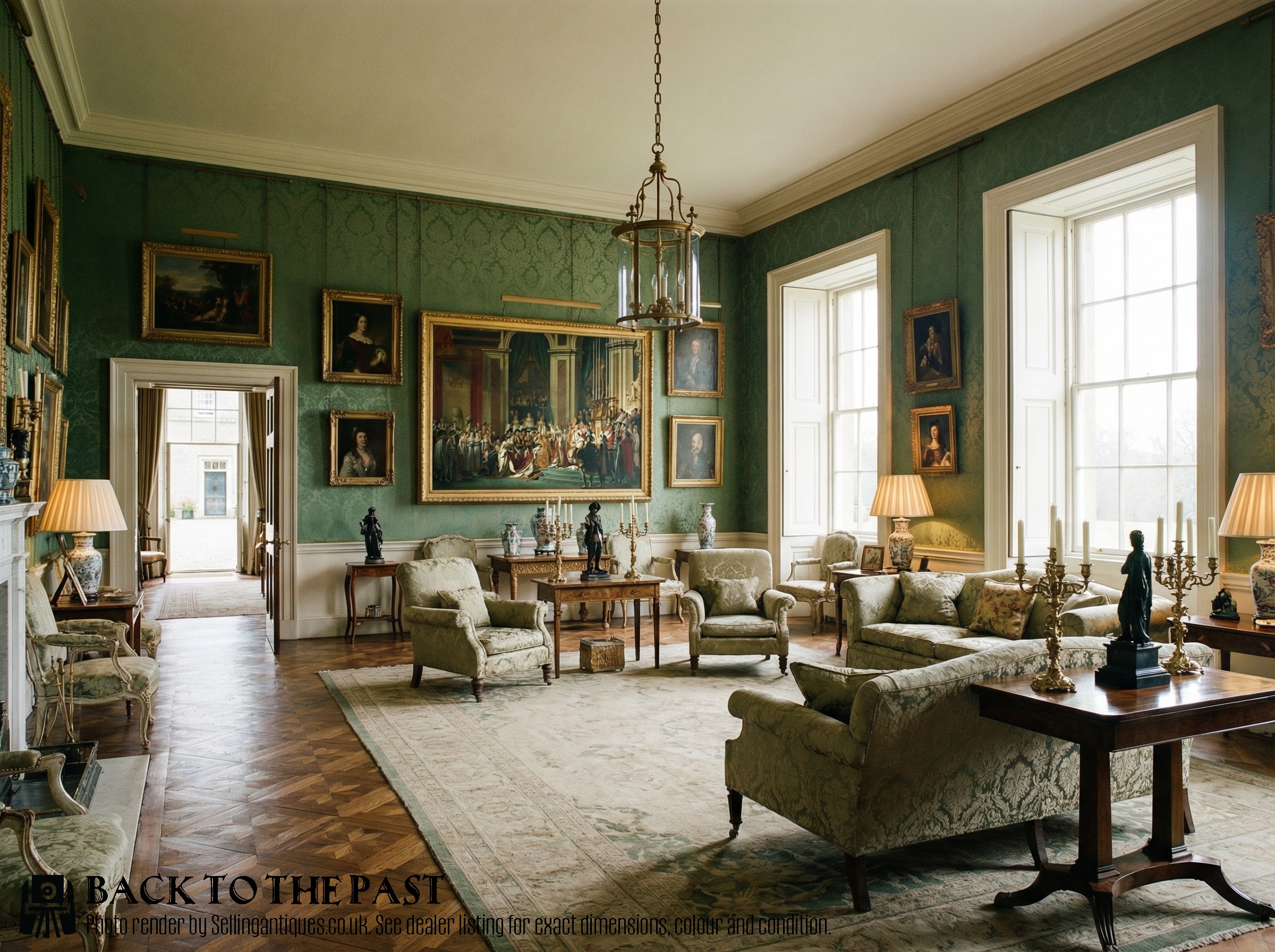
French Bronze Chandelier
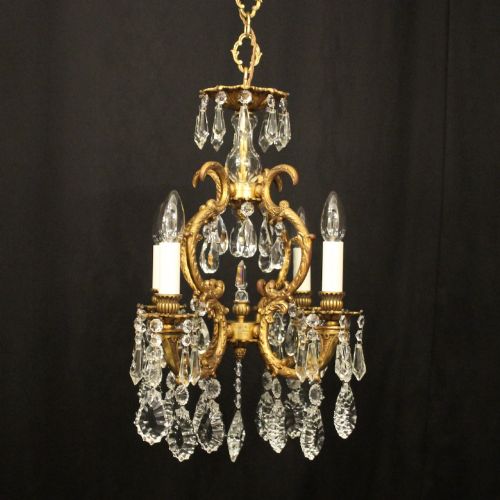
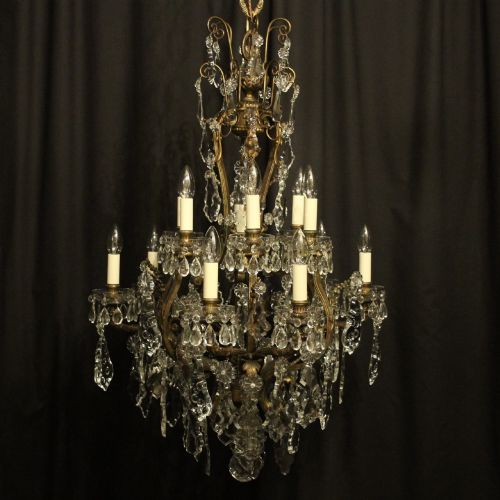
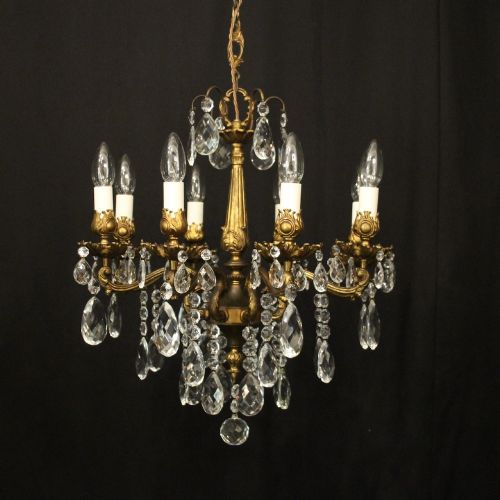
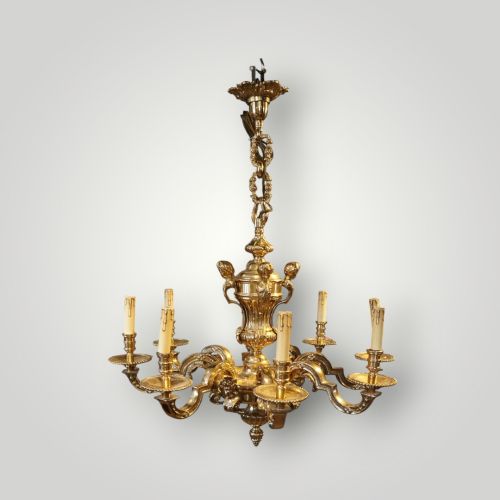
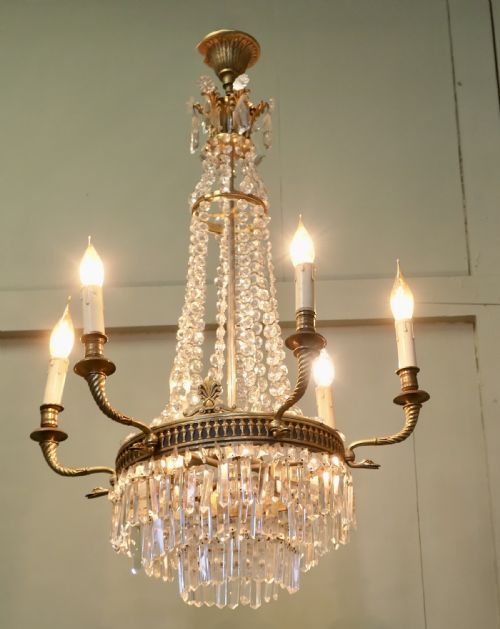
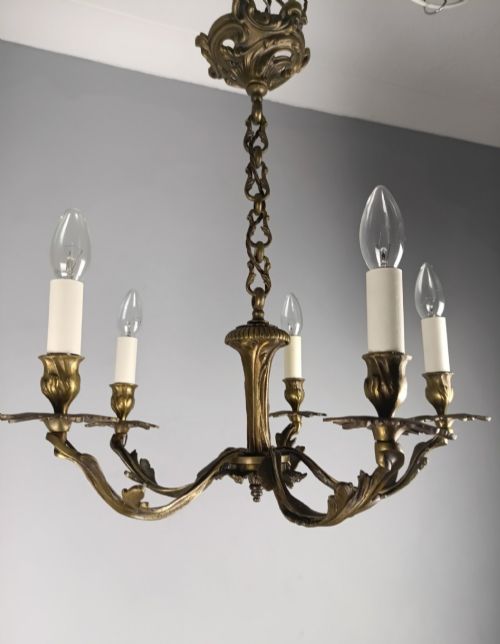
When you search for a french bronze chandelier, you encounter a range of heavy metal fixtures designed to suspend from the ceiling and scatter candlelight or electric illumination. The most common survivals date from the nineteenth century and the early decades of the twentieth century, carrying stylistic influences from the reign of Louis XVI, the Empire period, and Rococo revivalism.
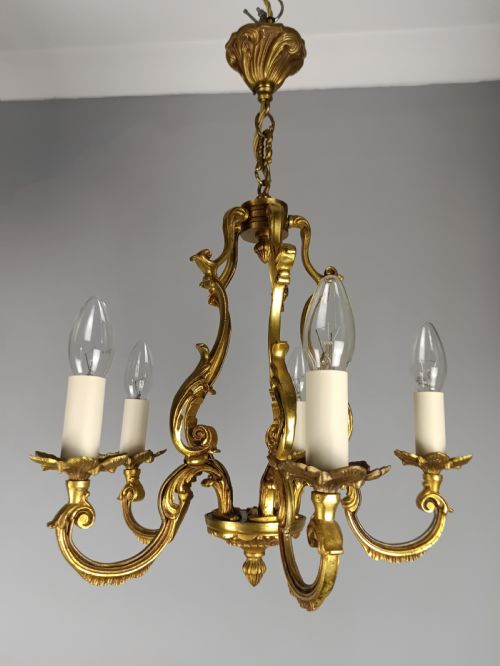
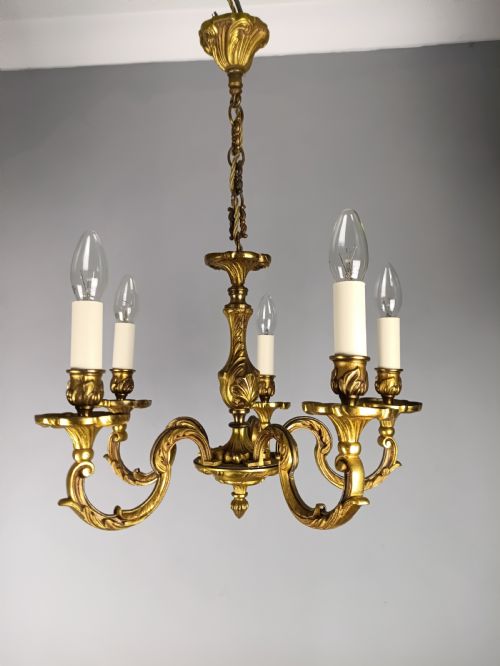
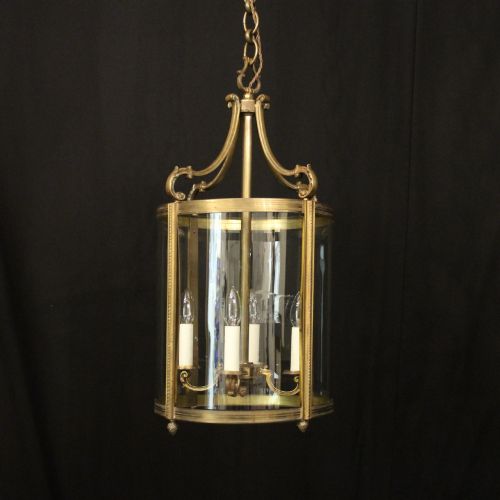
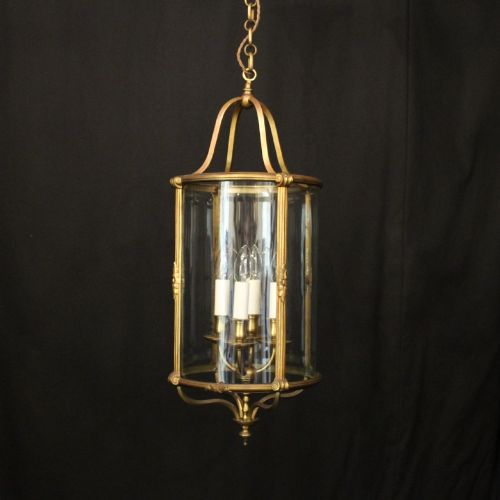
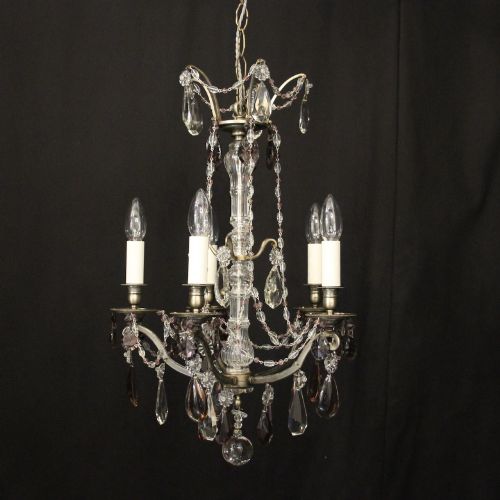
These fixtures take many structural formats, from simple multi-arm branch designs to elaborate tent and waterfall configurations draped in cut glass. Alongside standard chandeliers, the tradition includes hall lanterns, birdcage frames, and matching wall lights that share the same foundry work and metal finishing.
The aesthetic leans heavily into classical restraint or exuberant scrollwork, depending on whether the piece follows Neoclassical symmetry or organic Rococo asymmetry. Bronze, gilt brass, and dark patinated metal provide the structural backbone for creations that often incorporate crystal drops and spires.

Foundry Work and Assembly
The creation of these pieces relied on traditional sand casting or lost-wax casting methods to shape bronze, brass, and spelter into intricate arms, bobeches, and decorative mounts. Artisans then chased the cooled metal by hand, sharpening details like acanthus leaves and ribbon twists with chisels and gravers.
Many frames received a layer of fire gilt or gold leaf to produce a rich, reflective surface, while others retained a dark brown or black patinated bronze finish. Cut glass and crystal components, secured with wire pins, were added to refract the light and multiply the visual impact of the illumination.
French Bronze Chandelier Retail Price Guide 2026
Typical asking prices for french bronze chandelier among the pieces listed under this phrase on Sellingantiques today, from the lower quarter to the upper quarter. They describe what is for sale here now, not the wider market.
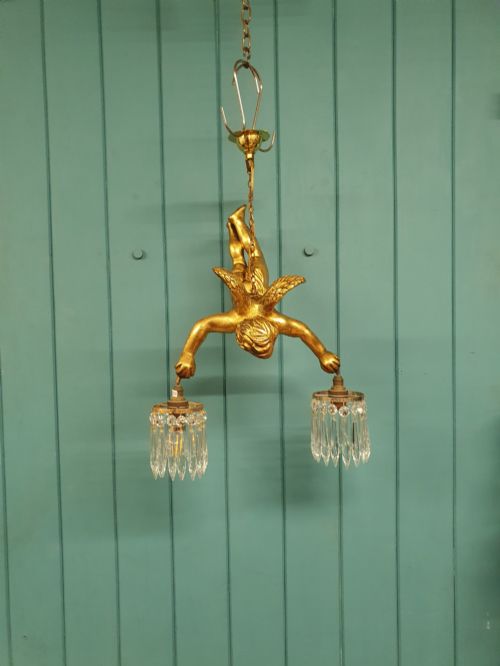
Flying cherubs occasionally share chandelier duty with crystal spikes, proving that antique lighting takes design inspiration from the heavens.
Distinctions in Execution
Quality rests primarily in the crispness of the metal chasing and the depth of the gilding or patination. Finer examples display sharp, cleanly articulated casting where secondary details remain distinct rather than softened by wear or secondary moulding.
The integration of the glass and crystal elements also separates standard production from superior work. High-end pieces utilise heavy, hand-cut crystal drops that retain sharp facets, suspended securely from robust cast frames that bear the immense weight without distortion.
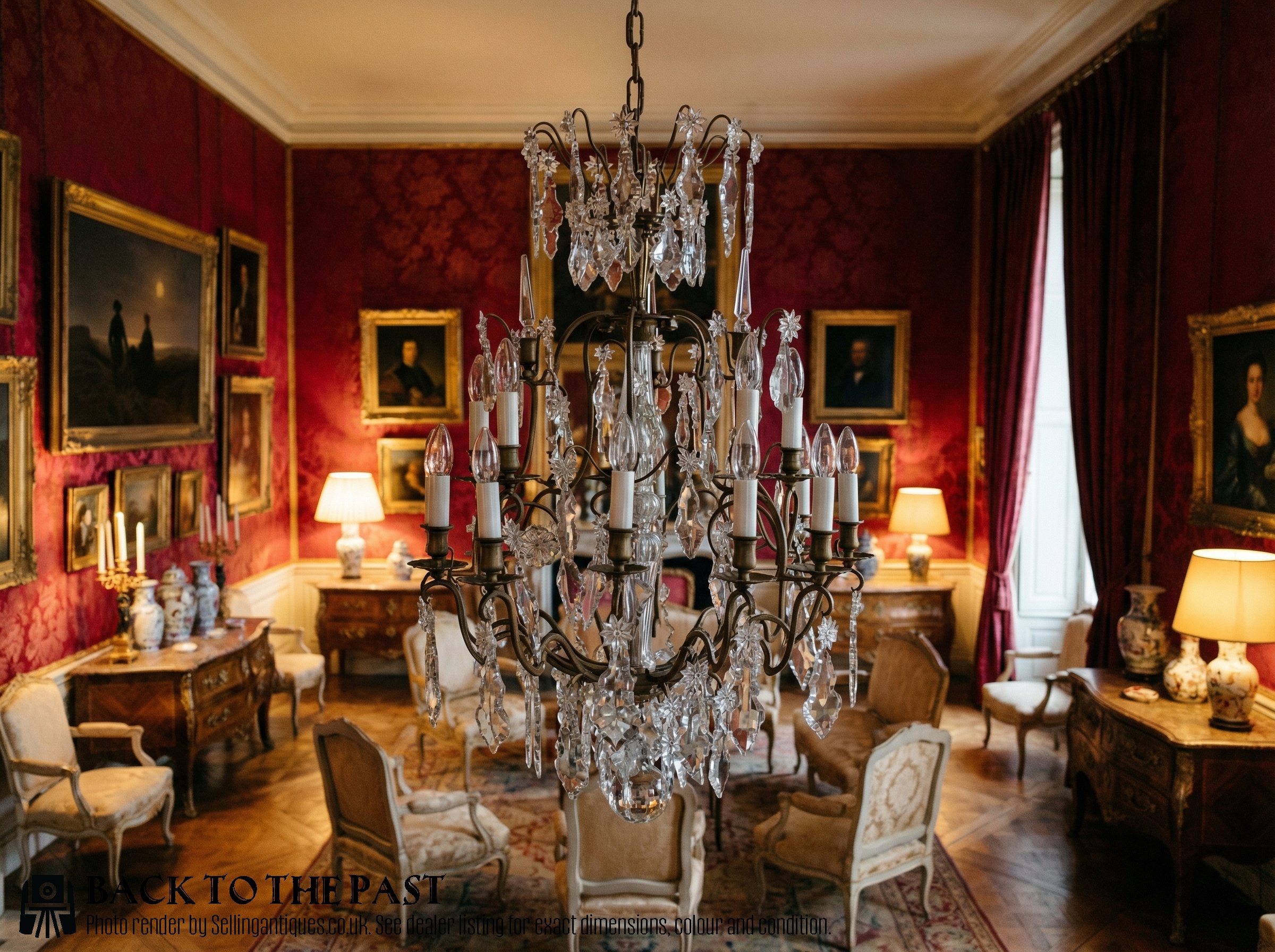
Petitot·G.E.C
The French Bronze Chandelier Glossary
- Gilt bronze
- Bronze that has been coated with a layer of gold, often through mercury gilding in earlier pieces or electroplating later on. This finish provides a warm, permanent golden hue that resists tarnishing.
- Tent and waterfall
- A specific chandelier configuration where strings of crystal beads form an upper tent shape above a wider tier of cascading drops. This design maximises light refraction across a large space.
- Bobeche
- The small drip pan positioned beneath the candle nozzle or bulb holder to catch melting wax. In antique pieces, these are frequently hung with crystal prisms.
- Birdcage
- An open wirework frame construction that encloses the central shaft of the chandelier. This skeletal metal framework supports tiers of glass drops.
- Spelter
- A zinc alloy frequently used as a cheaper alternative to bronze during the nineteenth and early twentieth centuries. It accepts a bronze or gilt finish but lacks the heavy density of true bronze.
French Bronze Chandelier: Frequently Asked Questions
How do I clean a crystal chandelier?
Cleaning requires a gentle solution of warm water and mild soap applied by hand to each individual crystal and metal arm. Avoid harsh chemical sprays that can strip the gilt or patinated finish from the bronze frame.
Many collectors remove the crystal drops entirely for washing, allowing them to dry before reattaching them with fresh brass or wire connectors. Support the main frame securely during the process, as these fixtures carry considerable weight.
Were these originally for candles or electricity?
The earliest examples in this tradition were designed exclusively for candles, featuring drip pans and deep sockets to hold wax tapers safely. As technology progressed into the late nineteenth and early twentieth centuries, makers adapted the internal wiring channels to accommodate electric lamp holders.
Many surviving pieces have undergone conversion to electricity at various points in their history. It remains common to find fixtures retaining their original candle tubes alongside modern or period-appropriate internal wiring.
How do I date a french bronze chandelier?
Dating relies on an examination of the casting style, assembly methods, and electrical components where present. Pieces from the nineteenth century often display heavier hand-chased bronze work and pinned construction, while early twentieth-century examples incorporate standardised screw threads and early wiring.
Stylistic cues also provide clear markers, as Louis Revival and Empire proportions shifted between strict classical symmetry and more flamboyant ornamentation over the decades. Comparing the mounting brackets and nut types offers further confirmation of the manufacturing era.
Can heavy chandeliers hang safely in modern homes?
Installation requires anchoring directly into a ceiling joist or structural beam capable of supporting the full weight of the bronze and crystal assembly. Standard ceiling plaster and lath will not hold these heavy fixtures without substantial reinforcement.
Consulting a professional electrician ensures the mounting box and wiring are rated for the load. Proper weight distribution prevents structural strain on both the ceiling and the antique hanging loop.