





French Bronze Accessory
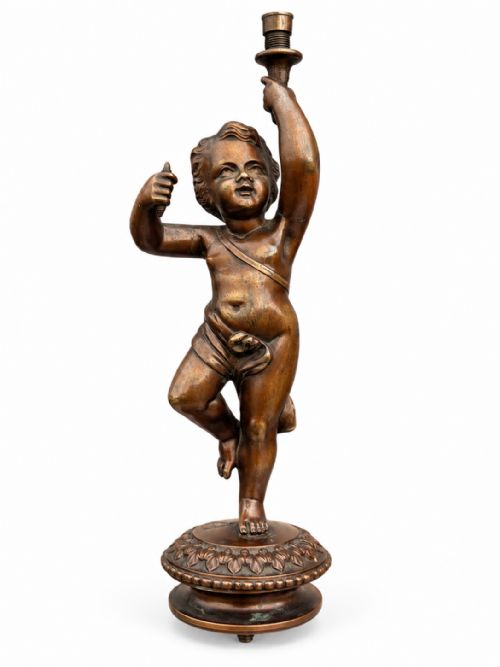
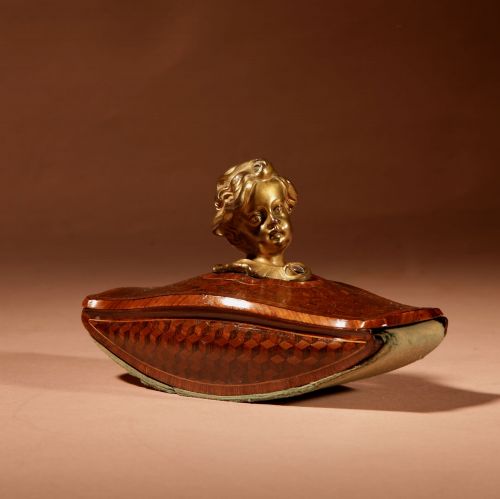
When you search for a french bronze accessory, you find desk furnishings and hearth furniture designed to catch the eye.
French Bronze Accessory
A french bronze accessory encompasses functional items for the writing desk and the hearth, spanning the nineteenth and early twentieth centuries.
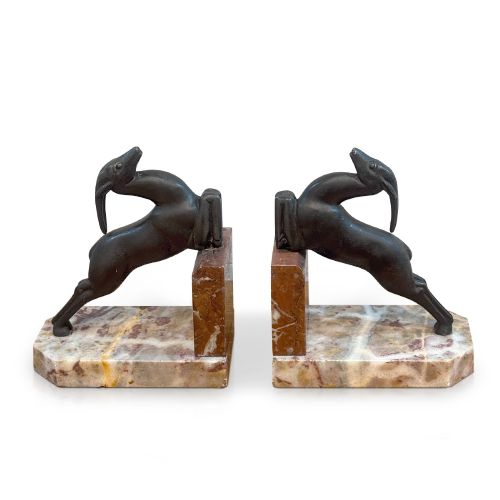
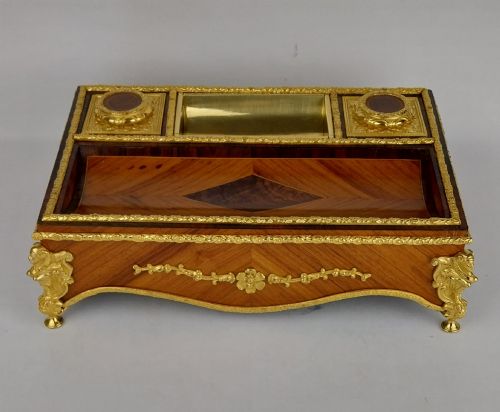
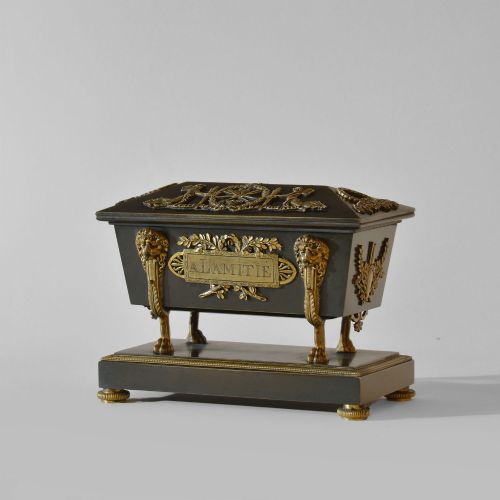
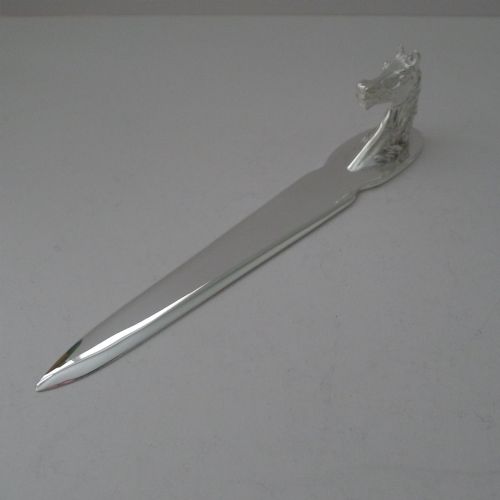
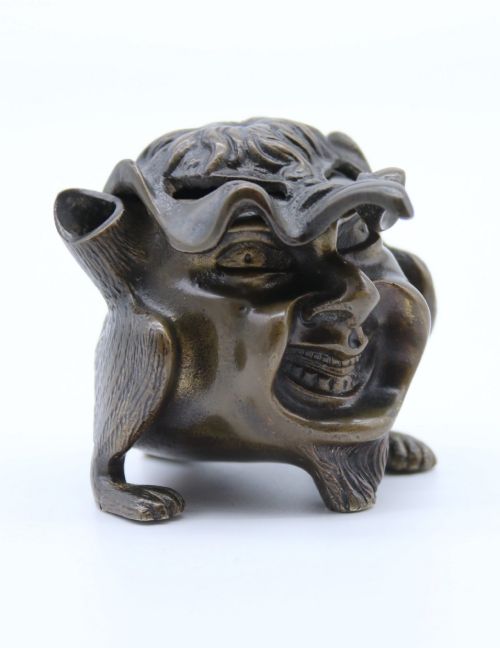
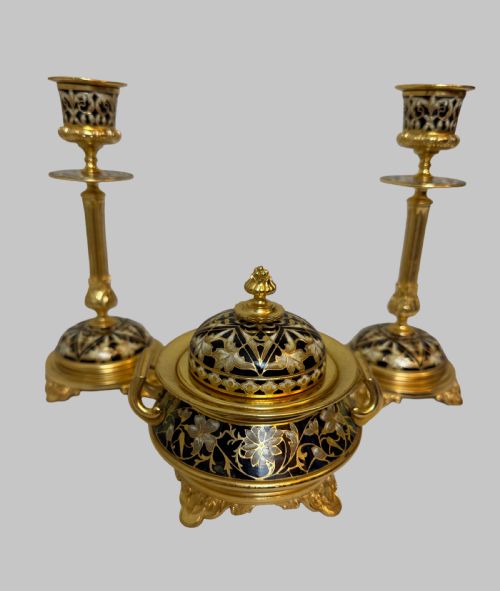
Desk furnishings dominate the selection, appearing as inkstands, inkwells, desk sets, letter openers, caskets, and bookends.
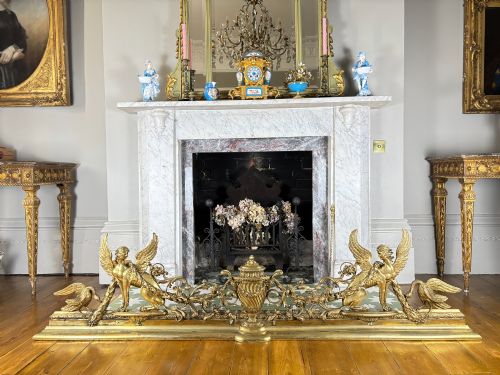
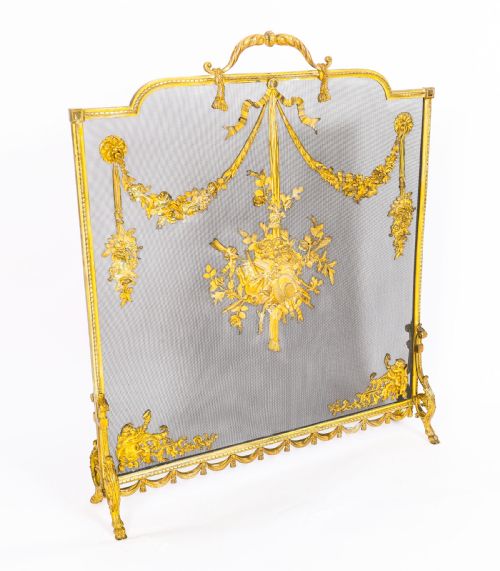
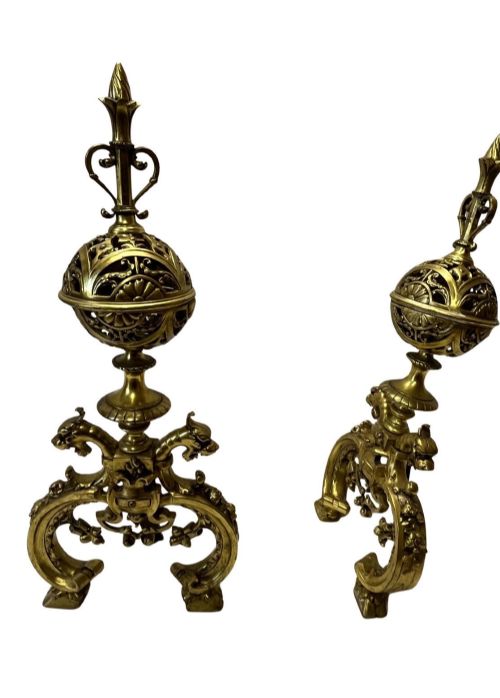
Hearth accessories form the other major group, represented by chenets, andirons, fire screens, and fire dogs.
Stylistic influences range from Neoclassical and French Empire through to French Rococo, Art Nouveau, and Art Deco.
How They Were Made
Cast metal components utilise bronze, gilded bronze, patinated bronze, ormolu, brass, and spelter.
Many items combine metalwork with contrasting stone bases, most notably Sienna marble.
Surface decoration incorporates champleve enamel work, parcel gilt highlights, and detailed chasing.
French Bronze Accessory Retail Price Guide 2026
Typical asking prices for french bronze accessory among the pieces listed under this phrase on Sellingantiques today, from the lower quarter to the upper quarter. They describe what is for sale here now, not the wider market.
Listings feature items spanning the 1800s to the 1930s, utilising bronze, ormolu, marble, and spelter across desk and hearth forms.
What Varies in Quality
The degree of chiselling and finishing applied to the cast metal surfaces distinguishes finer examples from simpler production.
The choice of base material and the integration between the bronze figures and marble plinths determine the overall visual weight of an object.
The coherence of decorative programmes, such as consistent Neoclassical or Art Deco motifs, separates ambitious studio pieces from standard items.
Albert Marionnet·Lefebvre·Rene Lalique
The French Bronze Accessory Glossary
- Ormolu
- Gilded bronze produced by applying a mercury and gold amalgam to a bronze base and heating it. This technique creates a rich, durable golden surface.
- Chenet
- An alternative term for an andiron used to support logs in an open fireplace. They often feature decorative frontal mounts made of cast bronze.
- Champleve
- An enamelling technique where troughs are dug into a metal surface and filled with vitreous enamel before firing. It frequently appears alongside gilt bronze mounts.
- Encrier
- A French term for an inkstand or inkwell. These desk accessories often incorporate pen trays and candle holders.
- Spelter
- A zinc alloy used as a cheaper alternative to bronze. It accepts metallic finishes to imitate heavier metals.
French Bronze Accessory: Frequently Asked Questions
What is a french bronze accessory used for?
These pieces served practical roles on writing desks or around the hearth in nineteenth and early twentieth century homes.
Items like inkstands held writing materials, while chenets supported logs inside open fireplaces.
How do I identify Art Deco pieces?
Art Deco items from the 1930s often depict stylised animal subjects, such as elephants or dogs, rendered in bronze or spelter.
The lines tend to be cleaner and more geometric compared to earlier nineteenth century styles.
Are marble bases original to the bronze?
Many desk accessories pair cast bronze figures with Sienna marble bases that date from the same period of manufacture.
The stone provides a stable plinth and a contrasting background for the gilded metalwork.
What distinguishes ormolu from gilded bronze?
Ormolu specifically refers to mercury gilding applied to bronze during the eighteenth and nineteenth centuries.
Gilded bronze is a broader term that can include various modern and historic plating methods.