

French Brass Three Light
French brass three light fixtures bring a measured Continental warmth to an interior through three-branch wall sconces, lanterns, and chandeliers.
French Brass Three Light
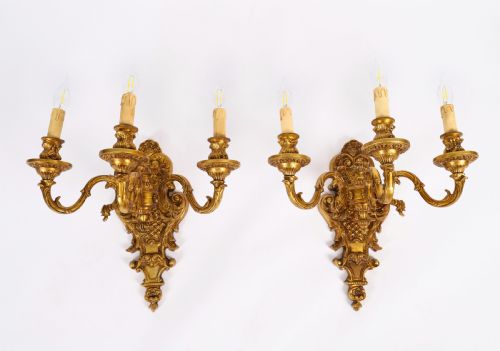
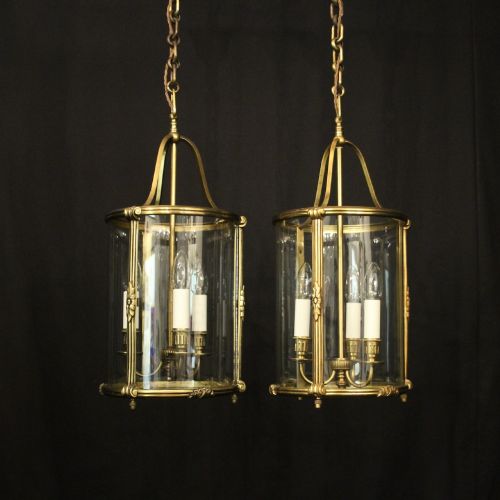
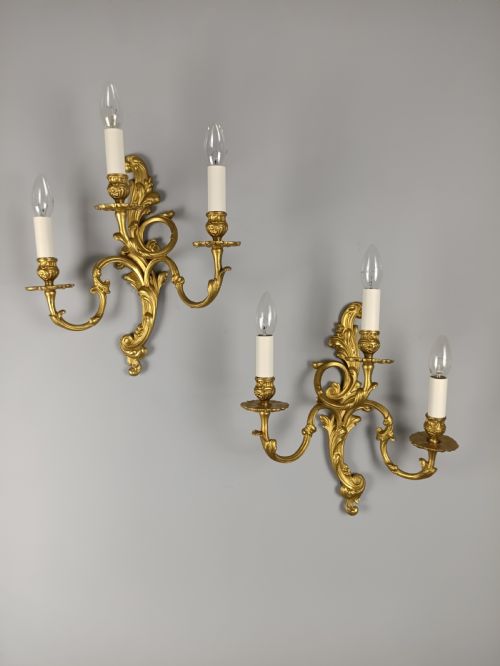
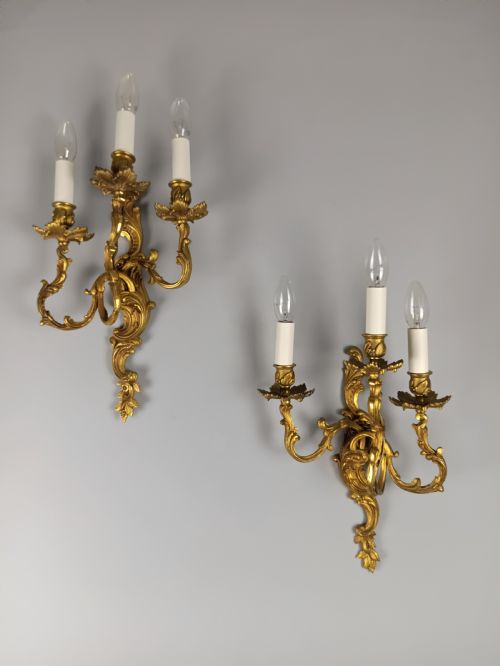
When searching for a french brass three light piece, one encounters wall lights, sconces, chandeliers, and hall lanterns bearing three branches or arms. These pieces emerge predominantly from the nineteenth and early twentieth centuries, spanning the nineteen-hundreds to the nineteen-thirties.
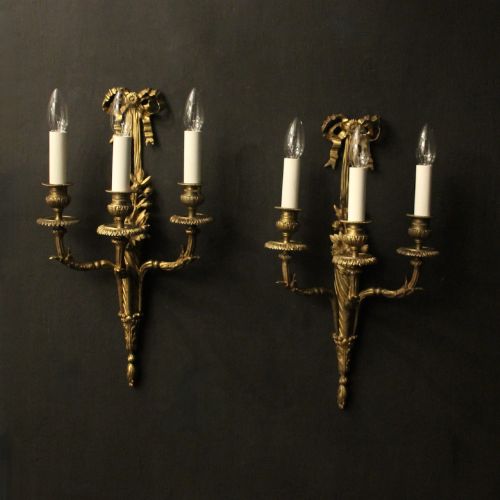
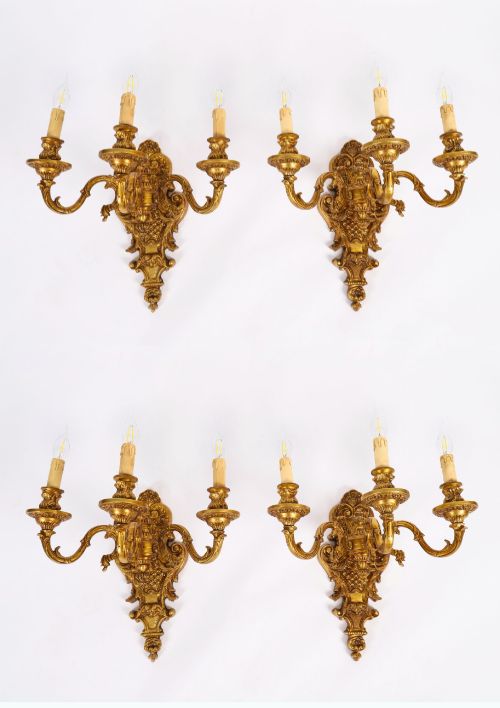
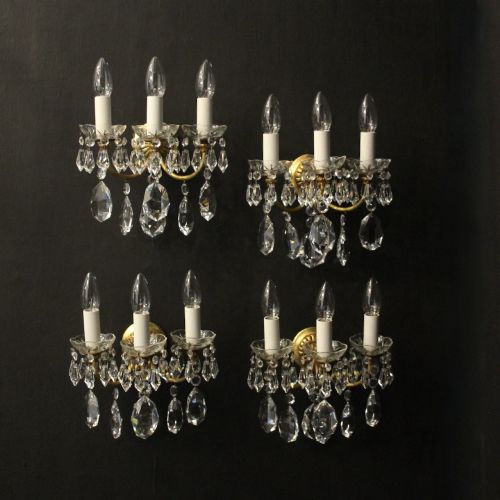
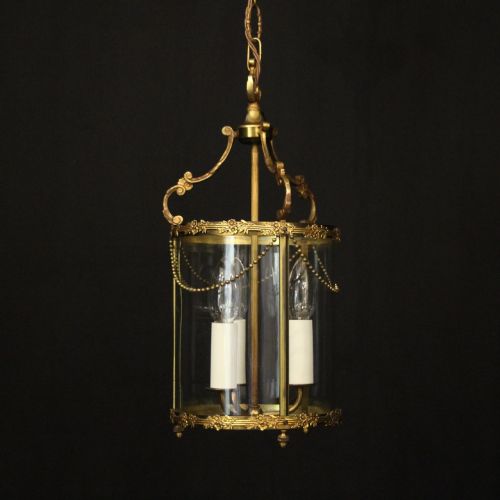
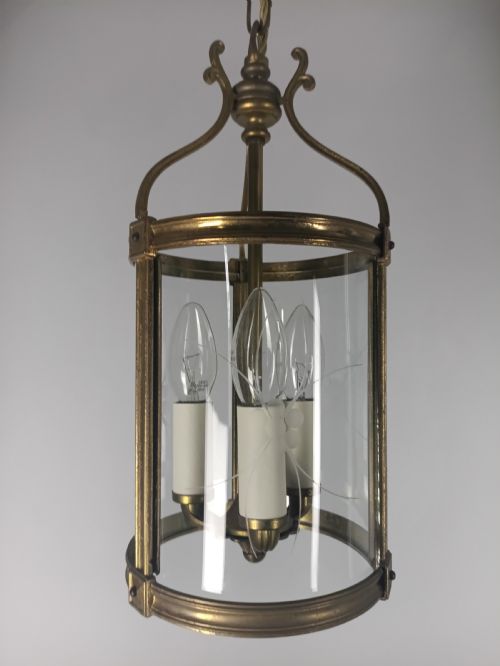
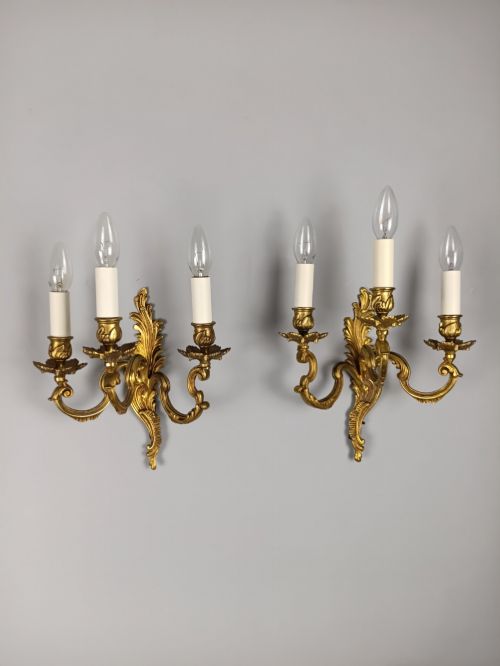
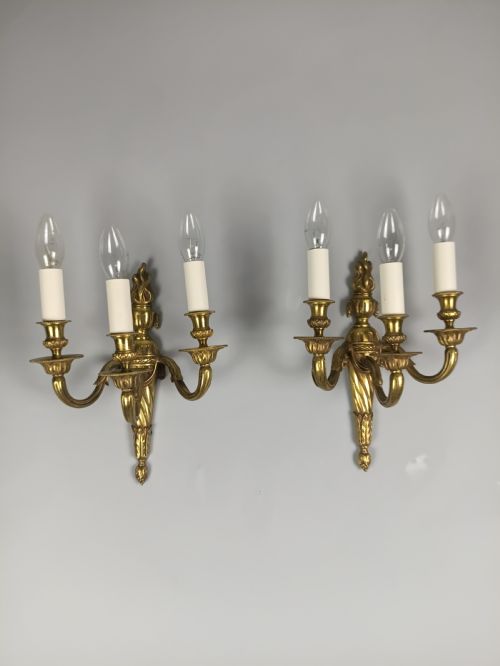
The selections on this page lean heavily towards wall sconces and hanging lanterns configured for three bulbs or candles. Stylistically, they draw on French Rococo, Louis XVI, and Baroque idioms, alongside later variations.
Makers and manufacturers from these periods utilised cast and chased metalwork to construct forms ranging from simple brass frames to elaborate gilt bronze appliques. The resulting items function as both structural illumination and decorative wall or ceiling adornments.
Materials and construction methods
The construction of these pieces relies primarily on brass, bronze, and gilt metal, often enhanced by mercury gilding or ormolu finishes. Foundries cast the structural arms and backplates, then refined the surfaces through manual chasing and polishing.
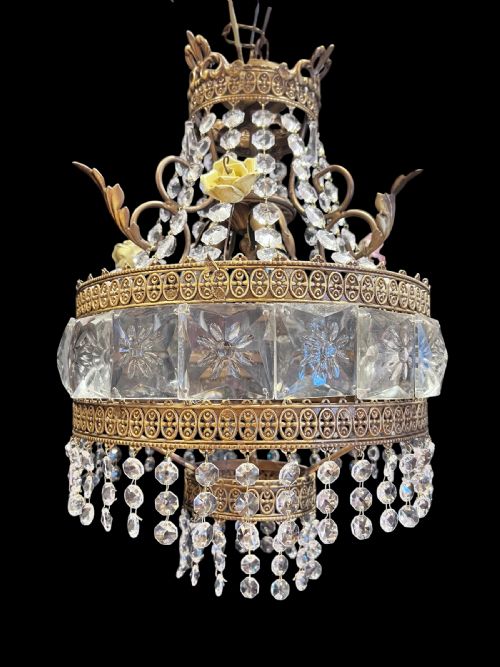
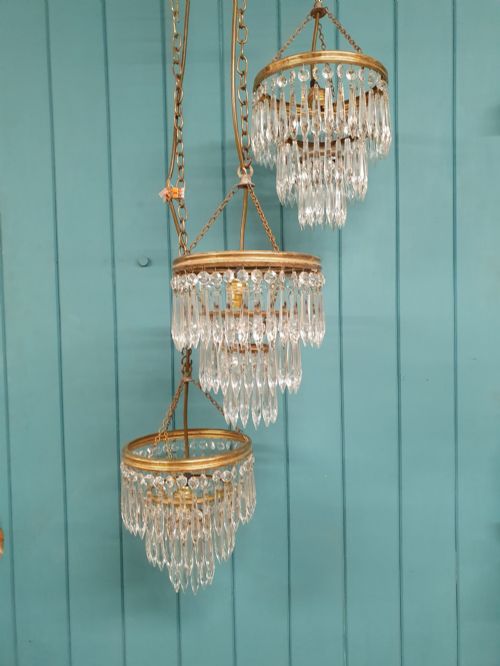
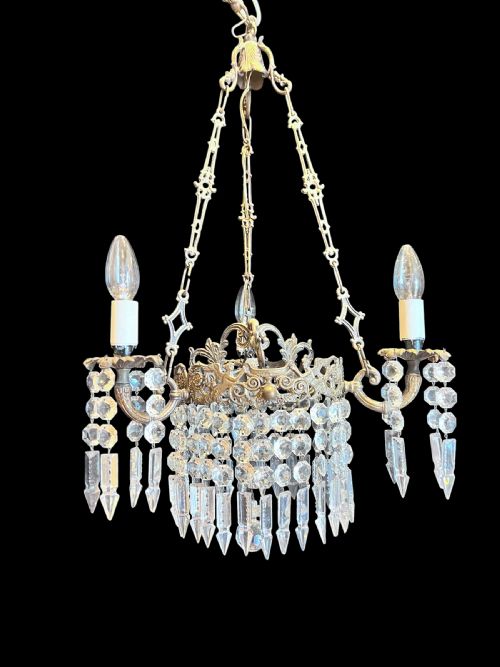
Crystal pendants, drops, and etched glass panels frequently accompany the metal frames, particularly on lanterns and chandeliers. These transparent elements refract the light from the three internal points, adding visual texture to the brass work.
Listings feature items spanning the Georgian era through to the 1930s, constructed from brass, crystal, and ormolu.
Factors of distinction
Quality in these three-light pieces is determined by the crispness of the metal casting and the depth of the chasing. Finer examples display sharp relief in the acanthus leaves and scrollwork, whereas simpler items show softer, shallower detailing.
The weight of the brass or bronze armature and the integration of high-grade crystal or hand-etched glass set superior examples apart from standard production pieces. Original fire gilding or well-preserved ormolu surfaces also elevate the standing of an item.
The French Brass Three Light Glossary
- Ormolu
- Gilded bronze produced by applying a mercury and gold amalgam to a bronze base and heating it. This technique creates a durable, golden surface seen on finer French wall lights.
- Applique
- A wall-mounted lighting fixture attached directly to a vertical surface. These items often feature backplates decorated in Rococo or Neoclassical styles.
- Bouillotte lamp
- An adjustable desk or table lamp featuring a central shaft, multiple candle arms, and a metal shade. They commonly appear in brass or toleware finishes.
- Hall lantern
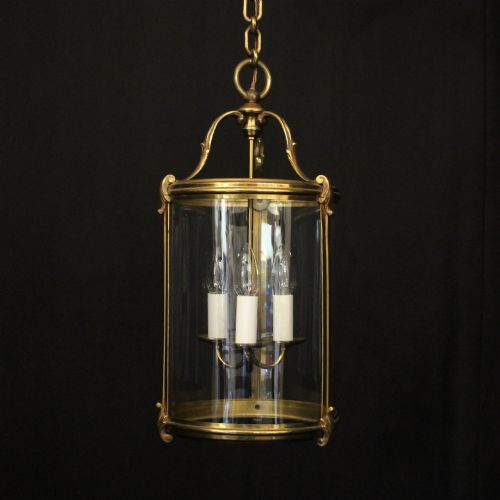
- An enclosed hanging light designed for entryways and corridors. Versions in this category typically feature glazed glass panels and a three-light cluster inside.
- Rococo Revival
- A nineteenth-century design movement favouring asymmetric curves, naturalistic plant motifs, and C-scrolls. This style heavily influences many of the branch forms on this page.
French Brass Three Light: Frequently Asked Questions
How were these three light fixtures used?
Three-light fixtures served as principal sources of illumination in period interiors, placed in pairs on either side of mirrors or fireplaces, or hung centrally in halls.
Lantern versions illuminated narrow entranceways, while chandeliers and candelabras provided ambient light for reception rooms and dining spaces.
Are these fixtures rewired for modern use?
Many examples on this page have been updated with modern electrical wiring to meet current installation standards.
Buyers should inspect the specific listing details to confirm whether a piece is ready to install or requires professional electrical adaptation.
How do I identify a Louis XVI style piece?
Louis XVI style pieces rely on classical symmetry, straight lines, and geometric motifs such as urns, swags, and ribbons.
This aesthetic contrasts with the curving asymmetry of earlier Rococo designs found across the same period.
What is the difference between brass and ormolu?
Brass is an alloy of copper and zinc used for the structural body of many lanterns and simple wall lights.
Ormolu specifically denotes gilt bronze, where a layer of gold is applied to a bronze casting to produce a rich, reflective finish.