
French Brass Lantern
A french brass lantern brings immediate architectural weight and warm overhead illumination to a hallway or reception space.
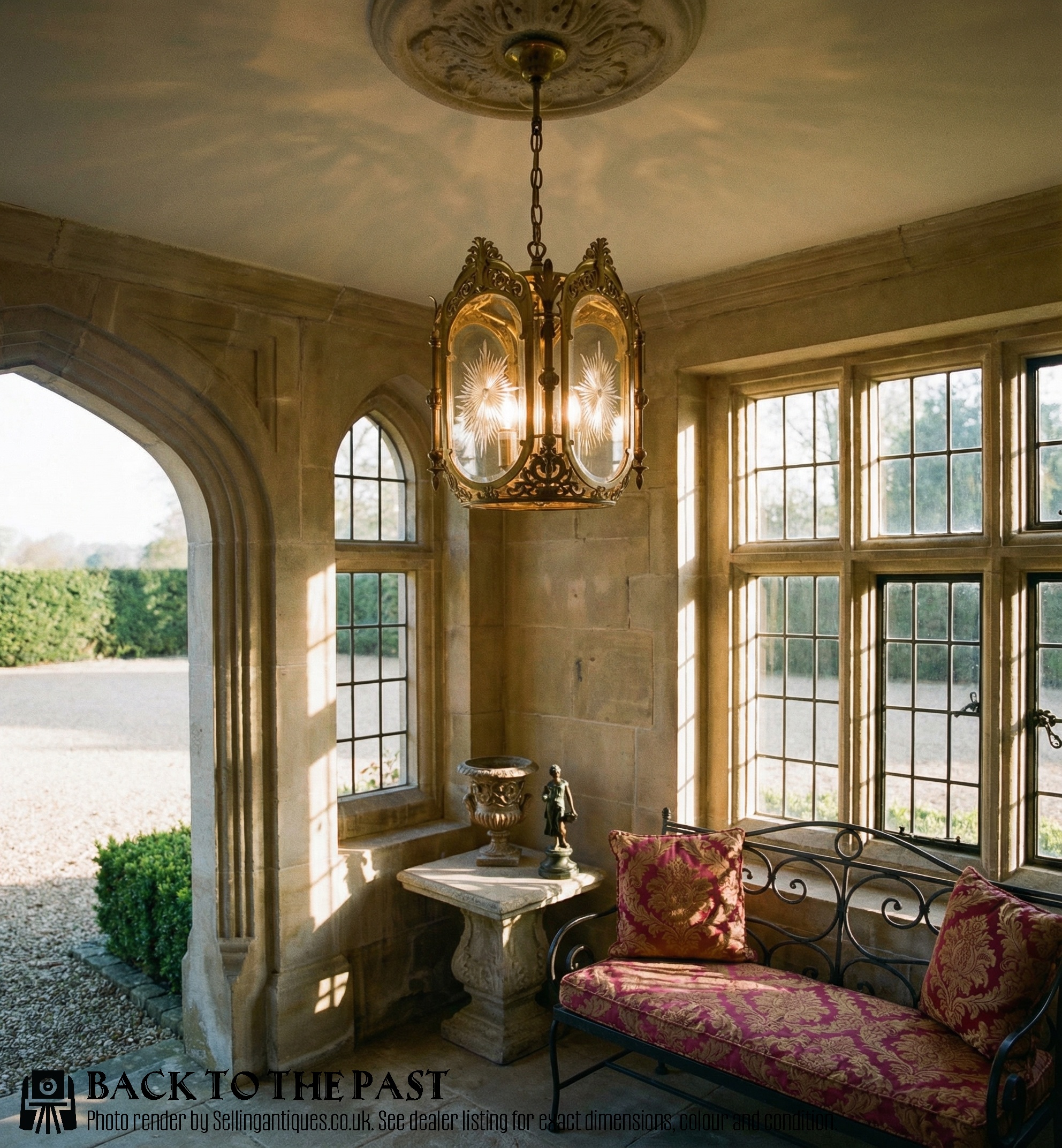
Defining the french brass lantern
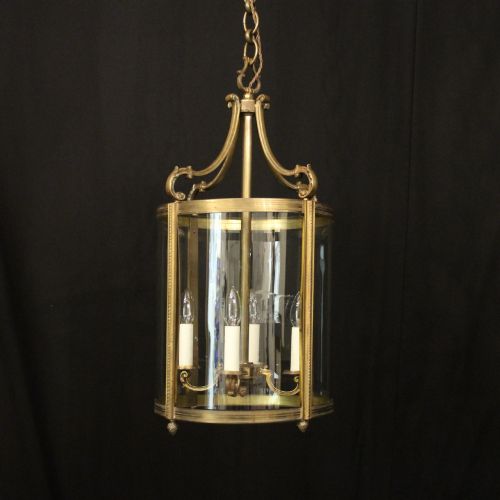
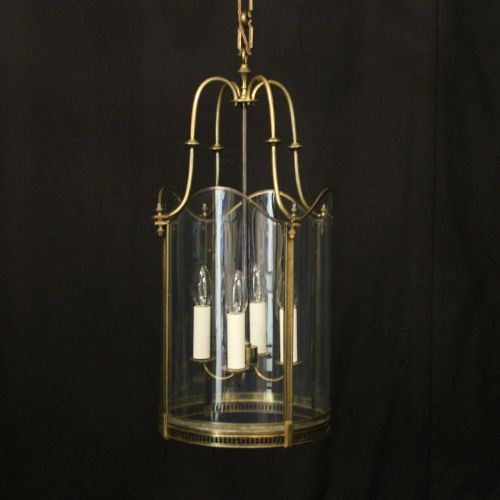
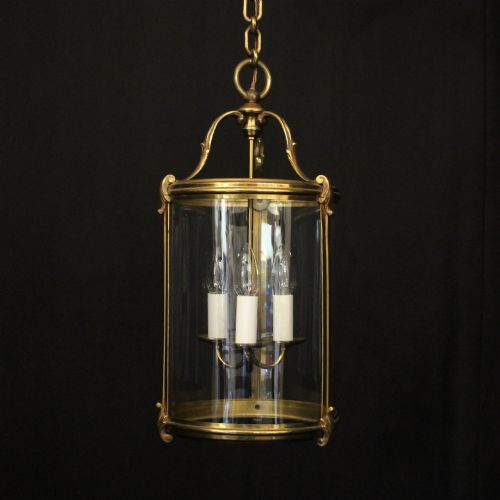
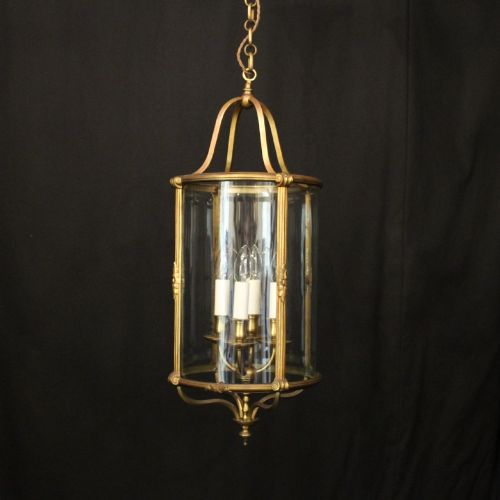
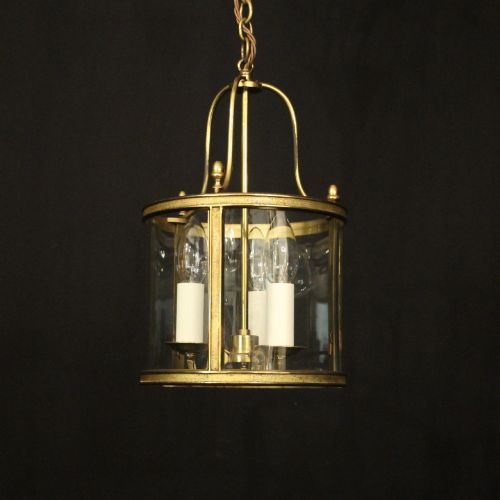
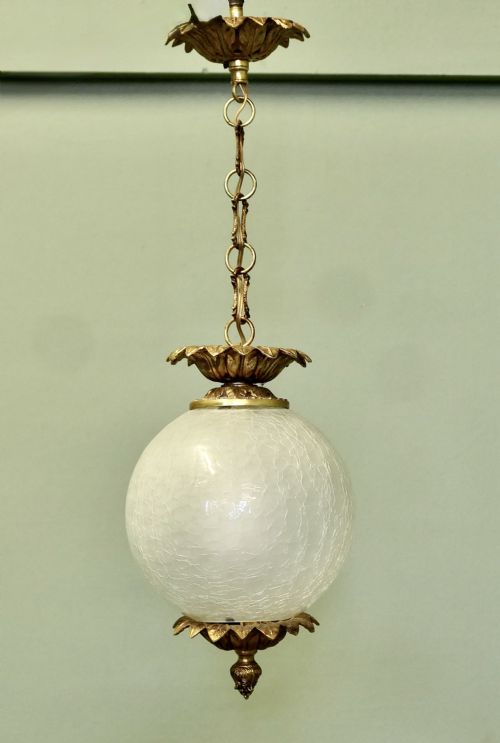
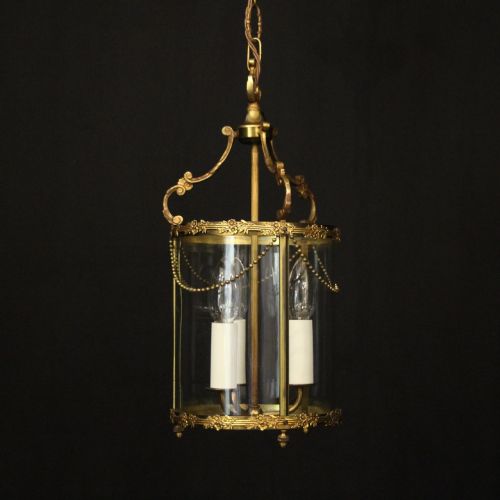
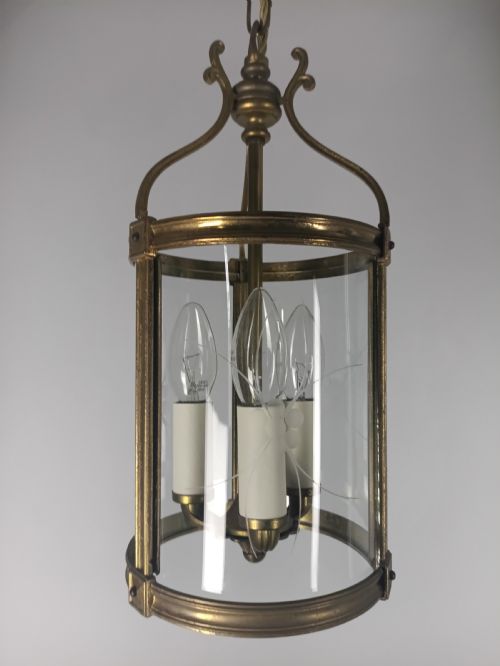
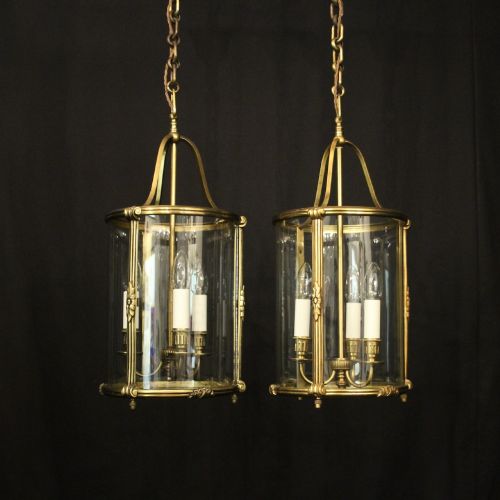
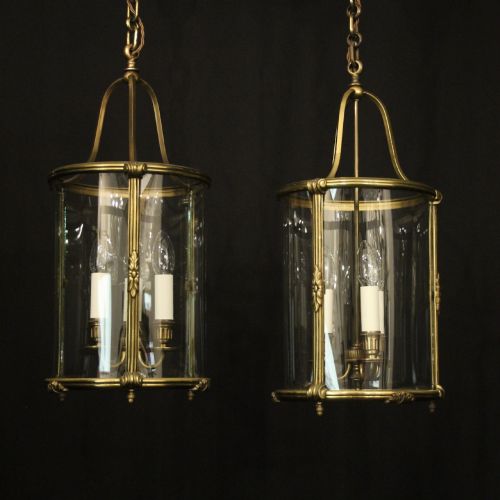
A french brass lantern provides functional illumination primarily as a ceiling light, pendant, or hall lantern designed to anchor entranceways and high-ceilinged rooms. The pieces available span the nineteenth century through to the art deco period of the 1930s, showing considerable variety in scale from petite single lights to large multi-bulb fixtures.
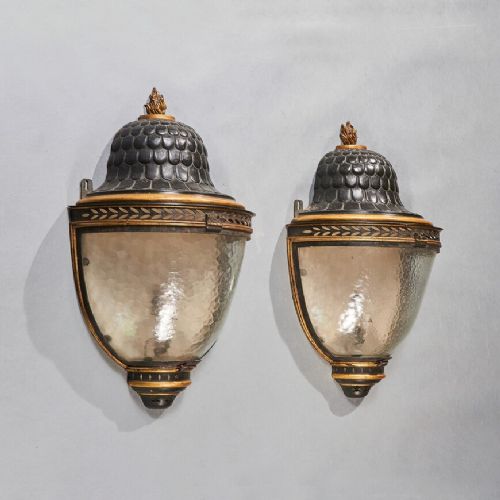
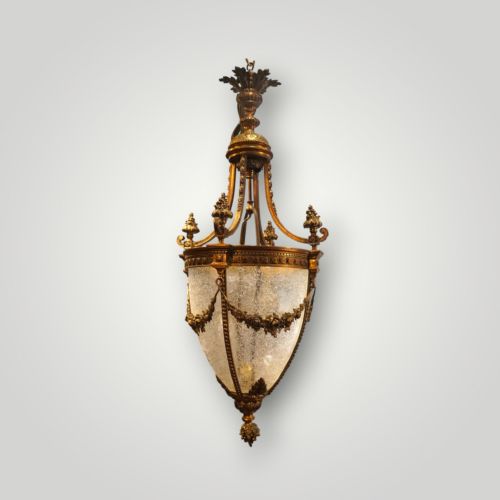
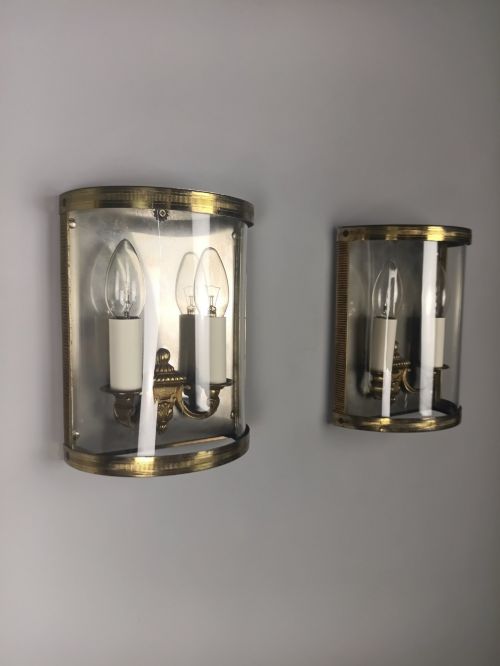
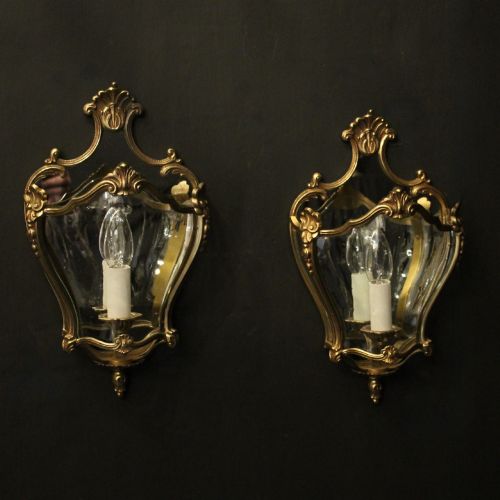
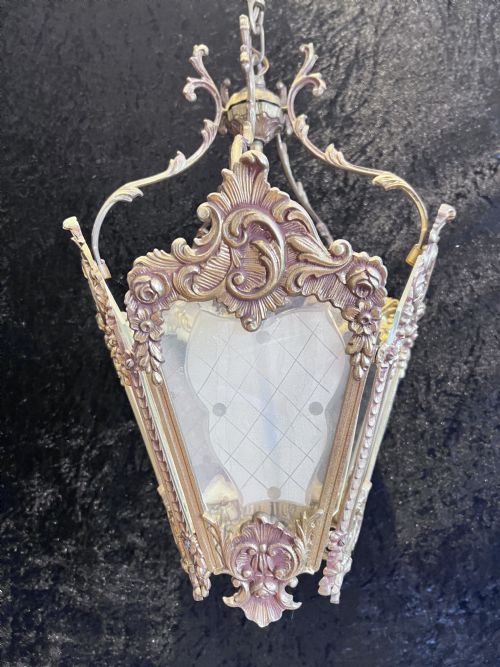
The dominant aesthetic draws heavily on traditional French chateau, neo-classical, and rococo revival styles, alongside cleaner geometric lines from the early twentieth century. Common configurations include hexagonal bodies, convex half lanterns, and four-glass ceiling fittings configured for single, twin, or triple interior lights.
Materials and construction methods
Makers constructed these fixtures using robust brass frameworks, frequently finished with gilding, polishing, or patination to achieve aged brass or bronzed surfaces. Structural metalwork often incorporates copper or steel elements for added stability, particularly in larger hanging lanterns.
Glazing techniques define much of the visual character, utilising plain glass panels alongside bevelled glass, etched glass, or opaque sides. Individual panes are fitted directly into the metal armature, secured to create hexagonal or rectangular glazed enclosures.
Retail Price Guide 2026
Typical UK retail prices for french brass lantern, calculated from the Sellingantiques database of over a million retail prices indexed since 2003. This retail price guide relies exclusively on Sellingantiques data; no external sources or auction records are used, so the figures do not describe the wider market.
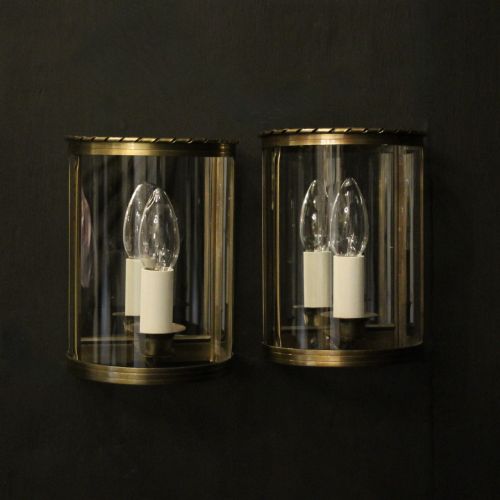
Surviving lighting forms range from compact half lanterns for walls to large multi-light ceiling fixtures in neo-classical and art deco styles.
Distinctions in quality and execution
Quality separates fixtures by the weight and casting finish of the brass framework, where heavier mounts and finer chased detailing distinguish superior examples from simpler production. The presence of specialised glasswork, such as deeply bevelled or intricately etched panes, elevates a piece above standard plain-glazed variants.
Internal electrical configuration and overall proportion also influence the standing of a fixture, with multi-light assemblies and balanced convex shapes showing more ambitious design. The original surface finish - whether rich gilding or carefully polished metal - retains greater character than compromised or poorly restored surfaces.
The French Brass Lantern Glossary
- Bevelled glass
- Glass with edges cut and polished at an angle to catch and refract light. This treatment adds a decorative sparkle to the perimeter of the lantern panels.
- Convex half lantern
- A light fixture with a rounded, protruding front profile designed to mount flat against a wall. These units typically serve as wall lights in narrow corridors.
- Hexagonal hall lantern
- A hanging light fixture featuring six distinct glass sides arranged in a hexagonal geometry. This classic shape distributes light evenly across entrance spaces.
- Rococo revival
- A nineteenth-century design style emulating the ornate, asymmetrical ornamentation of the French rococo period. Pieces in this style feature flowing scrollwork and botanical motifs.
Frequently Asked Questions
Where should I hang a hall lantern?
A french brass lantern suits high-ceilinged entrance halls, stairwells, or long corridors where overhead hanging fixtures provide both clearance and a strong focal point. Their enclosed glass design protects the interior bulbs while casting clear light downward.
Ensure you measure the drop from the ceiling to allow adequate clearance for walking underneath, particularly in busier traffic areas of the home.
How do I clean a brass lantern?
Dust the brass framework and glass panels regularly with a soft, dry cloth to prevent grime accumulation. Avoid harsh chemical cleaners that can strip away aged patination or original gilding.
For glass panels, use a mild glass cleaner applied to a cloth rather than sprayed directly, ensuring liquid does not seep into the electrical fittings.
How do I date an antique lantern?
Dating relies on stylistic clues, such as the geometric lines typical of 1930s art deco pieces compared to the ornate curves of nineteenth-century rococo revival designs. Construction details like the type of brass casting and glass bevelling also offer chronological markers.
Comparing the form against documented periods from the nineteenth and early twentieth centuries helps narrow down the likely decade of manufacture.