



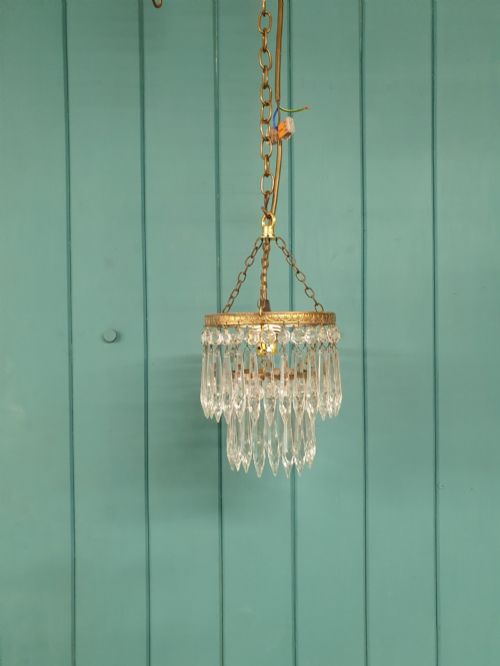
French Brass Fitting
A french brass fitting provides the structural and decorative hardware that defines period lighting and cabinetry.
French Brass Fitting
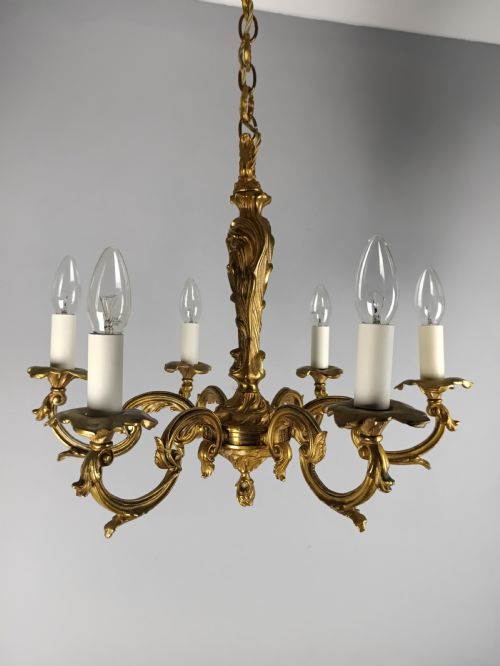
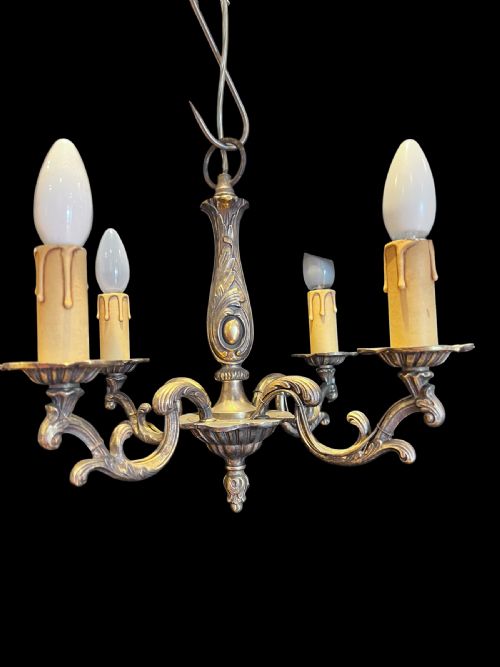
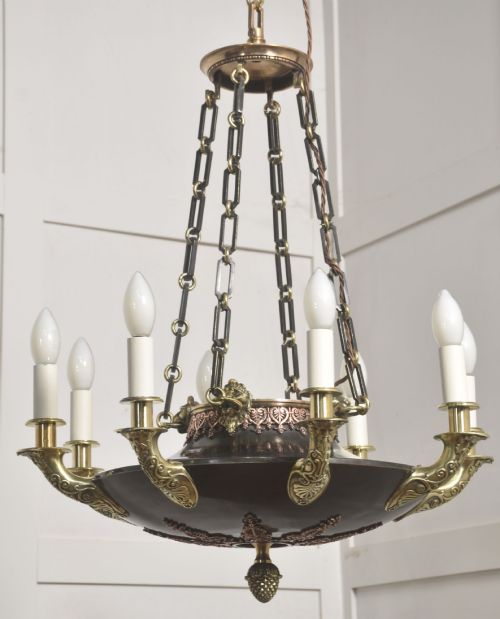
When you search for a french brass fitting, you encounter a selection of hardware, chandeliers, wall lights, and cabinet components originating from the nineteenth and early twentieth centuries. These items embody styles such as French Empire, French Rococo, and French Neoclassical, reflecting the decorative preferences of their respective eras.
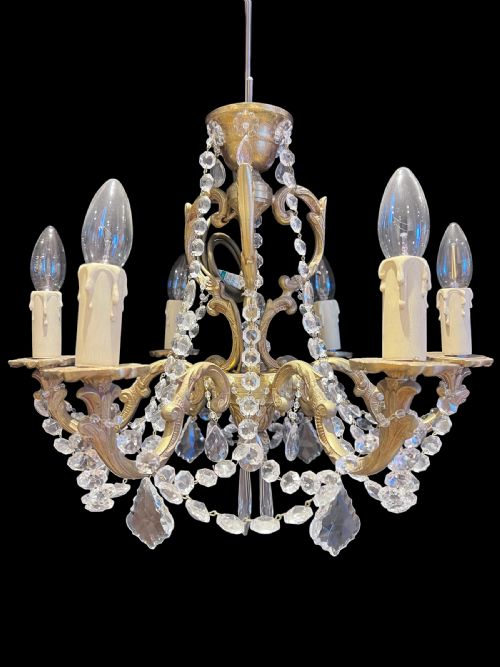
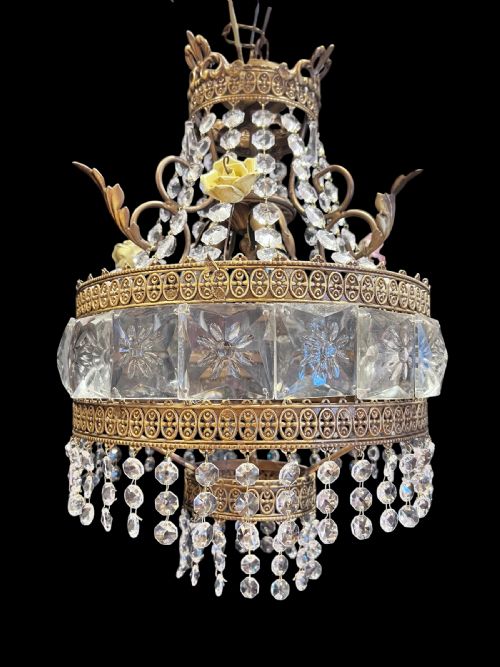
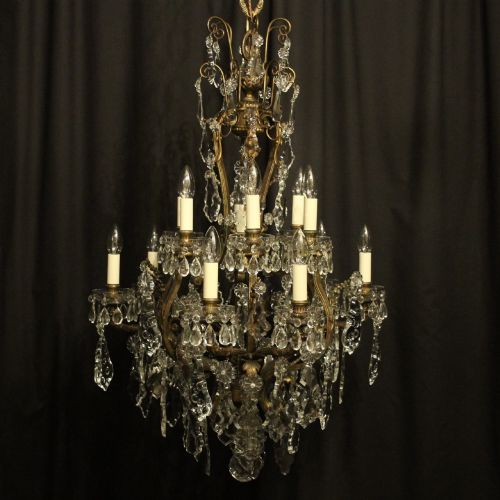
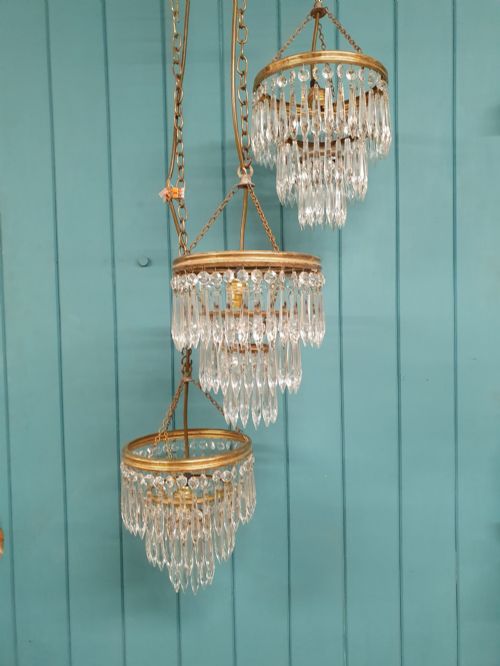
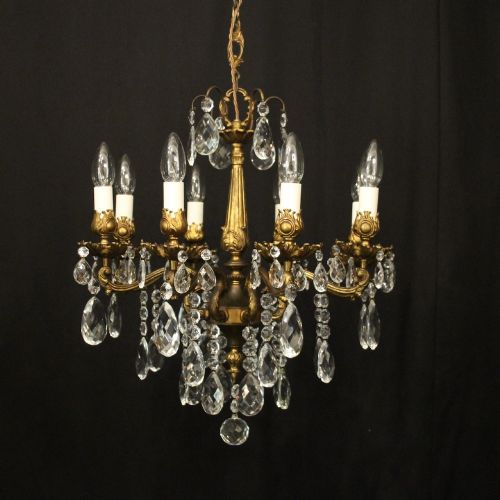
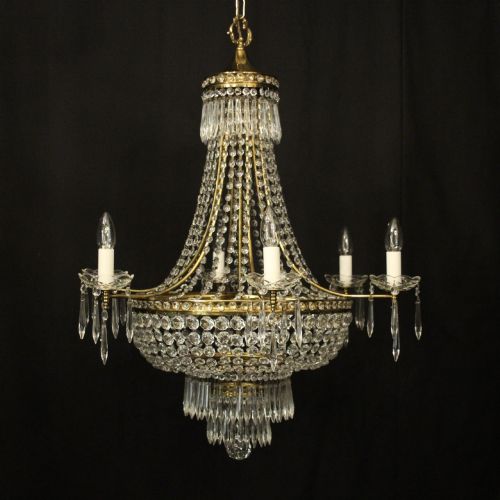
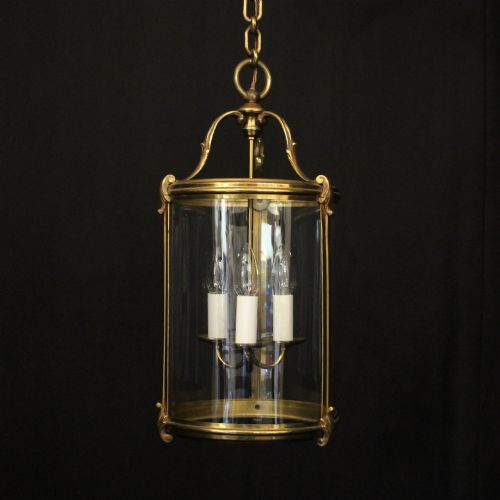
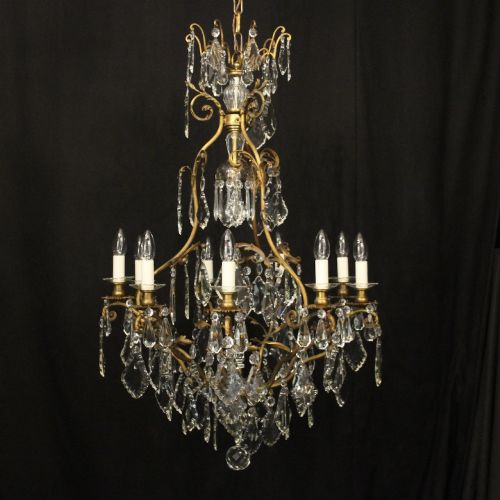
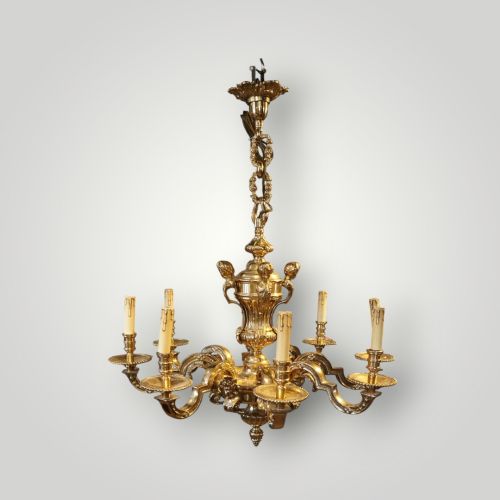
The objects most frequently met on this page are multi-light chandeliers and ceiling fixtures incorporating brass, gilt bronze, and crystal elements. Alongside these lighting fixtures, the selection includes fitted drinks cabinets, trunks, and mirrors equipped with period metal components.
Makers and manufacturers from the nineteenth century onward produced these pieces using traditional casting and metalworking techniques. The resulting fittings range from simple structural elements to elaborate decorative mounts intended for formal interiors.
Materials and construction methods
Items listed under this category utilise brass, gilt bronze, and standard metal as primary structural and decorative materials. Artisans combined these metals with glass, crystal, alabaster, and porcelain elements to build complex chandeliers and wall lights.
Manufacturing methods rely heavily on traditional metal casting, hand chasing, and gilt finishing techniques. Many components feature applied surface treatments such as gilding or dark patination to achieve specific visual effects.
Some trunks hide secret mirror fittings inside, designed so travellers could check their attire after a long train journey.
Distinctions in manufacture and execution
The standard of a french brass fitting depends on the precision of the metal casting and the crispness of the hand-chased details. Finer examples display sharp definition in decorative motifs and robust construction in weight and arm articulation.
Material combination also determines quality, with superior items integrating high-grade cut glass or crystal drops alongside substantial gilt bronze frames rather than lighter pressed metal components.
The French Brass Fitting Glossary
- Gilt bronze
- Metal cast and treated with a gold-coloured finish or mercury gilding. This technique provides a durable and rich surface common in nineteenth-century decorative items.
- Chandelier
- A branched ceiling light designed to hold multiple bulbs or candles. These fixtures frequently incorporate crystal drops and metal scrollwork.
- Empire style
- A neoclassical design movement drawing inspiration from ancient Rome and Greece. It is characterised by symmetry, military motifs, and classical proportions.
- Plafonniere
- A flush-mounted ceiling light fixture positioned close to the surface. This form suits rooms with lower ceiling heights.
French Brass Fitting: Frequently Asked Questions
What periods do these fittings cover?
The listed items span the nineteenth century, the Edwardian era, and the early twentieth century up to the 1930s. These timeframes encompass various revival styles including Louis XV and Empire.
Each period brings distinct stylistic traits, from the ornate casting of nineteenth-century pieces to the cleaner lines of later twentieth-century designs.
How were these brass fittings used?
Many fittings serve as structural components or decorative mounts on lighting, cabinetry, and mirrors. They provide both functional support and aesthetic enrichment to domestic interiors.
Larger fixtures like chandeliers and wall lights illuminate formal spaces, while smaller hardware pieces complete specialised furniture such as drinks cabinets and trunks.
How do I identify different styles?
Style identification relies on examining the decorative motifs and overall silhouette of the object. Empire designs utilise classical urns and symmetry, whereas Rococo revival pieces feature asymmetrical scrollwork and organic curves.
Material choices also offer clues, with gilt bronze and heavy crystal pointing toward nineteenth-century origins while simpler brass and metal combinations often suggest early twentieth-century manufacture.
Can these chandeliers be installed today?
Many antique chandeliers and wall lights adapt well to modern electrical standards with professional rewiring. Checking the internal wiring and structural points ensures safe installation in contemporary properties.
Consulting a qualified electrician before hanging heavier pieces guarantees that ceilings and junction boxes can support the combined weight of metal and crystal.