




French Brass Bracket Clock
A french brass bracket clock brings sculptural weight and precision movement to a room, uniting metalwork and timekeeping.
French Brass Bracket Clock
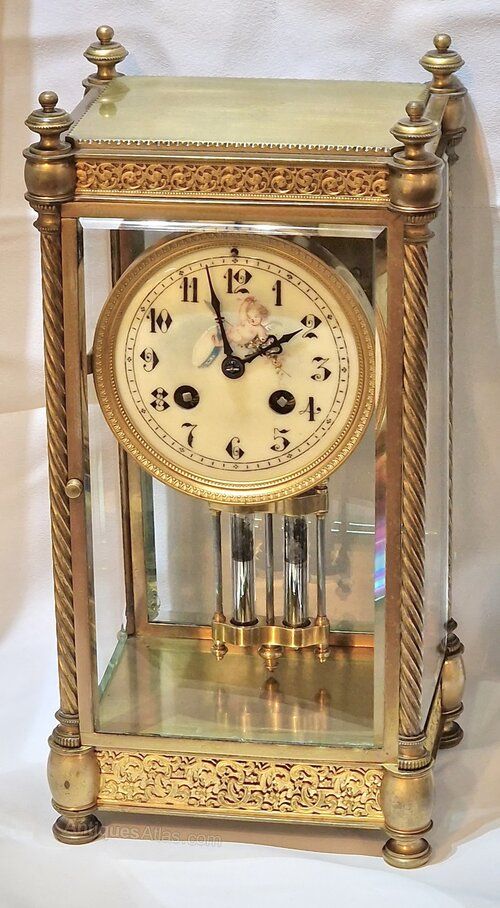
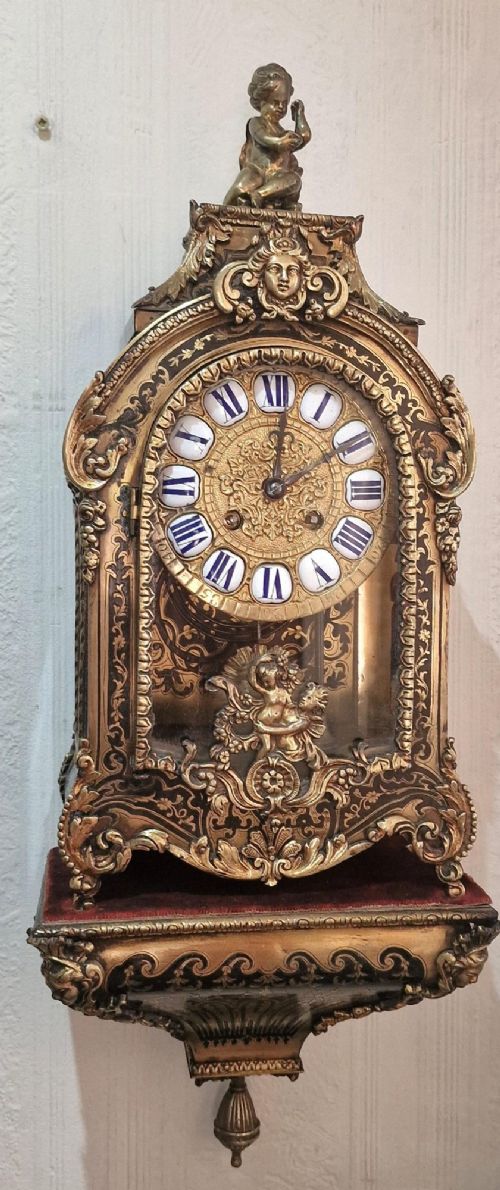
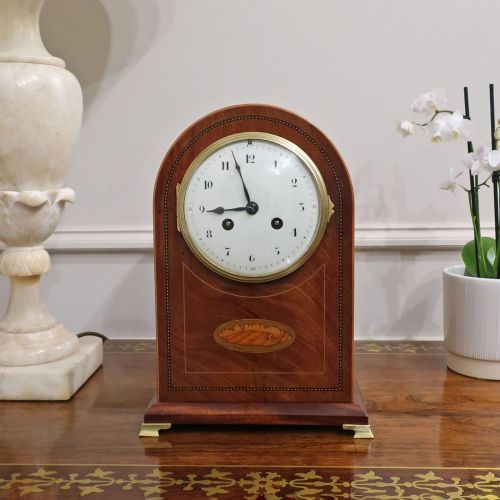
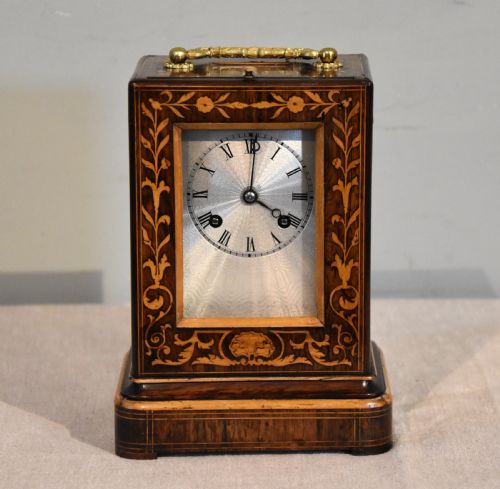
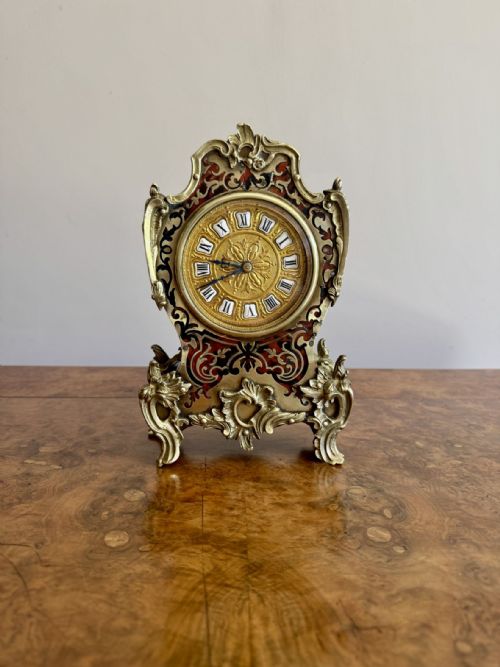
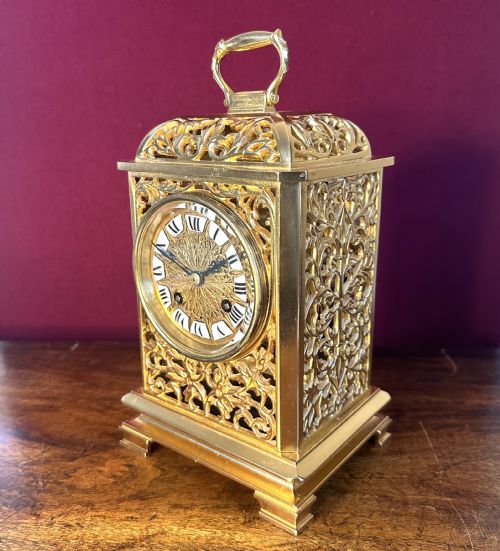
A french brass bracket clock is a decorative horological object designed to sit on a bracket, shelf or mantelpiece. The pieces found here span the nineteenth century and the early twentieth century, taking forms such as mantel clocks, wall clocks and four-glass clocks.
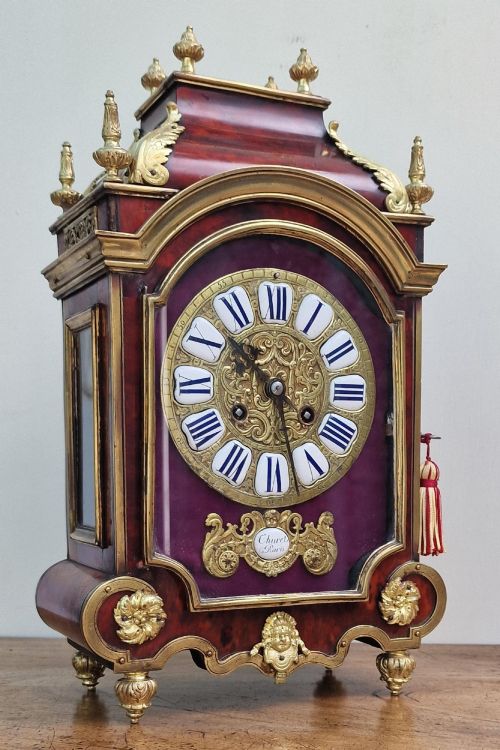
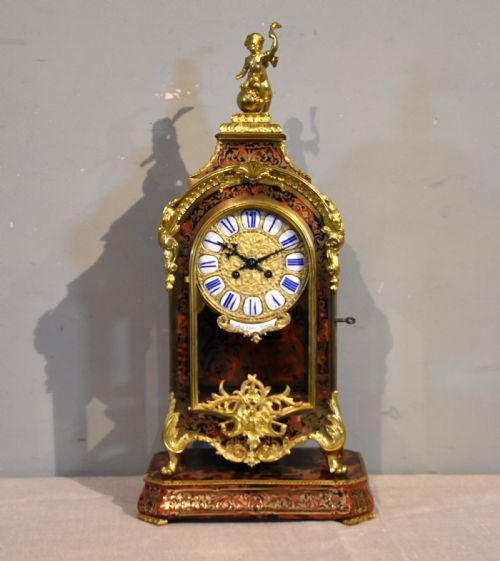
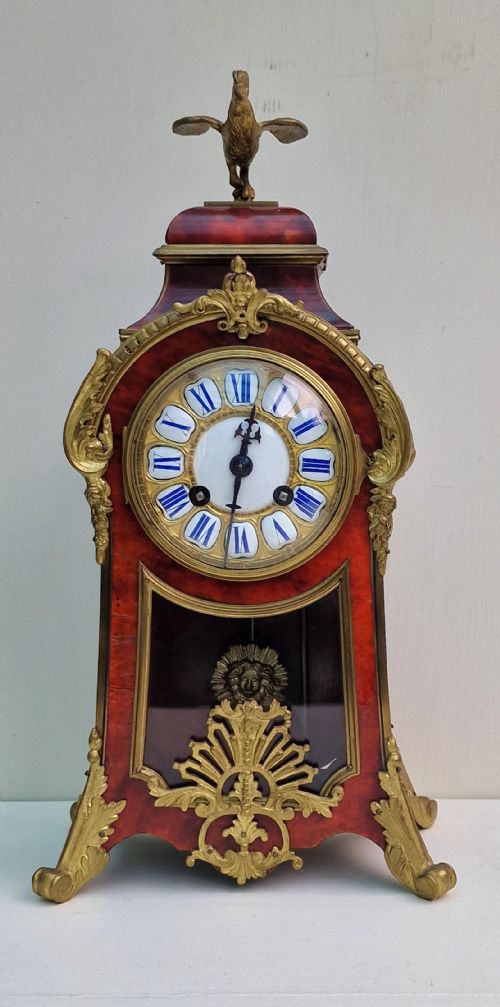
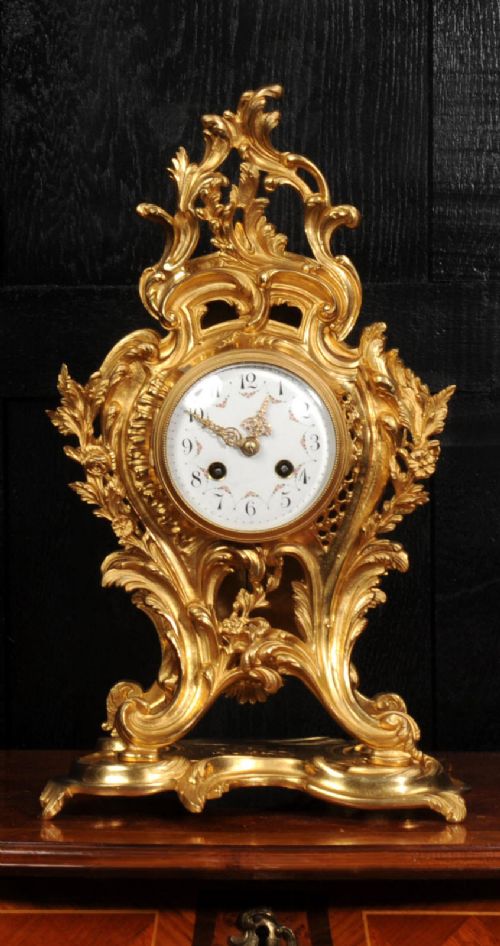
Makers and workshops produced these items in varied stylistic revivals, including Louis XIV, Louis XV, and Rococo styles. Alongside solid brass, many examples incorporate tortoiseshell, ormolu, and gilt bronze.
The selection ranges from architectural wooden cases mounted in brass to elaborate Boulle marquetry and striking glass-sided designs. These domestic timekeepers reflect nineteenth-century European craftsmanship and interior decoration.
How they were made
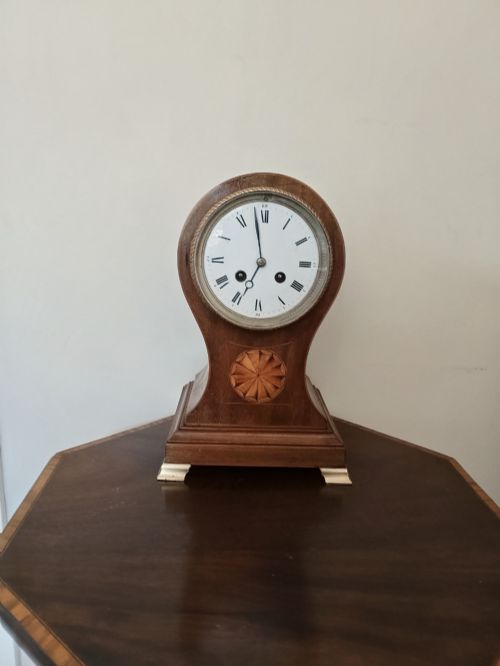
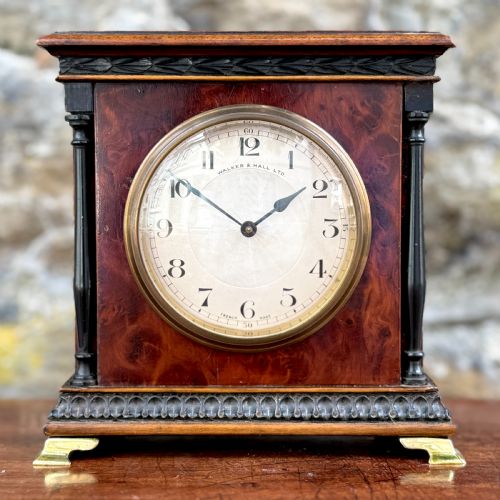
Craftsmen built the structural carcases using woods like mahogany, rosewood and ebonised timber, or shaped them from heavy cast brass and gilt bronze. Boulle pieces required meticulous cutting and inlaying of tortoiseshell and brass sheeting into intricate floral or geometric patterns.
Foundries cast mounts in ormolu and brass, chasing the surface details by hand to produce high-relief scrolling foliage and cherubs. Enamel dials were painted individually and fitted with delicate hands behind protective glass panels.
Several clocks squeeze an astonishing amount of visual activity into their small frames, earning descriptions from dealers as having lots going on.
What varies in quality
The refinement of the casting and hand-chasing on the brass and gilt bronze mounts distinguishes finer pieces from ordinary production. Crisp detail in the acanthus leaves, scrollwork and figural casts indicates superior workshop skill.
The complexity of the case construction, particularly the precision of the Boulle marquetry and the choice of materials like genuine tortoiseshell rather than faux alternatives, dictates the standing of an individual clock.
Walker and Hall·Henri Marc·Samuel Marti·Lenzkirch
The French Brass Bracket Clock Glossary
- Boulle
- A form of marquetry using brass and tortoiseshell inlaid together, named after the cabinetmaker André-Charles Boulle. This technique creates a rich patterned surface popular in French furniture and clock cases.
- Ormolu
- Gilded bronze used for decorative mounts on clocks and furniture. The process involves applying a gold amalgam to cast bronze before heating.
- Bracket clock
- A portable timekeeper originally designed to stand on a wall bracket to aid resonance and visibility. Many later examples functioned as large mantel clocks.
- Four glass clock
- A mantel clock featuring glass panels on all four sides to display the mechanical movement inside. These designs became popular during the later nineteenth century.
- Rococo revival
- A nineteenth-century design movement mimicking the asymmetrical scrolls, shells and organic curves of the French eighteenth century. It heavily influenced clock case ornamentation.
French Brass Bracket Clock: Frequently Asked Questions
What is a french brass bracket clock?
A french brass bracket clock is a mechanical timekeeper housed in a decorative metal or wood case with brass mounts, originating from French workshops during the nineteenth century or Edwardian era.
These objects combined timekeeping with interior ornamentation, often displayed on dedicated wall brackets or prominent mantelpieces.
How do I wind my clock?
Most mechanical clocks require a key to tension the springs inside the movement through dedicated winding holes on the dial. Care must be taken not to over-wind the mechanism.
Consulting the specific movement type ensures the pendulum and striking train remain in proper beat.
Where should I place it?
These clocks need a stable, level surface such as a heavy mantelpiece, sideboard or secure wall bracket to keep the pendulum swinging evenly. Placing them away from direct heat and drafts protects the delicate wooden cases and internal oils.
Because many models feature glass panels or intricate Boulle work, low-traffic areas prevent accidental knocks.
How do I identify the period?
Period identification relies on stylistic cues like Rococo scrolls, Empire motifs, or Belle Epoque lines, alongside materials such as ebonised wood or gilt bronze. Maker signatures on the dial or movement backplate offer definitive dating.
Construction methods and case woods also provide clear clues to the manufacturing decade.