

French Bergere Chair
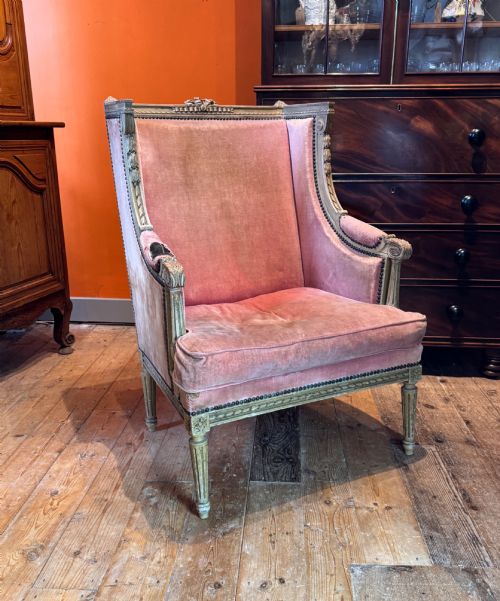
A french bergere chair brings deep seats and enclosed upholstered sides into a room, offering both formal elegance and comfortable lounging.
Forms and Origins
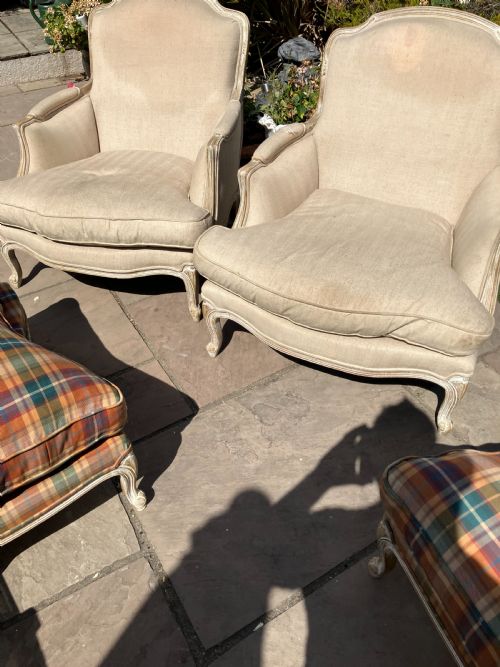
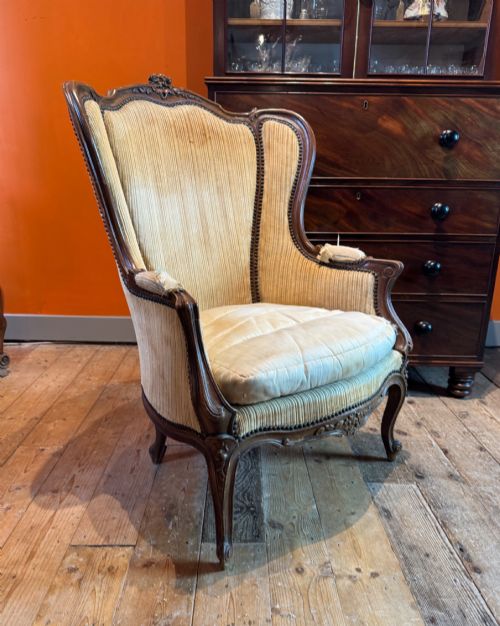
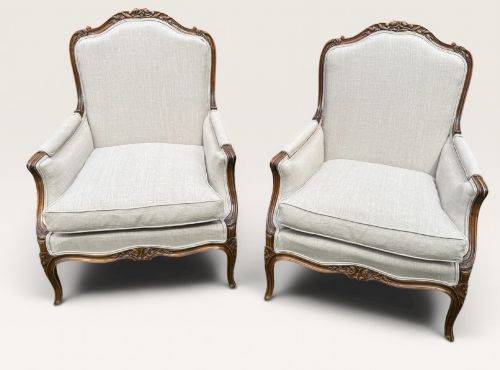
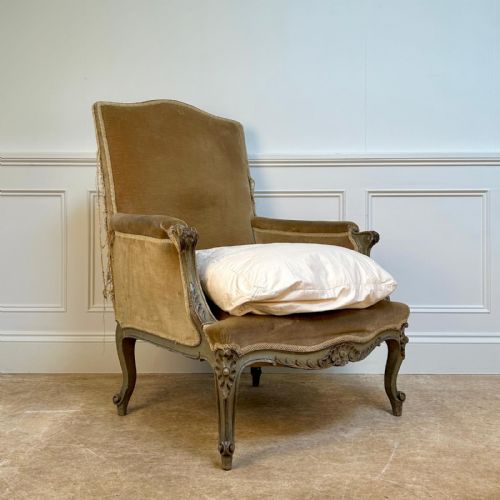
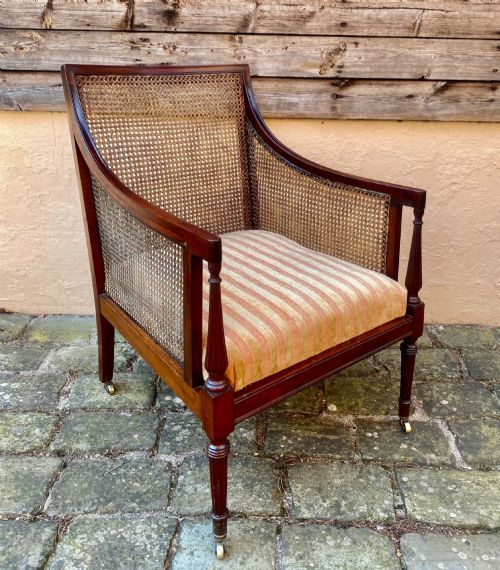
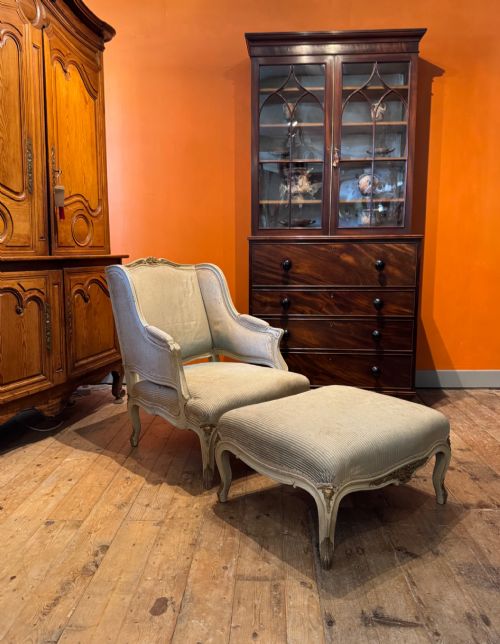
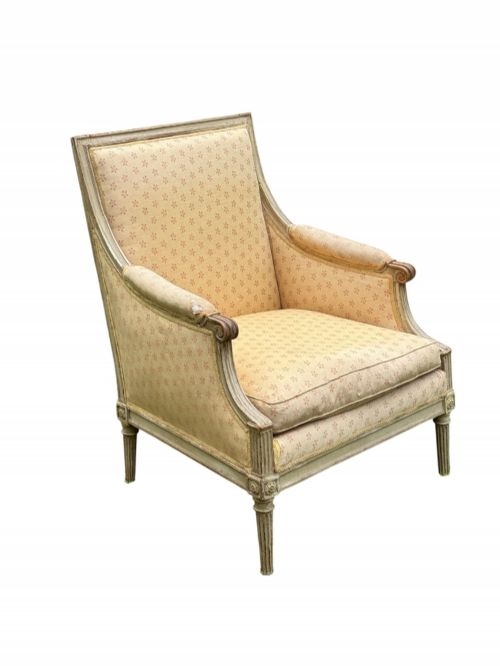
A french bergere chair stands as a classic seating form defined by its enclosed upholstered sides and deep proportions. Pieces found here range from nineteenth-century examples to pieces from nineteen hundred, encompassing styles such as Louis XV Revival, Louis XVI Revival, and French Provincial.
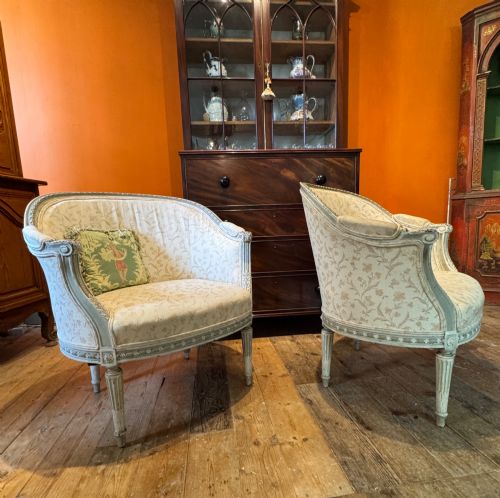
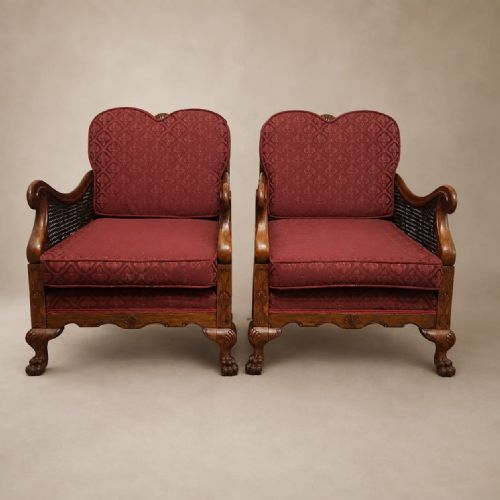
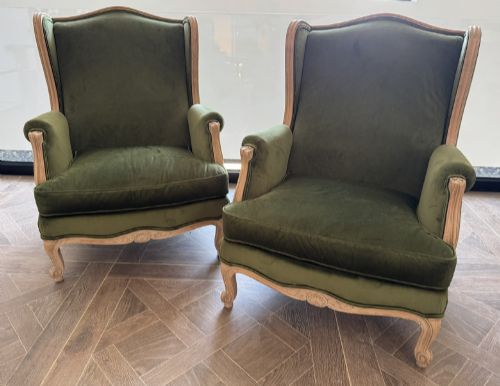
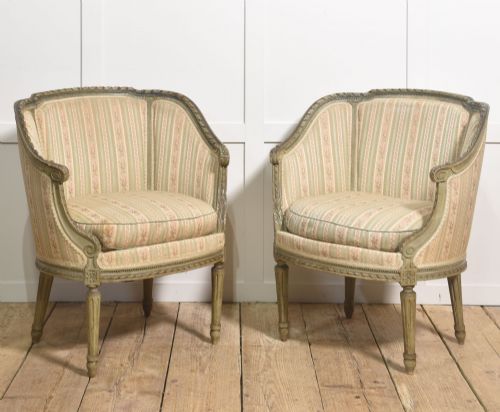
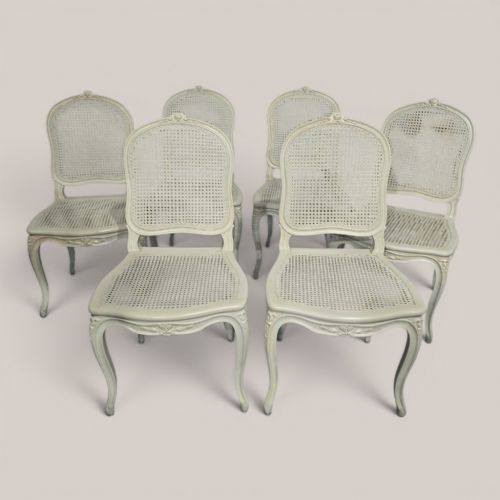
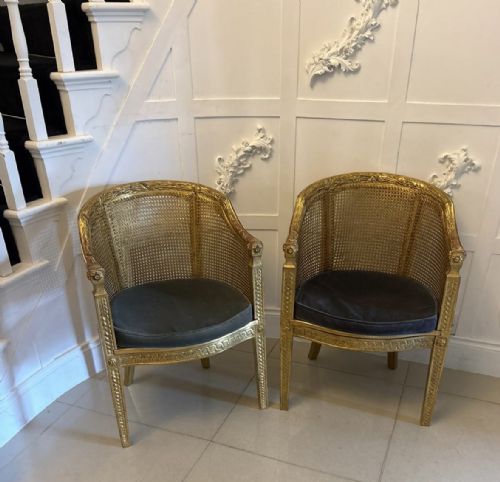
The selection includes individual armchairs, tub chairs, boudoir chairs, and occasional pairs. Common variations span low bedroom chairs and larger carved armchairs, frequently accompanied by footstools or arranged in sets.
Origins trace directly to historical French seating designs adapted through subsequent revivals. The forms serve primary functions as both decorative salon pieces and comfortable living room armchairs.
Materials and Construction
Frames rely upon traditional timbers including beech wood, oak, mahogany, and walnut. Carved details and structural members occasionally receive surface treatments such as paint, original paint, ebonisation, or gold leaf.
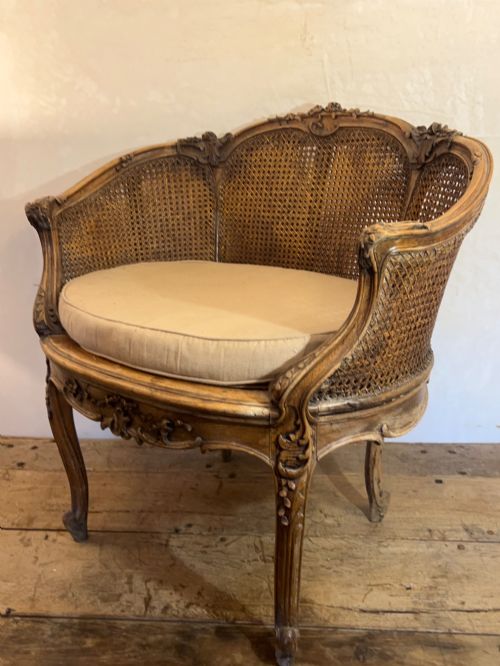
Side panels and backs incorporate woven cane or rattan cane. Upholstery utilises textiles like leather and grey linen, whilst select examples feature needlepoint.
Retail Price Guide 2026
Typical UK retail prices for french bergere chair, calculated from the Sellingantiques database of over a million retail prices indexed since 2003. This retail price guide relies exclusively on Sellingantiques data; no external sources or auction records are used, so the figures do not describe the wider market.
The inventory records pieces from the nineteenth century alongside items dated to nineteen hundred.
Quality Variations
Depth of hand-carving and crispness of floral or foliate motifs distinguish the joinery of finer frames. Timbers selected for structural integrity also dictate the rigidity and longevity of the chair.
The tightness and regularity of the cane or rattan weave determine the upper tier of craftsmanship. Surface finishes, whether original paint or gold leaf application, carry significant weight in establishing the pedigree of the piece.
The French Bergere Chair Glossary
- Bergère
- An enclosed upholstered armchair with solid upholstered sides resting on a low seat frame. This form originated in France during the eighteenth century.
- Cane
- Woven plant material used to form supportive panels for seats and backs. Rattan cane provides both flexibility and high tensile strength.
- Giltwood
- Timber treated with a thin layer of gold leaf or gold paint. This finish creates a reflective and opulent surface.
- Louis XV Revival
- A nineteenth-century design movement copying the curved lines, asymmetry, and naturalistic carving of the mid-eighteenth-century French court. It remains a dominant style in this category.
- Tub Chair
- An armchair with a continuous curved back and arms forming a rounded enclosure. This shape wraps around the sitter for added warmth and support.
Frequently Asked Questions
What is a french bergere chair?
A french bergere chair is a traditional upholstered armchair featuring enclosed sides filled with upholstery or cane work. It provides a deeper and wider seat than standard occasional chairs.
Originally designed for indoor relaxation in French salons, these chairs combine substantial wooden frames with padded seats and backs for comfort.
How do I identify periods?
Dating relies upon examining the timber species, hand-carving techniques, and structural joinery methods. Nineteenth-century pieces often display revival styles referencing earlier royal French reigns.
Surface finishes like original paint or nineteenth-century gilding also help establish the chronological age of the frame.
Where should I place it?
These chairs suit living rooms, studies, and bedrooms as statement reading or accent seating. Their finished backs allow them to sit away from walls in open spaces.
Pairs function well flanking a fireplace or positioned opposite a sofa to create a balanced seating arrangement.
Are they comfortable for daily use?
The generous proportions and deep cushioning make these chairs well-suited for regular sitting. Enclosed sides provide supportive armrests and block drafts.
Modern buyers often utilise them as primary lounge seats when paired with supportive cushions.