

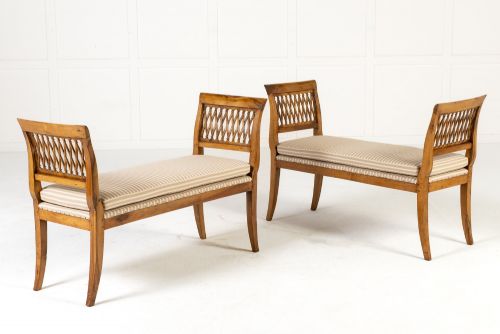


French Bedroom Furniture Pair
These pieces of french bedroom furniture pair items span the nineteenth and twentieth centuries, offering matching elegance for classical interiors.
French Bedroom Furniture Pair
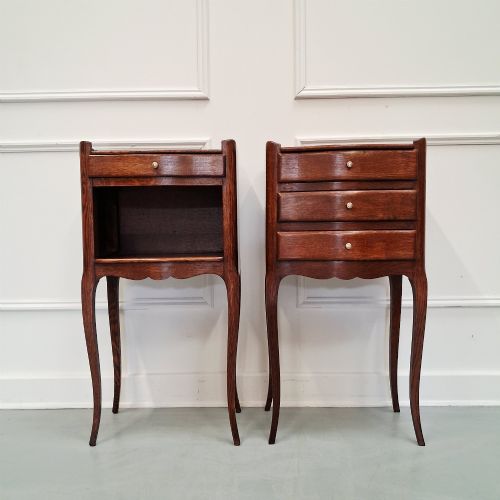
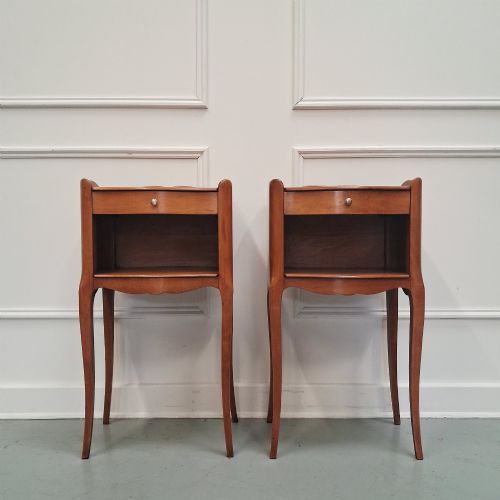
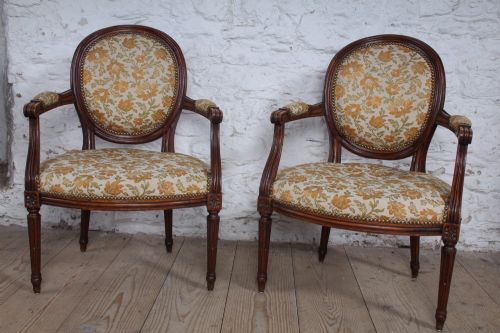
A french bedroom furniture pair delivers matched symmetry to sleeping quarters through coordinated seating, bedside storage, and sleeping berths. Buyers searching this phrase encounter matching bedside tables, lamp tables, bedside cabinets, and nightstands alongside pairs of side chairs, armchairs, window seats, and full bed sets.
The selections on this page draw from periods spanning the late nineteenth century through to the nineteen thirties. Common stylistic expressions include Louis XVI style, Louis XV style, French Provincial, and French Art Deco forms.
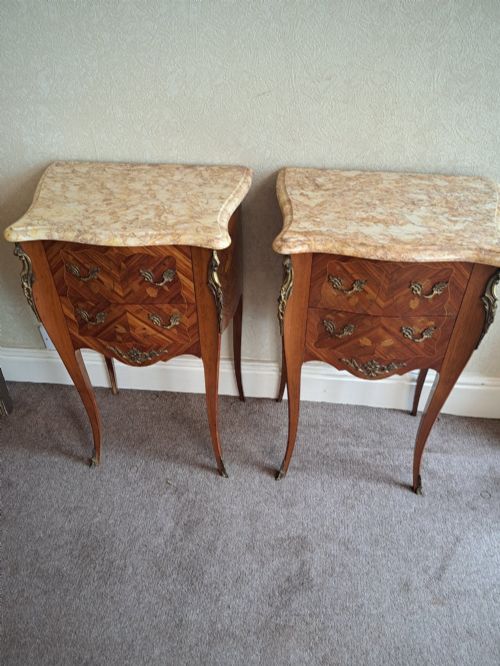
Bedside cabinets and bedside tables dominate the available forms, often featuring paired arrangements designed to flank a bed. Larger groupings incorporate complete bedroom suites and matching bedsteads with ensuite storage.
What varies in quality
The standard of execution in timber selection and veneer matching defines the upper tiers of production. Superior examples feature carefully aligned burr walnut or kingwood grain across paired doors and drawer fronts.
Refinement in carving and the crispness of marquetry patterns distinguish finer workshops from simpler commercial outputs. The integration of quality marble tops and cast brass mounts further elevates the standing of individual pieces.
French Bedroom Furniture Pair Retail Price Guide 2026
Typical asking prices for french bedroom furniture pair among the pieces listed under this phrase on Sellingantiques today, from the lower quarter to the upper quarter. They describe what is for sale here now, not the wider market.
Materials span walnut, mahogany, burr walnut, kingwood, cherry, brass, marble, and giltwood across nineteen-century and twentieth-century listings.
The French Bedroom Furniture Pair Glossary
- Chevet
- A French bedside table or small cabinet designed to sit beside a bed. These compact units often feature a single drawer above a cupboard space.
- Marquetry
- The art of applying pieces of veneer to a structure to form decorative patterns. Craftsmen use various coloured woods to create pictorial or geometric designs on tabletops and door fronts.
- Louis XVI Style
- A neoclassical design movement characterised by straight lines, symmetry, and classical motifs. Furniture from this vocabulary often displays fluted legs and restrained geometric proportions.
- Giltwood
- Wood that has been coated with gold leaf or gold paint. This finish appears frequently on decorative frames, chairs, and mirrors from revival periods.
French Bedroom Furniture Pair: Frequently Asked Questions
How do I match different woods in a bedroom?
Mixing woods works well when tones complement each other rather than clash. Walnut and mahogany pieces often sit comfortably together if the room has a unifying neutral colour palette.
Matching the historical period or stylistic revival helps create visual harmony across disparate items. Pairing Louis XVI pieces with similar neoclassical forms ensures consistent proportions throughout the space.
What is the difference between a nightstand and a chevet?
A chevet is the traditional French term for a small bedside table or cabinet, whilst nightstand is a more general modern descriptor. Both serve the same primary function of holding bedside lighting and small personal items.
French versions often incorporate marble tops and intricate marquetry not typically found on standard utility nightstands. Their proportions remain compact to suit traditional European bed heights.
How were bedside cabinets used historically?
Bedside cabinets provided enclosed storage for chamber pots, nightcaps, and personal literature before modern plumbing became standard. Their small cupboards and drawers kept private necessities neatly concealed.
As domestic habits evolved, these cabinets transitioned into convenient surfaces for reading lamps and pocket contents. Paired cabinets allowed symmetrical placement on both sides of a double bed.
Can I mix Louis XV and Louis XVI styles?
Combining Louis XV and Louis XVI pieces offers a balanced contrast between curved rococo lines and straight neoclassical geometry. The two styles share common French craftsmanship roots that bridge the aesthetic gap.
Maintaining a consistent wood type or finish helps tie the differing silhouettes together. Ensuring scale and height remain proportional prevents one style from overpowering the other.