
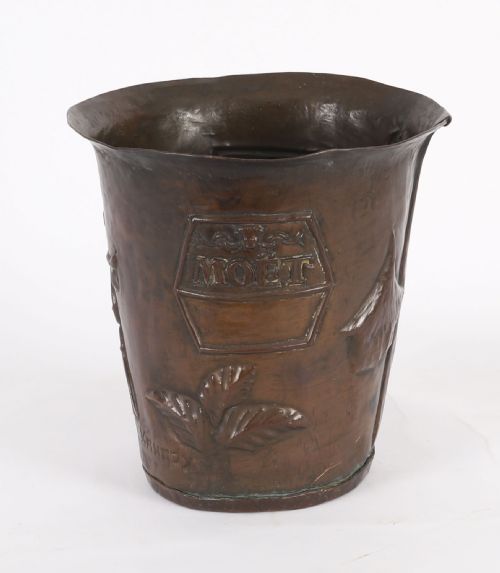


French Barware Ice Bucket
A french barware ice bucket brings functional elegance to any gathering, uniting practical chilling with striking historic design.
French Barware Ice Bucket
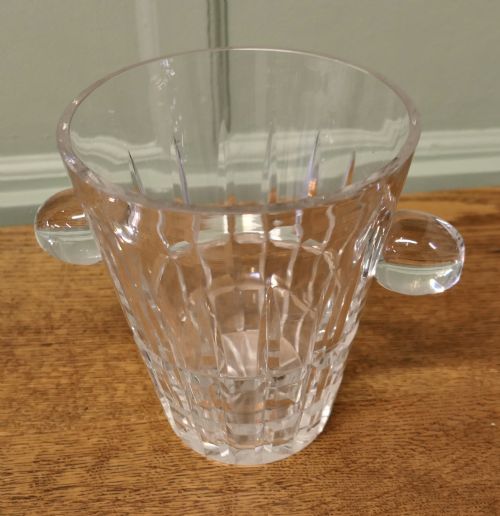
A french barware ice bucket serves as a container for keeping ice or chilling wine and champagne during entertaining. These objects appear in forms ranging from compact ice buckets to large champagne coolers.
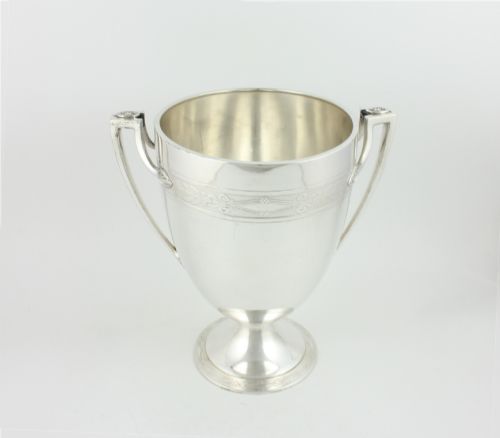
The pieces on this page span several distinct periods, including Victorian, Belle Epoque, Art Nouveau, Art Deco, and Mid-Century Modern. Buyers frequently encounter designs originating from the late nineteenth century through to the mid-twentieth century.
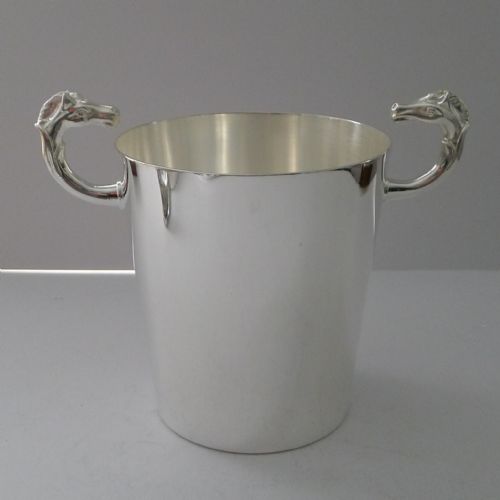
Makers and houses such as Christofle and Hermes shaped the aesthetic of these items across decades. Forms include standalone buckets, handled vessels, and pieces adorned with mounts or equestrian motifs.
How they were made
Silversmiths and metalworkers utilised silver plate, base metal, copper, and brass to construct the bodies of these vessels. Many examples feature substantial metal plating applied over a base metal foundation.
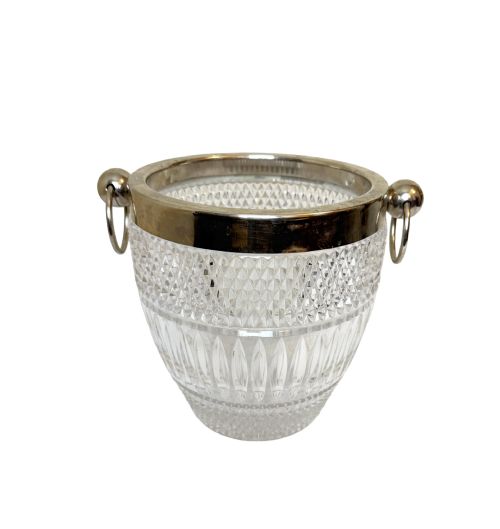
Glassmakers utilised hand blown and cut crystal to create transparent bodies that catch the light. Gilt bronze mounts and brass fixtures were frequently added to secure handles and adorn the rims.
Listings incorporate nineteenth-century Victorian works alongside mid-century twentieth-century items, demonstrating continuous French barware production across changing aesthetic movements.
What varies in quality
The weight of the metal and the thickness of the silver plate distinguish standard production from premier workshop output. Substantial gauges of metal provide a reassuring heft when lifted.
The clarity and depth of hand cutting on crystal bodies demonstrate the skill of the artisan. Crisp chasing on metal mounts and clear maker marks indicate higher levels of original craftsmanship.
Christofle·Hermes, Paris·Ercuis, Paris·Luc Lanel·Lino Sabatinni
The French Barware Ice Bucket Glossary
- Silver plate
- A thin layer of silver bonded to a base metal core. This technique allowed makers to achieve the appearance of solid silver at a more accessible cost.
- Cut crystal
- Glass containing lead oxide that is shaped and faceted by hand on a wheel. The lead content increases the refractive index, creating brilliant sparkle.
- Art Deco
- A design style emerging in the interwar period characterised by geometric lines, stylised motifs, and modern industrial materials. It replaced the flowing curves of earlier decorative movements.
- Gilt bronze
- Bronze that has been treated with a micro-thin layer of gold applied by mercury amalgamation or electroplating. This finish protects the underlying bronze from tarnishing.
- Belle Epoque
- A period of French history lasting from the late nineteenth century until the First World War. It is noted for optimism, economic prosperity, and ornate artistic expression.
French Barware Ice Bucket: Frequently Asked Questions
How do I clean a silver plated ice bucket?
Wash the vessel gently in warm soapy water using a soft cloth, avoiding abrasive pads that can scratch the plated surface. Dry thoroughly with a lint-free cloth to prevent water spots.
Apply a specialist silver polish only when necessary, working in gentle motions and rinsing away residue. Take care around engraved details or mounted elements where polish can accumulate.
Were these buckets used for wine or ice?
Historical barware vessels served dual purposes depending on their size and proportions. Larger vessels accommodated bottles of wine or champagne immersed in ice water.
Smaller cylindrical buckets were dedicated strictly to holding cubed or shaved ice for cocktail preparation. Many designs functioned interchangeably at the discretion of the host.
How can I tell an Art Deco bucket from an Art Nouveau one?
Art Nouveau pieces dating from the late nineteenth and early twentieth centuries display flowing, organic lines inspired by natural forms. You will often see whiplash curves, floral motifs, and sinuous handles.
Art Deco items from the nineteen-twenties and thirties embrace symmetry, clean geometric shapes, and stylised stepped patterns. These later designs project an industrial modernity distinct from organic curves.
Can I use antique barware for daily entertaining?
Historic metal and glass barware withstands regular use provided proper care is maintained. Storing ice or chilling bottles causes no harm to sturdy silver plate or heavy crystal.
Avoid leaving stagnant water inside metal vessels for extended periods after a gathering concludes. Prompt drying preserves the interior finish for future guests.