

French Baroque Wood Carving
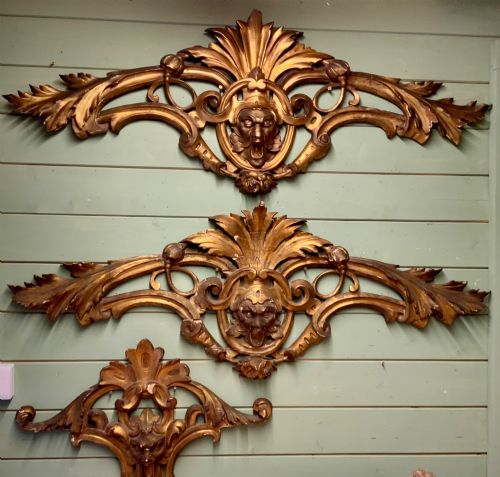
French baroque wood carving brings theatrical depth and gilded presence to a room, offering genuine period ornament for interiors.
French Baroque Wood Carving
When you search for french baroque wood carving, you encounter richly ornamented objects designed to command attention in a grand interior. The selections span centuries of craftsmanship, ranging from authentic period items to later revival interpretations.
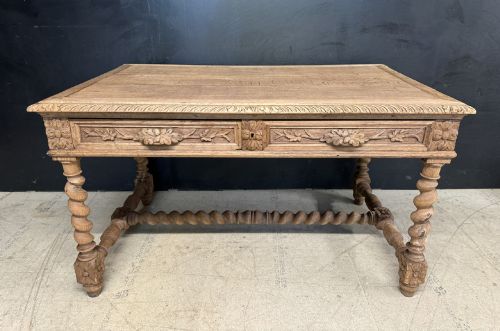
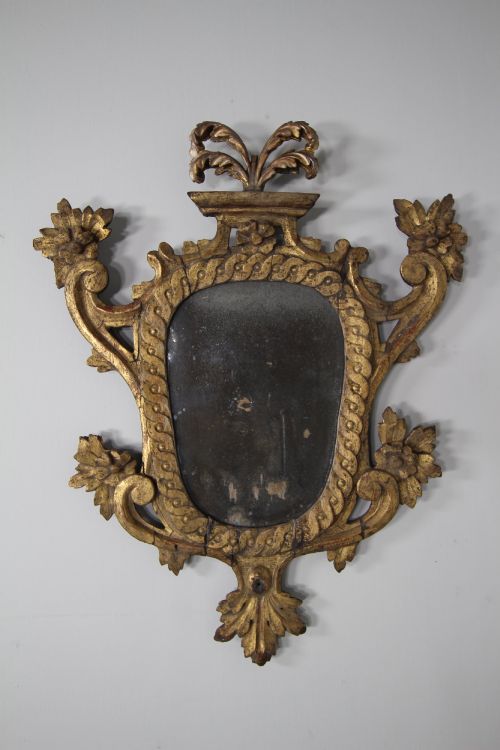
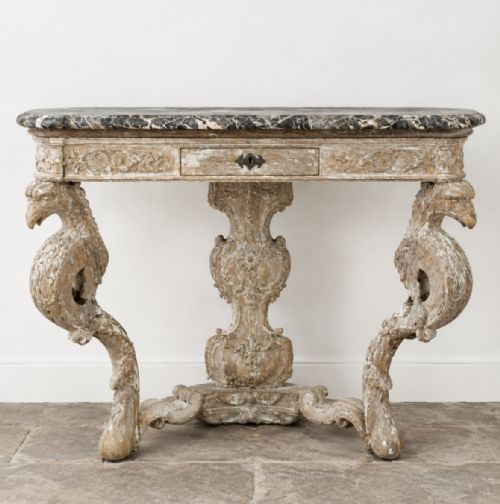
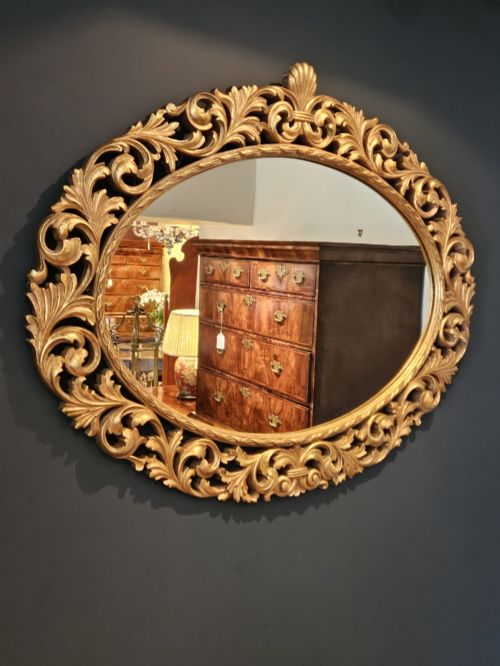
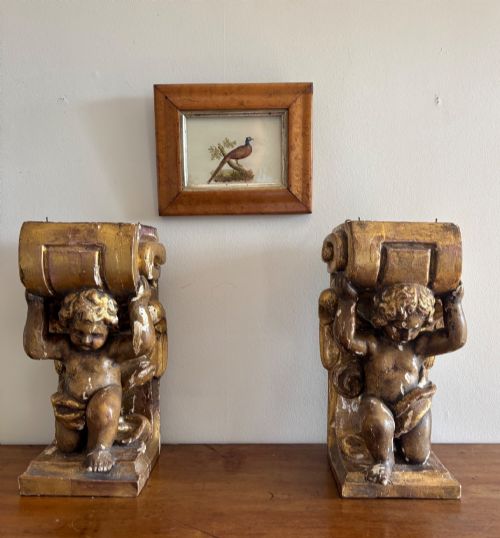
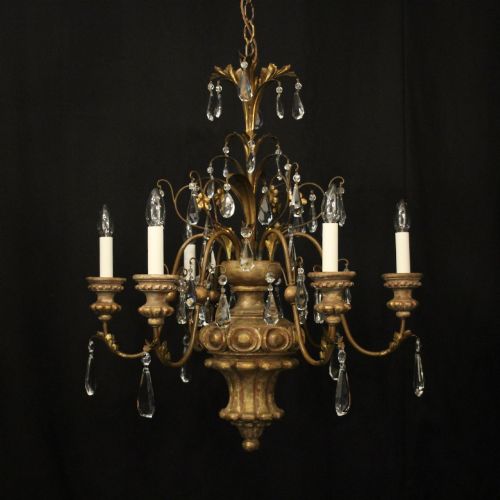
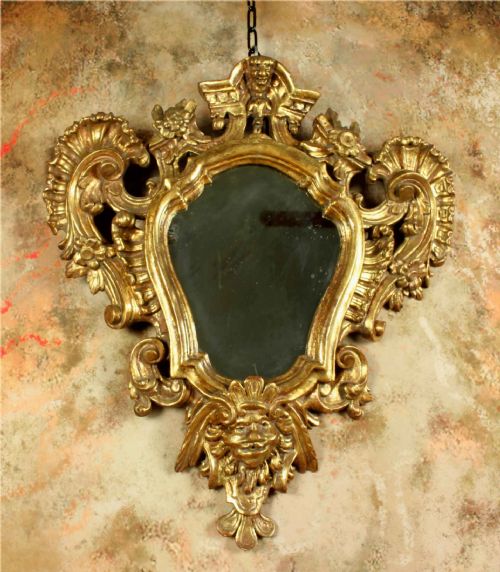
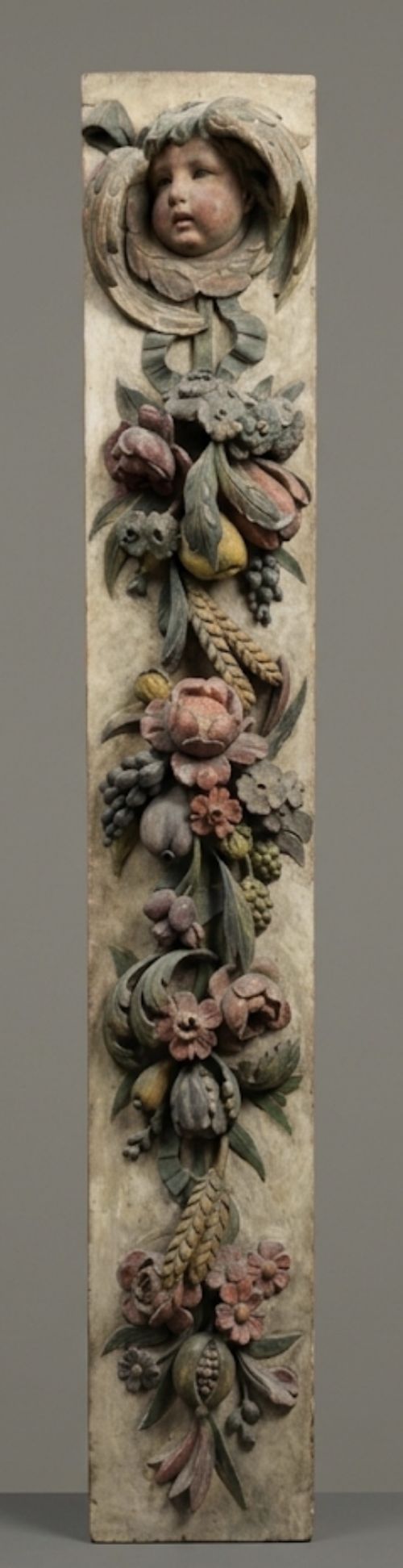
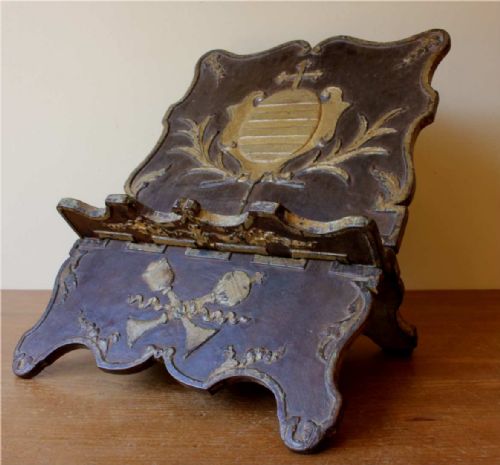
Mirrors dominate the forms available, including cushion mirrors, oval glasses and architectural pier mirrors finished in brilliant gold leaf. Alongside these reflective pieces, you find functional and decorative items such as wall brackets, console tables, chandeliers and religious panels.
The materials reflect a tradition of opulence, combining carved timber with gesso, gold leaf and occasional polychrome paint layers. Walnut and yew tree timbers provide the robust structural foundations for these intricate sculptural compositions.
How they were made
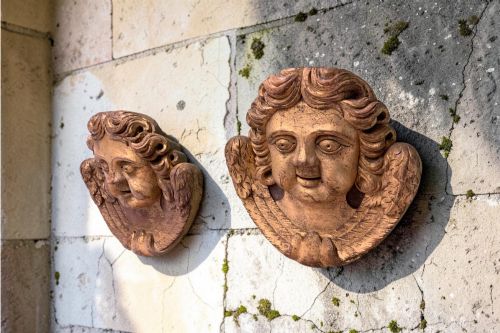
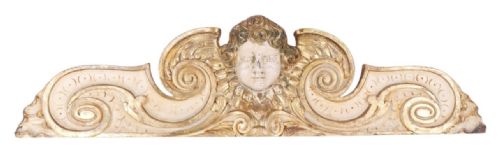
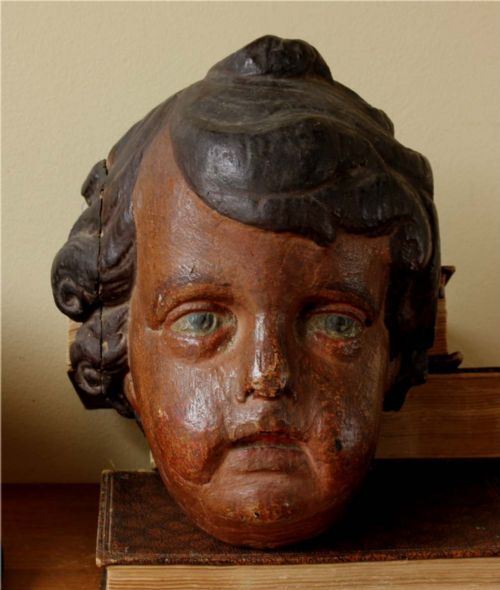
Master carvers shaped dense timber foundations from walnut, yew and general wood blocks, cutting deep relief patterns and figurative elements by hand. Cherubs, masks, acanthus leaves and lions emerge directly from the solid mass of the material.
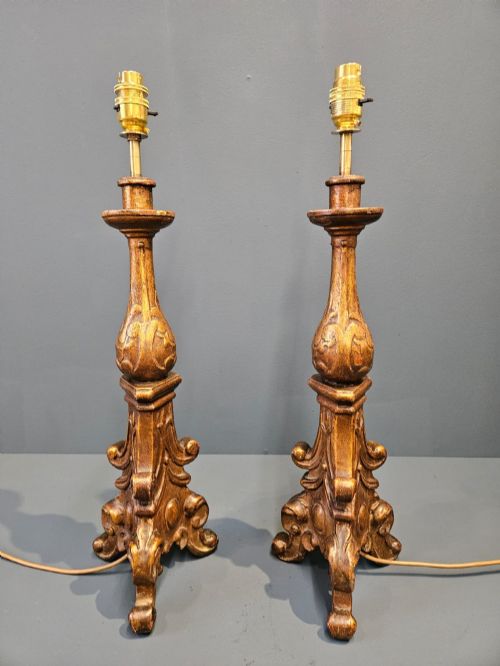
Surfaces were frequently prepared with a layer of gesso before the application of delicate gold leaf or silver leaf. This preparation created a smooth, receptive ground that allowed the burnished metallic finishes to catch and reflect light across the room.
Listings feature 18th century and 19th century items, alongside pieces from the early decades of the 20th century.
What varies in quality
The integrity of the original giltwood surface and gesso ground determines the visual harmony of the piece over time. Surfaces that retain their early gilding without heavy modern intervention preserve the intended warmth and textural nuance of the period.
The French Baroque Wood Carving Glossary
- Giltwood
- Timber coated with gold leaf over a prepared gesso ground. This technique creates a luminous metallic surface that defines much of baroque interior ornament.
- Gesso
- A plaster-like mixture applied to wood as a smooth base for gilding. It allows fine details to be modelled before the application of gold leaf.
- Pricket
- A sharp metal spike on a candlestick or chandelier designed to hold a candle in place. It represents an early method of lighting before socket holders became common.
- Cushion mirror
- A looking glass with a broad, outward-sloping frame upholstered or panelled in carved wood. This profile adds significant optical depth to wall spaces.
- Polychrome
- Painted in several colours. This surface treatment brings lifelike realism to carved wooden figures and architectural panels.
French Baroque Wood Carving: Frequently Asked Questions
How do I hang a heavy carved wood mirror safely?
Large giltwood mirrors require robust wall fixings secured directly into masonry or substantial wall studs to support their considerable weight safely.
Use heavy-duty brackets or French cleats rated well above the actual mass of the frame to ensure secure, permanent placement.
What is the difference between baroque and rococo styles?
Baroque design relies on symmetry, monumental scale and dramatic theatricality to project power and solemn grandeur.
Rococo introduces lighter, asymmetrical forms with playful scrollwork, naturalistic shell motifs and a more intimate decorative energy.
How should I clean antique giltwood?
Dust surfaces gently with a soft, dry brush or feather duster without applying moisture or chemical cleaning agents.
Moisture and modern solvents can lift fragile gold leaf and dissolve the underlying gesso preparation, causing irreversible damage.
Can I use antique carved brackets to support shelves?
Original wall brackets were often built as sculptural ornaments rather than structural shelf supports, so their load capacity varies.
Check the timber thickness and joint stability carefully before placing heavy objects on any historic bracket.