





French Baroque Lighting
French baroque lighting brings grand palace theatre into domestic spaces through heavy gilt bronze, carved wood and glittering crystal.
French Baroque Lighting
French baroque lighting encompasses opulent chandeliers, wall sconces and heavy candlesticks originating from the seventeenth century onwards, alongside later revivals. Buyers seeking this aesthetic encounter grand multi-armed fixtures designed to dominate large rooms.
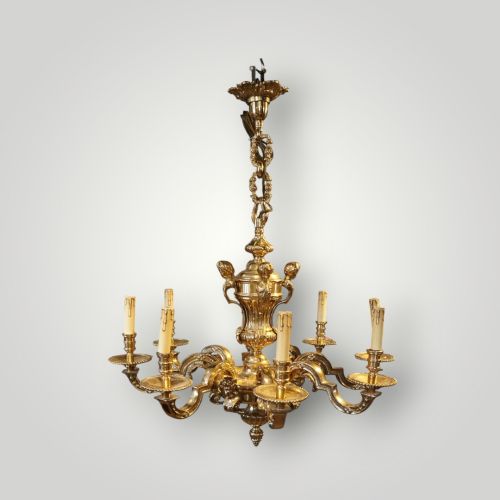
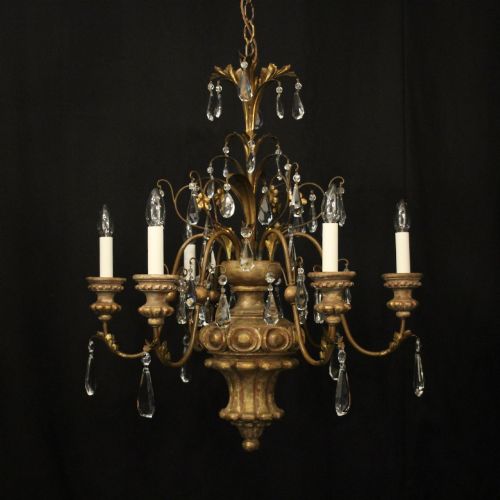
The pieces appearing here lean heavily towards nineteenth-century revivals and early twentieth-century interpretations, drawing directly upon Louis XIV style and Florentine traditions. Chandeliers and wall lights dominate the selection, often incorporating gilt bronze or carved giltwood.
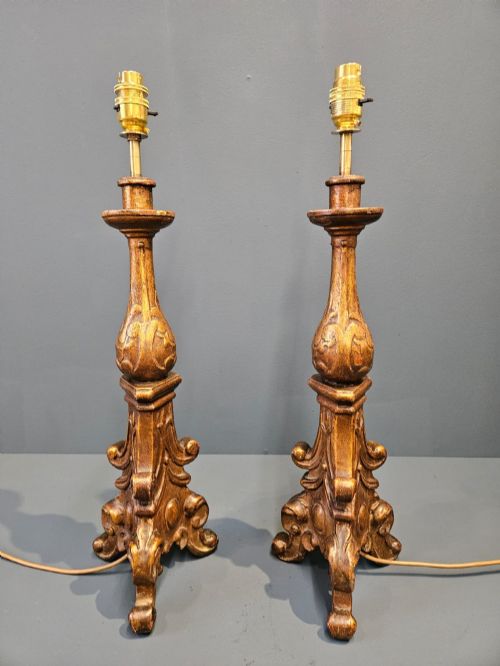
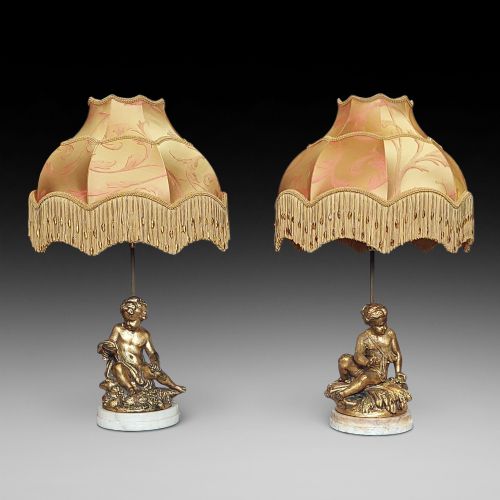
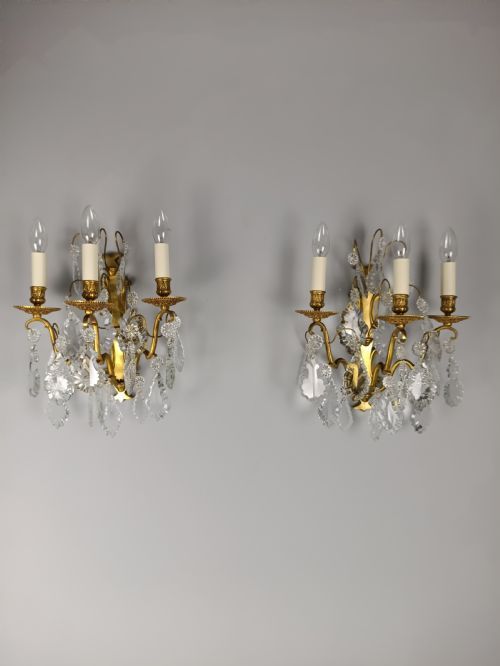
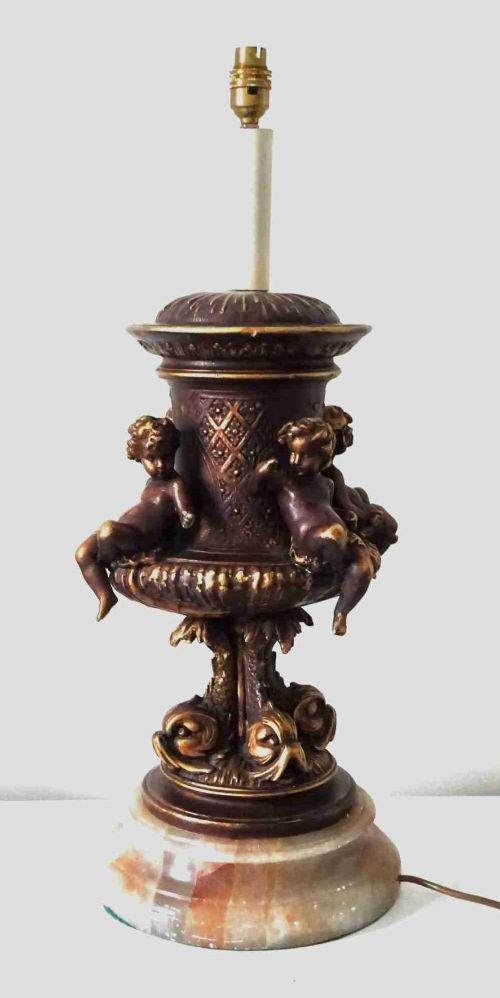
One frequently meets pairs of wall sconces and table lamps converted from earlier candlesticks, reflecting how period lighting adapts to modern interiors. These items bring distinct architectural weight and metallic warmth to a high-ceilinged room.
Judging quality
The integration of glass components and the weight of the metal armature dictate the structural integrity of chandeliers and large wall lights. Heavier cast bronze and dense timber indicate substantial construction compared to lighter pressed metal alternatives.
French Baroque Lighting Retail Price Guide 2026
Typical asking prices for french baroque lighting among the pieces listed under this phrase on Sellingantiques today, from the lower quarter to the upper quarter. They describe what is for sale here now, not the wider market.
Listings feature brass, giltwood, glass, gilt bronze, gesso, gilt metal, crystal and carved wood across multiple centuries.
The French Baroque Lighting Glossary
- Giltwood
- Timber coated with fine gold leaf or gilt powder over a prepared gesso ground. This technique creates a luminous surface that catches dim light.
- Chasing
- The art of finishing metal castings by hand using small hammers and punches to sharpen details. Fine chasing separates masterwork bronzes from standard production.
- Pricket
- A sharp metal spike set in a candlestick or chandelier drip pan to hold a candle upright. This form appears on early ecclesiastical and domestic lighting.
- Sconce
- A wall-mounted lighting fixture designed to hold candles or electric lamps. These project outward to wash interior walls in warm illumination.
- Ormolu
- Gilded bronze, derived from the French term indicating ground gold. It provides a durable metallic finish on decorative mounts and lighting fittings.
French Baroque Lighting: Frequently Asked Questions
How do I wire antique wall sconces?
Most antique wall lights and sconces require professional rewiring to meet modern electrical safety standards while preserving their original aesthetic. Electricians run subtle internal wiring through the hollow arms or backplates without altering the exterior metalwork.
Buyers should consult a specialist who understands fragile gilt surfaces and old brass components. Proper installation ensures the heavy fixtures mount securely to wall studs.
Are these pieces from the seventeenth century?
While the style originates in the mid-seventeenth-century reign of Louis XIV, the majority of surviving domestic lighting dates from later revival periods in the nineteenth and early twentieth centuries. These later pieces faithfully replicate the scale, motifs and construction methods of the original baroque era.
Items explicitly dated to the seventeenth or eighteenth centuries appear less frequently and command attention for their age and authentic material patina. Reviewing the specific period listed helps clarify the exact age of each item.
How do I clean giltwood lighting?
Giltwood requires extremely gentle dusting with a soft, dry brush to prevent damage to the delicate gold leaf layer. Moisture and harsh chemical cleaners strip away the historic gesso and gilding entirely.
Professional conservation cleaning is recommended for heavily soiled pieces. Regular maintenance involves simply removing surface dust using non-abrasive tools.
What is the difference between brass and bronze?
Bronze is an alloy of copper and tin, prized for its strength and ability to take fine chased details and rich gilding. Brass is primarily an alloy of copper and zinc, typically showing a brighter, yellower metallic tone.
Both metals appear across these listings, with bronze often reserved for high-status Louis XIV style chandeliers and wall sconces. Brass is frequently found on robust candlesticks and simpler mounting hardware.