





French Art Piece
A french art piece brings distinct European character into a room, offering craftsmanship from periods spanning the eighteenth to the mid-twentieth century.
French Art Piece
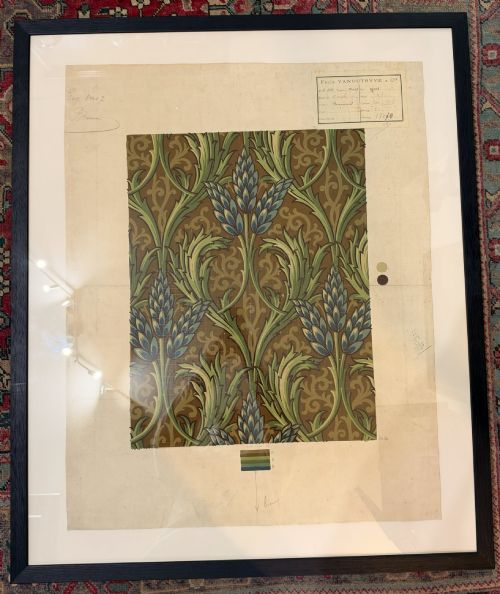
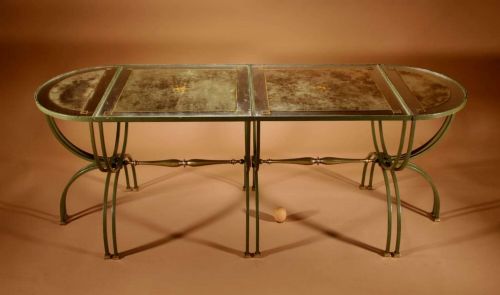
Every french art piece on this page represents a diverse category of items ranging from mantel clocks and coffee tables to decorative objects and seating suites. Buyers searching for a french art piece encounter various forms such as wall hangings, table lamps, lounge suites, and clock garniture sets originating from different eras.
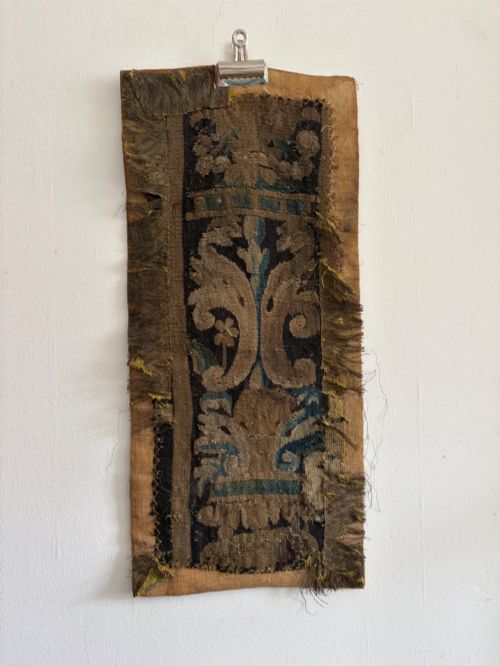
The objects span multiple eras, including eighteenth-century tapestry fragments, nineteenth-century maritime models and boules sets, alongside twentieth-century Art Deco, Art Nouveau, Modernist, and Mid-Century Modern creations. Mid-century modern oil paintings and prisoner of war trench art further broaden the scope of available designs.
Assessing the range
Quality in these items is determined by the refinement of the materials and the execution of the surface finish, whether through intricate wood veneers, carved details, or metal casting. Finer examples display harmonious combinations of elements like brass and grey breccia marble or carefully matched exotic wood grains on seating suites.
The integrity of the original components, such as original glass in tables or authentic dial mechanisms in clock garniture sets, separates higher-grade items from those with replaced elements. The precision of the craftsmanship in decorative metalwork and textiles also dictates where a piece sits within the broader spectrum.
French Art Piece Retail Price Guide 2026
Typical asking prices for french art piece among the pieces listed under this phrase on Sellingantiques today, from the lower quarter to the upper quarter. They describe what is for sale here now, not the wider market.
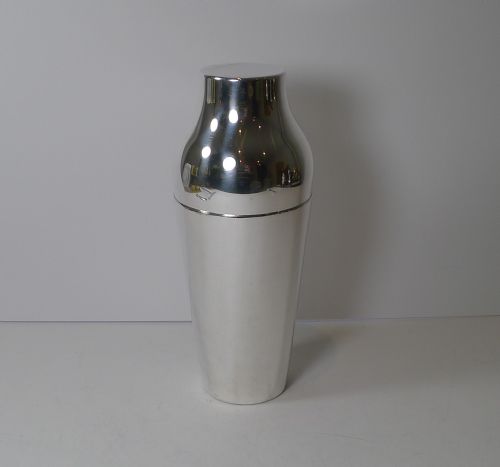
Object types span mantel clocks, coffee tables, wall hangings, decorative objects, table lamps, lounge suites, and cocktail shakers.
The French Art Piece Glossary
- Clock Garniture Set
- A matching set consisting of a central clock flanked by decorative side ornaments or urns. These decorative groupings were popular centrepieces on mantelpieces during the Art Deco period.
- Verdure Tapestry
- A woven wall hanging depicting lush landscape foliage and trees. Fragments are often mounted to linen for preservation and display.
- Spelter
- An alloy of zinc and lead used widely as a cost-effective alternative to bronze for decorative sculptures and table lamps. It accepts patination and metallic paint finishes readily.
- Breccia Marble
- A composite rock made of angular fragments embedded in a fine-grained matrix. It provides a highly patterned, multicoloured surface popular in decorative table tops and clock surrounds.
French Art Piece: Frequently Asked Questions
What periods do these pieces cover?
The selection includes items from the eighteenth century, nineteenth century, and twentieth century. Styles range from baroque and nineteenth-century maritime through to Art Nouveau, Art Deco, and mid-century modern.
Specific dates within the listings point to decades such as the 1920s, 1930s, 1940s, 1950s, and 1960s, reflecting changing aesthetic preferences across European design history.
How do I care for marble and bronze clock sets?
Marble surfaces benefit from gentle dusting with a soft, dry cloth and should be kept away from acidic liquids that can etch the stone. Silver-plated bronze and brass elements require minimal intervention beyond avoiding abrasive polishes.
Maintaining a stable room temperature prevents natural expansion and contraction differences between the stone and metal components of clock garnitures.
What materials are common in the furniture?
Seating and tables utilise various woods including walnut, sycamore, zebrano, calamander, macassar, and ebony. Leather upholstery frequently accompanies these wooden frames, alongside wrought iron and glass elements.
Exotic veneers and natural grain patterns define the surface appearance of the cabinetry and suite frames.
Are the lighting pieces original?
Table lamps in this selection typically feature metal bases such as spelter formed during the Art Nouveau and Art Deco periods. Wiring and electrical components often require updating to meet modern safety standards while retaining the original decorative body.
Checking the physical mountings and material patination helps verify the age of the base.