

French Art Nouveau
These French art nouveau pieces combine organic curves with fine bronze, glass and marble, offering a sophisticated turn-of-the-century aesthetic for any interior.
French Art Nouveau
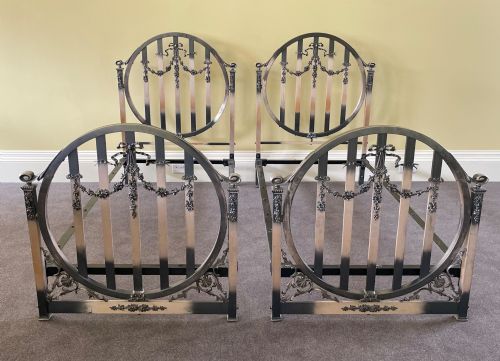
French art nouveau encompasses decorative objects and furnishings created around the turn of the twentieth century, drawing heavily from natural forms such as flowers, vines and the human figure. Vases, sculptures, umbrella stands and chandeliers form the core of what you encounter, representing a distinct departure from rigid historic revival styles.
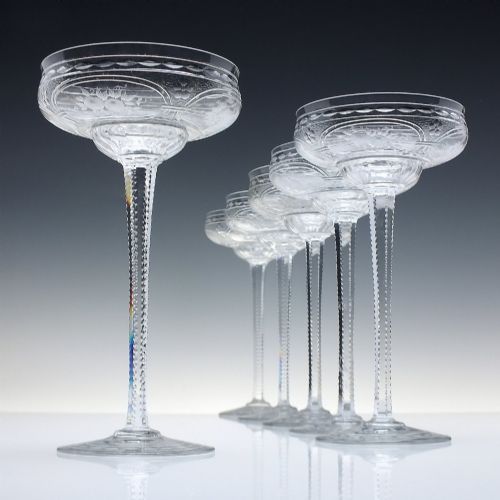
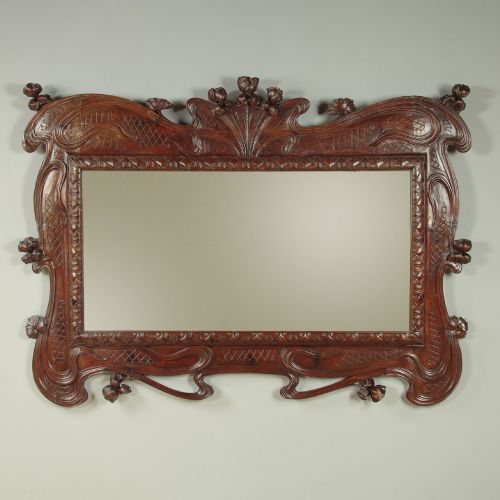
The aesthetic bridges several overlapping periods, appearing in pieces from the late nineteenth century through to the Edwardian era and the nineteen-twenties. You will regularly find domestic items such as jewellery boxes, inkwells and wine glasses alongside larger architectural bronze figures and carved frames.
Originating in France and neighbouring regions, these items reflect a unified design philosophy applied across diverse media, from heavy cast iron furniture to delicate glassware. Buyers seek them out to introduce fluid, organic lines and authentic period character into contemporary or traditional spaces.
How they were made
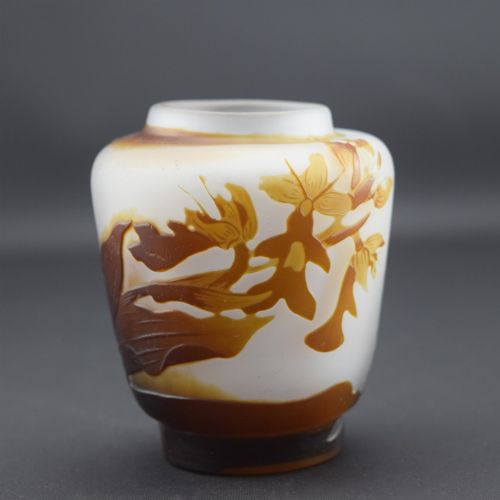
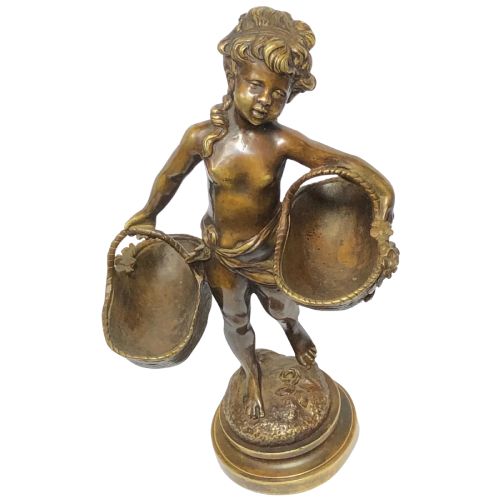
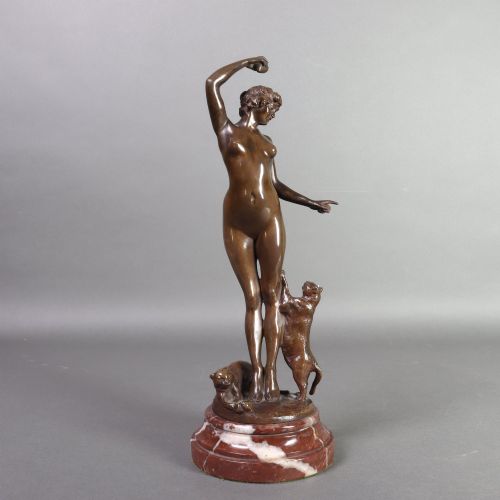
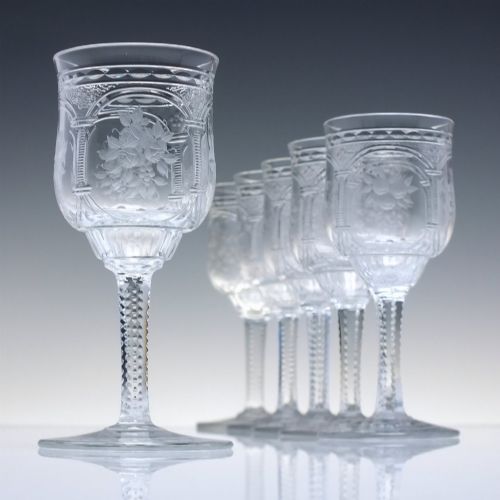
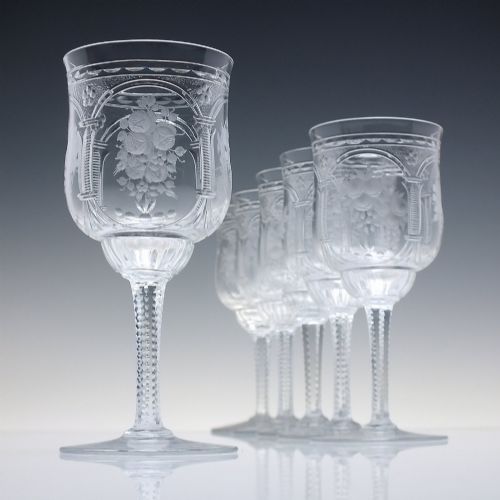
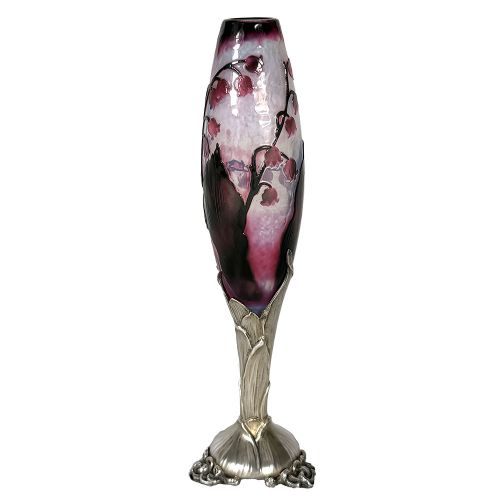
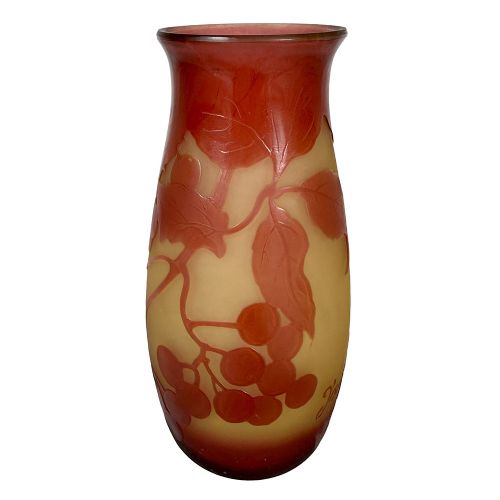
Makers utilised molten bronze cast through traditional foundry methods to produce sculptural figures, inkwells and lamp bases, frequently finishing the metal with gilt or nickel plating. Glassmakers applied techniques such as acid-etching, wheel-carving and multi-layered cameo cutting to achieve deep relief and colour contrast in vases.
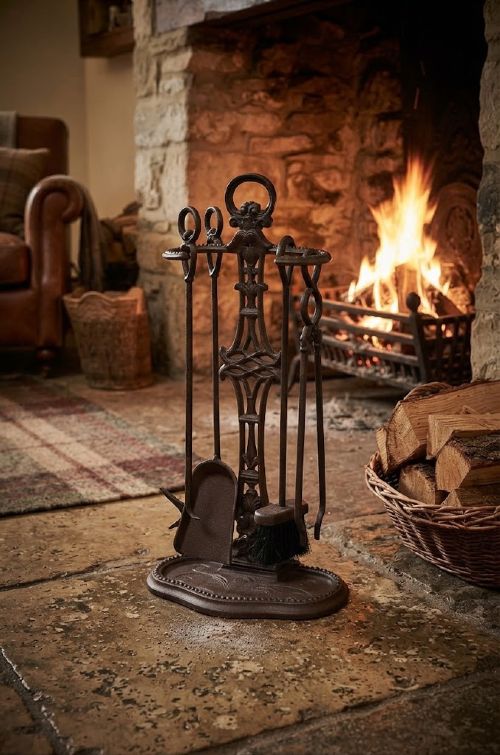
Casting iron served utility in larger hall items like umbrella stands and fire tool stands, often incorporating botanical motifs or faux bois bamboo designs directly into the mould. Cabinet makers combined marquetry inlay with carved timber frames for display units and music cabinets.
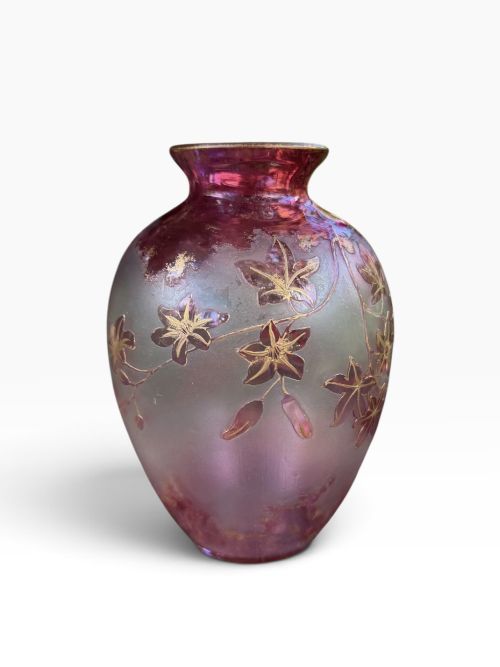
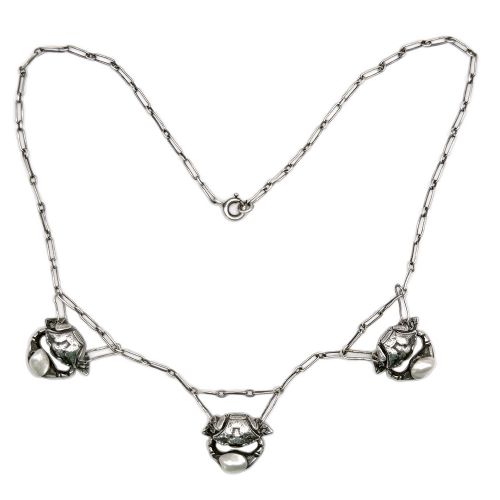
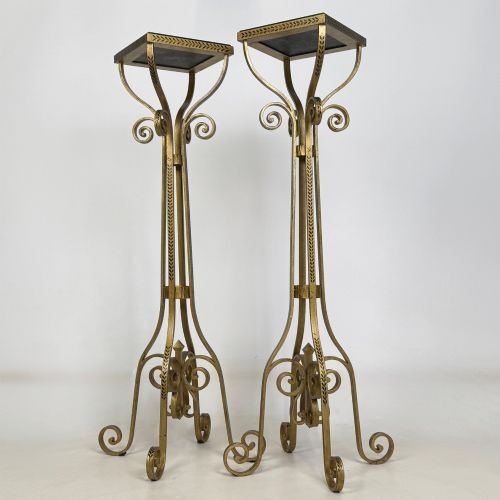
Enamel and silver mounting frequently complemented glassware and pendants, integrating organic metals with coloured glass surfaces. Artisans also worked with marble for sculptural bases and plant stands, combining heavy stone foundations with intricate brass and bronze scrollwork.
Cast iron umbrella stands disguised as bamboo forest stalks bring a touch of botanical whimsy right into the nineteenth-century hallway.
What varies in quality
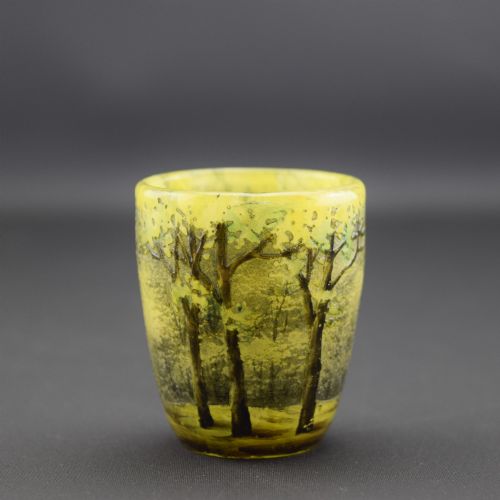
In glassware, the complexity of the cameo layering and the precision of the acid-etching or wheel-carving determine the tier of the piece. Crisp execution of naturalistic scenes on multi-coloured glass demands greater technical mastery than simple surface enamelling.
Material integration also dictates standard; the harmonious pairing of hand-carved glass with custom silver mounts or the weight and grain of selected marble bases distinguishes finer workshop output from mass-produced items.
Auguste Moreau·Emile Galle·Rene Lalique·Mathurin Moreau·E Villanis
The French Art Nouveau Glossary
- Cameo Glass
- Glassware created by fusing two or more layers of different coloured glass and carving away the exterior layer to reveal a contrasting design in relief.
- Acid-Etched Glass
- A technique where hydrofluoric acid is applied to the surface of glassware to eat away unprotected areas, producing frosted patterns or textured depth.
- Gilt Bronze
- Bronze metal coated with a thin layer of gold or gold amalgam, providing a bright metallic sheen often seen on fine decorative sculptures and jewellery boxes.
- Marquetry
- The art and craft of applying pieces of veneer to a structure to form decorative patterns, frequently utilised on period display cabinets and music furniture.
- Wheel-Carved Glass
- Glass decoration achieved by holding the vessel against a rotating abrasive wheel, allowing artisans to cut deep, precise linear details into the material.
French Art Nouveau: Frequently Asked Questions
What defines French art nouveau design?
This style draws inspiration directly from the natural world, prioritising asymmetric flowing lines, plant stalks, floral motifs and sinuous human forms.
Artists rejected industrial mass-production aesthetics in favour of handcrafted individuality across ceramics, glass, metalwork and furniture.
How do I care for bronze sculptures?
Keep bronze pieces away from direct sunlight and damp environments to protect the original patina and metal finish from degradation.
Dust them gently with a dry microfibre cloth and avoid applying modern chemical polishes or abrasive cleaners.
Where were cameo glass vases displayed?
Period homes showcased these colourful vessels on mantelpieces, side tables and dedicated display cabinets where natural light could pass through the layered glass.
They functioned primarily as decorative art objects rather than utilitarian containers for cut flowers.