


French Art Nouveau Vessel
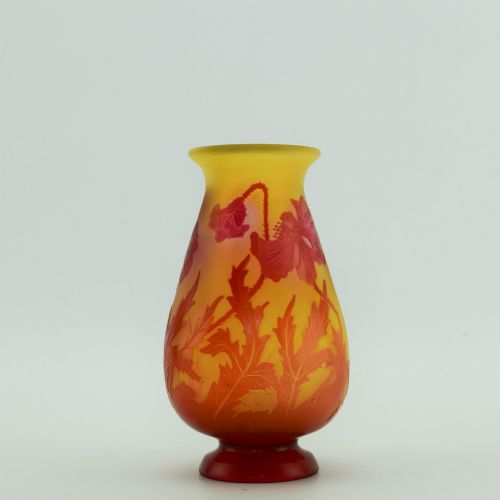
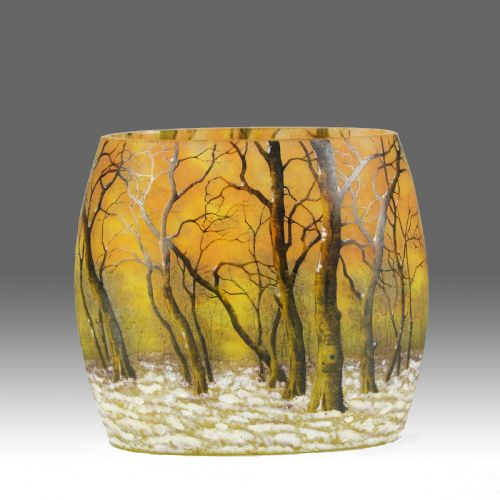
A French art nouveau vessel brings fluid organic forms and natural motifs directly into a room.
French Art Nouveau Vessel
A French art nouveau vessel encompasses items produced primarily around the turn of the twentieth century, bridging the nineteenth century and the art deco period. Collectors encounter diverse forms ranging from vases and decorative bowls to trinket boxes, decanters, jugs, and urns.
The objects stem from distinct material traditions, with cameo glass and bronze holding a prominent place alongside ceramic, faience, and crystal glass. Many examples reflect the stylistic language of the French Belle Epoque and French studio pottery movements.
How They Were Made
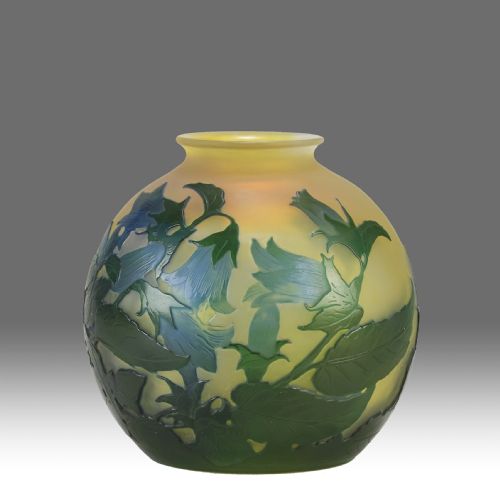
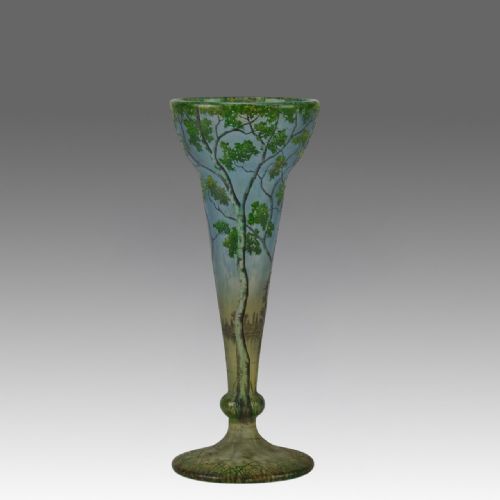
Makers utilised specialised glassworking techniques, notably acid-etched glass, souffle or blow-out methods, and layered cameo glass to achieve tactile relief and depth. Molten material was manipulated to display naturalistic botanical and landscape scenes.
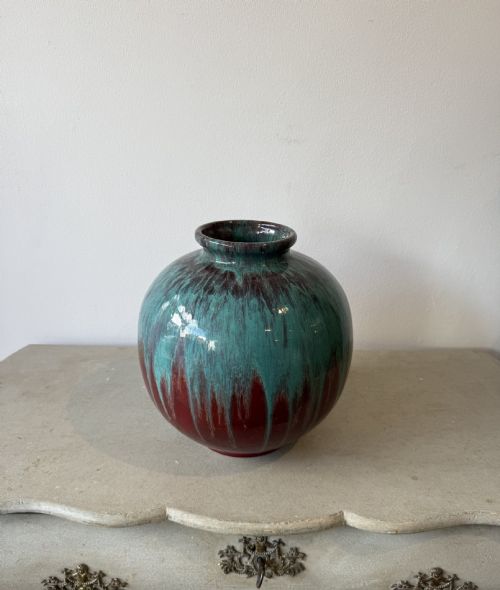
Metalwork pieces involved cast bronze, sometimes enhanced with gilt finishes, while ceramic and faience items relied on traditional throwing and moulding followed by enamelling or glaze application.
The listings feature works spanning from the late nineteenth century through the 1920s and 1930s, alongside pieces created later than 1960.
What Varies in Quality
The calibre of a piece rests upon the crispness of the etching and the complexity of the glass layering, where multiple colours create a convincing pictorial depth. In bronze and metalwork, the definition in the cast and the precision of hand-chasing determine the finish.
Artistic execution distinguishes standard production items from masterworks bearing signature motifs of distinct workshops, where careful attention to surface detail elevates the whole object.
Emile Gallé·Daum Frères·Legras·Charles Korschann·Jean Dunand·Rene Lalique·Henry Dasson
The French Art Nouveau Vessel Glossary
- Cameo Glass
- Glass vessels formed of two or more layers of distinct colours fused together, then carved or acid-etched to create a raised design. This technique allows light to pass through the thinner areas, illuminating the subject.
- Acid-Etched Glass
- A method where hydrofluoric acid eats away unprotected portions of the glass surface to produce frosted textures or deep patterns. It replaced much hand-carving by the end of the nineteenth century.
- Faience
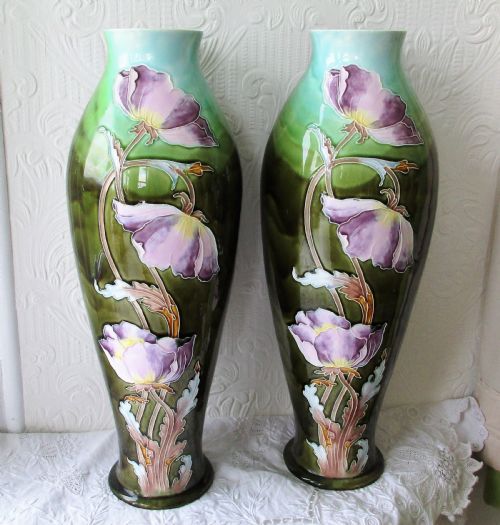
- Tin-glazed earthenware produced in various French workshops and factories. The opaque white glaze serves as a smooth ground for painted botanical and figurative decoration.
- Souffle
- A glass-making process where hot glass is blown into a metal cage or mould to expand into high relief. Pieces made this way often depict bold floral or animal subjects.
French Art Nouveau Vessel: Frequently Asked Questions
Where were these pieces made?
These works originate from French glasshouses, ceramic potteries, and metal foundries active around the turn of the twentieth century.
Key production centres included regions known for artistic glass and ceramics, such as Nancy and Paris.
How should I clean a bronze vessel?
Bronze items require minimal intervention to preserve their historic patination and surface finishes.
Dust gently with a dry, soft cloth and avoid chemical polishes that strip the natural oxidation built up over decades.
What motifs appear on these vessels?
Natural subjects dominate the decorative vocabulary, drawing inspiration from plant life, aquatic themes, and seasonal landscapes.
Common depictions include clematis, water lilies, winter scenes, and stylized floral stems characteristic of the period.