





French Art Nouveau Desk
A french art nouveau desk gathering brings together sculptural lamps, inkwells and timepieces shaped by organic curves and turn-of-the-century craftsmanship.
French Art Nouveau Desk
A french art nouveau desk assembly spans functional accessories and decorative items rooted in the late nineteenth and early twentieth centuries. These objects reflect the flowing floral motifs and natural forms defining the Belle Époque.
Buyers encountering this selection will frequently find lighting alongside desktop items such as inkwells, letter openers and calendars. Many pieces integrate sculptural figures into utilitarian objects.
Origins trace back to French workshops and studios working across the turn of the century, capturing an era of stylistic experimentation.
Materials and Construction
Metalworking dominates the evidence, utilising cast bronze, brass, copper, or finished spelter to create complex sculptural forms and structural mounts. Gilding, silvering and patination frequently finish these metallic surfaces.
Glass appears in varied treatments, incorporating frosted finishes, enamelling and cabochons to soften illumination in lamps and shades. Combinations of marble bases, carved wood and enamel accents complete the construction of desk pieces.
French Art Nouveau Desk Retail Price Guide 2026
Typical asking prices for french art nouveau desk among the pieces listed under this phrase on Sellingantiques today, from the lower quarter to the upper quarter. They describe what is for sale here now, not the wider market.
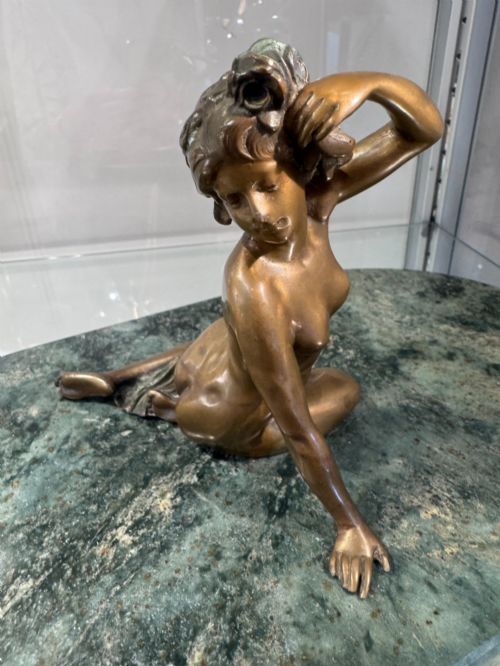
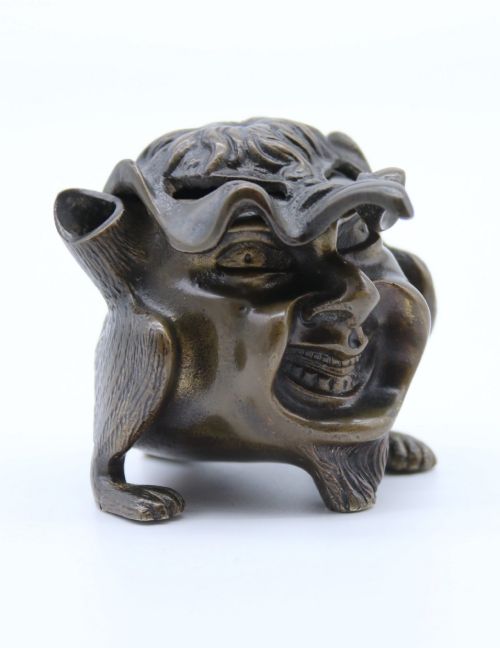
Desk ornaments range from elegant ladies to a grotesque creature inkwell, proving that turn-of-the-century writers enjoyed a touch of the bizarre.
Judging Quality and Execution
The choice of secondary materials, such as genuine marble plinths, quality glass shades and patinated finishes, elevates certain items above standard decorative goods.
L & F Moreau·Louis Auguste Moreau·Georges Van Der Straeten·Georges Leleu·Daum·Rene Lalique·Eugène Désiré Piron·Albert Marionnet·Louis Majorelle·Maurice Dufrene·Antoine Bofill·Ernest Louis Adnin
The French Art Nouveau Desk Glossary
- Spelter
- A zinc-lead alloy used as a cost-effective substitute for bronze in decorative figures and lamps. It takes patination well but possesses a lighter weight and softer structure.
- Cabochon
- A gemstone or piece of glass shaped and polished rather than faceted. These elements appear frequently as decorative highlights on lighting.
- Ormolu
- Gilded bronze produced through mercury amalgamation or electroplating techniques. It provides a bright, durable golden finish on mounts and desk accessories.
- Faience
- Tin-glazed earthenware decorated with coloured enamels. This material introduces vibrant colour to lamp bases and ink stands.
- Cachet
- A small seal or stamp used with sealing wax. These desk implements often feature intricate figural handles.
French Art Nouveau Desk: Frequently Asked Questions
What items belong on a french art nouveau desk?
Such an arrangement incorporates practical desk accessories including inkwells, letter openers, wax seals and calendars alongside decorative table lamps and small timepieces.
These pieces combine utility with organic sculptural design, reflecting the aesthetic priorities of the period.
How do I identify a spelter lamp from bronze?
Spelter is lighter in weight than bronze and often reveals a greyish or silvery metal underneath worn areas of patination. It also possesses a softer surface that scratches more readily than cast bronze.
Bronze examples display a heavier, denser feel and a more durable metallic substrate beneath the finish.
What lighting types are common here?
The selection includes table lamps, reading lamps and boudoir timepieces featuring frosted or enamelled glass shades. Bases take the form of patinated bronze or spelter figures intertwined with floral motifs.
These lamps utilise electricity or period wiring adaptations suited to low-intensity display.
How do I care for enameled glass and metal?
Dust metal surfaces gently with a soft dry cloth and avoid harsh chemical polishes that can strip original patination or gilding. Glass elements require careful cleaning with mild soap and water.
Keep pieces away from direct sunlight and excessive moisture to preserve enamel colours and delicate patinas.