





French Art Deco Crystal
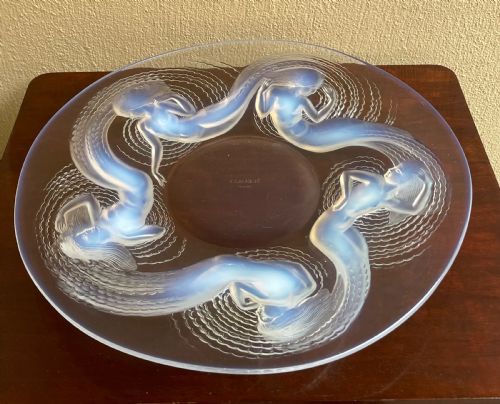
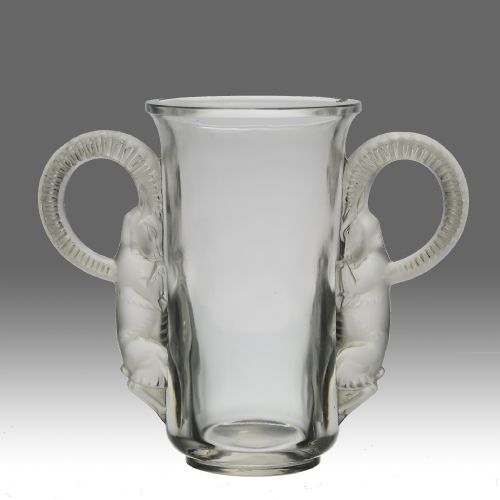
French art deco crystal brings together the sharp geometry of the interwar years and the heavy refractive clarity of moulded or cut glass.
French Art Deco Crystal
French art deco crystal encompasses decorative and functional objects produced during the early twentieth century, spanning the 1900s, 1920s, and 1930s. Buyers searching for french art deco crystal encounter a diverse inventory ranging from utilitarian vessels to intricate sculptural figurines.
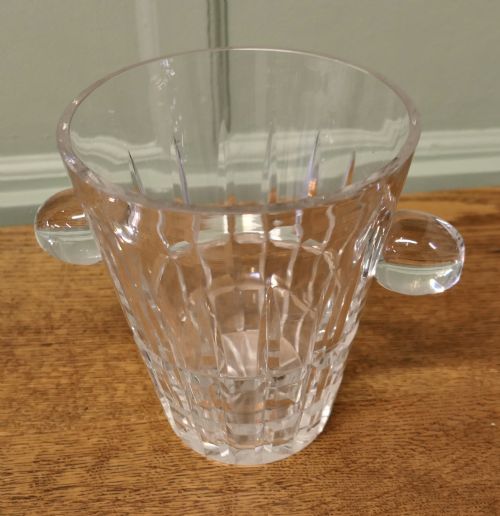
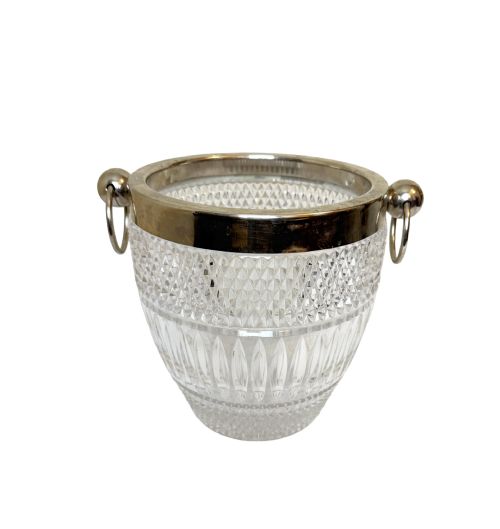
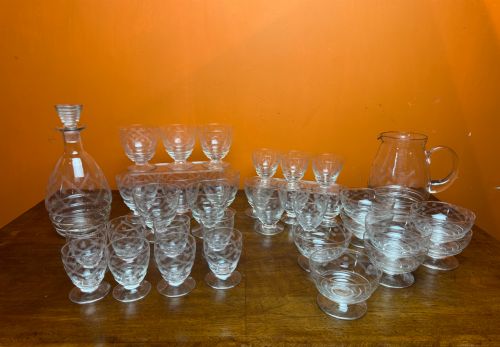
The objects take many forms, including vases, perfume bottles, paperweights, glassware, ceiling lights, ice buckets, chandeliers, decanters, and candlesticks. Vases, drinking glass suites, and lighting fixtures dominate the available selections.
Originating primarily from French studios and major glassworks, these pieces reflect the stylistic shifts from ornate floral motifs toward stylised symmetry, geometric patterns, and modernist minimalism.
How They Were Made
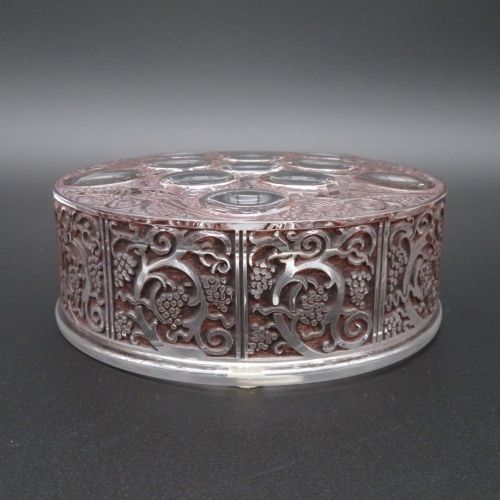
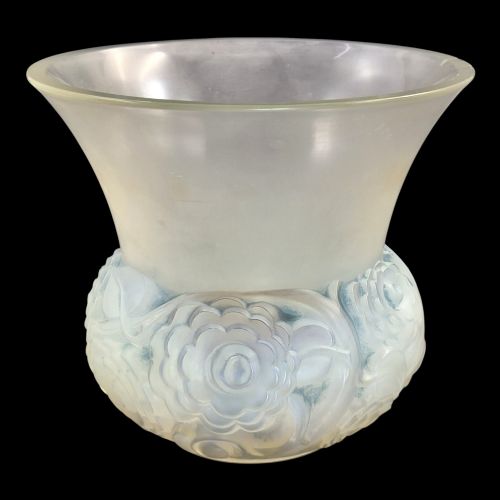
Makers utilised crystal, clear glass, frosted glass, opalescent glass, and moulded glass, often employing hand-blown techniques alongside press-moulding. Molten material was shaped in heavy iron or bronze mounts, sometimes combined with chrome, silver-plate, or sterling silver collars.
Surface decoration relied on deep etching, acid-staining in blue or red, hand-cut facets, and engraved detailing to create contrast between translucent bodies and opaque or coloured highlights.
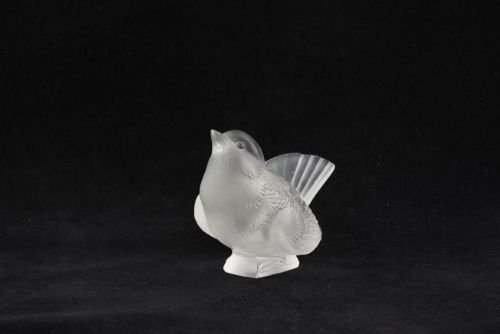
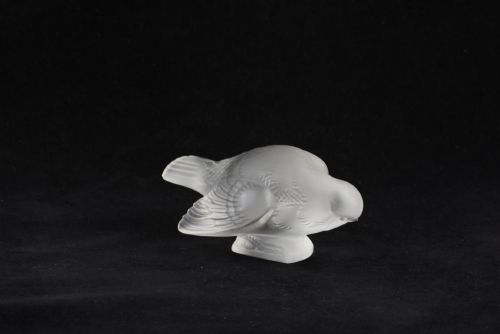
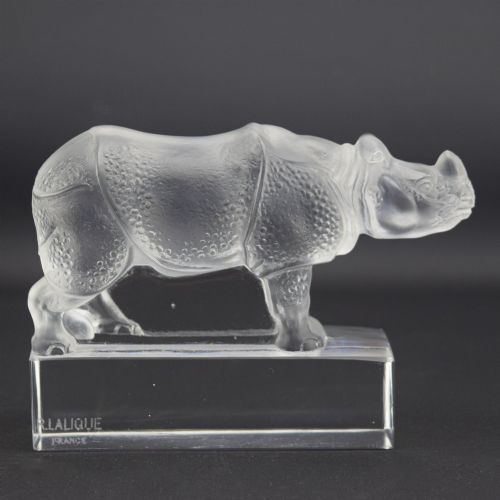
Rene Lalique immortalised cheeky sparrows, elephants, and rhinos as heavy glass paperweights.
What Varies in Quality
Quality rests upon the crispness of the moulding and the depth of the acid-etching or hand-cutting. Superior pieces display sharp definition in relief figures and precise geometric lines without surface distortion.
The weight and purity of the glass or crystal also determine distinction, alongside the integration of secondary materials such as bronze, chrome, or silver mounts that anchor the heavy glass bodies.
Rene Lalique·Baccarat·Daum·Jean Luce·Jacques Adnet·St Medard·Keller Paris
The French Art Deco Crystal Glossary
- Opalescent glass
- Glass that displays a milky, translucent appearance with shifting blue or amber tones when lit from different angles.
- Crystal
- A high-clarity glass containing metal oxides that increase refractive index and weight, allowing for deep cutting.
- Moulded glass
- Glass formed by pressing molten material into a metal or wooden die to create three-dimensional relief patterns.
- Etching
- A technique using acid to eat away exposed areas of the glass surface, producing frosted or textured designs.
- Tantalus
- A locking wooden or metal frame holding decanters securely while displaying their contents through the glass walls.
French Art Deco Crystal: Frequently Asked Questions
How do I identify a Lalique piece?
Authentic pieces by Rene Lalique typically feature moulded, engraved, or sandblasted signatures directly on the glass body. The typography and placement vary according to the production decade.
Studying the sharpness of the relief work and the specific tint of the opalescent or stained glass helps confirm the workshop origin.
What is the difference between glass and crystal?
Crystal contains specific mineral additives like lead oxide that increase the material's density, weight, and light refraction compared to standard soda-lime glass.
This heavier composition allows artisans to execute deep, sharp cuts without fracturing the structure of the vessel.
How should I clean antique crystal?
Wash pieces by hand using lukewarm water and a mild, non-abrasive detergent to protect vulnerable surface patinas, stains, and frosted details. Avoid extreme temperature changes to prevent thermal shock.
Dry the item immediately with a lint-free cloth to maintain the reflective clarity of the cut facets.
Were these items meant for daily use?
Many objects, such as the drinking glass suites, decanters, and ice buckets, were designed for active entertaining and dining during the interwar period. Other items like paperweights and statuettes served purely decorative functions.
Living with these pieces involves balancing their historical utility with careful handling to preserve their condition.