



French Armoire Mirror Door
A French armoire mirror door brings grand proportions and reflective glass to a bedroom, offering substantial storage alongside period charm.
French Armoire Mirror Door
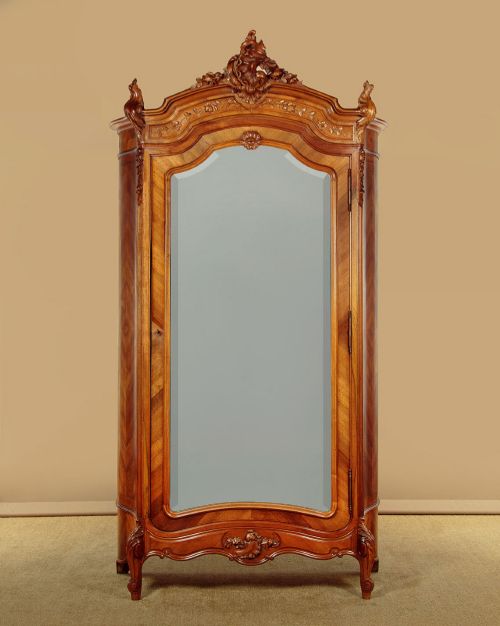
A French armoire mirror door stands as a substantial bedroom cabinet designed to hold garments while introducing a full-length reflective surface to the room. Buyers seeking this phrase encounter large wardrobe pieces originating primarily from the nineteenth and early twentieth centuries, spanning periods such as Edwardian and the year nineteen hundred.
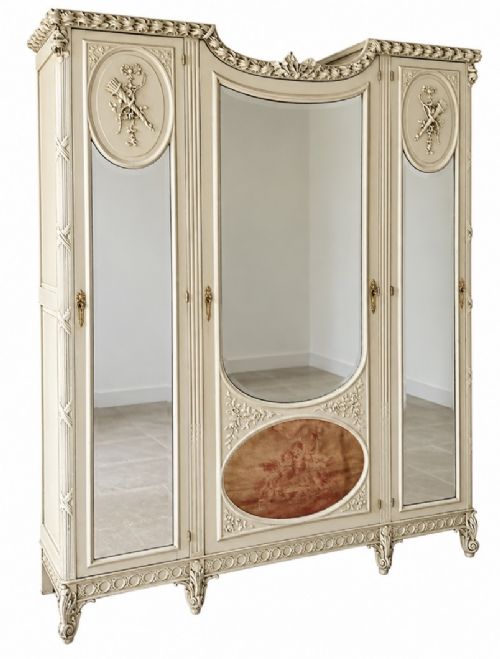
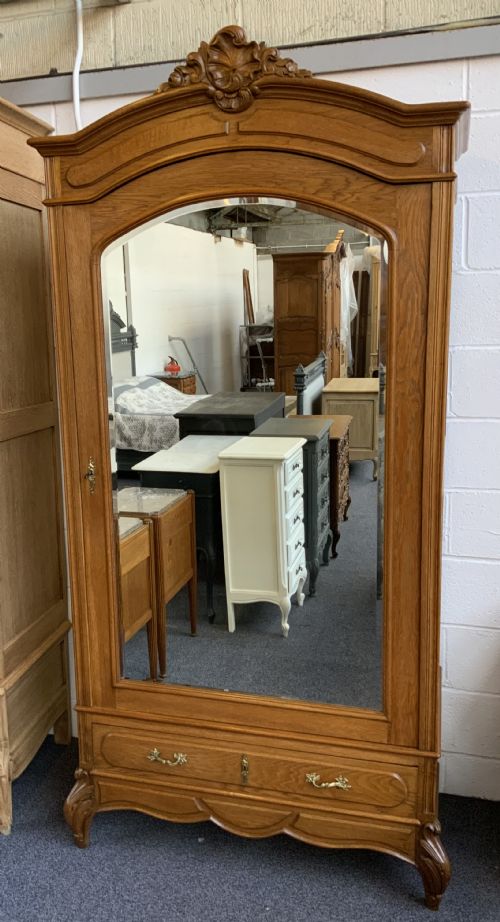
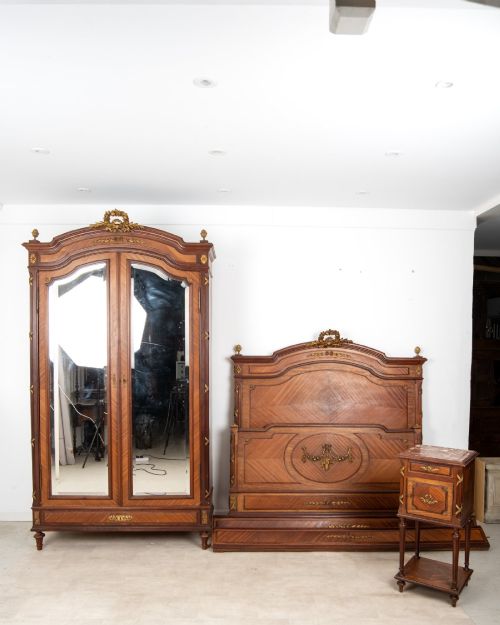
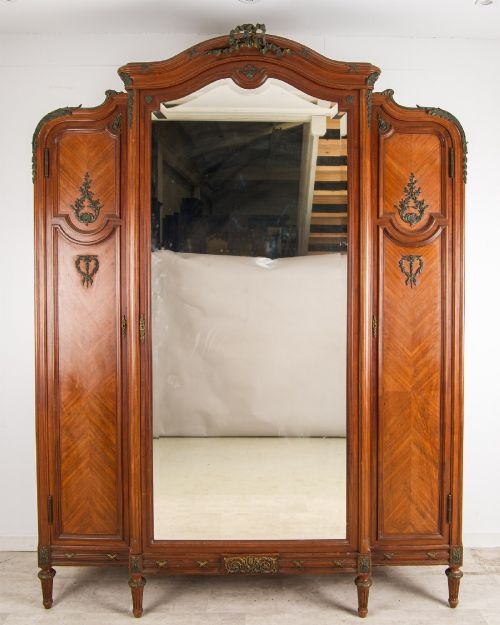
The selections available here range from single-door variations in carved oak to expansive triple-door compositions and grand mahogany suites. Stylistic expressions cover Louis XVI Revival, French Provincial, Empire, and Art Deco, reflecting the diverse tastes of their original makers.
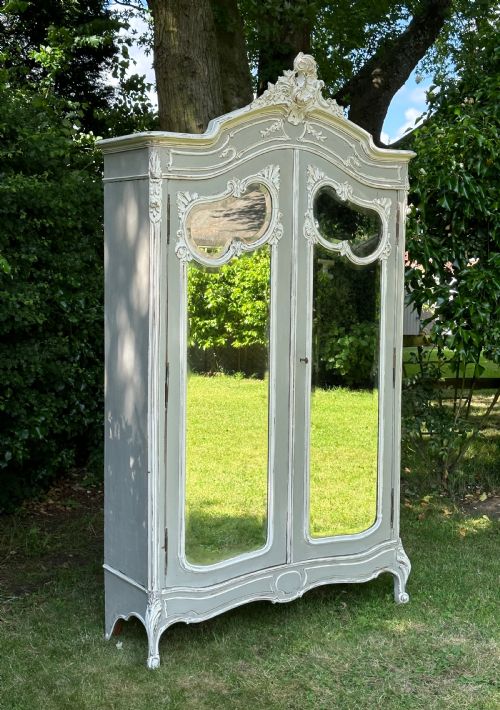
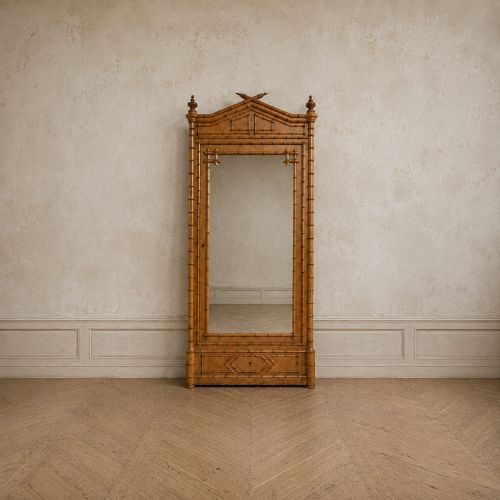
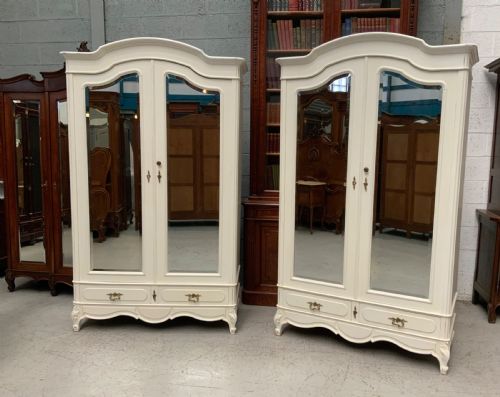
Forms include breakfront designs, painted finishes in contemporary and traditional tones, and specialist executions featuring faux bamboo or intricate parquetry. These wardrobes serve as functional storage monuments that anchor a bedroom layout through distinct historic character.
How they were made
Construction relies upon traditional timber framing utilising solid woods like oak, walnut, mahogany, rosewood, and bird's eye maple. Cabinetmakers shaped these materials into robust carcasses capable of supporting heavy mirrored glass doors without structural warping.
Surface ornamentation integrates hand carving, painted treatments, and parquetry alongside cast metal elements including brass detailing and gilt bronze ormolu mounts. The central glass is typically bevelled and set securely into heavy panelled wooden frames to withstand daily use.
French Armoire Mirror Door Retail Price Guide 2026
Typical asking prices for french armoire mirror door among the pieces listed under this phrase on Sellingantiques today, from the lower quarter to the upper quarter. They describe what is for sale here now, not the wider market.
One unexpected variant pairs traditional French styling with quirky faux bamboo woodwork in bird's eye maple.
What varies in quality
The calibre of an armoire rests upon the selection of timber and the depth of its hand-carved detail, distinguishing standard utility pieces from high-art manifestations. Elaborate parquetry patterns, superior joinery, and the presence of signed maker work elevate individual examples.
Hardware and metal mounts also dictate the tier of craftsmanship, with finely cast ormolu and substantial brass detailing setting finer pieces apart from simpler hardware configurations. The clarity and bevelling of the mirror glass contribute further to the overall distinction of the wardrobe.
Jean Faure·Mercier
The French Armoire Mirror Door Glossary
- Armoire
- A tall wardrobe or cupboard, typically double-doored, used for storing clothing. These pieces originate largely from continental Europe.
- Ormolu
- Gilt bronze mounts applied to furniture for decorative enrichment. This technique creates metallic highlights against dark woods.
- Parquetry
- Geometric wood mosaic work used for decorative flooring or cabinet surfaces. Artisans arrange contrasting timber veneers to form intricate patterns.
- Linen press
- A tall cupboard traditionally used for storing bed linen and garments. Modern usage often applies this term interchangeably with wardrobes.
- Breakfront
- A cabinet design where the central section projects forward from the flanking panels. This architectural feature adds visual depth to large storage furniture.
French Armoire Mirror Door: Frequently Asked Questions
How do I fit a large armoire?
Many period wardrobes are designed to dismantle completely into panels, cornices, and base sections for transport and assembly in rooms with low ceilings.
Check whether the specific piece uses knockdown construction before attempting delivery into upper floors or tight spaces.
What is an ormolu mount?
Ormolu describes gilded bronze detailing cast into decorative motifs and fastened to the exterior of fine furniture.
This technique adds metallic contrast and ornamental richness, particularly prevalent on nineteenth-century mahogany and walnut cabinets.
How do I date a mirrored wardrobe?
Stylistic clues such as carved floral wreaths point towards Louis XVI Revival idioms popular around nineteen hundred, while cleaner geometric lines indicate later Art Deco periods.
Materials also provide evidence, as bird's eye maple and faux bamboo finishes frequently align with the Edwardian era.
Are these wardrobes practical for daily use?
These cabinets provide extensive interior hanging space and shelving, often outperforming modern alternatives in sheer volume.
Their deep proportions accommodate bulky modern garments while maintaining robust structural integrity.