


French Silver Gilt
French antique silver gilt pieces combine continental craftsmanship with precious metal finishes, offering collectors functional luxury and decorative brilliance.
French Silver Gilt
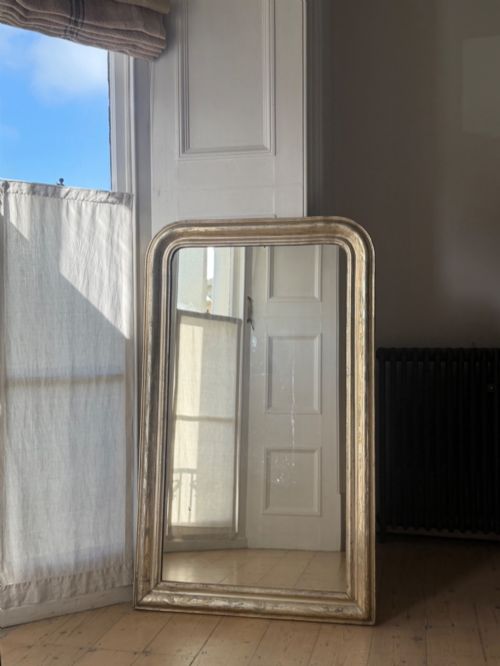
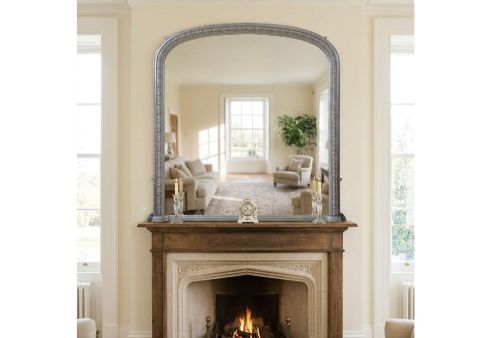
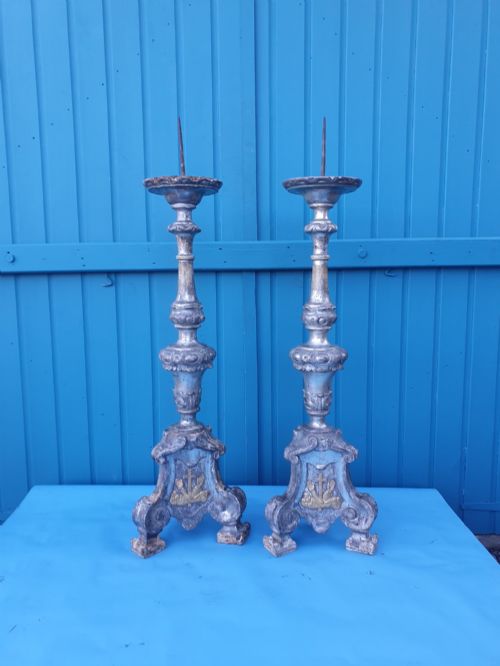
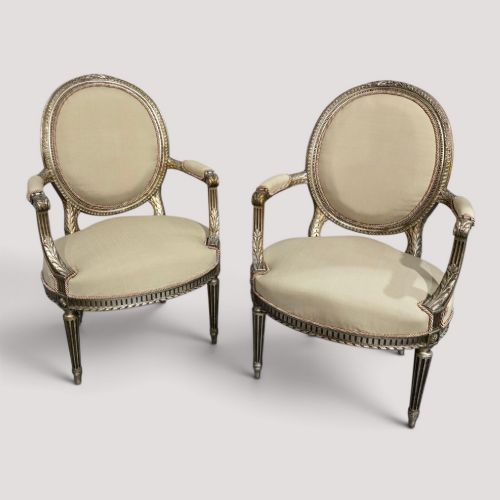
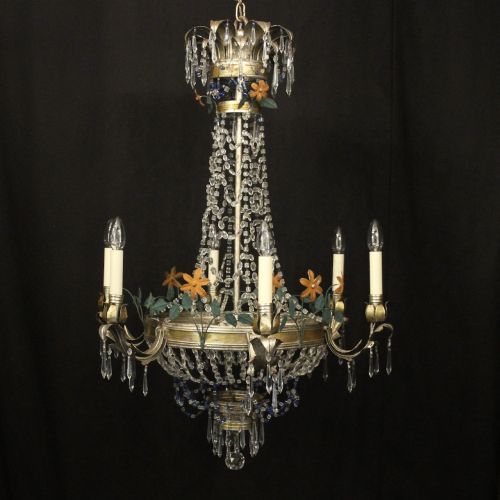
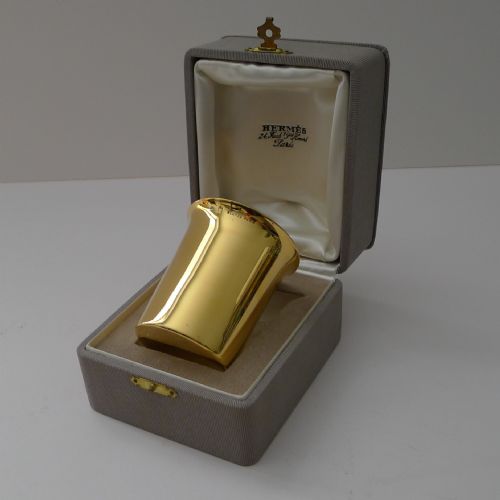
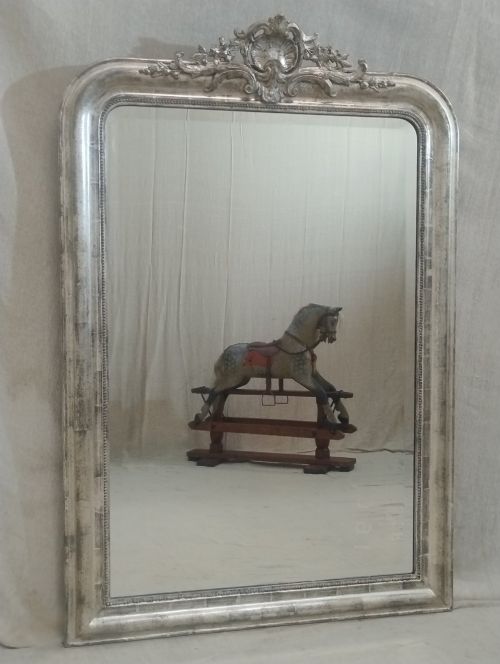
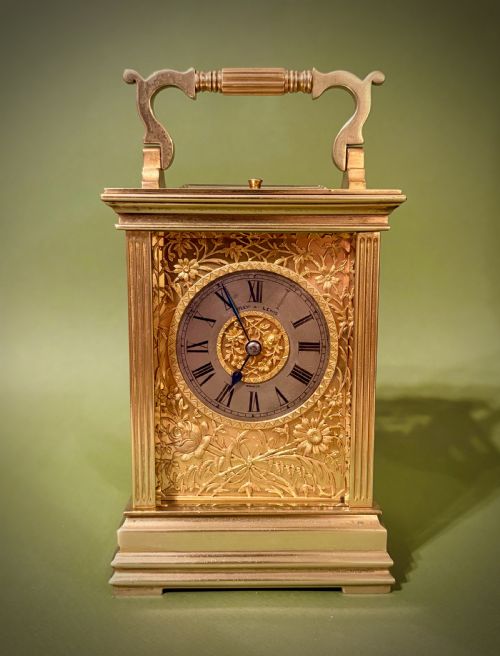
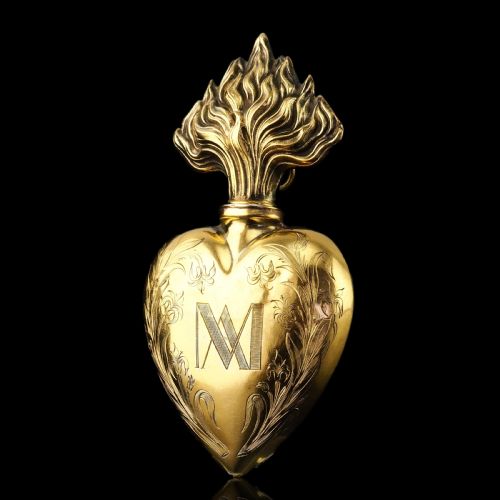
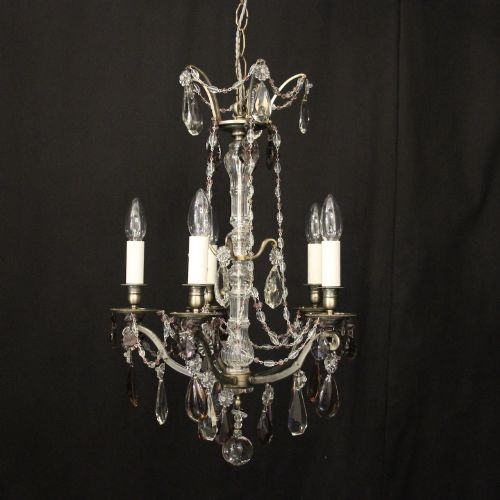
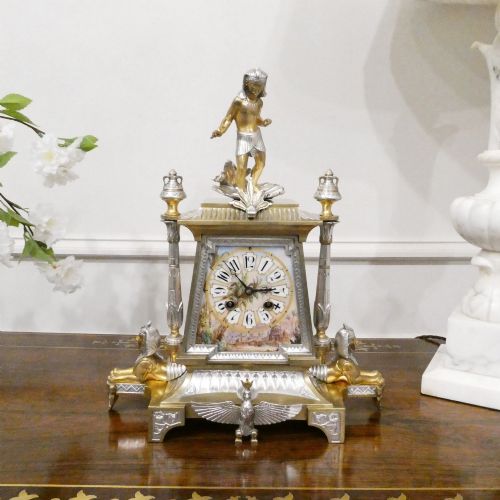
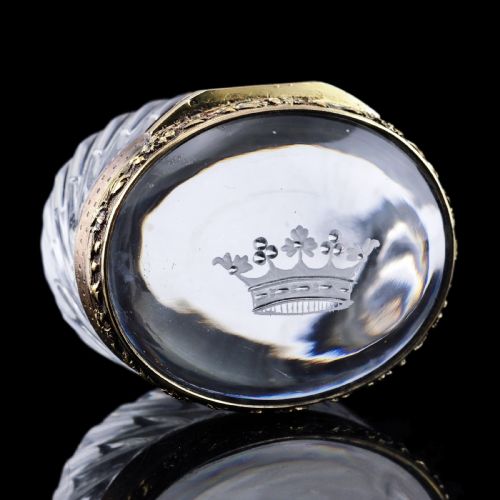
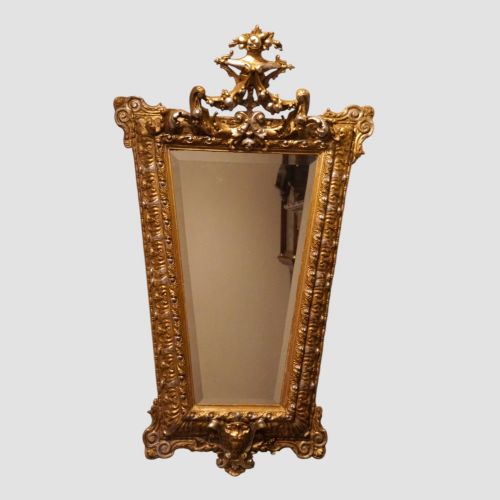
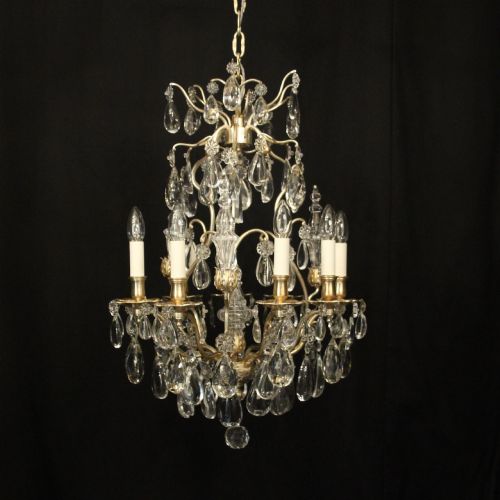
French antique silver gilt objects encompass a diverse range of decorative and personal items, from grand Louis Philippe wall mirrors and multi-light chandeliers to intimate scent bottles, snuff boxes, and sewing compendiums. The items reflect periods spanning the eighteenth through the early twentieth century, capturing distinct historical aesthetics including Neoclassical, Baroque Revival, and Belle Epoque designs.
Mirrors and chandeliers dominate the larger decorative pieces, frequently utilising carved wood and gesso frames alongside gilt bronze or brass structures. Smaller items showcase solid silver or sterling bases enhanced with vermeil finishes, guilloche enamel, and intricate engravings.
How They Were Made
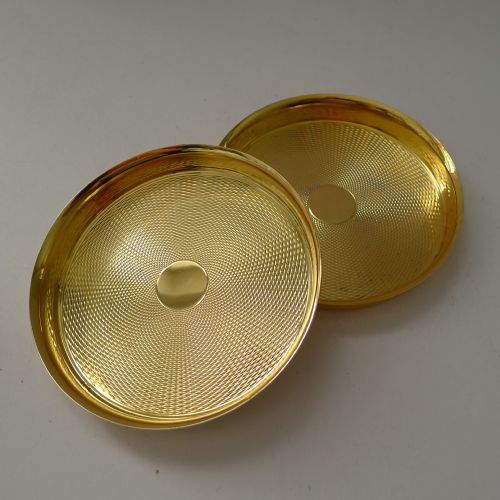
Craftsmen applied thin layers of silver leaf or gold vermeil onto solid silver, bronze, brass, or carved wood and gesso substrates to achieve the characteristic metallic lustre. Techniques such as engine turning, or guilloche, created precise geometric patterns on surfaces of boxes and compacts.
Glass and crystal elements were often integrated with metal mounts in chandeliers, scent bottles, and flasks. Mercury glass featured frequently in nineteenth-century mirror plates, imparting a deep, mottled reflection.
French Silver Gilt Retail Price Guide 2026
Typical asking prices for french silver gilt among the pieces listed under this phrase on Sellingantiques today, from the lower quarter to the upper quarter. They describe what is for sale here now, not the wider market.
Listings feature items from the eighteenth, nineteenth, and early twentieth centuries, spanning Louis Philippe, Neoclassical, and Belle Epoque styles.
What Varies In Quality
The depth and durability of the metal gilding distinguish finer examples, alongside the crispness of hand-chased details on bronze mounts and silver boxes. Superior mirrors display original mercury glass plates and deeply carved gesso ornamentation rather than moulded resin replacements.
Maker marks, hallmarks, and structural integrity dictate distinction, where documented Parisian workshops or high silver purities elevate an object above standard commercial production.
Hermes Paris·Philippe Berthier Paris·Tonnel Paris
The French Silver Gilt Glossary
- Silver gilt
- Silver objects coated with a thin layer of gold, also known as vermeil. This technique protects the underlying silver while providing a rich golden appearance.
- Guilloche
- A decorative mechanical technique that etches precise, intricate geometric patterns into metal surfaces. It often appears beneath translucent enamel on small boxes and scent flasks.
- Gesso
- A plaster-based mixture applied to wood frames before gilding. It provides a smooth base that carvers shape into ornate relief designs.
- Mercury glass
- A type of blown double-walled glass silvered between the layers with a liquid mercury amalgam. It produces a distinctive reflective mirror finish.
- Chatelaine
- A decorative belt hook worn with suspended utilitarian attachments like scissors, thimbles, and scent bottles. They combine personal utility with ornamental display.
French Silver Gilt: Frequently Asked Questions
How do I clean silver gilt items?
Dust surfaces gently with a soft, dry cloth to preserve the delicate metal layer. Avoid liquid silver polishes or abrasive cloths that strip away the gilt finish.
Store items away from direct sunlight and high humidity to prevent oxidation and deterioration of vulnerable components.
What is the difference between silver gilt and parcel gilt?
Silver gilt describes an entire silver object coated completely in gold. Parcel gilt indicates that only specific sections or decorative highlights receive the gold treatment while the rest remains bare silver.
Both methods were common in French decorative arts to create visual contrast or emulate solid precious metals.
Where were these luxury items used in a historic home?
Large mirrors and chandeliers hung in reception rooms and salons to maximise natural light and project status. Smaller boxes, scent bottles, and sewing compendiums belonged on dressing tables and writing desks.
Everyday accessories like vinaigrettes and chatelaines travelled with the owner as personal items.