






French Accent Stand
When you choose a French accent stand, you select a small, decorative surface designed to bring proportion and utility to a room.
French Accent Stand
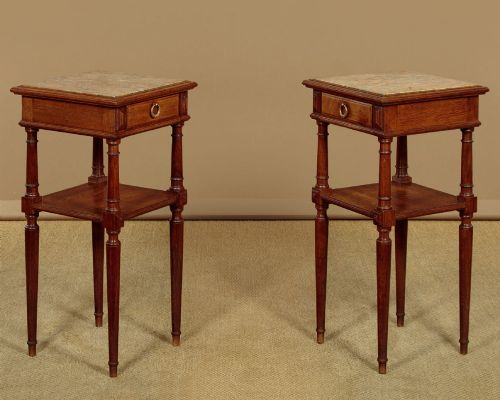
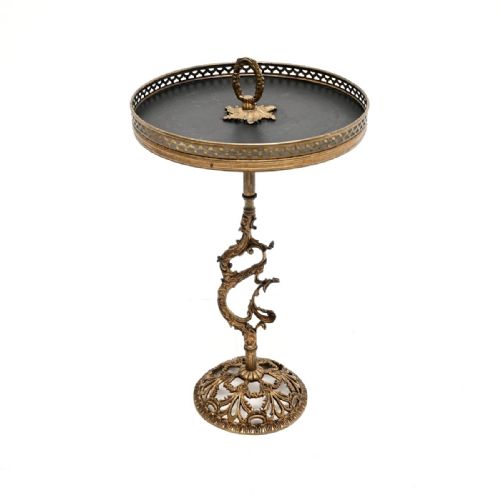
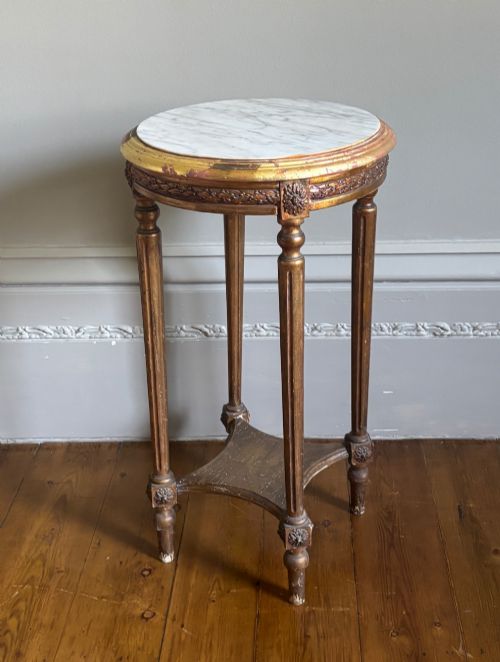
A french accent stand encompasses a varied group of occasional tables, plant stands, gueridons, and etageres originating from the nineteenth and early twentieth centuries. These pieces appear in numerous regional styles, including Louis XIV, Louis XV, Louis XVI, Empire, Rococo, and Art Deco.
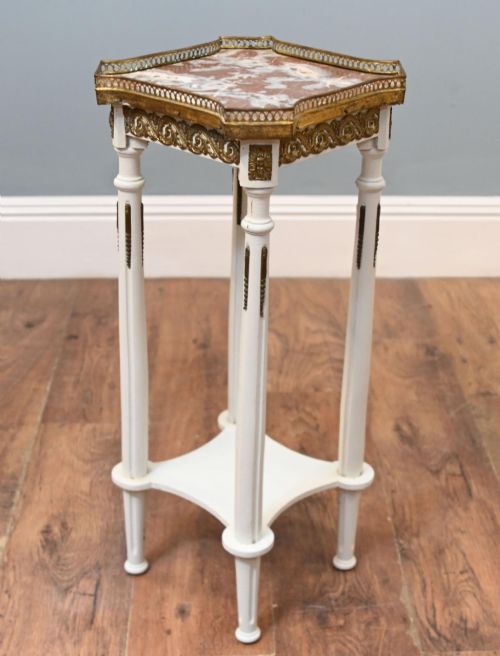
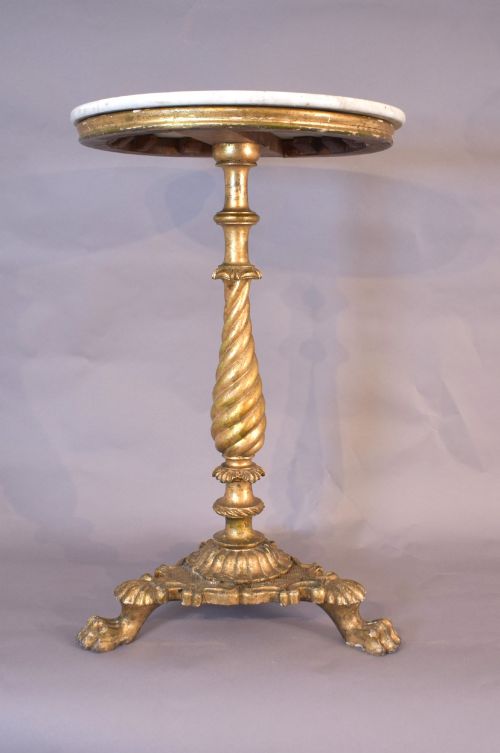
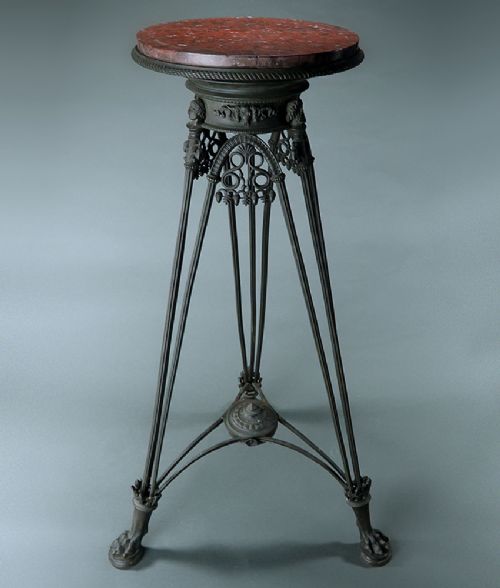
The forms span circular tables with inset marble tops, multi-tiered display stands, and tall pedestals designed to hold lamps, urns, or decorative objects. Walnut, mahogany, fruitwood, and painted finishes dominate the structural elements, often paired with contrasting stone or metal surfaces.
How they were made
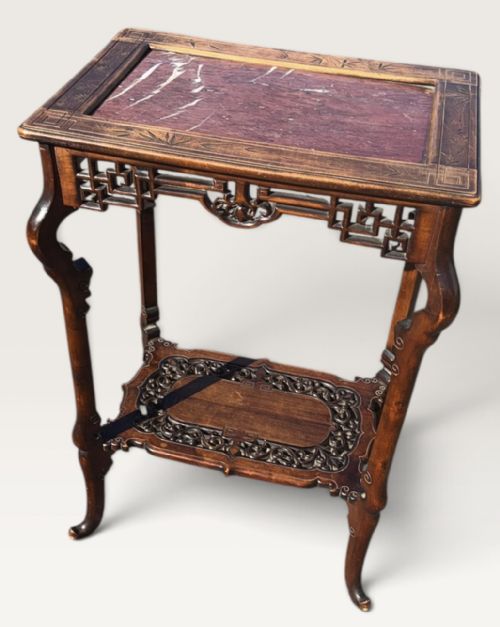
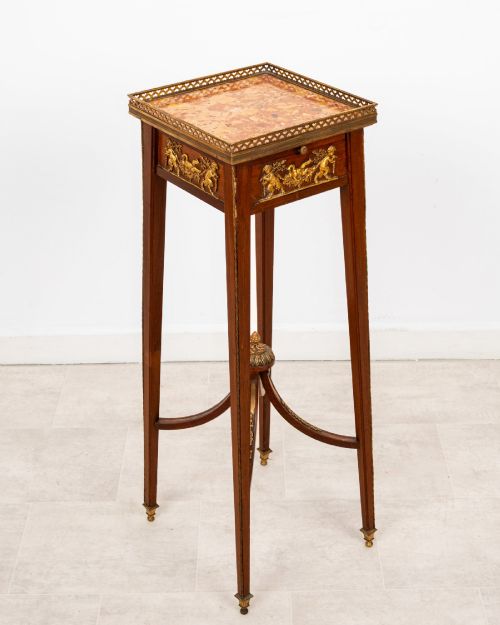
Cabinetmakers constructed these frames using timber skeletons of walnut, mahogany, oak, or exotic woods like amboyna and kingwood, frequently applying intricate marquetry or parquetry veneers in geometric and floral patterns. Turned or carved wooden supports receive enrichment from gilt bronze, brass, or ormolu mounts.
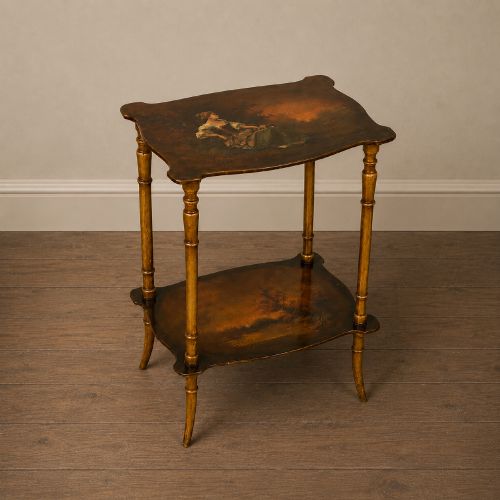
Many tables incorporate heavy inset marble or onyx slabs, secured within moulded wooden galleries or brass rims. Paint, gilding, and varnish finishes, including Vernis Martin techniques, provide the decorative surfaces seen across the etageres and side tables.
French Accent Stand Retail Price Guide 2026
Typical asking prices for french accent stand among the pieces listed under this phrase on Sellingantiques today, from the lower quarter to the upper quarter. They describe what is for sale here now, not the wider market.
Some nineteenth-century tables hide clever pivoting trays and tiered shelves designed specifically for afternoon tea.
What varies in quality
The distinction between standard commercial output and superior craftsmanship rests in the crispness of the bronze or ormolu mounts and the precision of the timber inlays. Finer examples feature hand-chased metalwork and dense, well-figured veneers rather than stamped brass or painted simulations.
Structural integrity reveals itself in the weight and thickness of the marble tops and the stability of multi-tiered joints. Pieces attributed to notable makers or specific stylistic revivals display greater refinement in carved details and overall proportions.
Edwards & Roberts·Gabriel Viardot·François Linke
The French Accent Stand Glossary
- Guéridon
- A small round table on a central pillar or tripod base, typically topped with marble or wood. Originating in the seventeenth century, these tables serve as stands for lamps or decorative items.
- Étagère
- A piece of furniture consisting of open open shelves for displaying small objects or books. These multi-tiered stands frequently incorporate marquetry and brass galleries.
- Ormolu
- Gilded bronze mounts applied to furniture edges, feet, and friezes for decorative accent. This technique involves coating cast bronze in a mercury and gold amalgam.
- Vernis Martin
- A simulated Japanese lacquer technique developed in eighteenth-century France. Cabinetmakers utilised resin varnishes to create translucent, glossy painted finishes.
- Marquetry
- The art of applying small pieces of veneer to a structure to form decorative patterns. Craftsmen cut various wood species to create floral or geometric motifs.
French Accent Stand: Frequently Asked Questions
What rooms suit a French accent stand?
These compact tables fit readily beside seating in living rooms, serve as bedside surfaces, or occupy empty hallway corners. Their modest footprints allow them to function where larger furniture proves impractical.
Their decorative surfaces accommodate lamps, plants, and small sculptures while introducing period character into contemporary or traditional interiors.
How do I care for marble tops?
Marble surfaces require gentle cleaning with a damp cloth and neutral soap to preserve the polish. Acidic liquids like wine or citrus juice can etch the stone if left unattended.
Applying a specialist stone wax periodically helps protect the finish from moisture rings and daily wear.
How can I date these stands?
Dating relies on stylistic markers, construction methods, and timber choices that align with specific periods like the Victorian era or the Art Deco movement. Neoclassical motifs point toward nineteenth-century revivals of earlier royal styles.
Examining drawer joints, screw types, and the wear on interior wood surfaces provides further clues to the age of the piece.