


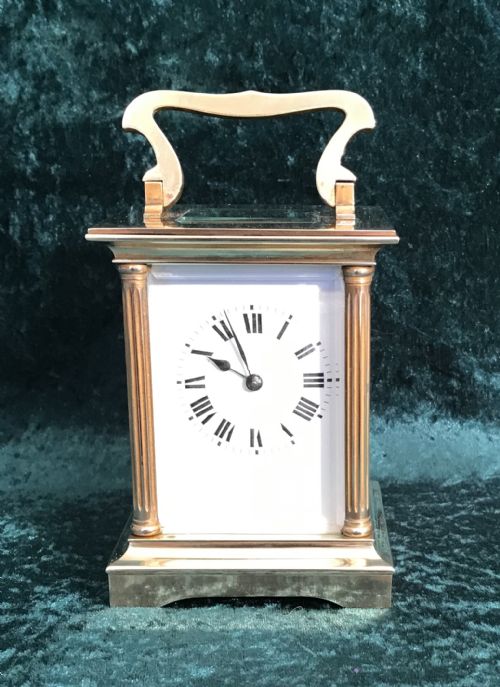


French 8 Day Striking Clock
A french 8 day striking clock brings mechanical precision and nineteenth-century elegance to a room, measuring time with a clear bell or gong.
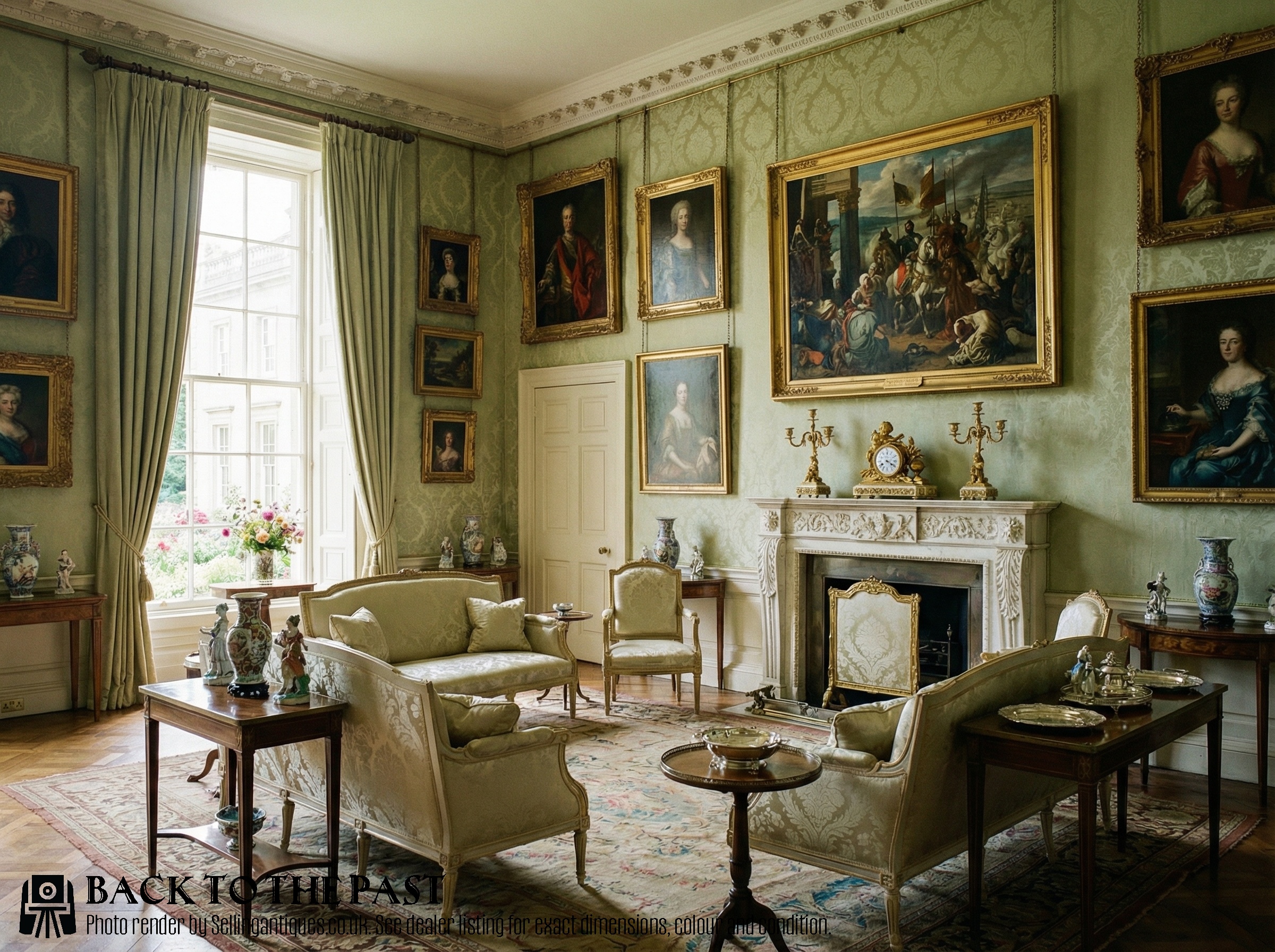
French 8 Day Striking Clock
When you search for a french 8 day striking clock, you encounter mechanical timepieces designed to run for just over a week between windings while sounding the hours and half-hours. The selections span the nineteenth century, reaching from the Regency period through Victorian eras into Edwardian years.
The objects take several distinct architectural forms, ranging from compact brass and glass carriage clocks to substantial mantel and bracket clocks. Marble, slate, and gilt bronze cases dominate the domestic interior styles represented here.
Mantel clocks and carriage clocks form the majority of the available pieces. Many originate from French workshops and makers active during the 1860s, 1875, 1880, and 1890.
Materials and construction
Maker workshops built the movements from brass wheels and plates, housing them inside heavy cases cast from gilt bronze, ormolu, black slate, and white marble. Ebonised wood, tortoiseshell, and marquetry woodwork also appear among the architectural housings.
Dials utilise white enamel with painted numerals, protected behind bevelled glass panes. Silk suspension threads or pendulum escapements regulate the mechanical beats inside the striking gear trains.
Some Victorian explorers packed portable brass carriage clocks to measure time while charting unknown territories abroad.
What separates the best examples
The distinction between standard production and superior manufacture lies in the crispness of the gilt bronze or ormolu casting and the finesse of the enamel dial. Heavy marble and slate cases with finely integrated malachite or hand-painted details demonstrate greater workshop investment than simple wooden housings.
Signed movements by known makers working in Paris indicate higher mechanical execution and workshop accountability. The complexity of the striking mechanism, whether operating on a bell or a gong, marks the tier of the piece.
Henri Jacot Paris·Charpentier Foundry·Japy Freres·Samuel Marti Paris
The French 8 Day Striking Clock Glossary
- Striking clock
- A timepiece that chimes the hours or half-hours automatically using an internal gear train and a bell or gong. This mechanism requires a separate winding arbour alongside the time train.
- Ormolu
- Gilt bronze produced by applying a mercury and gold amalgam to a bronze base and heating it. This technique creates a durable golden finish seen on many nineteenth-century French clock cases.
- Carriage clock
- A portable spring-driven timepiece designed for travel during the nineteenth century. These pieces typically feature a brass case with glass panels and a folding handle on top.
- Silk suspension
- A delicate method of hanging the pendulum by a fine thread of silk within the movement. This early suspension type appears on French Empire and nineteenth-century mantel clocks.
- Boulle
- A form of marquetry using tortoiseshell and brass inlay developed in France. It decorates the timber cases of specific bracket and mantel clocks.
French 8 Day Striking Clock: Frequently Asked Questions
How do I wind a french 8 day striking clock?
Insert the winding key into the appropriate square arbor on the dial face and turn it clockwise until resistance is felt. Care must be taken not to overwind the mainspring.
For striking movements with two arbors, both the time train and the strike train require winding to keep the clock operational.
What is the difference between a bell and a gong?
A bell produces a clear, resonant tone when struck by the internal hammer. This sound typically characterises earlier nineteenth-century models.
A gong consists of a coiled steel wire that produces a deeper, more sustained note. Gongs became more widespread in later Victorian timepieces.
Where were these clocks originally placed?
Carriage clocks were built for travellers to take on journeys or place on bedside tables. Their brass and glass construction protected the delicate movement during transit.
Mantel clocks stood upon drawing room fireplace mantels, serving as both timekeepers and decorative centrepieces for the household.
How do I identify the period of a clock?
Stylistic cues such as Regency architectural severity or Victorian ornamentation provide initial dating clues. Materials like black slate, white marble, and gilt bronze reflect the prevailing interior design tastes of their decade of manufacture.
Signatures or foundry marks on the brass movement plates often pinpoint the specific Paris workshop and decade of production.