




Freestanding Wood Shelf
A freestanding wood shelf offers practical surface space and architectural presence, moving effortlessly from room to room without demanding wall fixings.
Freestanding Wood Shelf
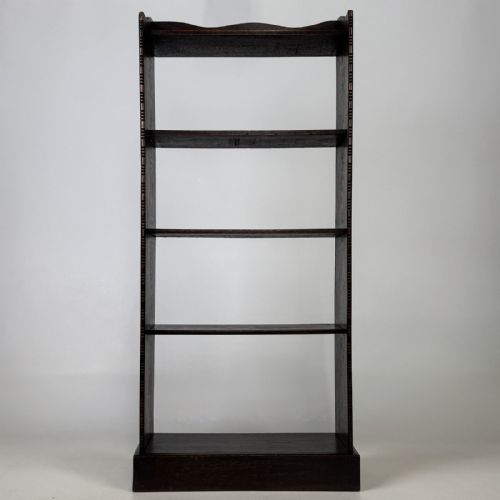
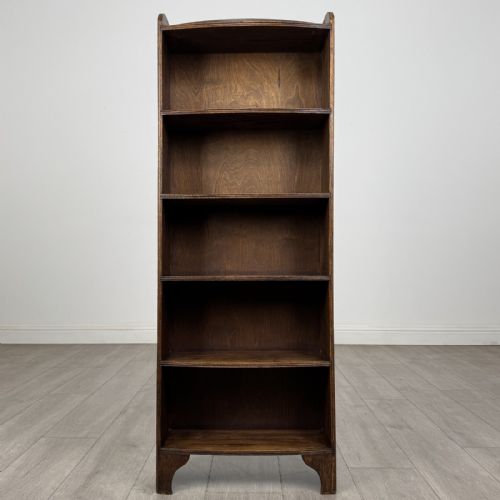
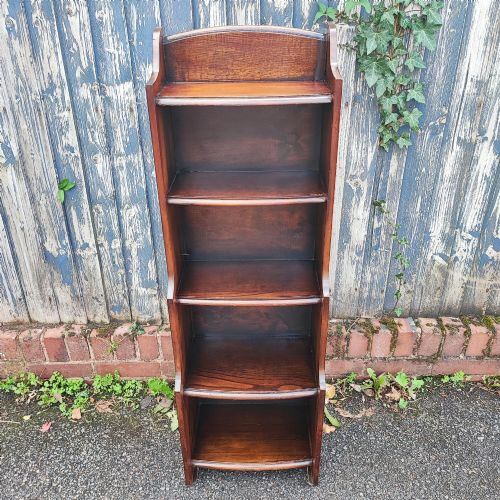
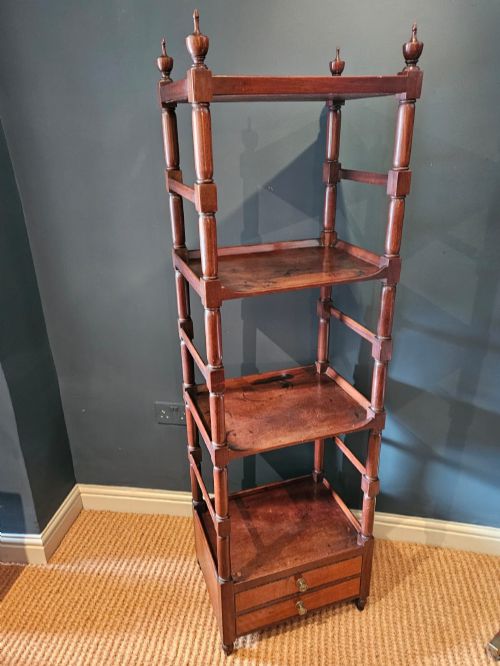
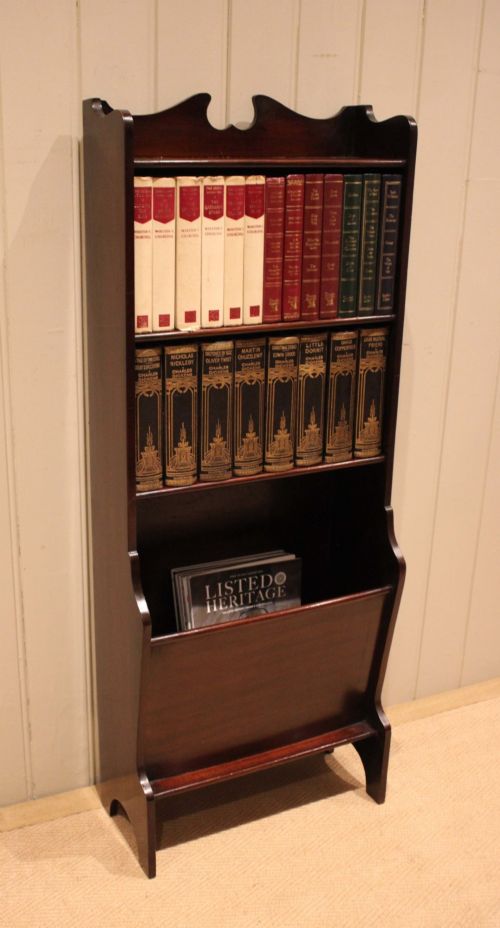
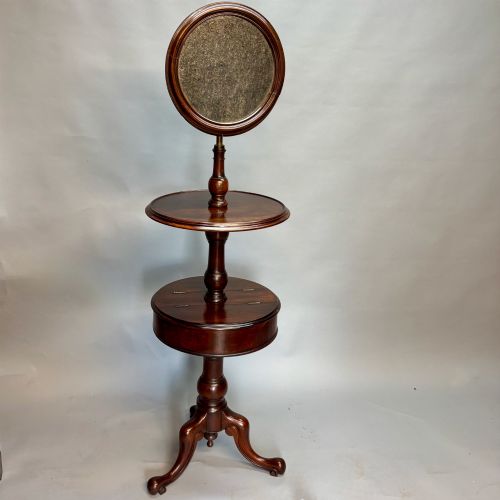
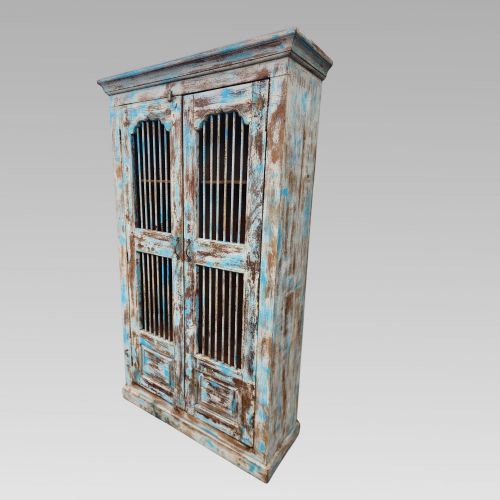
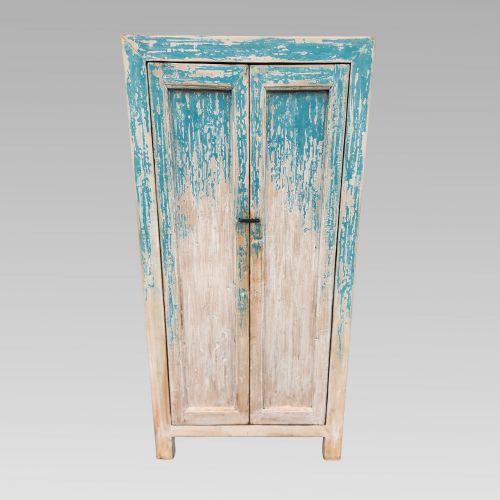
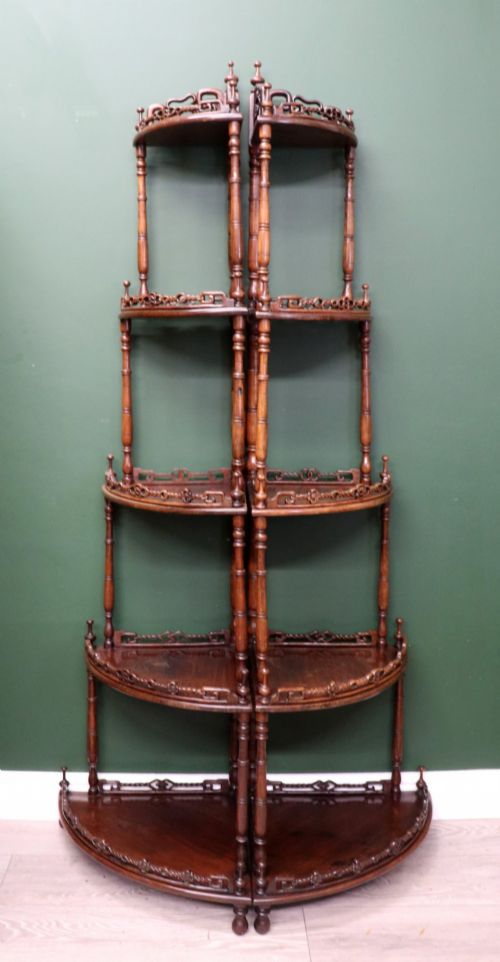
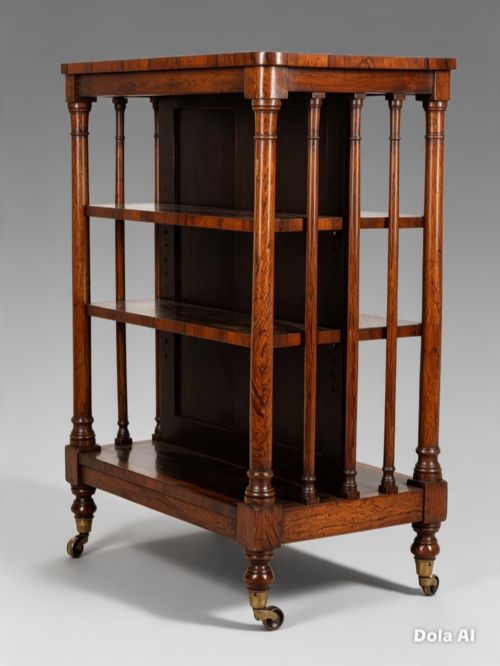
A freestanding wood shelf takes many forms across different eras, functioning primarily to hold books, display collections, or organise daily belongings. When searching for a freestanding wood shelf, buyers encounter diverse configurations including open bookcases, tiered whatnots, library troughs, and corner units.
The pieces span multiple periods such as the Regency, Victorian, and Edwardian eras, alongside later 1920s and 1930s designs. Mahogany, oak, rosewood, and walnut dominate the selection, often appearing in open-backed formats or paired with lower cupboards.
Distinguishing Quality in Timber Shelving
The selection of timber grain largely dictates the visual hierarchy of these pieces, with matched flame mahogany and figured rosewood standing apart from plain utilitarian oaks. Superior examples exhibit deliberate attention to proportion, where tier heights and upright dimensions balance harmoniously.
Finishing work separates basic utility items from finer cabinetmaking, visible in the crispness of mouldings, the tightness of corner joints, and the depth of the polished surface. Hardware integration, such as recessed brass castors or subtle beaded edges, further indicates the original maker's investment of time and skill.
Freestanding Wood Shelf Retail Price Guide 2026
Typical asking prices for freestanding wood shelf among the pieces listed under this phrase on Sellingantiques today, from the lower quarter to the upper quarter. They describe what is for sale here now, not the wider market.
Listings feature periods spanning from the Regency era through the 1930s, utilising materials such as mahogany, oak, rosewood, and padauk.
Waring and Gillows
The Freestanding Wood Shelf Glossary
- Whatnot
- A set of open shelves, typically with three or more tiers, designed for displaying ornaments or holding books. These pieces are often freestanding and can be corner-fitting or rectangular.
- Waterfall Bookcase
- A tiered shelving unit where each successive shelf is deeper than the one above it, creating a cascading profile. This design gained popularity in the nineteenth and early twentieth centuries.
- Book Trough
- A low, portable shelving unit or box designed to hold a small selection of books upright for easy access. They often feature partitioned sections or sloping sides.
- Padauk
- A dense, heavy tropical hardwood prized for its deep reddish-brown colour and durability. It frequently appears in nineteenth-century Anglo-Indian furniture.
- Open Bookcase
- A shelving unit without doors, allowing direct access to the books stored within. These range from simple low oak units to taller architectural bookcases.
Freestanding Wood Shelf: Frequently Asked Questions
Where should I place a freestanding wood shelf?
These versatile units sit comfortably in living rooms, studies, or hallways against solid walls or serving as room dividers. Their finished backs in certain models allow them to float within an open interior space rather than hugging a perimeter.
Ensure the chosen location avoids direct sunlight and major temperature fluctuations to protect the timber and polish over time.
How do I care for antique wood shelves?
Regular dusting with a soft, dry cloth prevents particulate build-up that can scratch delicate veneer and polish surfaces. Occasional application of appropriate wax maintains the moisture balance in hardwoods like mahogany and oak.
Avoid placing damp items or unsealed planters directly on the timber to prevent water rings and permanent staining.
What is the difference between a whatnot and a bookcase?
A whatnot is primarily designed for display, featuring multiple open tiers for ornaments, small collections, and miscellaneous items. Bookcases are specifically proportioned to support the weight of bound volumes, often with fixed or adjustable shelves.
Many Victorian and Edwardian examples blur these lines by combining lower cupboards with open upper shelving for hybrid utility.
How do I identify the period of a wooden shelf?
Dating relies on observing timber choices, construction methods, and stylistic cues characteristic of specific eras. Regency and Victorian pieces often feature dense rosewood or mahogany with turned columns, while Edwardian and 1920s versions lean towards lighter oak or simpler rectilinear forms.
Hardware, such as brass castors or backplate fixings, provides additional clues to the manufacturing decade.