

Freestanding Table
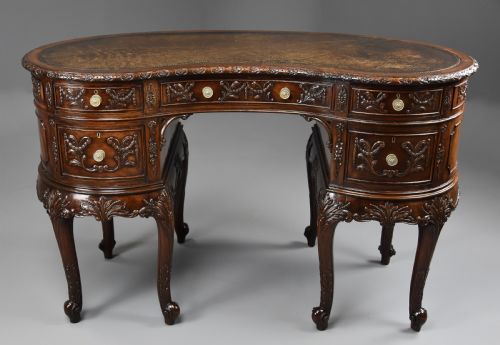
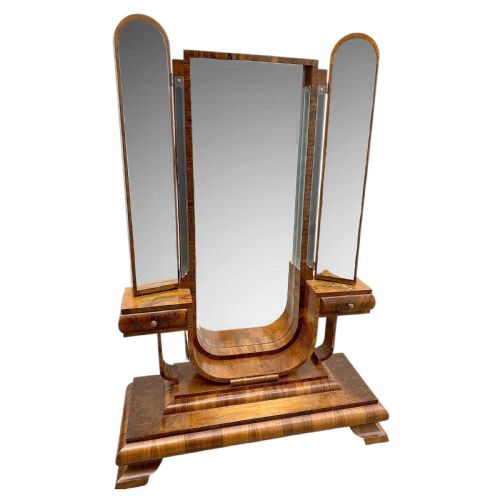
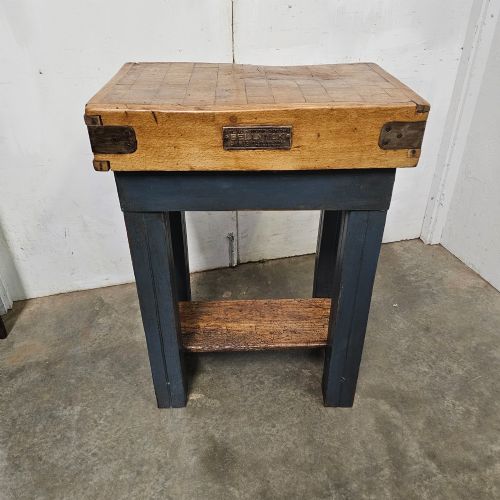
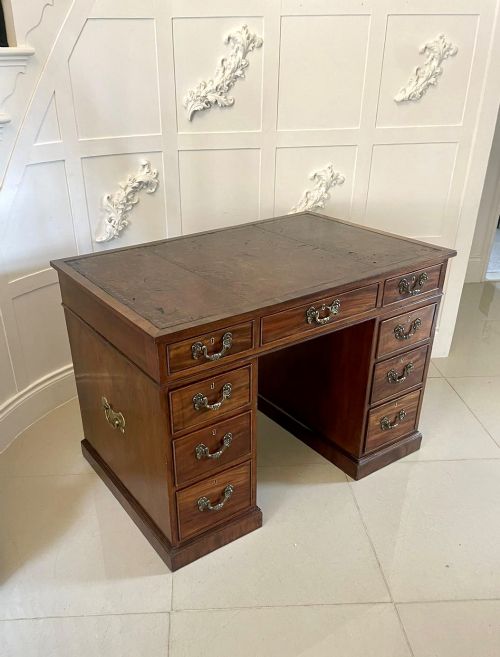
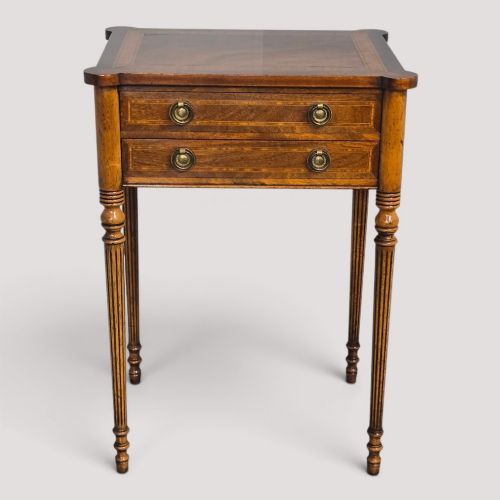
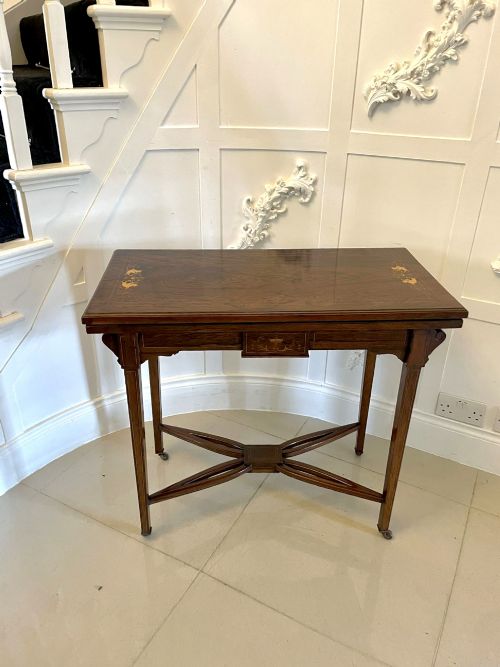
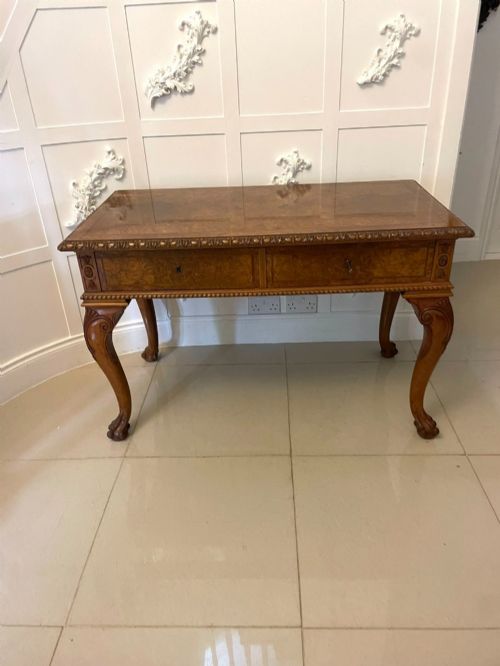
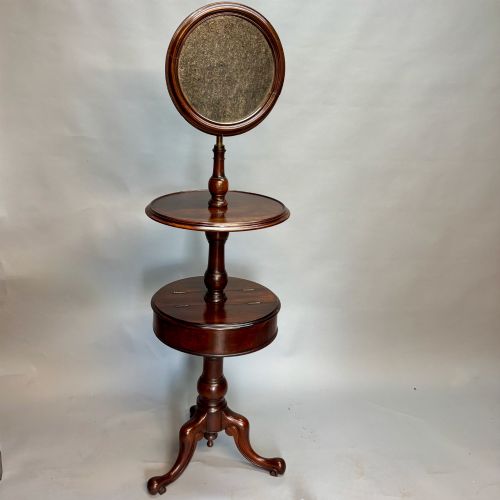
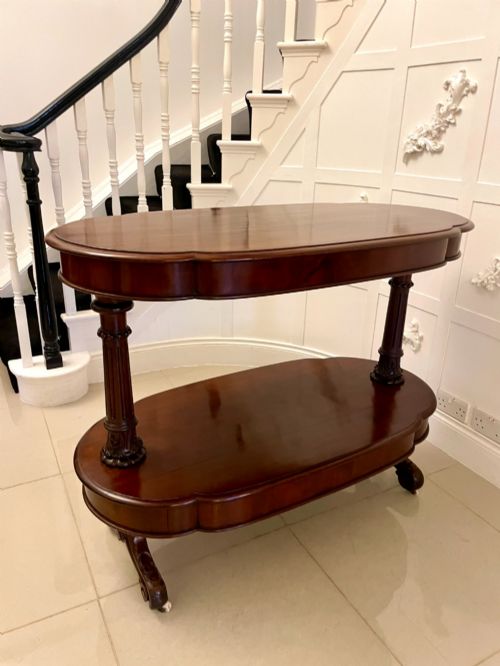
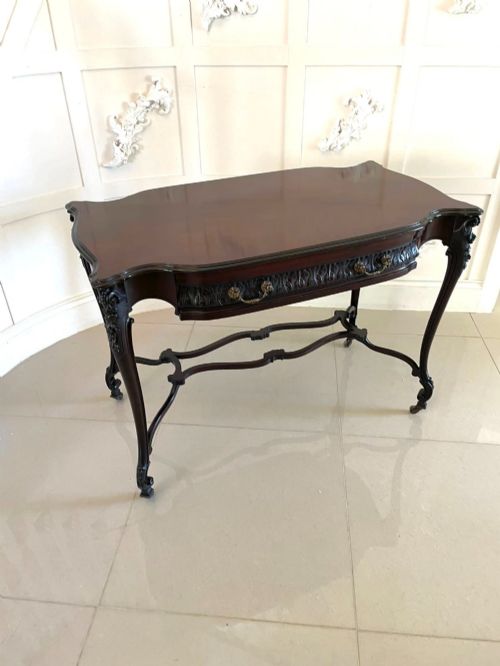
A freestanding table sits away from the wall to show fine timber and carving on every side.
Freestanding Table
A freestanding table stands finished on all sides so it can occupy the middle of a room rather than sit against a wall. When searching for a freestanding table, buyers encounter desks, centre tables, sofa tables, and occasional pieces that serve multiple domestic uses.
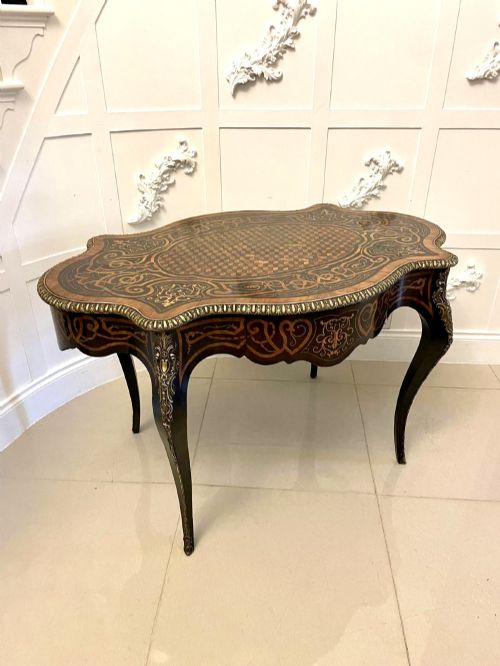
The selections span the nineteenth and early twentieth centuries, drawing heavily on Victorian and Edwardian periods alongside French revival designs. Mahogany, walnut, and kingwood appear frequently as primary timbers across these varied forms.
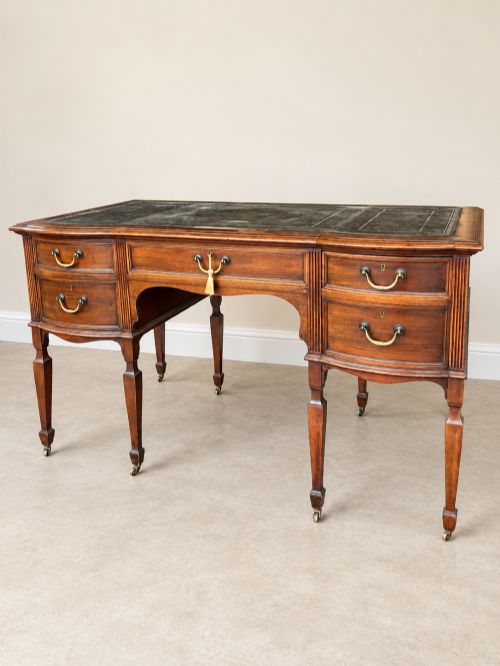
Desks and writing tables dominate the configurations, alongside smaller lamp tables and console pieces. Many incorporate drawers, marquetry, or parquetry to ensure the reverse is as engaging as the front.
How they were made
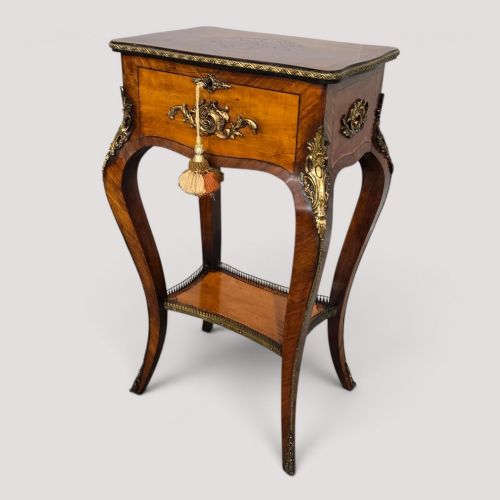
Cabinet makers utilised dense hardwoods like mahogany, walnut, and rosewood, often laying exotic veneers such as kingwood and satinwood in geometric parquetry or floral marquetry patterns. Brass and ormolu mounts provide structural and decorative accents, particularly on French-influenced centre tables and desks.
Construction methods rely on traditional joinery, including dovetail joints for drawers and mortise and tenon frames to support marble tops and intricate sliding mechanisms. Carving is executed directly into the solid timber borders or applied through moulded mouldings.
Freestanding Table Retail Price Guide 2026
Typical asking prices for freestanding table among the pieces listed under this phrase on Sellingantiques today, from the lower quarter to the upper quarter. They describe what is for sale here now, not the wider market.
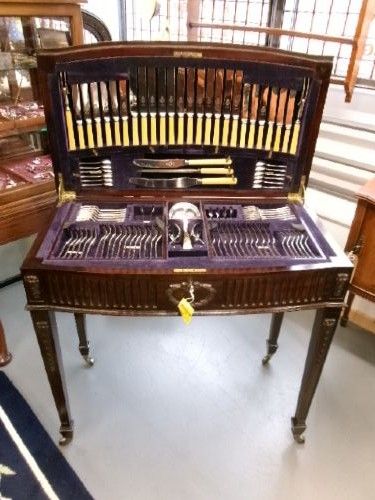
Some tables hide clever compartments and sophisticated mechanisms designed to hold stationery or valuables out of sight.
What varies in quality
Quality rests upon the selection of timber grain and the precision of the veneer work visible across the back and sides. Pieces designed to stand centrally demand equal decorative attention on every elevation, distinguishing high-grade examples from utilitarian furniture.
The refinement of the cast bronze or ormolu mounts, the sharpness of the hand-carved details, and the integration of functional elements such as writing slides or complex internal mechanisms dictate the standing of an individual piece within its period.
Maple & Co.·Finnigans
The Freestanding Table Glossary
- Freestanding table
- A piece finished on all four sides so it can be placed in the centre of a room. This design contrasts with side or console tables meant to back against a wall.
- Marquetry
- Inlaid wood veneers arranged to form decorative pictures or patterns. Craftsmen use contrasting timbers like rosewood and walnut to achieve tonal depth.
- Parquetry
- Geometric patterns formed by small wood veneers fitted together. It often covers the tops of writing desks and centre tables.
- Ormolu
- Gilt-bronze mounts applied to furniture edges and corners. This technique gained popularity on French revival tables from the nineteenth century.
- Sofa table
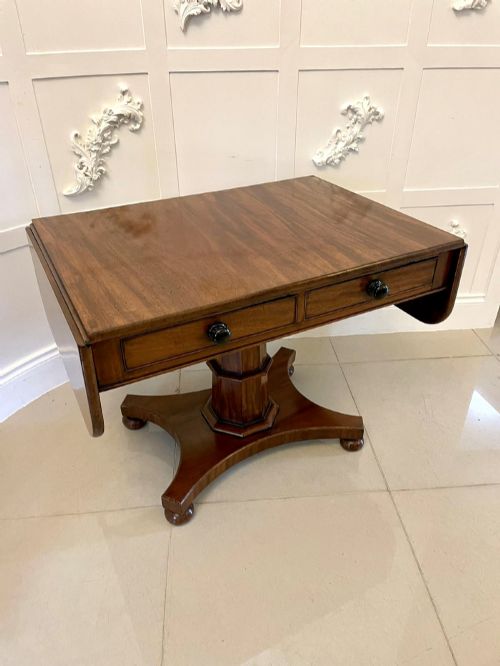
- A rectangular table traditionally placed in front of a sofa, fitted with drop leaves and twin pedestals. These pieces include small drawers beneath the top.
Freestanding Table: Frequently Asked Questions
Where should a freestanding table go?
These pieces suit positions in the middle of a room, behind a sofa, or serving as a central desk in a study. Because they are finished on all sides, they do not require wall support.
Positioning them centrally allows light to catch the polished mahogany or walnut grain from multiple angles.
What woods were used for these tables?
Cabinet makers relied primarily on mahogany, walnut, and rosewood for structural strength and rich colour. Kingwood and maple appear alongside brass and ormolu for contrast and inlay.
These materials reflect Victorian and Edwardian preferences for durable, highly figured timbers.
Are these desks finished on the back?
True freestanding desks and writing tables feature finished panels and matched veneers on the rear side. This allows the desk to face into the room rather than against a wall.
Look for false drawers or continued marquetry patterns that confirm the back receives the same attention as the front.