

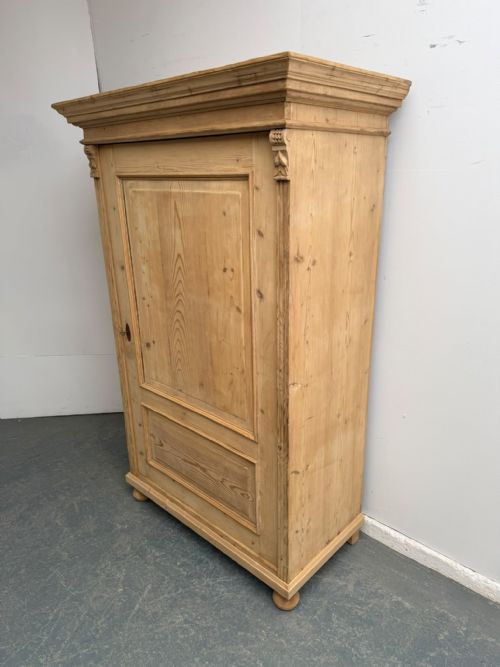

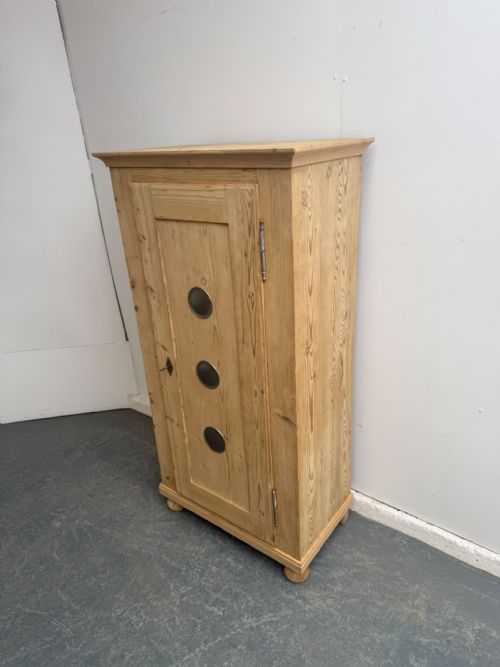
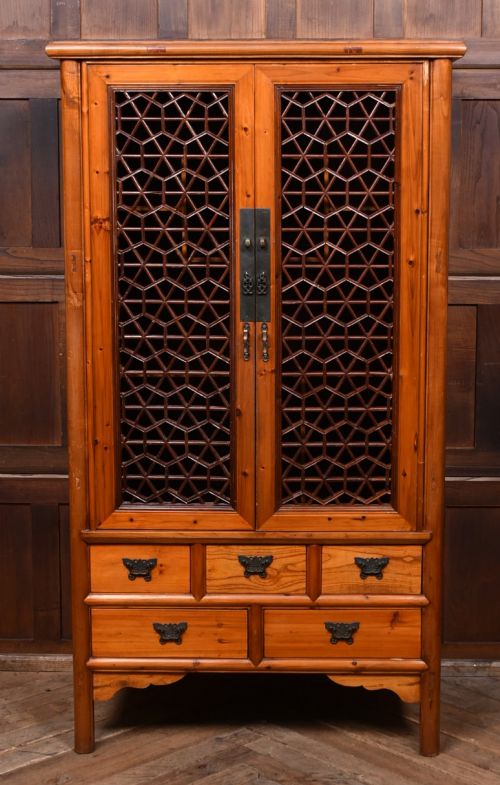


Freestanding Larder Unit
A freestanding larder unit is a heavy timber food store designed for domestic service before fitted kitchens took over.
Freestanding Larder Unit
A freestanding larder unit brings substantial storage capacity to a room without the need for permanent wall fixings. When buyers search for this phrase, they encounter a range of heavy timber cupboards designed for food and household provisions.
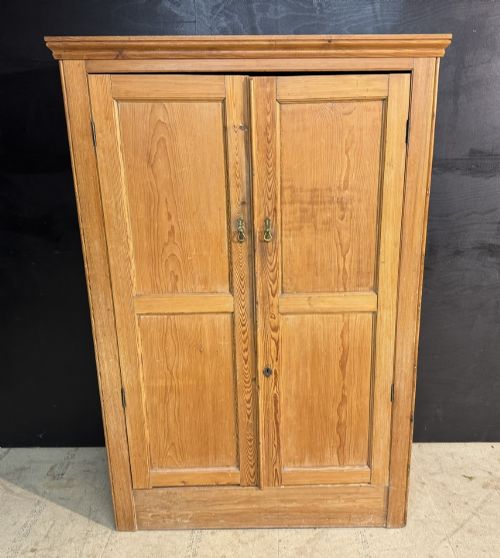
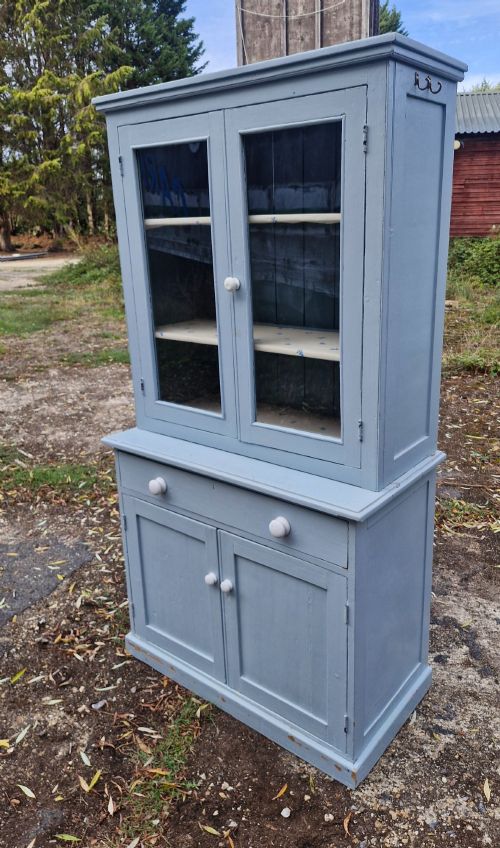
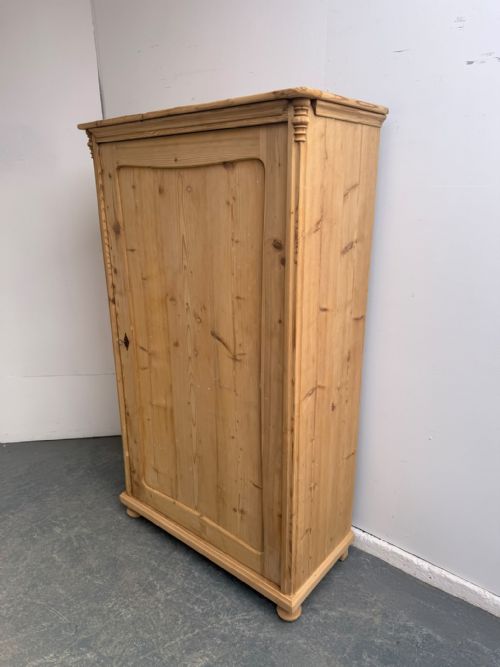
The examples seen here span from the Georgian period through the Victorian era and into the twentieth century. Forms include tall single-door storage pieces, four-door configurations, and two-part kitchen cupboards.
Makers and regional workshops produced these cabinets in various woods, often employing ventilation to keep dry goods fresh. They serve equally well in contemporary pantries or as statement storage furniture in large living spaces.
How they were made
Construction relies heavily on solid pine and oak, often paired with brass hardware, iron hinges, and glass or metal vents. Workshops utilised traditional joinery methods such as fielded panelling and bead moulding to build rigid frames that could hold heavy loads of provisions.
Surfaces frequently show evidence of historical paint finishes or bare timber prepared for waxing. Internal shelving and compartment layouts were arranged specifically for food storage, occasionally incorporating cedar or metal mesh for airflow.
Freestanding Larder Unit Retail Price Guide 2026
Typical asking prices for freestanding larder unit among the pieces listed under this phrase on Sellingantiques today, from the lower quarter to the upper quarter. They describe what is for sale here now, not the wider market.
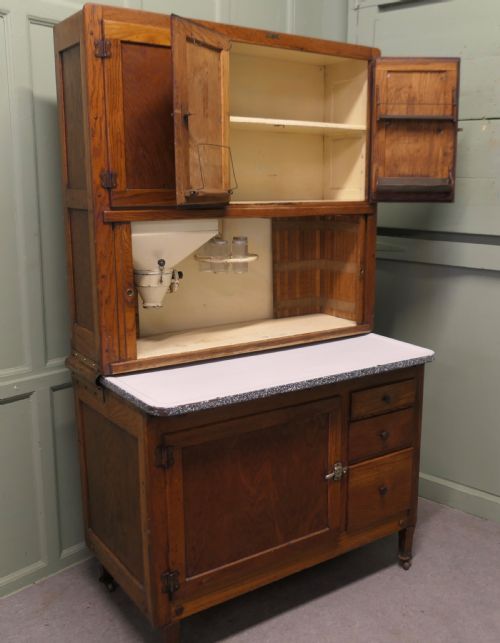
A Japanese Meiji period larder cupboard sits comfortably alongside traditional English pine and American oak Hoosier cabinets.
What varies in quality
Quality in a freestanding larder unit is determined by the integrity of the timber selection and the retention of original functional hardware. Cabinets built from dense, slow-grown pine or quarter-sawn oak display superior structural stability over centuries of use.
The sophistication of the internal arrangement and the crispness of exterior joinery separate utilitarian workshop pieces from finer domestic furniture. Surviving original ventilation panels, brass latches, and multi-part construction add significantly to the character of a piece.
Hudson Bros
The Freestanding Larder Unit Glossary
- Fielded panel
- A wooden panel with bevelled edges designed to fit within a grooved frame. This technique allows the timber to expand and contract safely with humidity changes.
- Housekeeper's cupboard
- A large storage piece traditionally used for linens, dry goods, and household accounts. These often feature deep lower cupboards and upper shelving sections.
- Vented cupboard
- A cabinet fitted with perforated metal, mesh, or slatted panels to permit air circulation. This design prevented spoilage in perishable stores before mechanical refrigeration.
- Hoosier cabinet
- A specific American multi-tier kitchen cabinet designed to consolidate workspace and ingredients. They typically include flour sifters, sugar bins, and pull-down work surfaces.
- Beaded moulding
- A decorative narrow strip of timber carved with a semi-circular profile resembling a row of beads. It adds subtle relief to door frames and structural edges.
Freestanding Larder Unit: Frequently Asked Questions
What is a freestanding larder unit?
A freestanding larder unit is an independent wooden cabinet built to store food, dry goods, and kitchen utensils before modern fitted kitchens existed.
These pieces typically feature internal shelving, and many include ventilated doors to keep perishable stores fresh over long periods.
How do I care for antique pine?
Antique pine responds best to natural beeswax applied sparingly and buffed with a soft cloth to maintain a protective barrier against moisture.
Keep these cabinets away from direct heat sources and sudden temperature fluctuations to prevent the timber from splitting.
How were these cupboards ventilated?
Makers integrated perforated metal panels, wire mesh, or louvred slats into the cabinet doors to allow continuous airflow around stored provisions.
This passive circulation was essential for maintaining dry conditions inside the dark timber compartments.
Can I use one in a modern kitchen?
These cabinets provide exceptional capacity for storing tableware, pantry goods, or small appliances in contemporary kitchen spaces.
Their substantial footprint makes them ideal as standalone pantry furniture or architectural focal points.
How do I date a wooden larder?
Dating relies on examining construction marks, tool traces, fastener types, and the overall style of the timber joinery.
Georgian and Victorian examples often display hand-planed surfaces and forged iron hardware distinct from later twentieth-century production.