

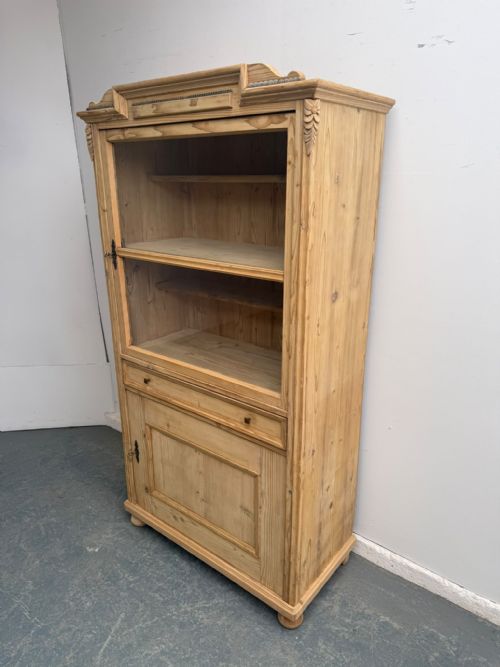


Freestanding Glass Cabinet
These freestanding glass cabinet pieces provide clear display space for precious objects, bringing historical elegance and practical utility to any room.
Freestanding Glass Cabinet
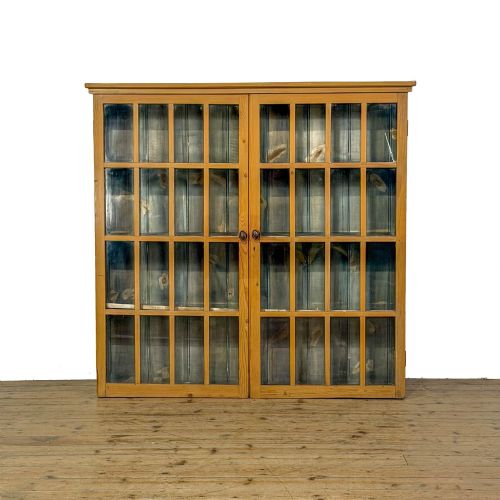
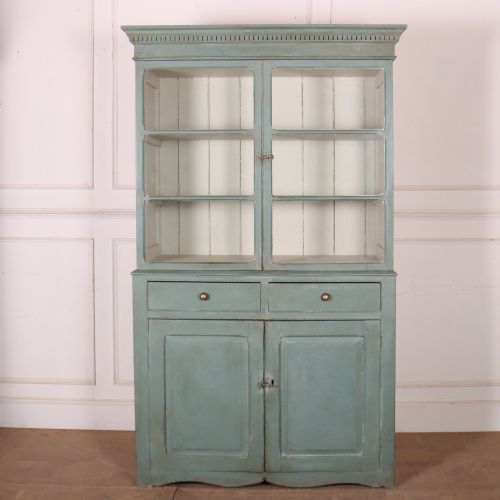
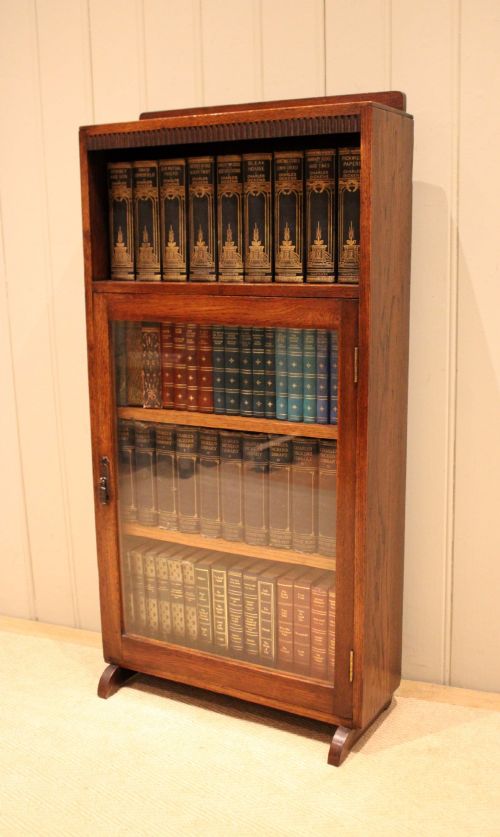
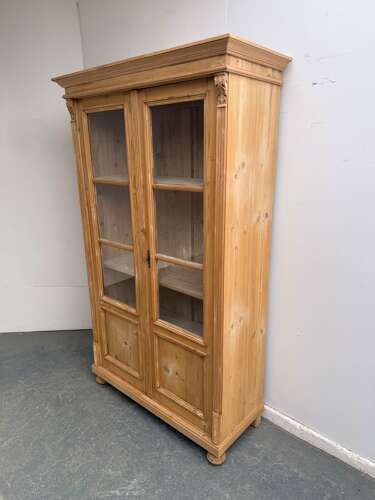
A freestanding glass cabinet is designed to showcase objects from multiple angles while standing independently against a wall or within a room. Buyers searching for a freestanding glass cabinet encounter various historical interpretations, ranging from domestic Edwardian and Victorian display furniture to commercial shop vitrines and tall museum cases.
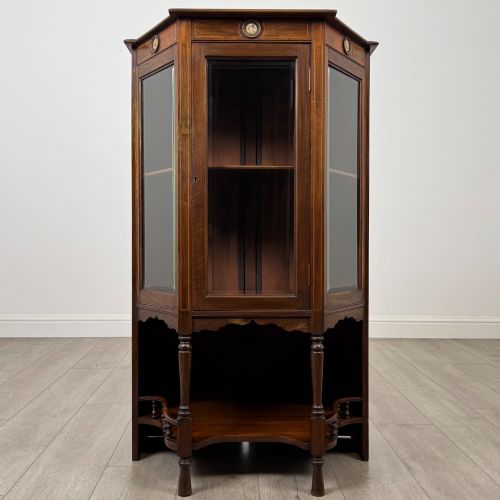
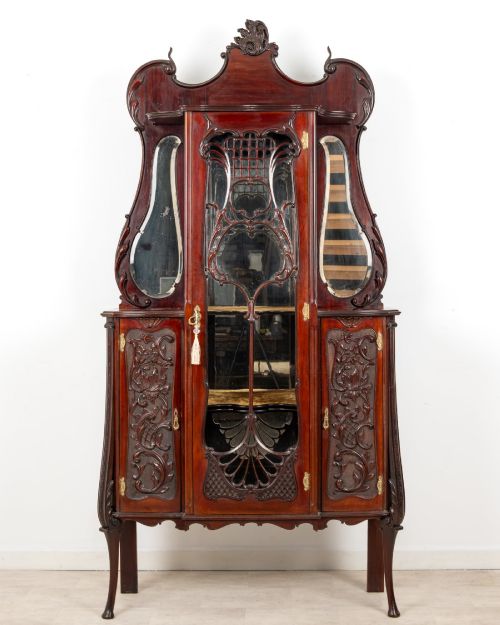
Domestic examples often feature timber frames in mahogany, oak, or pine, sometimes enhanced with delicate inlay or carved details. Commercial and museum adaptations bring utilitarian steel, brass, or ebonised finishes into the home, providing robust framing for larger collections.
Materials and construction methods
Cabinet makers utilised a selection of solid timbers and veneers, including mahogany, oak, walnut, and pine, structured to support heavy glass panels securely. Frames incorporate glazed doors and side panels, often supplemented by brass hardware, ormolu mounts, and fabric linings.
Joinery techniques range from traditional cabinet making with inlaid satinwood and kingwood to industrial framing in steel and ebonised wood. Surface finishes vary from waxed and polished grain to painted or distressed patinas.
Freestanding Glass Cabinet Retail Price Guide 2026
Typical asking prices for freestanding glass cabinet among the pieces listed under this phrase on Sellingantiques today, from the lower quarter to the upper quarter. They describe what is for sale here now, not the wider market.
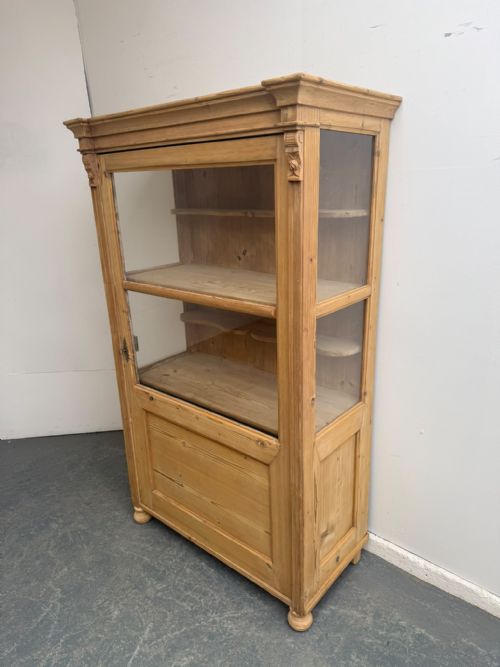
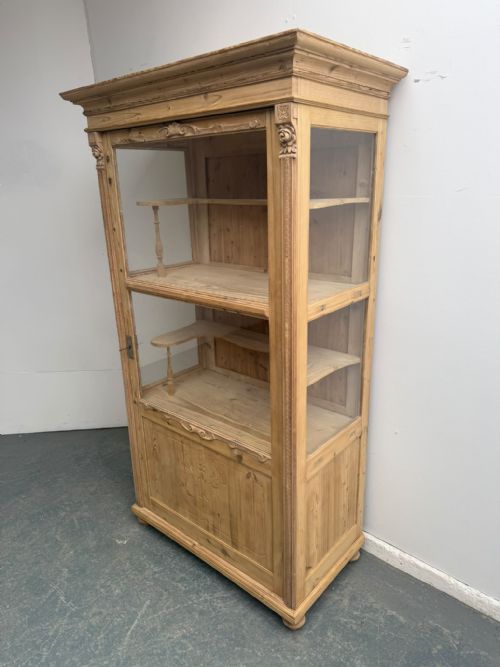
Some sturdy pine cupboards retain later sign-writing for Hovis Bread, hinting at a bustling past life before entering the collector market.
Factors that distinguish examples
Quality rests in the precision of the timber framing, the clarity and integrity of the original glass, and the sophistication of decorative elements such as marquetry inlay or ormolu mounts. Refined proportions and balanced joinery separate standard utility pieces from exceptional showroom vitrines.
The condition of the timber, the presence of original hardware, and the complexity of the cabinet shape, whether bow front, octagonal, or cylindrical, define the tier of the piece.
F. Sage & Co
The Freestanding Glass Cabinet Glossary
- Vitrine
- A glass display cabinet designed specifically for showing porcelain, curiosities, or fine objects. These cases often feature glazed sides as well as doors to maximise ambient light.
- Bijouterie cabinet
- A shallow glass-topped display case intended for jewellery, medals, and small decorative items. They frequently sit upon slender legs or pedestals.
- Ormolu
- Gilded bronze mounts applied to furniture for decorative accent. This technique was favoured by cabinet makers working in French styles during the nineteenth century.
- Inlay
- Pieces of contrasting timber, shell, or metal fitted into the wood surface to create decorative patterns. Edwardian examples often display fine floral or geometric motifs.
- Bow front
- A convex curved cabinet front that projects outward. This shape softens rigid room angles and widens the internal viewing area.
Freestanding Glass Cabinet: Frequently Asked Questions
Where should I place a freestanding glass cabinet?
Position your cabinet away from direct sunlight to protect internal contents and timber finishes from fading. Ensure the floor is level so the doors hang true and latch correctly.
Allow enough clearance around the piece for doors to swing fully open without obstruction from surrounding furniture.
How do I care for the glass and timber?
Clean glass panels with a mild solution and a soft cloth to avoid scratching the surface or damaging surrounding woodwork. Feed wooden frames periodically with appropriate wax or polish to maintain the finish.
Avoid using harsh chemical sprays that might seep into joints or degrade historic fabric linings.
What periods do these cabinets represent?
The selection spans from the nineteenth century through the Edwardian era and into the early twentieth century. Styles include Victorian domestic furniture, French revival pieces, and industrial shop display cases.
Each period utilises distinct woods, hardware, and construction methods characteristic of its time of manufacture.
Can these cabinets support heavy items?
Domestic display pieces generally suit lighter porcelain, glassware, and small collections. Heavier items require robust shelving structures found in industrial or medical variants.
Check the internal shelf construction and support fixings before loading any substantial collection.