



Free Standing Dressing Glass
A free standing dressing glass is a mirror designed to tilt on a frame for personal grooming, shifting light and perspective in a room.
Free Standing Dressing Glass
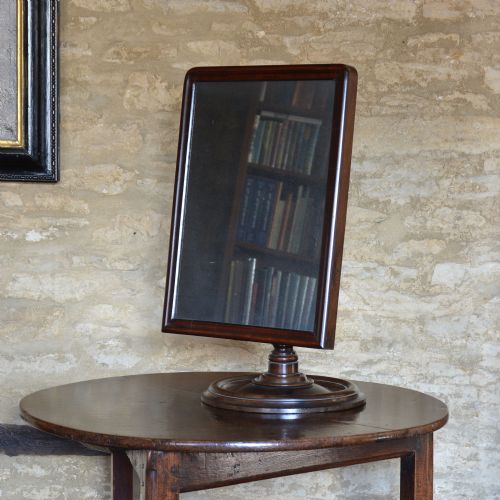
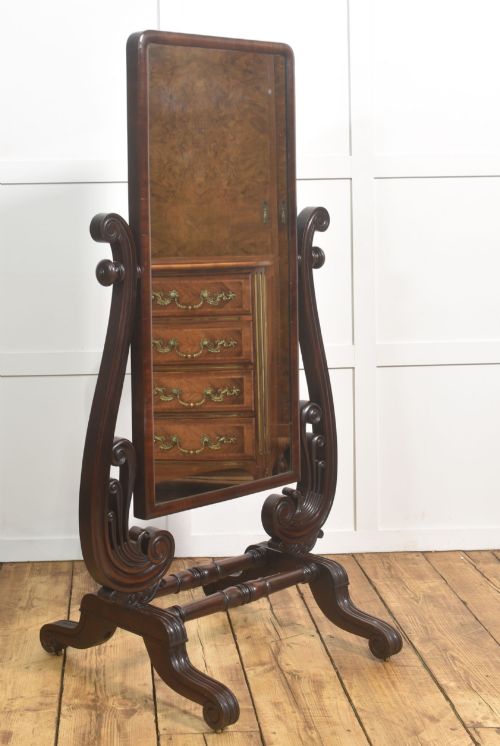
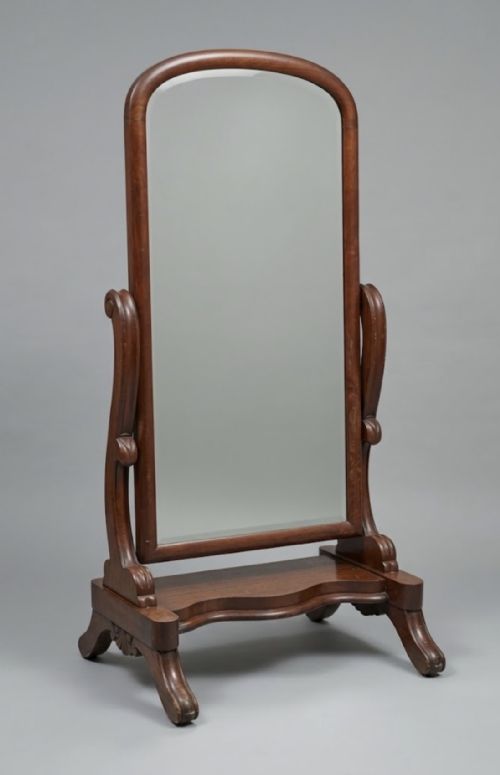
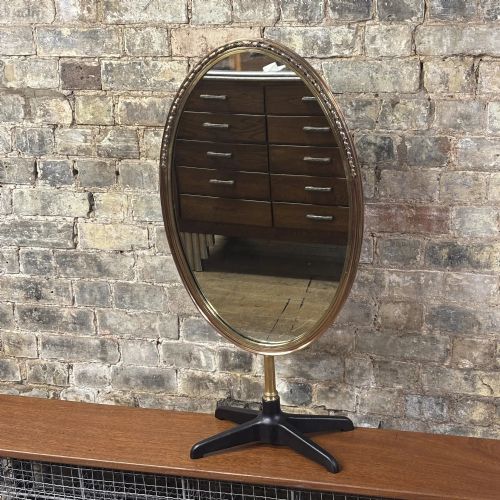
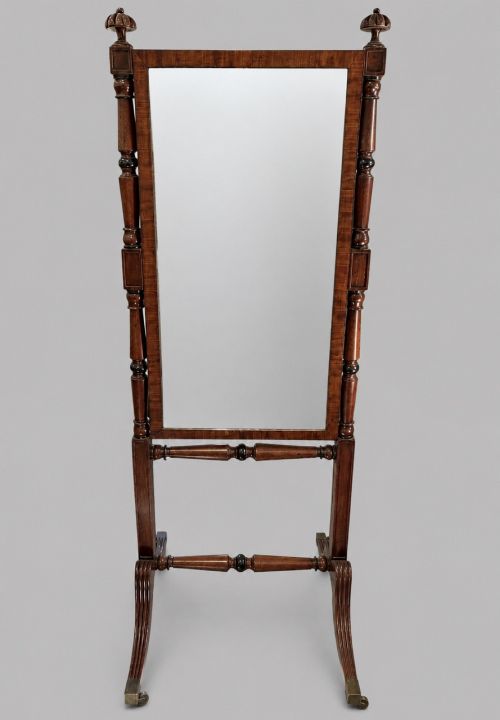
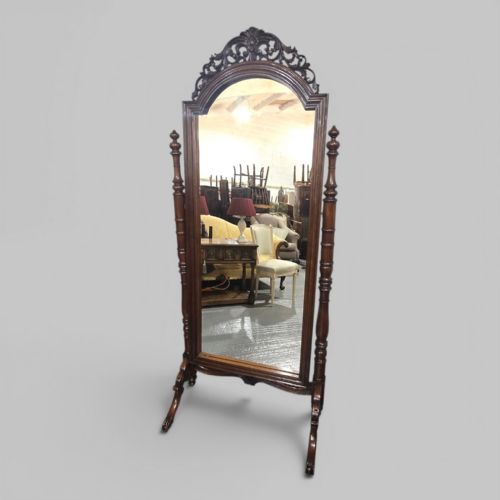
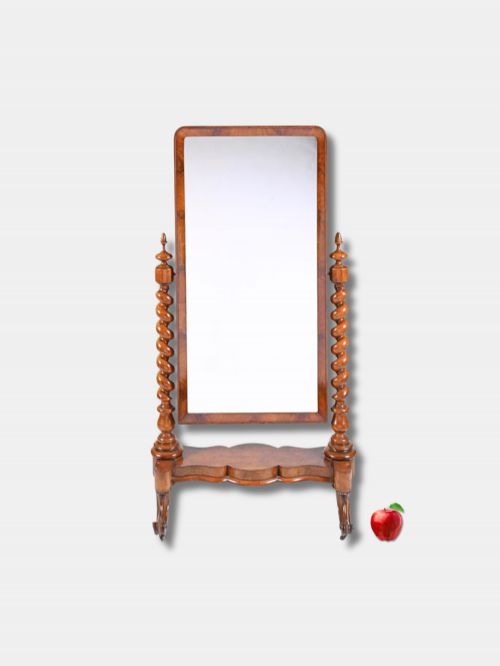
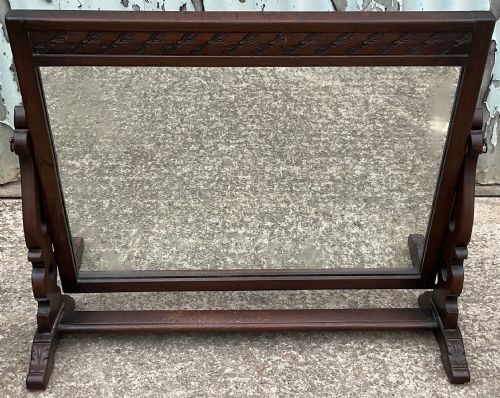
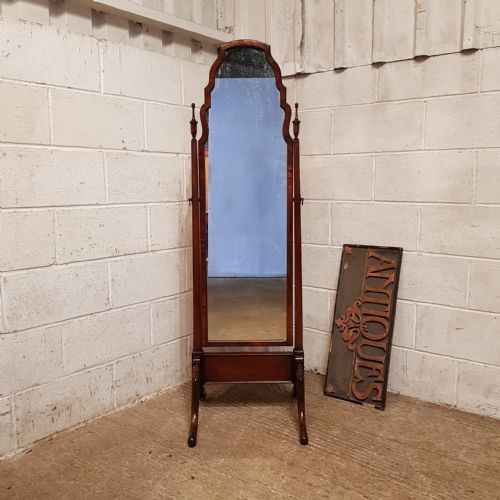
The free standing dressing glass encompasses several variations of adjustable mirrors, including large floor-standing cheval mirrors and smaller table mirrors designed for dressing tables. You will encounter pieces ranging from compact seventeenth-century shaving mirrors to substantial Victorian and Regency cheval mirrors that stand independently on the floor.
These items primarily serve a functional purpose in bedrooms and dressing rooms while doubling as decorative furnishings. The surviving examples span multiple periods, with Victorian and Regency forms appearing frequently alongside Edwardian and early twentieth-century interpretations.
Makers utilised various scales, from small oak and mahogany toilet mirrors meant for table tops to towering cheval frames that reflect full-length views. Each format retains the pivoting mechanism that defines the type, allowing the glass to tilt at different angles.
Materials and construction
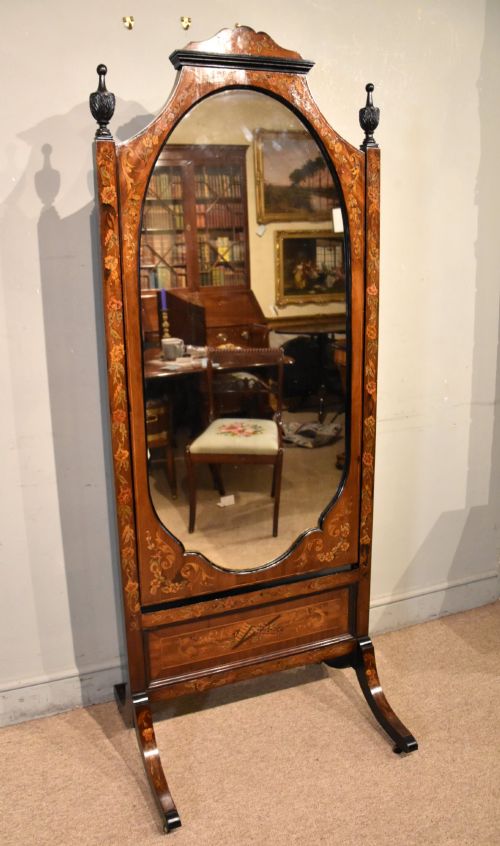
Cabinet makers built these frames using dense hardwoods such as mahogany, walnut, oak, and satinwood, frequently embellishing surfaces with boxwood inlay, marquetry, or brass fittings. The timber provides the structural integrity needed to support the heavy weight of the mirror glass within its pivoting frame.
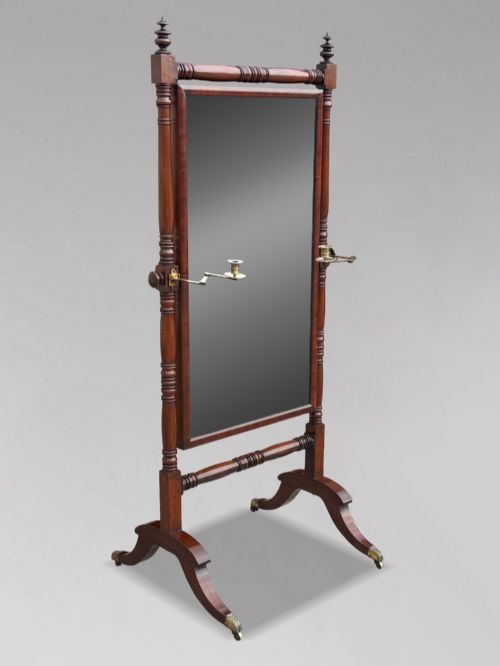
Support structures range from simple turned uprights and barley twist columns to elaborate floor-standing cheval bases with splayed legs. The mirror plate itself, often original glass, hangs securely between side posts using adjustable brass screw pins or pivot brackets.
One unexpected survivor includes a dressing glass originating from a gents outfitters.
Assessing quality and craftsmanship
Superior examples distinguish themselves through the choice of timber figures, such as flame mahogany or richly grained walnut, paired with meticulous joinery and refined inlay work. The weight and stability of the base relative to the height of the frame indicate the care taken in the workshop.
Hardware details such as cast brass mounts, adjustable pivot pins, and original mirror glass separate standard utility pieces from exhibition-quality items. Finer specimens display harmonious proportions, balancing the scale of the frame with the dimensions of the glass plate.
Gillows
The Free Standing Dressing Glass Glossary
- Cheval mirror
- A large floor-standing dressing mirror supported on four legs with a pivoting frame. This form allows a person to view their entire outfit.
- Toilet mirror
- A smaller dressing glass designed to sit upon a table or chest of drawers. These often feature small drawers incorporated into the base plinth.
- Shaving mirror
- A compact adjustable mirror, historically placed on a table for close grooming. Early examples frequently incorporated boxwood and walnut veneers.
- Barley twist
- A decorative turning style resembling a twisted rope, seen on the upright supports of Victorian mirrors. This technique added textural visual interest to the wooden frame.
- Inlay
- A technique where contrasting materials like boxwood or satinwood are embedded into the wood surface to create decorative patterns. It signals elevated craftsmanship on period furniture.
Free Standing Dressing Glass: Frequently Asked Questions
What is a free standing dressing glass?
A free standing dressing glass is an adjustable mirror mounted within a supportive frame, allowing it to tilt independently without wall attachment.
These pieces function as practical dressing aids while adding architectural presence to interior spaces.
How do I tell a cheval mirror from a toilet mirror?
Cheval mirrors are large floor-standing units built to reflect the full figure, whereas toilet mirrors are scaled down to rest on tables or chests.
Floor-standing versions utilise substantial floor frames, while table versions feature box bases or short feet.
Where were these mirrors used?
They found primary placement in bedrooms, dressing rooms, and hallways as functional accessories for personal grooming and attire checks.
Their mobility allowed owners to position them near windows to capture optimal natural light.
How do I care for antique mirror glass?
Maintenance involves gentle cleaning with soft cloths and avoiding excessive moisture around the edges where the silvering meets the frame.
Preserving the original glass maintains the authentic character of the piece.