



Framed Wall Hanging
A framed wall hanging brings texture and light to an interior, drawing the eye with carved wood, needlework, or gleaming mirror glass.
Framed Wall Hanging
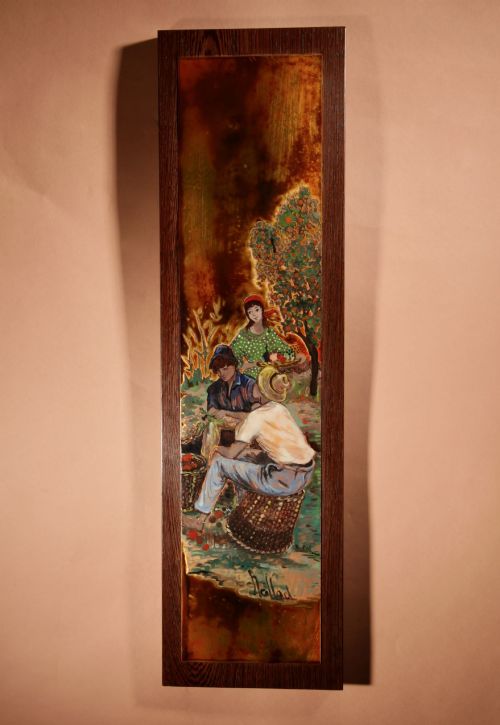
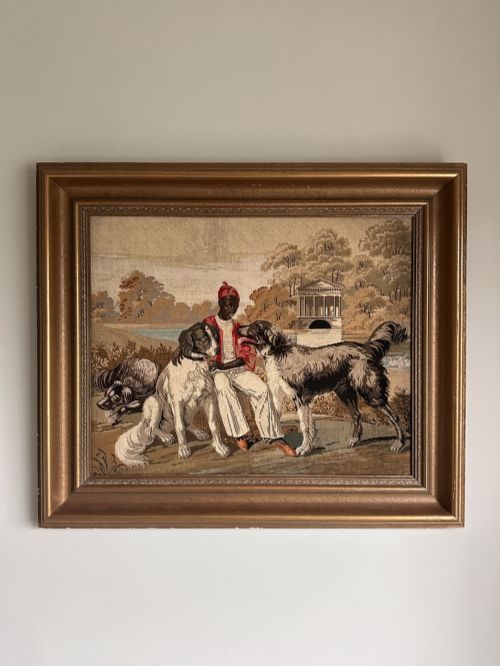
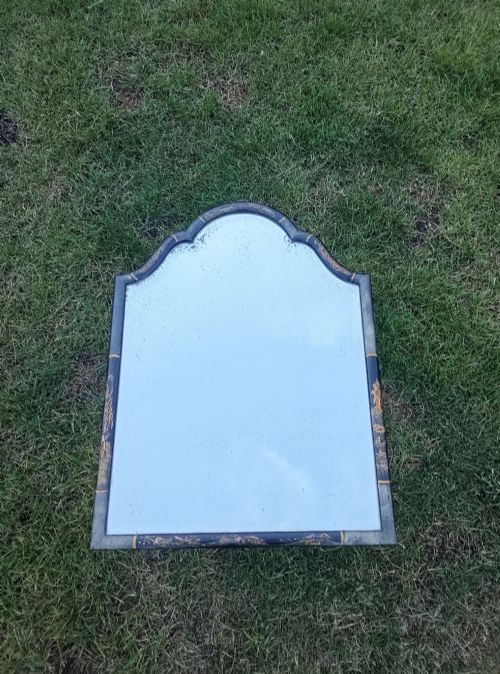
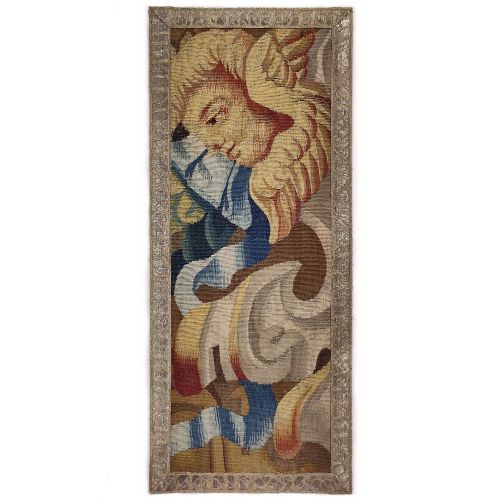
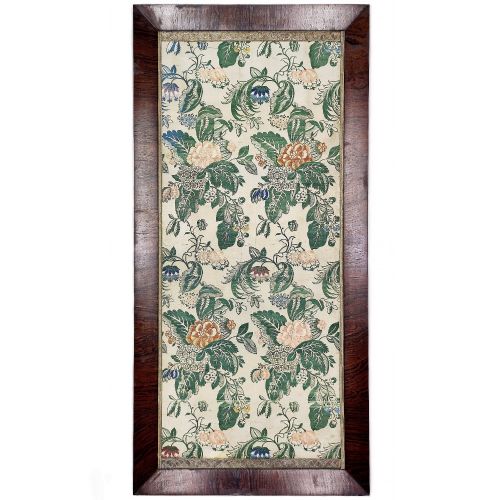
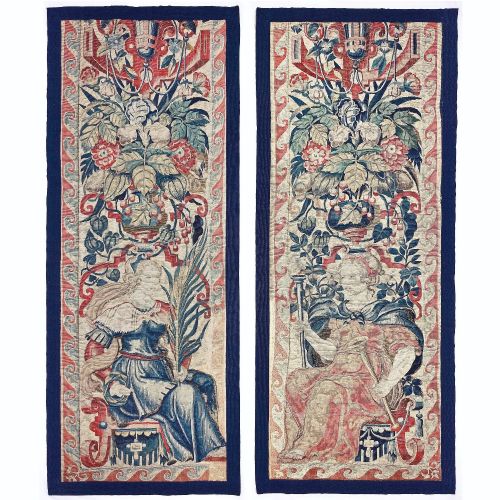
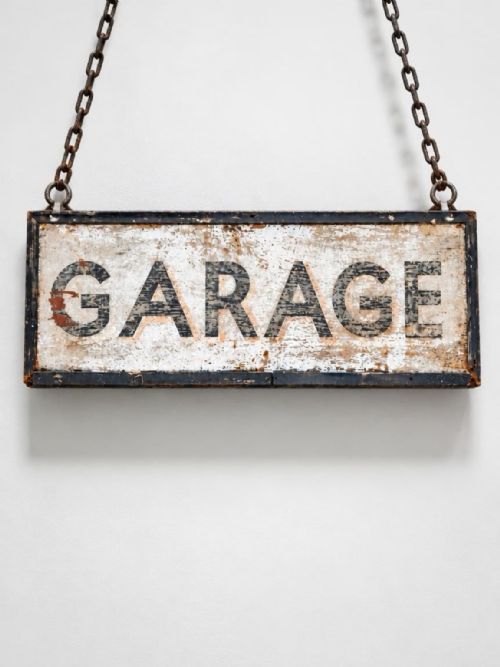
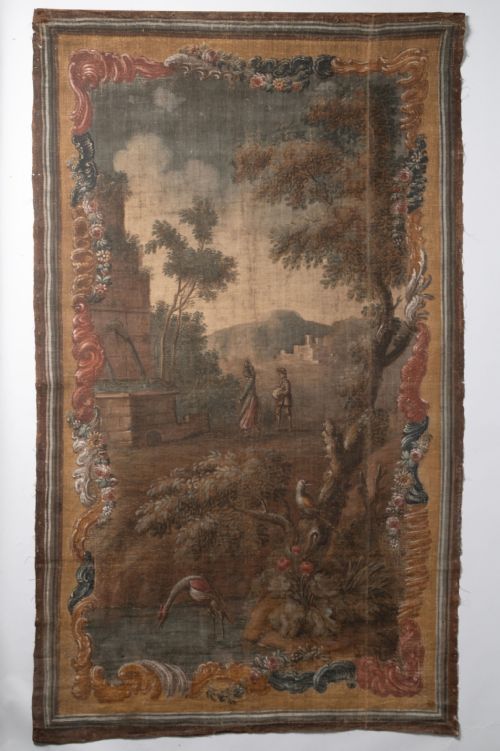
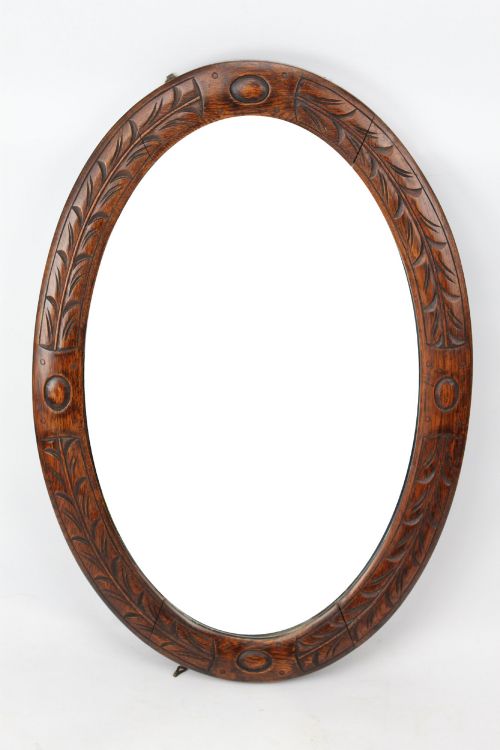
When you search for a framed wall hanging, you encounter a diverse selection of decorative objects designed to be mounted directly onto interior surfaces. These pieces include wall mirrors, framed textile art, embroideries, tapestries, marquetry panels, and painted wall plaques.
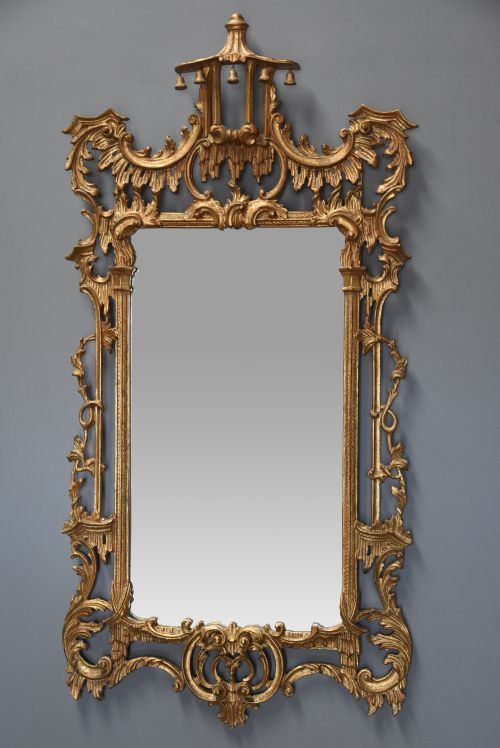
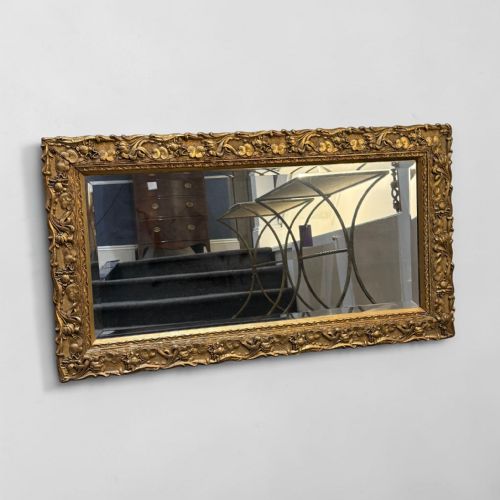
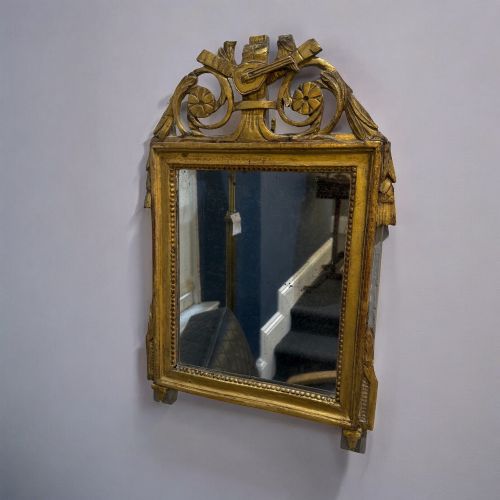
The inventory spans multiple centuries and aesthetics, ranging from Georgian and Regency styles to Victorian revivals and early twentieth-century Chinoiserie. You are most likely to meet giltwood mirrors and framed textile works originating from the nineteenth and early twentieth centuries on this page.
Makers and artisans utilised various regional traditions, producing items such as Syrian inlaid frames, Venetian mirrors, and French Rococo carved pieces. Each object serves to anchor a room's decor through disciplined craftsmanship and distinct historical character.
How they were made
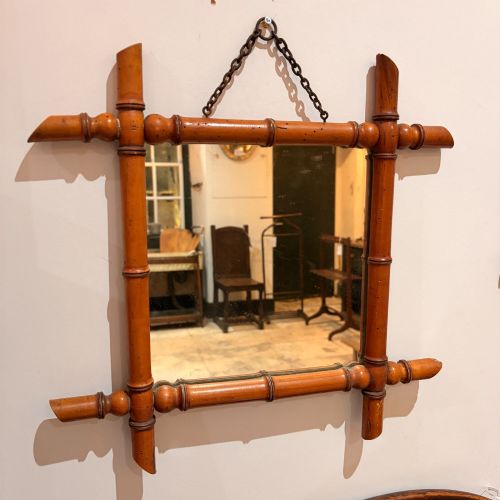
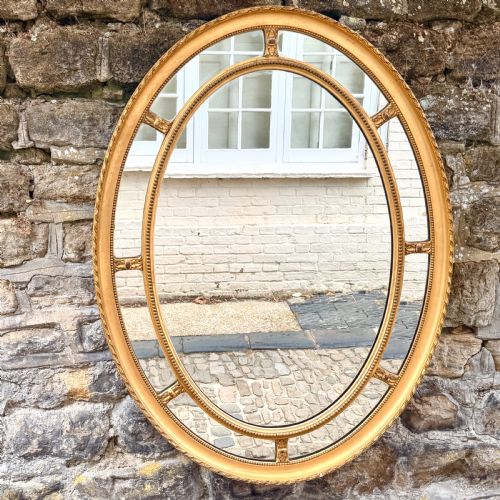
Craftsmen built structural frames from timber such as oak, mahogany, walnut, maple, and satinwood, occasionally applying faux bamboo finishes or intricate marquetry. Water gilding and gold leaf were frequently applied over gesso to create luminous gilded surfaces on mirrors and decorative plaques.
Textile pieces rely on silk, wool, and specialised fabric grounds to support hand-painted details, plushwork, and detailed embroidery. Glazed panels protect delicate threads and painted surfaces from environmental wear while maintaining high visual clarity.
Framed Wall Hanging Retail Price Guide 2026
Typical asking prices for framed wall hanging among the pieces listed under this phrase on Sellingantiques today, from the lower quarter to the upper quarter. They describe what is for sale here now, not the wider market.
Listings feature items from the Georgian period through to the 1960s, constructed in glass, giltwood, gesso, and various hardwoods.
What varies in quality
The sophistication of the carved detail and the depth of the gilding set superior examples apart from standard decorative items. Crisp definition in wood carving and the preservation of original mirror glass indicate higher workmanship.
The integrity of the structural joinery in the frame and the condition of the textiles or painted panels determine the longevity and historical value of the piece. Superior examples maintain their original finish without excessive intervention.
Arsène Rochette of Versailles·Waring & Gillow
The Framed Wall Hanging Glossary
- Giltwood
- Wood that has been coated with gold leaf or powder. This finish is characteristic of many formal nineteenth-century frames and mirrors.
- Gesso
- A plaster-like mixture applied to wood surfaces to prepare them for gilding or painting. It provides a smooth base for intricate carved details.
- Chinoiserie
- The European interpretation and imitation of Chinese and East Asian artistic traditions. This style appears frequently in early twentieth-century wall art and mirrors.
- Marquetry
- The art of applying pieces of veneer to a structure to form decorative patterns. This technique decorates wooden panels and frames.
- Parcel-gilt
- Partially gilded, leaving portions of the exposed wood visible alongside the gold leaf. This technique highlights specific carved elements on a frame.
Framed Wall Hanging: Frequently Asked Questions
What is a framed wall hanging?
A framed wall hanging encompasses decorative objects designed for display on vertical surfaces, ranging from functional looking glasses to textile art.
These pieces combine supporting wooden or metal frames with artistic mediums like embroidery, tapestries, or painted panels.
How do I hang a heavy mirror safely?
Heavy mirrors and wooden panels require secure fixings anchored directly into wall studs or solid masonry.
Utilising appropriate mirror plates or heavy-duty brackets ensures the weight is distributed evenly across the structure.
How do I identify the period of a frame?
Dating a frame involves examining the wood species, construction methods, and stylistic motifs characteristic of specific eras like Georgian or Victorian.
Patina on the wood and the manufacturing technique of the glass or backing materials offer further chronological clues.
Can I place these pieces in direct sunlight?
Direct sunlight can fade delicate silk threads, painted surfaces, and vulnerable fabrics found in textile wall hangings over time.
Positioning these works away from intense natural light helps preserve the original colours and materials.