
Framed Wall Art Portrait
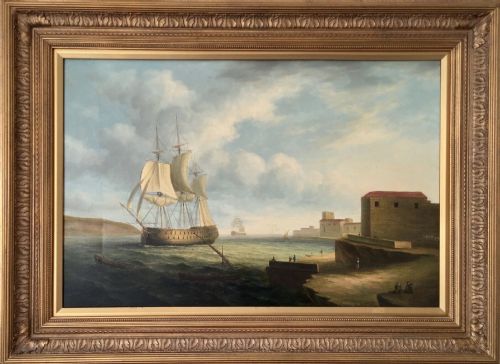
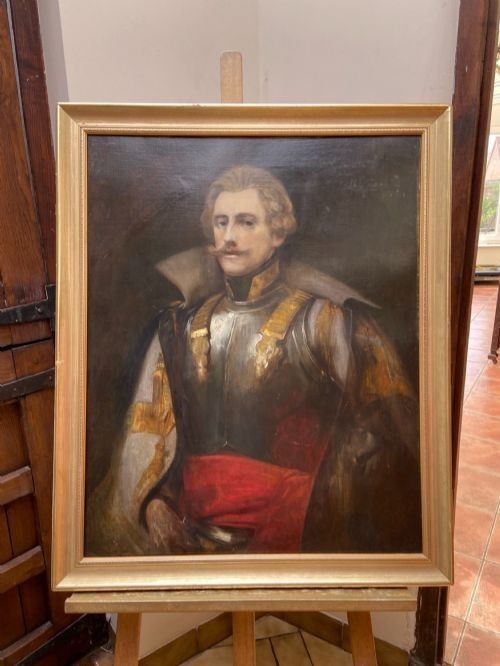
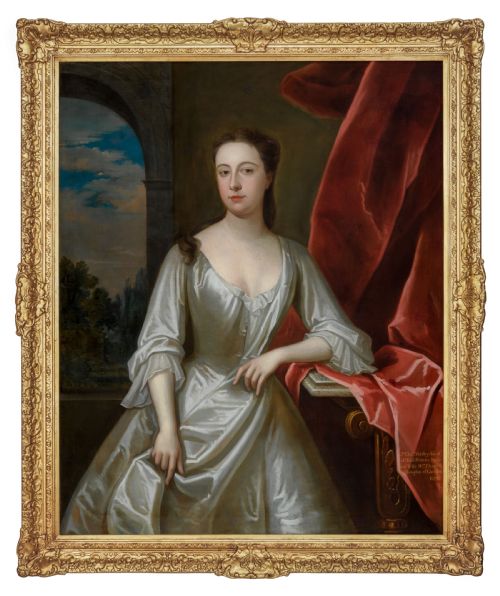
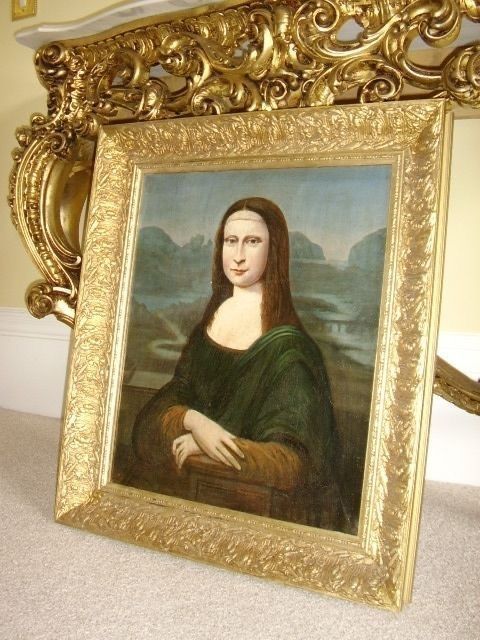
When you examine a framed wall art portrait, you encounter historic likenesses rendered in oil, pastel, and print across several centuries.
Framed Wall Art Portrait
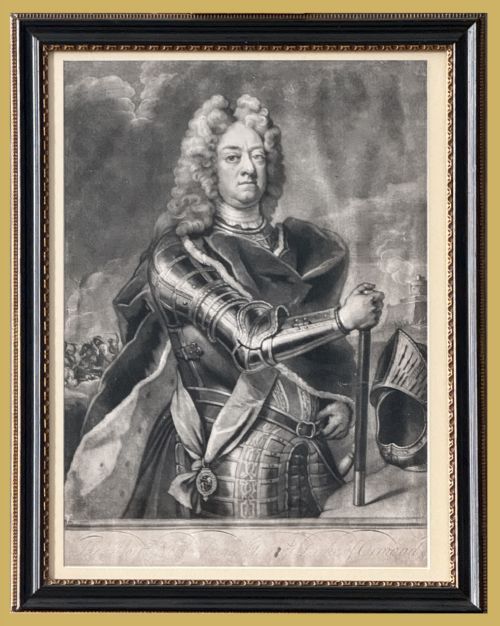
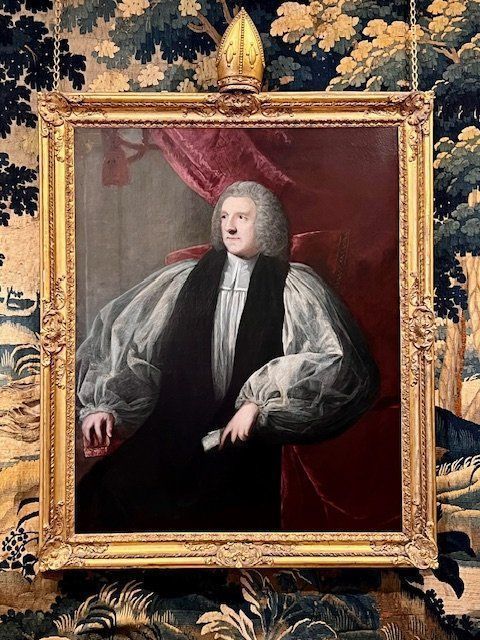
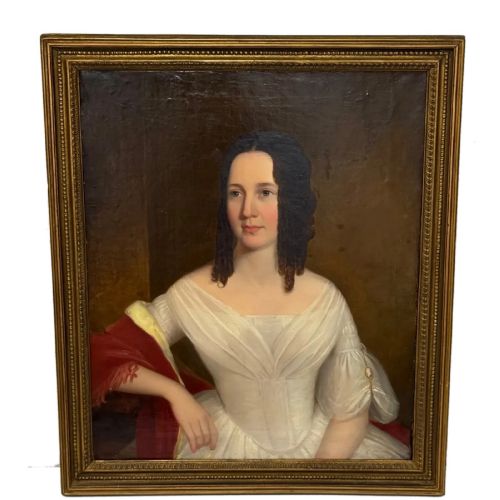
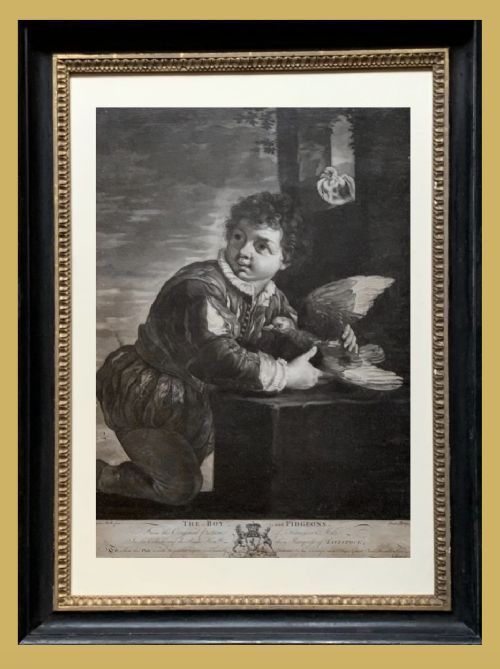
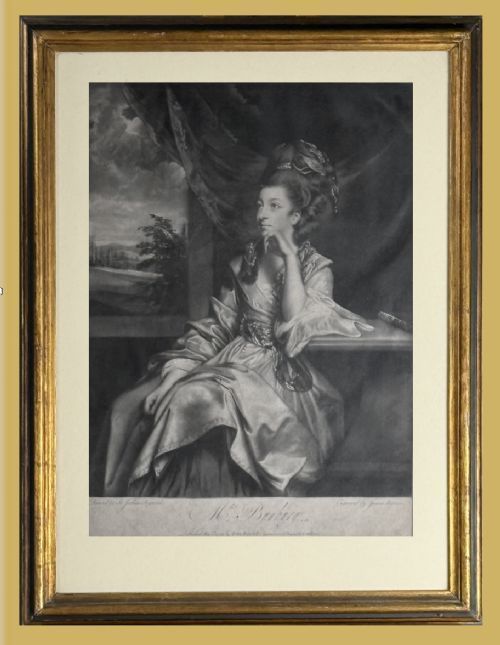
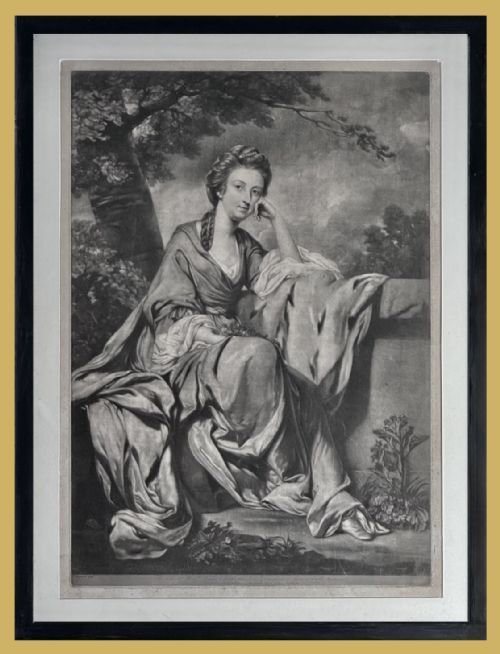
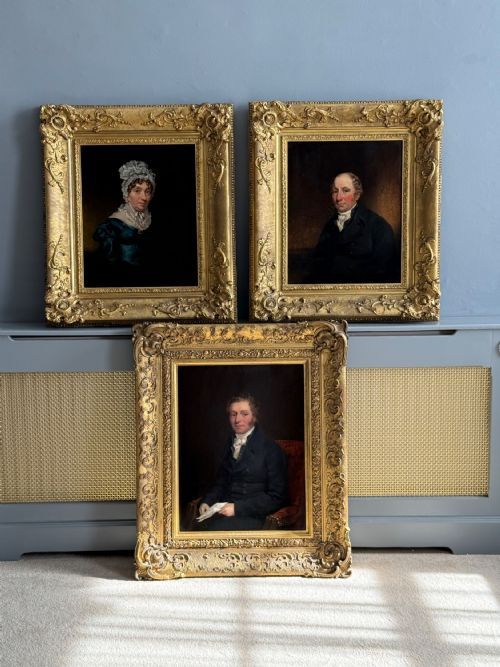
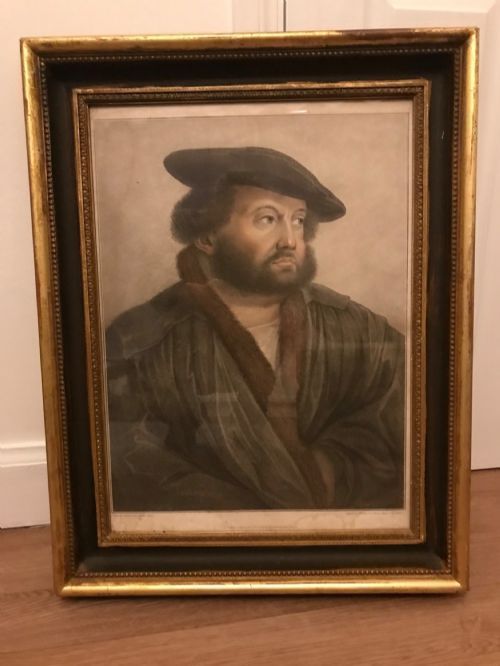
A framed wall art portrait encompasses historic oil paintings, mezzotints, pastels, and engravings depicting notable figures, nobility, and everyday subjects.
The selection here draws heavily from the seventeenth, eighteenth, and nineteenth centuries, featuring works executed in British, French, and Northern European traditions.
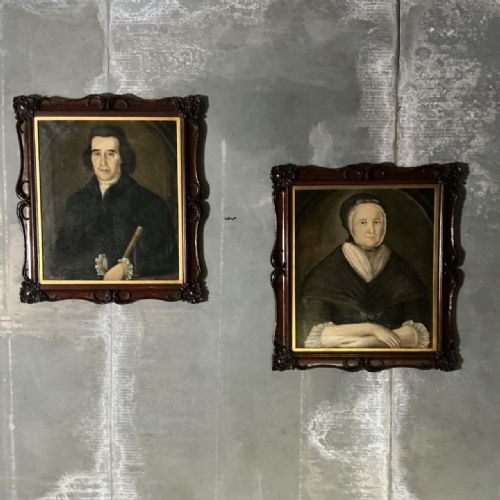
Buyers will find individual likenesses alongside pairs and groups, housed within period frames constructed from wood, glass, and giltwood.
Materials and Techniques
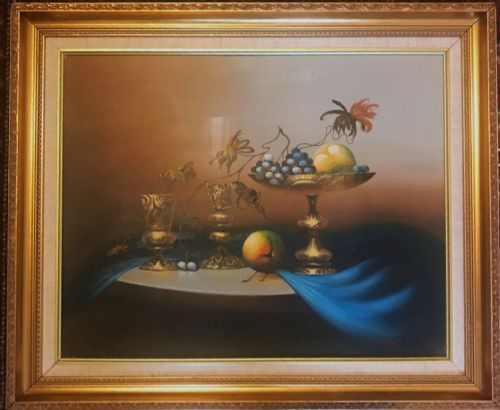
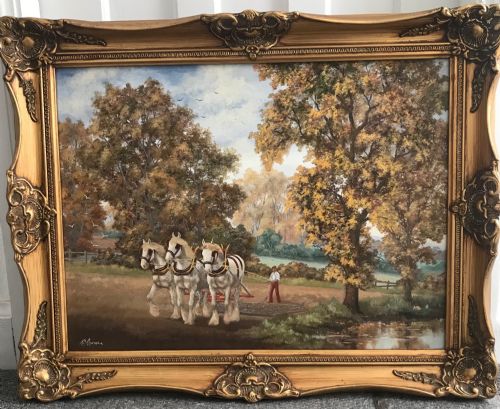
Makers utilised oil paint on canvas, wood panel, and vinyl canvas, often applying gold leaf and giltwood to construct elaborate enclosing frames.
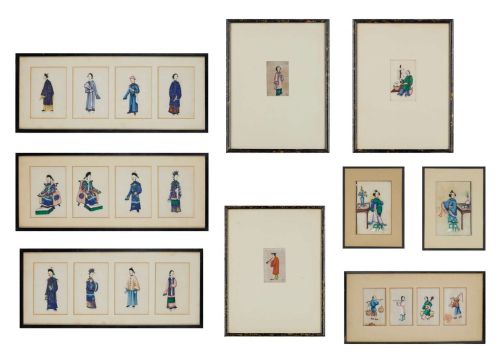
Works on paper employ pastel, watercolour, and stipple engraving techniques, preserved beneath protective glass layers.
Framed Wall Art Portrait Retail Price Guide 2026
Typical asking prices for framed wall art portrait among the pieces listed under this phrase on Sellingantiques today, from the lower quarter to the upper quarter. They describe what is for sale here now, not the wider market.
Listings feature oil on canvas, pastel, and stipple engraving across the seventeenth, eighteenth, and nineteenth centuries.
Factors of Quality
The distinction between tiers rests upon the skill of the execution, whether an original studio work by a known hand or a later printed interpretation after an established master.
Condition of the canvas, preservation of the original pigments, and the integrity of the period frame heavily influence the standing of any individual piece.
Sir Godfrey Kneller·Sir Joshua Reynolds·Sir Peter Lely·Anthony Van Dyck
The Framed Wall Art Portrait Glossary
- Mezzotint
- A printmaking process of the intaglio family, where a copper plate is roughened and scraped to achieve subtle gradations of tone and shade. This technique became particularly popular for reproducing oil portraits during the eighteenth century.
- Giltwood
- Wood that has been treated with a thin layer of gold leaf or gold paint for decorative effect. It frequently frames formal oil paintings from the Baroque and Regency periods.
- Stipple engraving
- A method of producing prints by means of dots rather than lines, allowing for delicate tonal transitions. Francesco Bartolozzi utilised this technique extensively for historical portraits.
Framed Wall Art Portrait: Frequently Asked Questions
What periods do these portraits cover?
The available works span several centuries, reaching back to seventeenth-century depictions of nobility and extending through eighteenth-century Georgian pieces into the nineteenth and twentieth centuries.
Collectors will encounter distinct stylistic shifts across these eras, moving from elaborate Baroque costume pieces to more naturalistic Victorian and Edwardian studies.
How are these historic portraits framed?
Many examples retain period framing constructed from wood and finished with gold leaf or giltwood highlights. These enclosures range from simple moulded wooden surrounds to ornate decorative borders suited to grand interior display.
The glass present on works on paper and engravings serves to protect the delicate pastel pigments and print surfaces from atmospheric dust and moisture.
Are these original paintings or prints?
The selection includes both unique oil paintings executed directly on canvas or panel and printed works such as mezzotints and stipple engravings. Many prints were created after famous paintings by prominent artists of earlier centuries.
Checking the medium listed for each individual item clarifies whether the piece is a hand-painted portrait or a printed reproduction.
How do I identify the subject of a portrait?
Some pieces feature contemporary inscriptions directly on the work or retain historical documentation naming the sitter, such as nobility, architects, or literary figures. Cataloguing details often connect the depicted individual to known historical records and past portrait commissions.
Where specific names are absent, costume details, heraldry, and artistic school provide clues regarding the social standing and approximate date of the sitter.