
Framed Vintage Textile
A framed vintage textile brings historic handwork directly to the wall, offering texture and colour that plain canvas simply cannot match.
Framed Vintage Textile
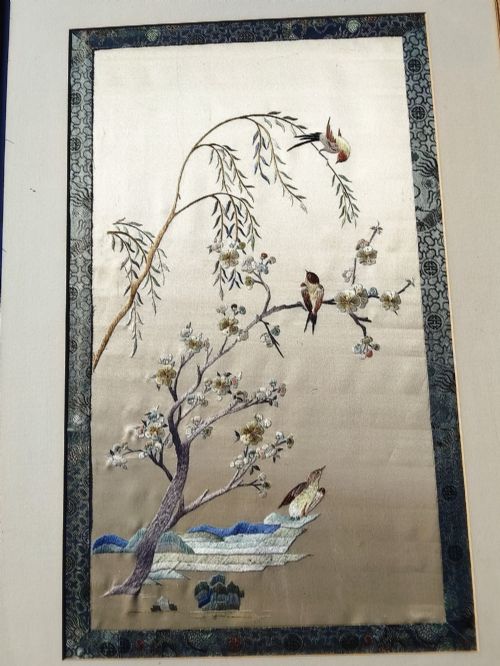
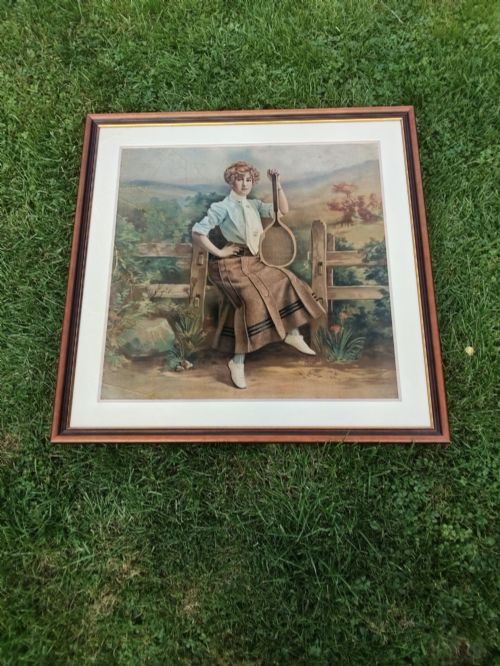
A framed vintage textile encompasses needlework pictures, embroidered panels, samplers and tapestries preserved behind glass or mounted in timber frames. Buyers hunt for these pieces to introduce organic warmth and historic narrative into contemporary rooms.
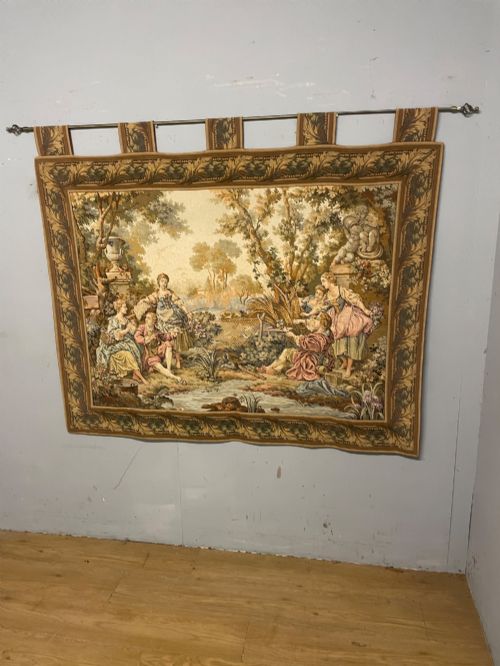
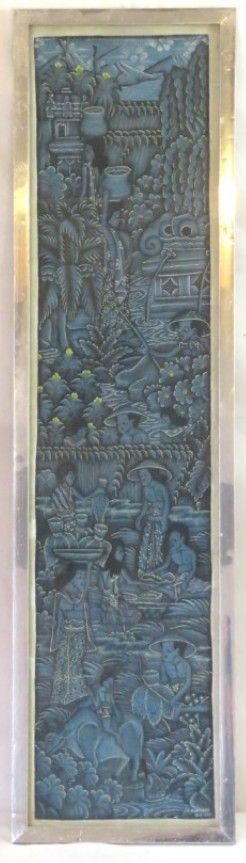
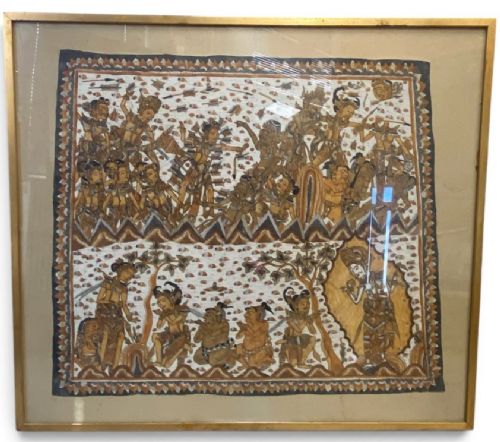
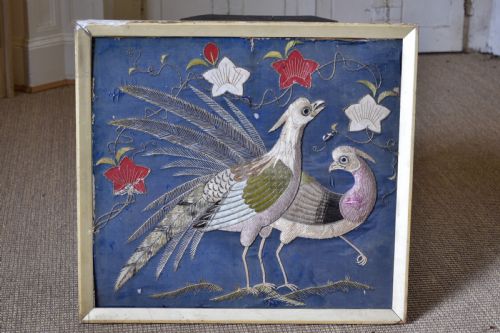
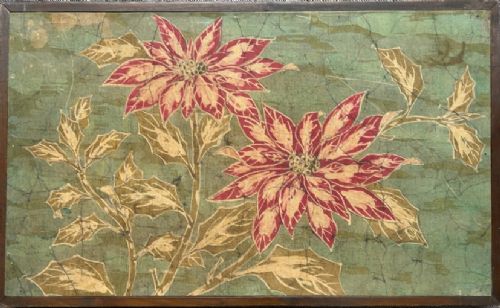
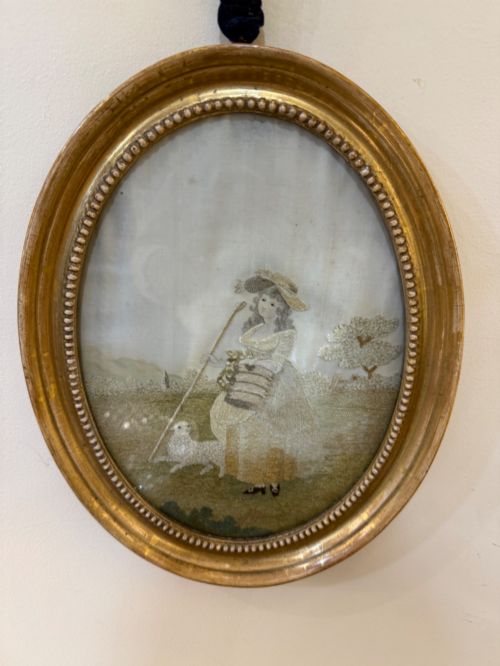
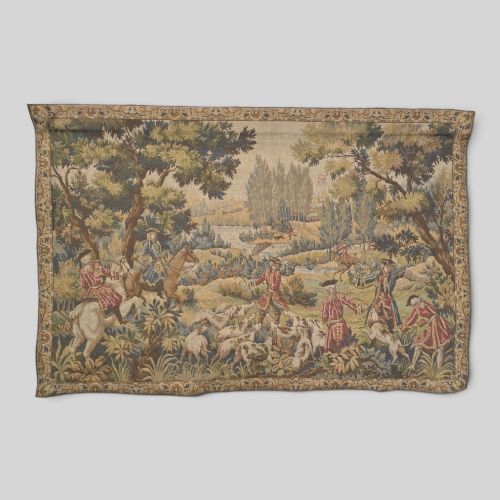
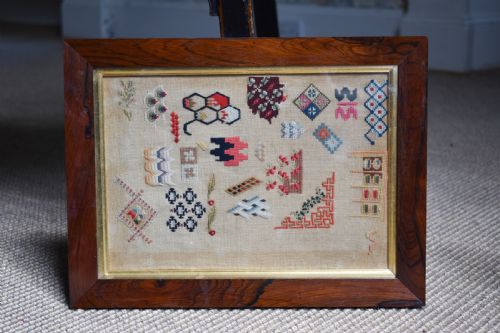
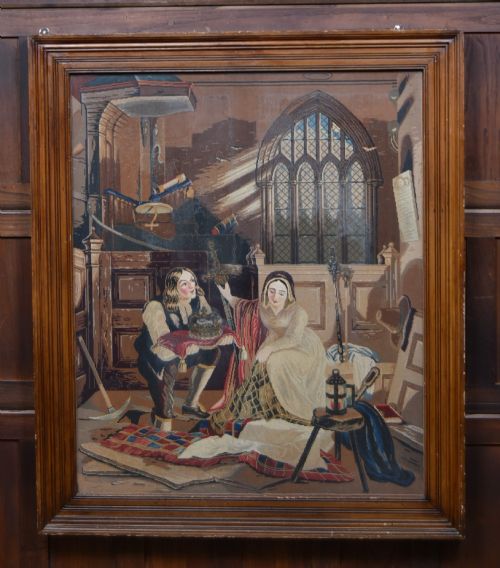
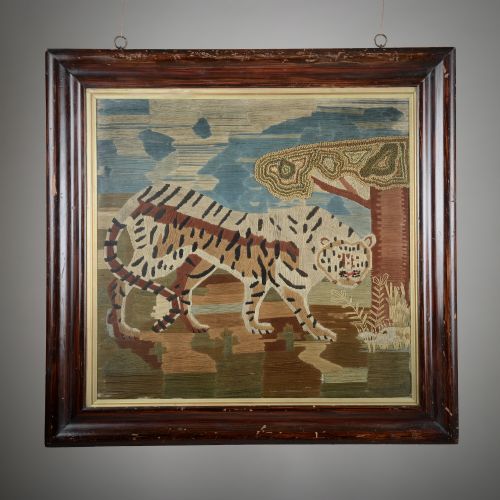
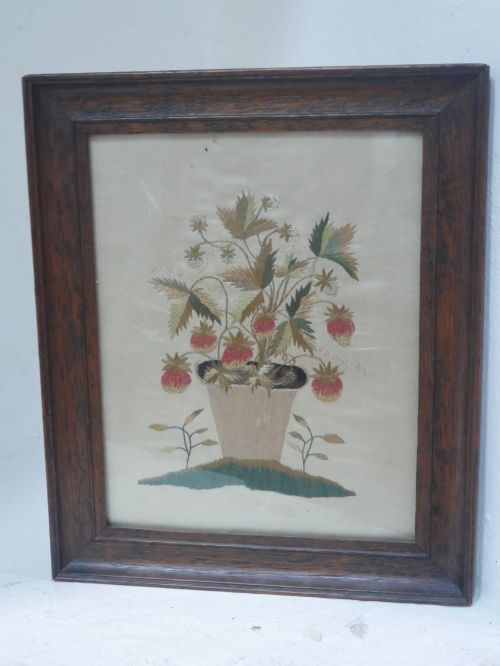
The selection here ranges from seventeenth-century English band samplers and French verdure fragments to twentieth-century batik panels and Balinese watercolours on fabric. Needlework samplers and floral or animal embroideries dominate the offerings, usually secured in period wooden frames.
How they were made
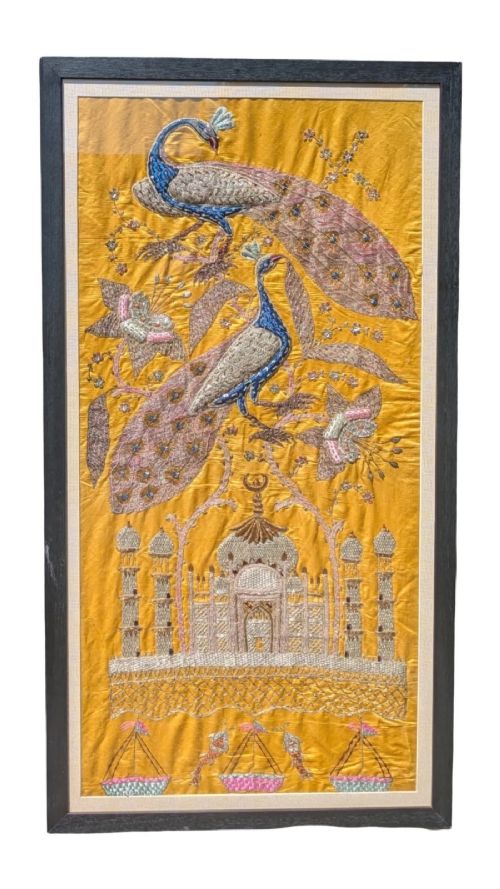
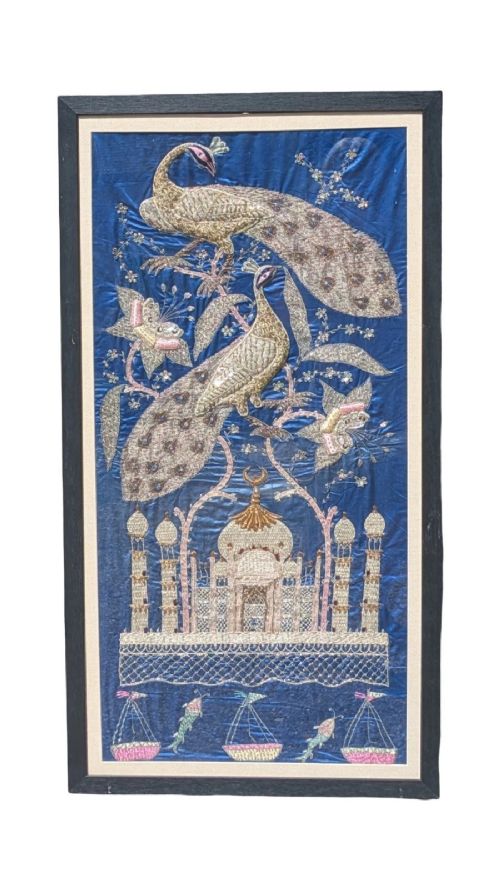
Makers utilised natural fibres such as wool, silk, linen and cotton, frequently embellished with metallic thread for shimmering detail. These textiles were worked on canvas or woven grounds using needlepoint, crewelwork, gros-point or print techniques.
Framing methods vary, with older fragments often mounted carefully to linen or held securely behind glass in gilt or wooden surrounds to protect fragile historic threads from atmospheric dust and handling.
Periods represented span from the seventeenth century through the Victorian era to mid-twentieth century modern batik.
What varies in quality
The ambition of the composition and the tightness of the stitching dictate the standing of a piece. Finer needlework displays controlled tension, sophisticated shading and intricate botanical or figurative detail rather than loose, hesitant execution.
Condition and original context also govern the hierarchy. Intact samplers with clear alphabets or dates command attention, while tapestry fragments show superior artistry through complex verdure scenes or balanced heraldic motifs.
Beatrice Saunders·Mary Greening
The Framed Vintage Textile Glossary
- Sampler
- A piece of needlework demonstrating various stitches and patterns, historically worked by young girls to practice their skills. These often include alphabets, numbers and pious verses.
- Crewelwork
- A type of embroidery utilising wool yarn to create flowing floral and animal designs on a linen or cotton twill ground. It is particularly associated with seventeenth-century English domestic textiles.
- Tapestry
- A form of textile art woven by hand on a loom, depicting pictorial scenes or foliage. Older examples often show mythological or pastoral subjects.
- Gros-point
- A type of needlepoint embroidery worked on coarse canvas using heavy wool yarn. It yields a durable, textured surface suited to pictorial panels.
- Batik
- A technique of wax-resist dyeing applied to cloth, creating intricate patterned panels. This method produces crisp geometric or floral motifs on fabric.
Framed Vintage Textile: Frequently Asked Questions
How do I hang a framed textile?
Hang these pieces away from direct sunlight to prevent the natural dyes in wool and silk from fading over time. Use sturdy picture hooks appropriate for the weight of the timber frame and glass.
Keep them clear of damp exterior walls and heat sources to protect the historic fibres from contracting or degrading in changing indoor climates.
How are antique samplers dated?
Makers frequently stitched dates, names and initials directly into the canvas as part of the composition, providing a clear marker of origin. Stylistic clues in the lettering, motifs and framing also assist in placing pieces within the seventeenth, eighteenth or nineteenth centuries.
Comparing the stitch types and linen grounds to documented examples helps confirm the period of manufacture when explicit dates are absent.
What is the difference between embroidery and tapestry?
Embroidery involves stitching decorative thread onto an already woven fabric ground using a needle. This category includes samplers, crewelwork and silk pictures.
Tapestry is woven on a loom where the design forms part of the textile structure itself as the warp and weft threads interlace.